





The Luggage Tag Scam Landing Some Travelers in Hot Water
The Luggage Tag Scam Landing Some Travelers in Hot Water

When you check a bag for a flight, you probably don’t think much about what happens to it between check-in and when you collect it from the baggage carousel after you land. It’s out of your hands — you leave it up to airport systems and staff to safely handle its journey. But in rare cases, things don’t go as planned, and now there’s a new scam thieves are using to take advantage of travelers’ checked bags. Here how it works, along with steps you can take to minimize your chance of becoming a victim.
Scammers Are Switching Luggage Tags

According to recent findings from CTV News’ investigative unit W5, a handful of passengers at Toronto’s Lester B. Pearson International and several other Canadian airports found themselves in hot water due to a criminal scheme involving corrupt airport workers. These workers removed the luggage tags from unsuspecting passengers’ bags and attached them instead to suitcases stuffed with drugs.
Criminals are waiting at the other end of the bag’s journey to retrieve the suitcase (and its illegal contents). But if authorities detect drugs and intercept it before that happens, it leaves innocent passengers — the ones with their names now on the tag — on the hook.
The CTV report, published in May 2026, found that this had happened to at least 17 people over the past year, some of whom were arrested, handcuffed, and detained for hours. During the same period, six baggage and ramp workers were arrested by the Royal Canadian Mounted Police in cases involving allegedly switching baggage tags.
The report claims that affected passengers were on flights from Canada to the Dominican Republic, Paris, Germany, Morocco, Bermuda, the Philippines, and South Korea. They were traveling on a number of different airlines, including Cathay Pacific, Air Transat, Air Canada, and WestJet.
Fortunately, in all cases covered in the CTV News investigation, those innocent passengers were able to satisfy the authorities, through questioning, that they were victims rather than perpetrators, and they were eventually released without charge.
Steps Travelers Can Take

Though the findings of the CTV investigation are undoubtedly concerning, only a handful of the 46 million-plus passengers who transited through Toronto’s Lester B. Pearson International Airport last year were affected. Most of the time, security cameras are tracking the progress of your bag — there are very few parts of the journey where no one has eyes on it, making crimes like this difficult to pull off. Still, there are a few steps you can take to minimize your chances of getting caught in such a scheme.
Travel with only a carry-on:
The first and most obvious tip is to not travel with checked luggage. While that’s not always possible, particularly for an extended vacation (or if the airline forces you to gate-check it anyway), we’ve compiled a few helpful tricks for fitting more in your carry-on.
Take a photo of your baggage and the bag tag:
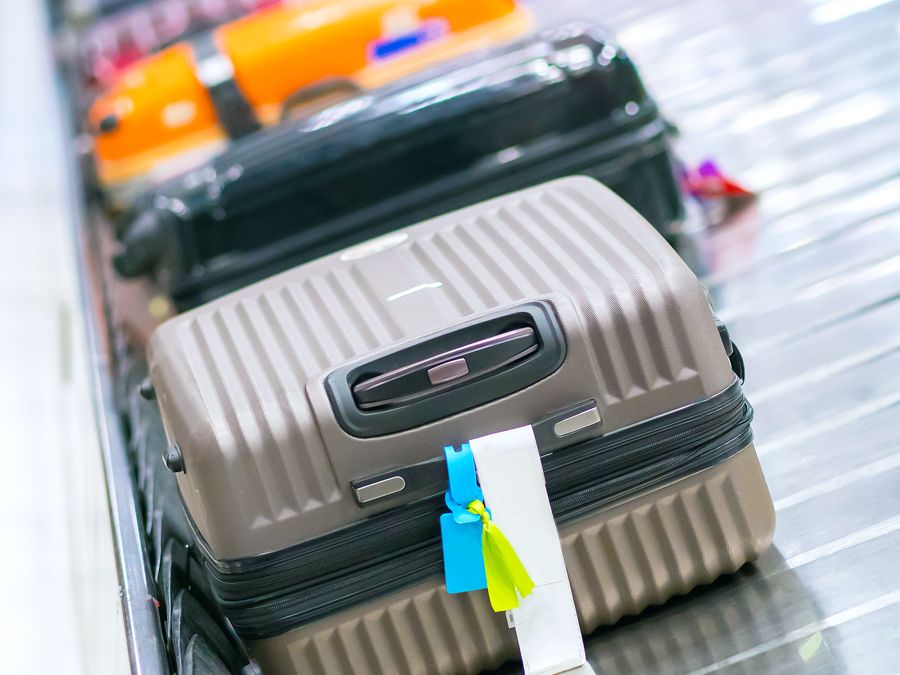
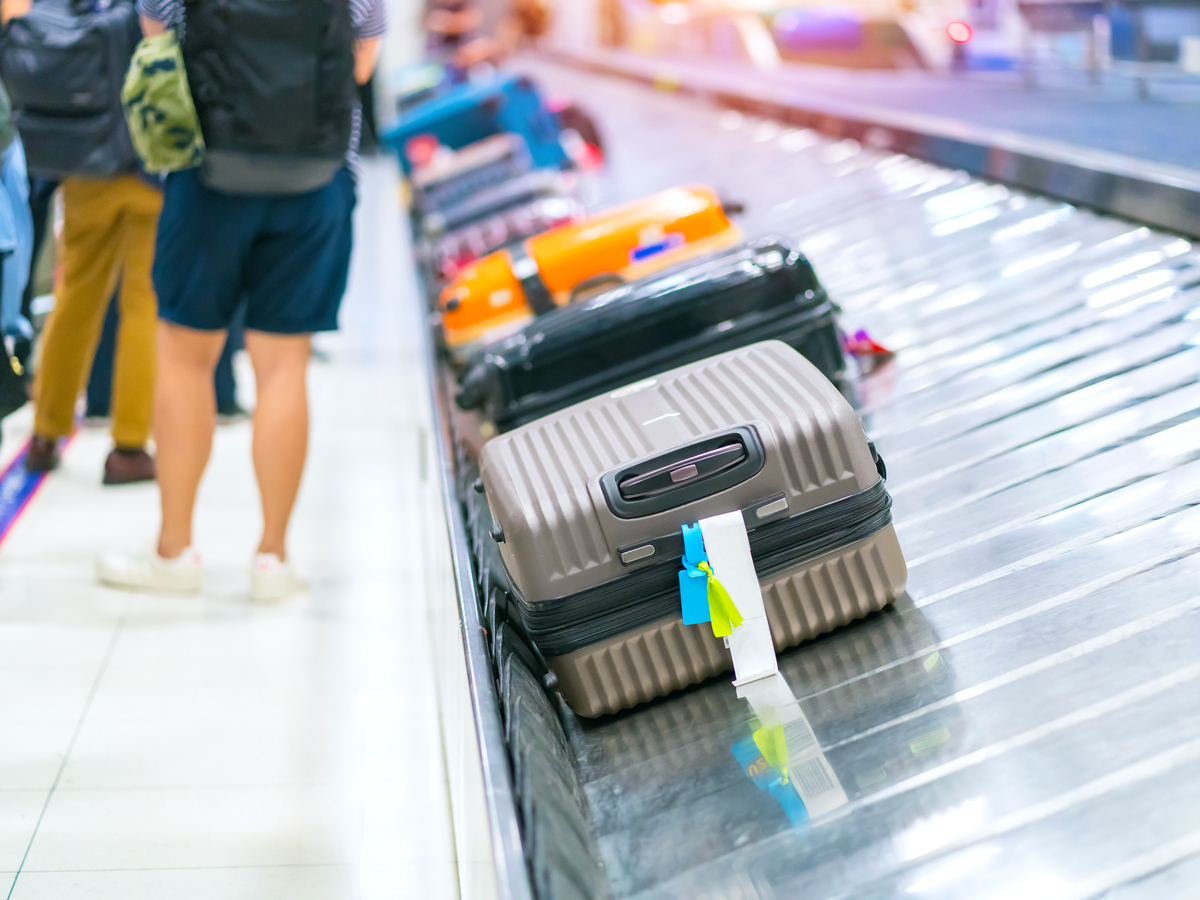
If you can’t avoid checking a bag, make sure the tag is securely attached when you check it. Then, take a photograph of the bag with its tag on as it sits on the check-in scales, making sure the tag number, your name, and your destination airport are all clearly visible.
Some victims reported that illegitimate tags unknowingly attached to their bags were unusually crumpled, so your photo can be helpful evidence. Also consider taking a photo of how much your bag weighed at the time you left it, as any discrepancy with the bag due to contents being added later can be logged with the authorities.
Consider using a tracker:
Many travelers these days insert Bluetooth trackers into their luggage in case of mishandling. After doing so, you’d be able to advise officials of the precise location of your real bag so that it can be inspected.
Featured image credit: Credit: © CasanoWa Stutio/stock.adobe.com
More from our network
Daily Passport is part of Inbox Studio, an email-first media company. *Indicates a third-party property.