




How Flight Attendant Uniforms Have Changed Over the Years
How Flight Attendant Uniforms Have Changed Over the Years

The history of flight attendant fashion closely mirrors the history of commercial aviation itself. In many ways, flying has gone from extraordinary to everyday over the last century, and that evolution has changed how airlines tackle dress codes for their public-facing cabin crews. Over the years, some looks have been more fashionable than others. Here’s how flight attendant uniforms have changed from the 1930s to the present day.
1930s
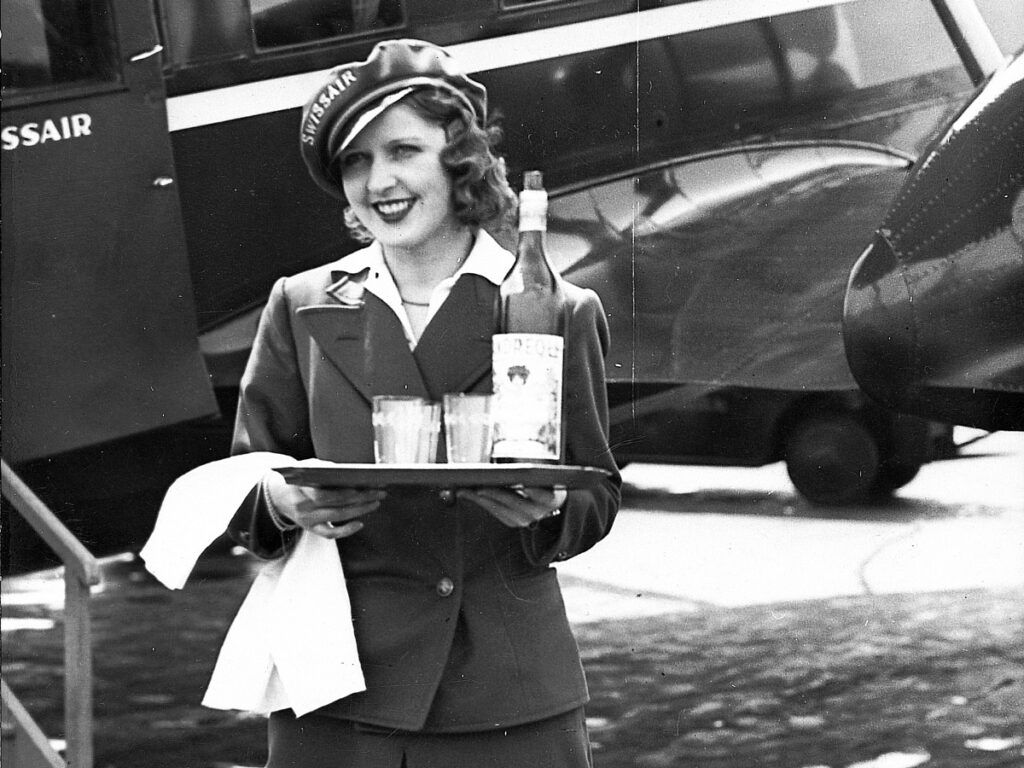
Flying was considerably scarier in the ’30s than it is today, so flight attendants at the time were there to project an image of calm. Ellen Church, widely regarded as the first flight attendant, made a good point when she asked, “Don’t you think that it would be good psychology to have women up in the air? How is a man going to say he is afraid to fly when a woman is working on the plane?” Early flight attendant uniforms were inspired by those of nurses — in fact, many early flight attendants, like Church, were registered nurses — and meant to project an image of calm, nurturing professionalism.
1940s
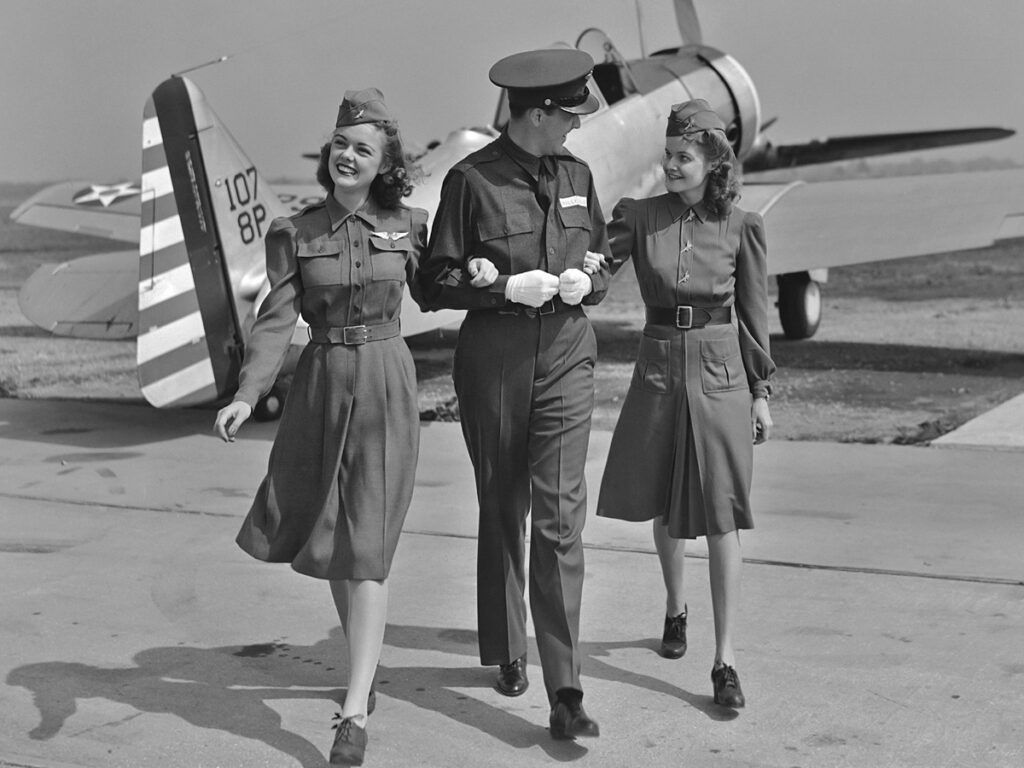
Apropos of the World War II era, the updated outfits of the 1940s were inspired by the military. More form-fitting than their predecessors, they presented a disciplined, practical look in keeping with the era’s fabric restrictions, which limited color options and encouraged civilians to make do with less. The fitted caps, precise tailoring, and belts did exactly that.
1950s
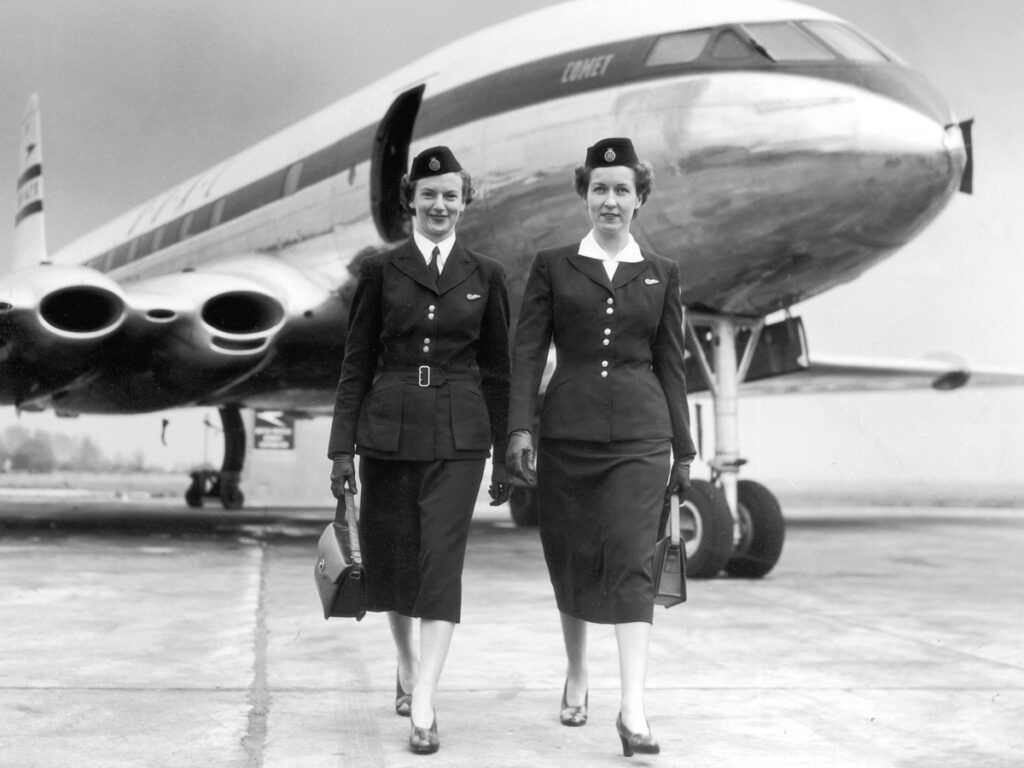
The postwar boom extended to the skies, where flight attendants were hired based on image. In an ad looking for “stewardesses,” as they were known at the time, United Airlines listed the following qualifications that had nothing to do with experience or competence:
- Age: 21 to 27
- Height: 5’2” to 5’7”
- Unmarried
- Weight: not over 135 lbs.
- 20/30 vision or better (without glasses)
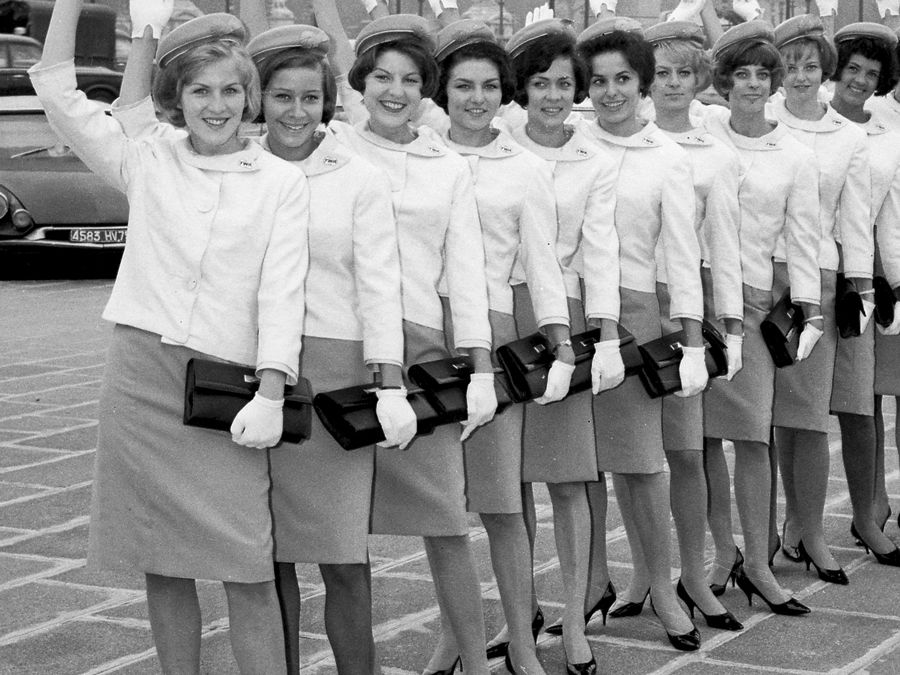
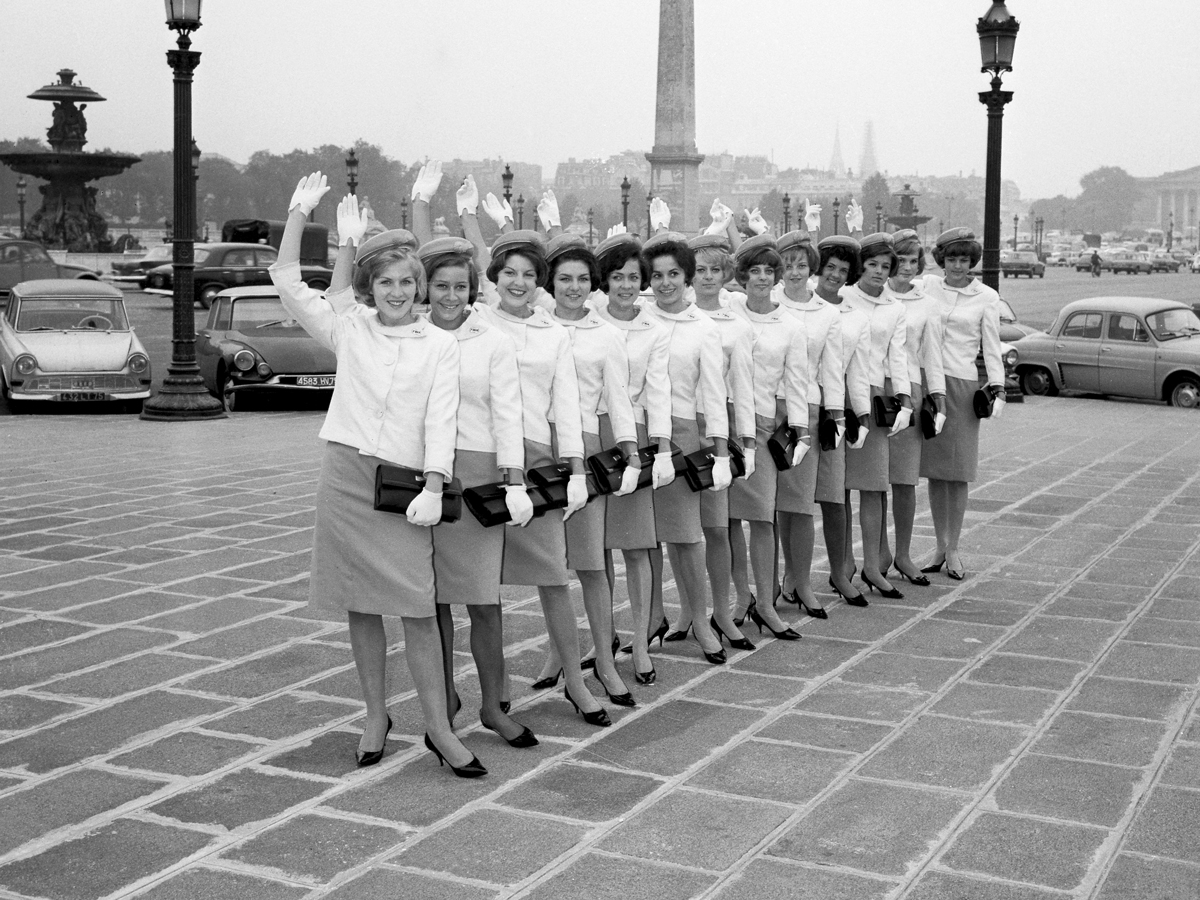
The image consciousness of the era extended to attendants’ uniforms. Flying became much more common after the war, and airlines competed for passengers in part by making their cabin crews as attractive as possible — the pillbox hats, less structured dresses, and matching gloves were all in keeping with that philosophy.
1960s
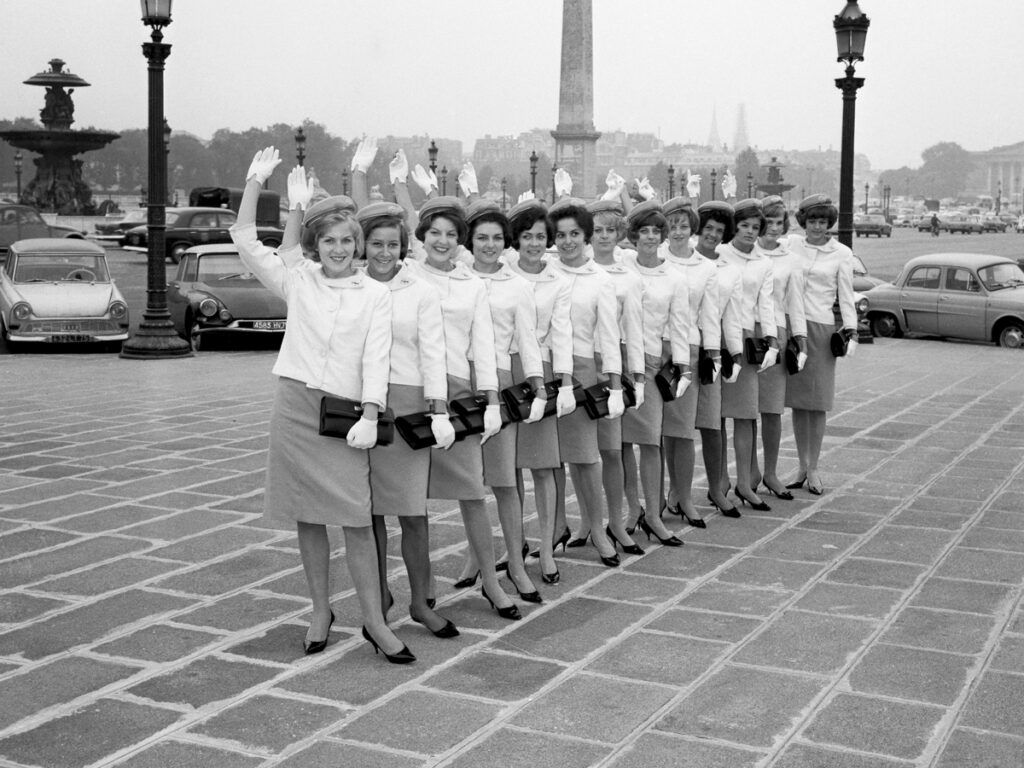
The Swinging ’60s weren’t confined to sea level. Almost certainly the most glamorous decade for flight attendants, the ’60s saw high-end fashion designers like Cristóbal Balenciaga, Emilio Pucci, and Pierre Cardin design uniforms for Air France, Braniff International Airways, and Olympic Airways, respectively. Their work was colorful, bold, and mod-inspired, with miniskirts and go-go boots being common sights at cruising altitude.
1970s
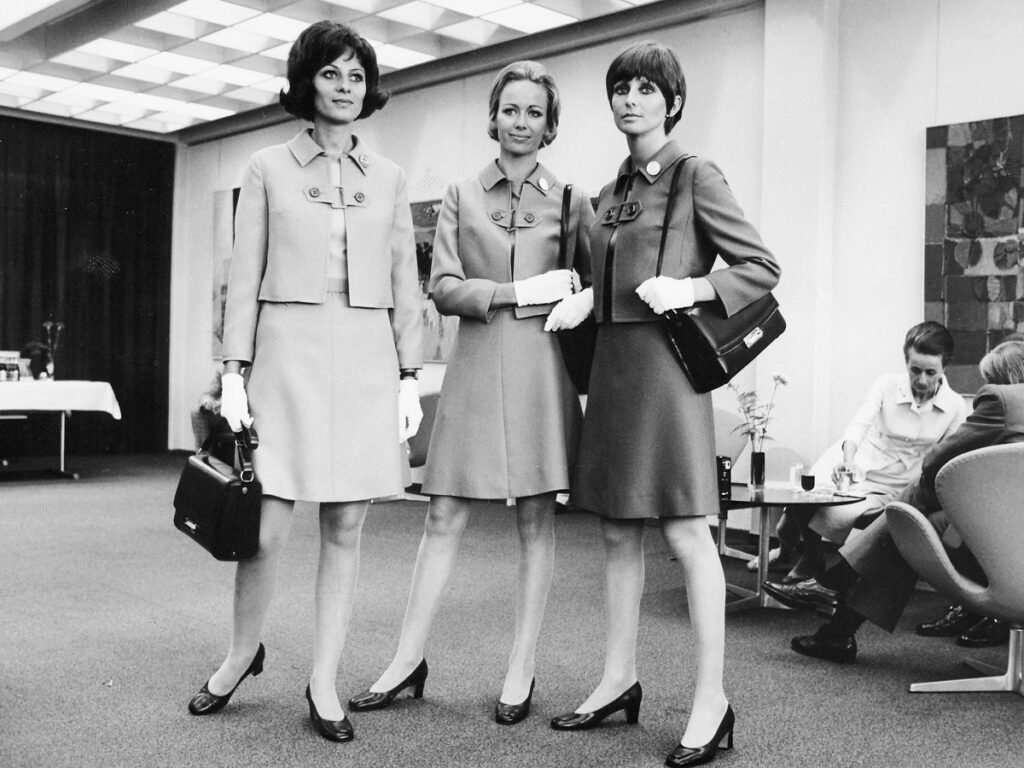
The so-called “Polyester Decade” introduced synthetic fabrics to flight attendant uniforms, building upon the glamorous patterns and bold colors of the ’60s. Alongside the women’s liberation movement, pantsuits were introduced to commercial aviation for the first time; this was also the decade when the term “stewardess” was replaced by the gender-neutral “flight attendant.” One notable exception came from Southwest Airlines, which mandated that “the girls must be able to wear kinky leather boots and hot pants or they don’t get the job.”
1980s and 1990s
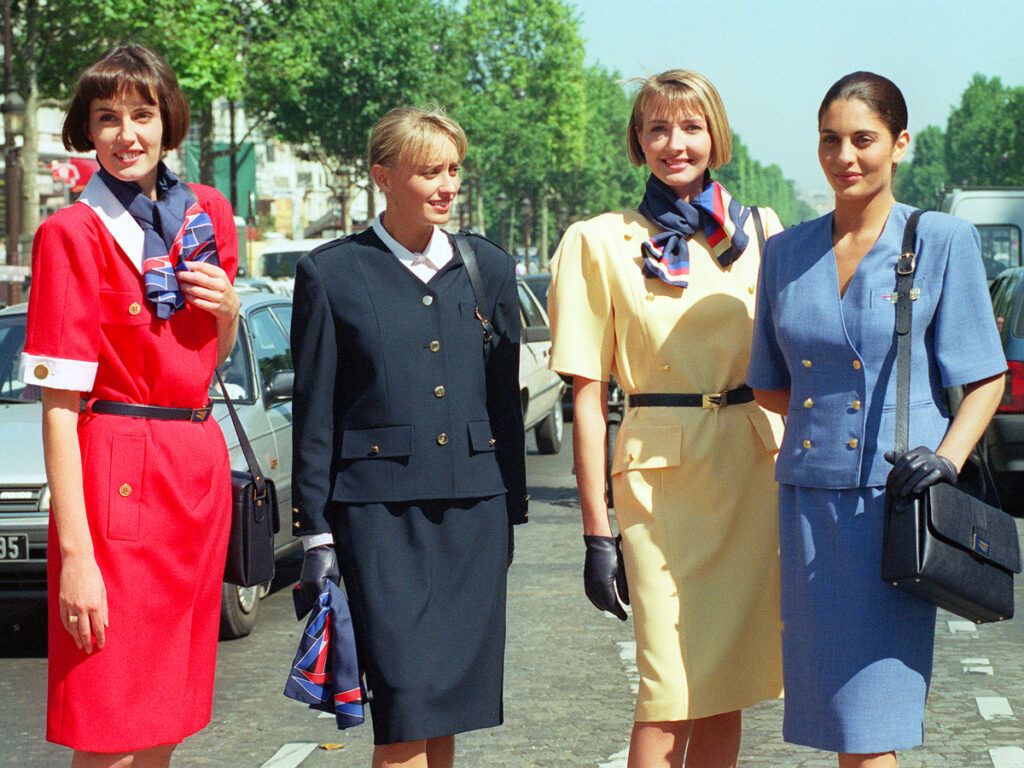
Following deregulation in 1978, air travel became a vastly more affordable mode of transportation, and airlines shifted their focus from marketing sex appeal to competing on price. Reflecting the era of mass travel, flight attendant uniforms went from flashy to functional. Fashion in the friendly skies was a lot like corporate fashion elsewhere at the time: Shoulder pads, wide-shouldered blazers, longer skirts, and pantsuits were common. One highlight of the era came from Air France, whose summery, pastel-heavy uniforms were designed by Louis Féraud.
2000s to present
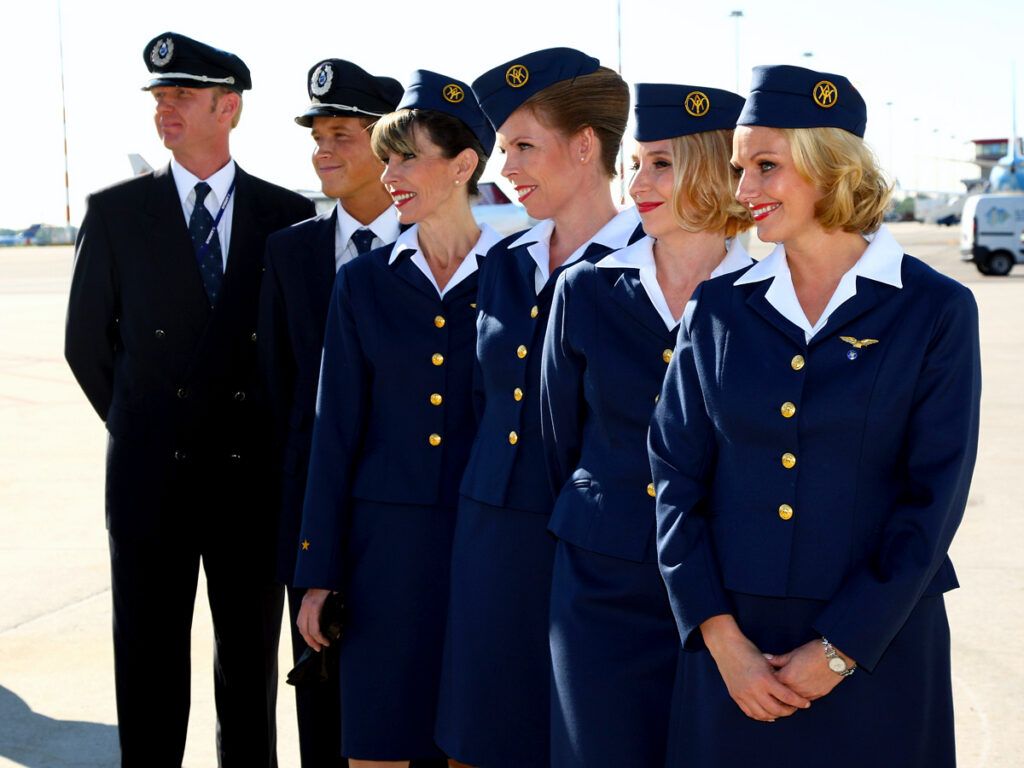
Flight attendant fashion has grown increasingly diverse in the 21st century, especially with international carriers, whose uniforms often reflect their countries’ sartorial standards. In general, though, a focus on chic practicality has come to dominate.
More from our network
Daily Passport is part of Inbox Studio, an email-first media company. *Indicates a third-party property.