






Not Declaring This Item at Customs Can Get You a $300 Fine
Not Declaring This Item at Customs Can Get You a $300 Fine


With travel costs as high as they are, the last thing you want is to incur unexpected fees or fines. But going through customs with certain undeclared items could make your trip even more expensive. And potentially hazardous objects like firearms, drugs, and alcohol aren’t the only cargo you should worry about. Many everyday goods can get you in trouble with customs agents, including a type of item that’s easy to find at your local grocery store.
One Bad Apple Can Spoil the Bunch
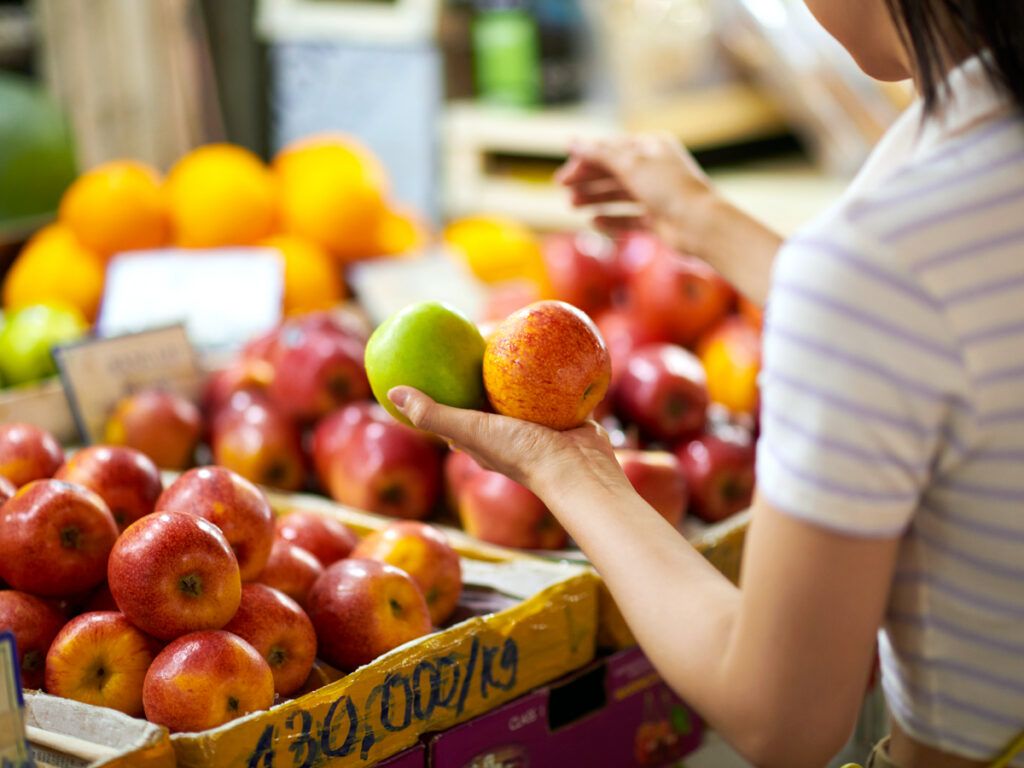
In order to prevent invasive pests and diseases, travelers entering the U.S. (and those traveling between Hawaii and the mainland) must declare all agricultural items at customs. That includes fruits and vegetables — for example, that apple you bought at an international airport before takeoff, the farm-fresh tomatoes you purchased in the Italian countryside, or that bunch of bananas you picked up from a Hawaiian supermarket. Even if these products aren’t necessarily prohibited (though in many cases, they are — more on that below), fruits and vegetables still need to be declared and inspected by a customs officer before they can be cleared.
This applies when flying back to the U.S. mainland from international destinations and overseas states and territories, such as Hawaii, Puerto Rico, and the U.S. Virgin Islands. Regulations vary depending on which destinations you’ve visited, so, for instance, a fruit that’s banned when coming from Hawaii may be permitted if traveling from Canada.
The reason for these strict rules is that many fruits harbor diseases or pests that are not present stateside. If introduced to the U.S., those stowaways could wreak havoc on the country’s agricultural sector, resulting in millions of dollars’ worth of damages. According to U.S. Customs and Border Protection (CBP), whether or not a fruit is permitted “depends on where you got it and where you are going after you arrive.” It’s up to the agent’s discretion to determine if a declared fruit is allowed into the country.
If you fail to declare a fruit and the customs agent discovers it, you’re subject to fines of $300 for that first offense and up to $500 for a second violation. Failure to declare fruit could also result in the revocation of Global Entry status for members of that program. Any undeclared fruit will be thrown out, even if it would have been allowed had you declared it in the first place.
It’s Not Just Fruit…

All agricultural products must be declared at customs, whether it’s fruits, veggies, plants, seeds, meats, or even handcrafted souvenirs made of agricultural materials such as straw. It doesn’t matter if you got away with packing a similar item on your last trip, or if the vendor insisted their product is safe; declaring any and all items in this category is the only sure way to avoid potential fines.
Food items that are typically permitted (but should still be declared) include condiments, oils, honey, dried coffee and tea, butter, cheeses, and seafood. While these goods are less likely to harbor harmful pests, declaring them is still a good idea. If you declare an item and the customs officer determines it’s not allowed in the country, you won’t face any penalties.
Different Locations, Different Rules

Luckily, the U.S. Department of Agriculture makes it clear which food items are outright banned from specific destinations. Let’s break down some common trips and the rules that apply.
When traveling from Hawaii back to the U.S. mainland or Alaska:
- Most fresh fruits, vegetables, and herbs are banned, as are berries of any kind.
- Local Hawaiian fare including kikania, fresh pandanus, and swamp cabbage are also banned.
- However, coconuts are allowed back onto the mainland, as are coffee beans, processed fruits and veggies, treated and sealed fruit, fresh pineapple, and Irish or white potatoes.
- These permitted items still need to pass USDA inspection and be declared before they can be cleared by a customs agent.
When traveling from Puerto Rico or the U.S. Virgin Islands back to the U.S. mainland:
- Generally, fresh fruits, veggies, sweet potatoes, and pigeon peas are prohibited.
- However, the USDA does provide a long list of exceptions online, so be sure to brush up on it before traveling to one of these territories.
When traveling from Canada back to the U.S. by land:
- You’re typically allowed to bring fresh fruits or veggies with you, so long as they meet several conditions.
- The produce must be free of soil, pests, and disease. You must also prove that the item was grown in Canada by providing a receipt or packaging..
- If you’re unable to prove its country of origin, you won’t be allowed to bring the item with you. Declare all such products at the border crossing.
When traveling from other countries back to the U.S.:
- Nearly all fresh fruits and veggies, frozen fruits and veggies, and dried fruits and veggies are prohibited.
- Commercially canned fruits and vegetables are allowed, as long as you declare them on your customs form.
- Also be wary of souvenirs made from agricultural products, as they’re likely to be flagged. You can still declare the item and try to bring it in, but it may get tossed.
More from our network
Daily Passport is part of Inbox Studio, an email-first media company. *Indicates a third-party property.