





What Customs Officers Look for When You Land
What Customs Officers Look for When You Land
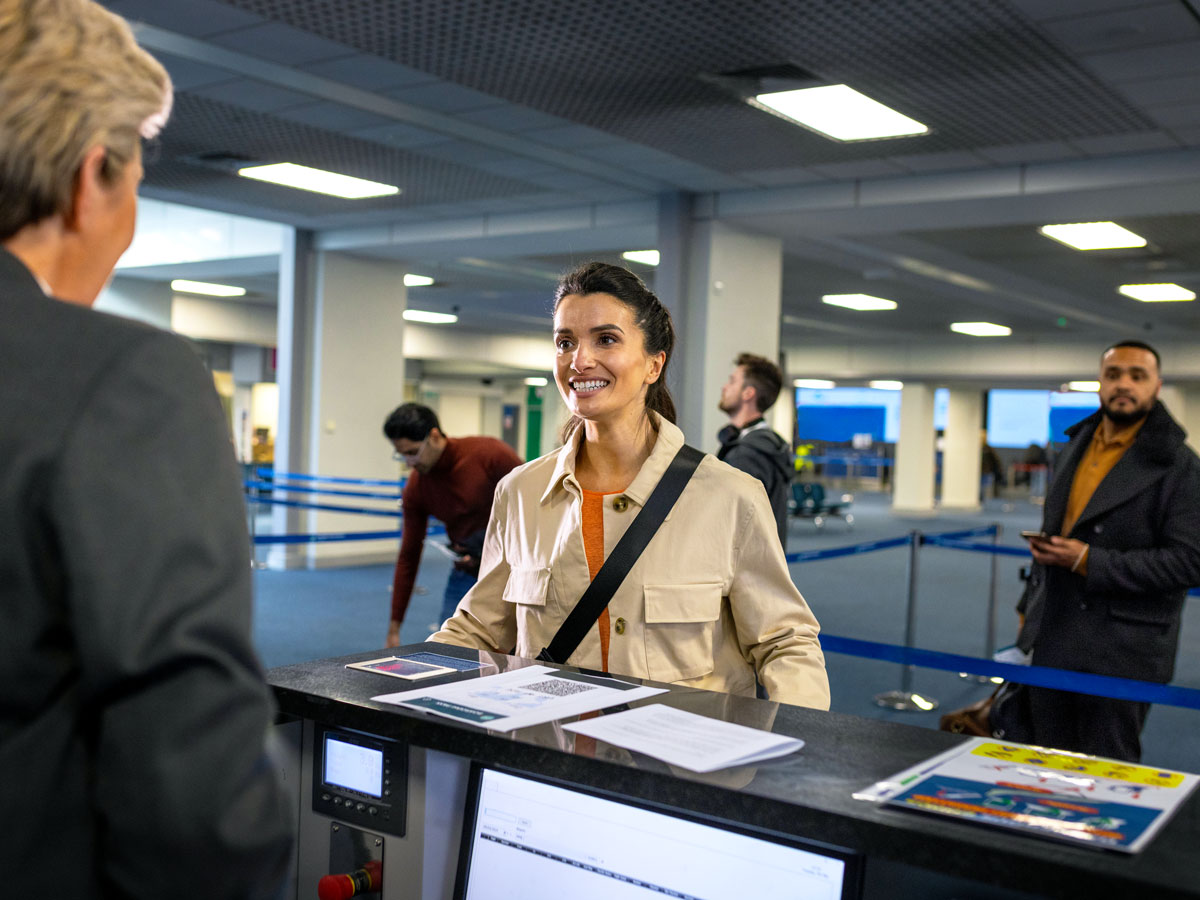

Going through customs can be one of the most intimidating parts of travel. After a long international flight, you have to face the Customs and Border Protection (CBP) officers who are responsible for inspecting arriving travelers and deciding who can enter the United States. The interaction may last only a minute or two, but it isn’t just about that face-to-face moment: CBP officers are trained to assess travelers quickly, using everything from travel records to declarations and even someone’s behavior. Here are a few of the things customs officers look for.
Inconsistencies in What They Already Know
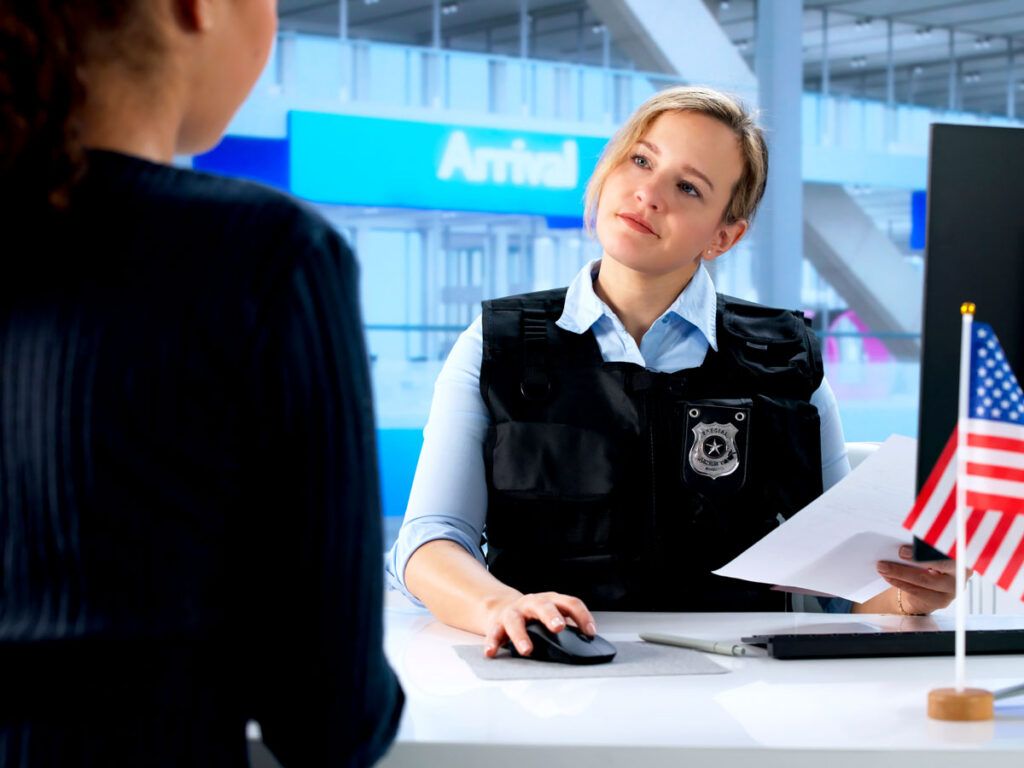
By the time you reach a customs booth, officers already have access to information about your flight, travel history, and declaration forms. Their job is often more about verifying that everything matches up than uncovering new information. Customs officers are trained to compare what you say with the records available to them; typically, they’re looking for inconsistencies that might warrant further questions.
That means those seemingly routine questions — such as where you’re coming from, how long you were away, and what the purpose of your trip was — serve a practical purpose. Officers are looking for whether your answers are clear, consistent, and aligned with what they already know. Of course, inconsistencies don’t necessarily mean you’ve done anything wrong, but they may trigger additional screening to clear things up.
Your Body Language and Behavior

CBP officers note that their assessments begin as soon as a traveler is in front of them. “The things you’re wearing, how your mannerisms are, all of those things can still come into play,” Nick Sunderhaus, branch chief at the CBP Field Operations Academy in Brunswick, Georgia, told Boston public radio station WBUR. Officers’ training exercises often involve actors portraying travelers with different personalities and behaviors, from overly friendly passengers to those who are distracted, evasive, or unusually nervous.
That doesn’t mean avoiding eye contact automatically makes someone suspicious. Officers encounter anxious travelers every day, but they do take note of body language and how someone responds during an interview, cataloging those observations along with everything else they know about the traveler. The best approach is to answer questions honestly and try not to add too much additional chit-chat at the customs booth.
What You Declare
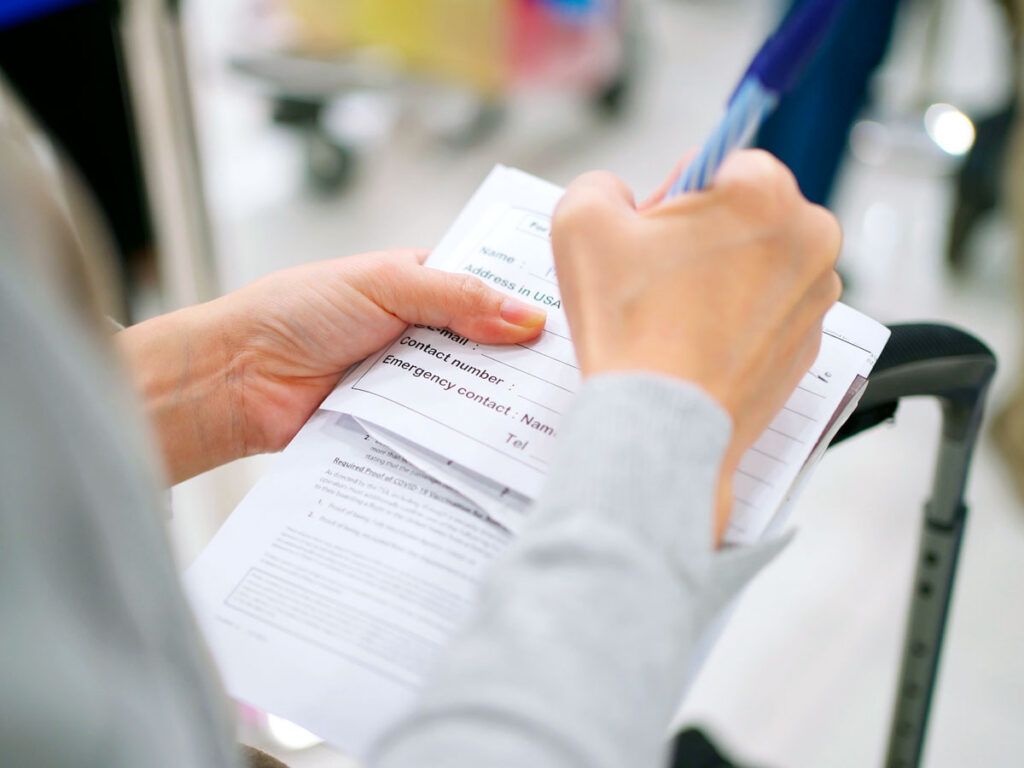
Customs isn’t just about people — it’s also about goods. What you bring into a country is just as much part of the inspection process as who you are or where you’ve been. Customs forms help capture this information: When you fill out your form online or in person, you’ll need to note any food, agricultural products, and other purchases that you didn’t have with you when you left.
Depending on where you’ve been and for how long, travelers usually have a duty-free allowance (often $200, $800, or $1,600). Anything above that — or anything that isn’t properly declared — can be subject to duties or follow-up questions from officers. Items improperly declared could also be taken by customs. The best rule of thumb is an easy one to remember: When in doubt, declare it.
Your Luggage
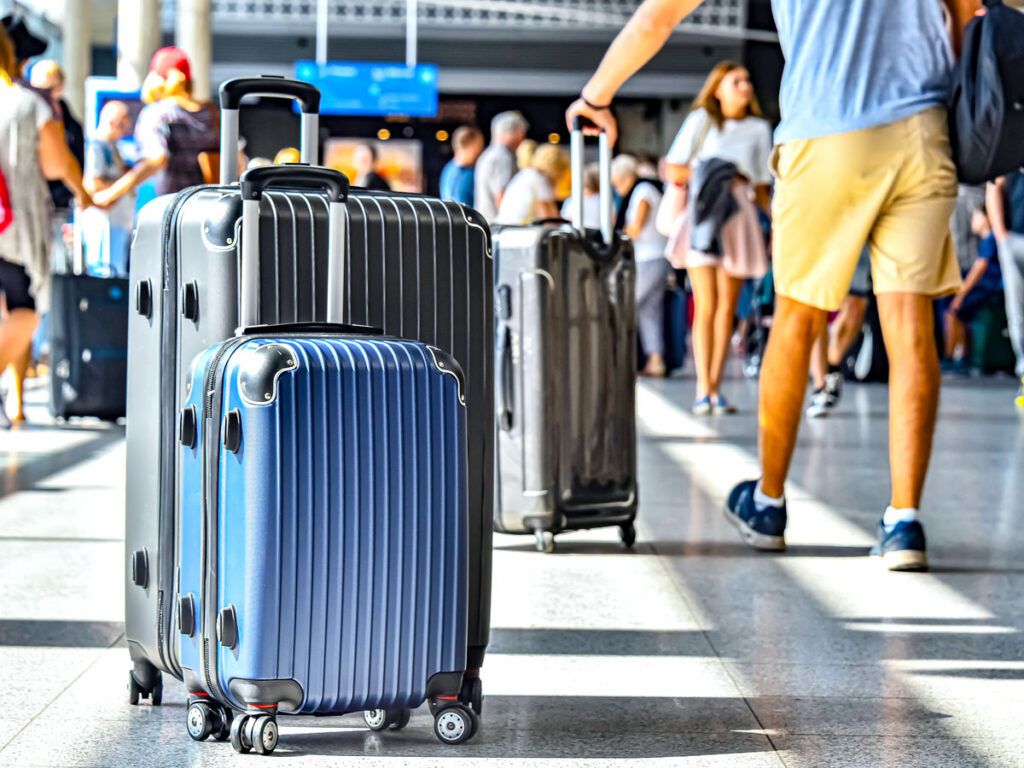
Customs officers will also note whether your luggage aligns with the stated purpose and length of your trip. For instance, a short weekend visit with multiple large suitcases or a long stay with very little baggage may lead to some follow-up questions. Customs officers have the authority to inspect luggage if they feel the need, so it’s important to be truthful about whether or not there’s anything that should be declared in them.
How Prepared You Are
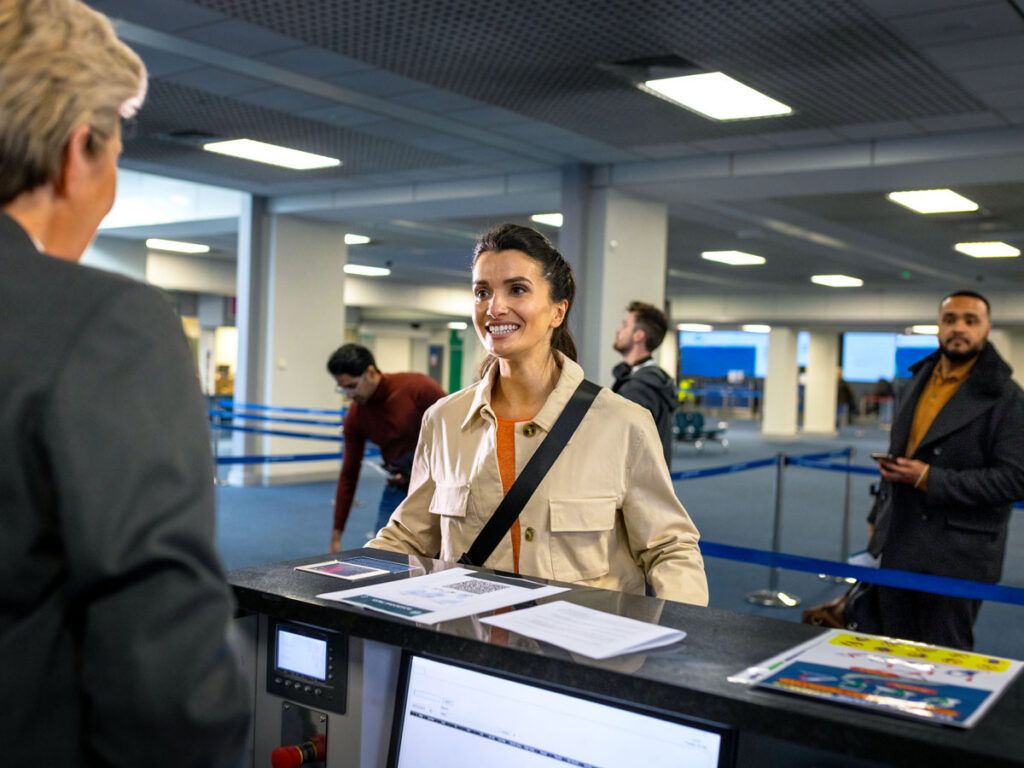
Having your passport ready, knowing the key parts of your itinerary, and being able to answer officers’ questions without hesitation are all part of a smooth customs experience. This preparedness is something officers notice early. Travelers who seem unsure about their own trip details will likely continue to face questions, not necessarily because you’re being treated as suspicious, but because officers are trained to resolve uncertainty.
Another way to try to avoid extra questions or baggage checks is to keep receipts for your purchases handy. Officers may ask to see them when confirming declarations, so being ready and having them on hand will help you enter the country sooner.
More from our network
Daily Passport is part of Inbox Studio, an email-first media company. *Indicates a third-party property.