






10 States With the Cheapest Home Insurance
10 States With the Cheapest Home Insurance

Thinking of planning a big move to another state? There are many numbers to crunch, from real estate prices and property taxes to the overall cost of living in the state you’re moving to. It can be easy, however, to overlook homeowner’s insurance — even though it can add thousands to the annual cost of owning a property, and premiums vary dramatically from one state to another. Rebuilding rates and local insurance markets influence premiums, as does extreme weather. In some cases, homeowners in high-risk areas may face higher deductibles or need separate coverage for hazards such as flooding or earthquakes.
Using data from Quadrant Information Services, LendingTree compared a standardized policy in each state with $350,000 in dwelling coverage, $100,000 in personal liability, $1,000 in medical payments, and a $1,000 deductible. With the important caveat that actual rates will vary by home and homeowner, here are the 10 states with the cheapest average home insurance costs in 2026, according to the LendingTree study.
10. New Jersey
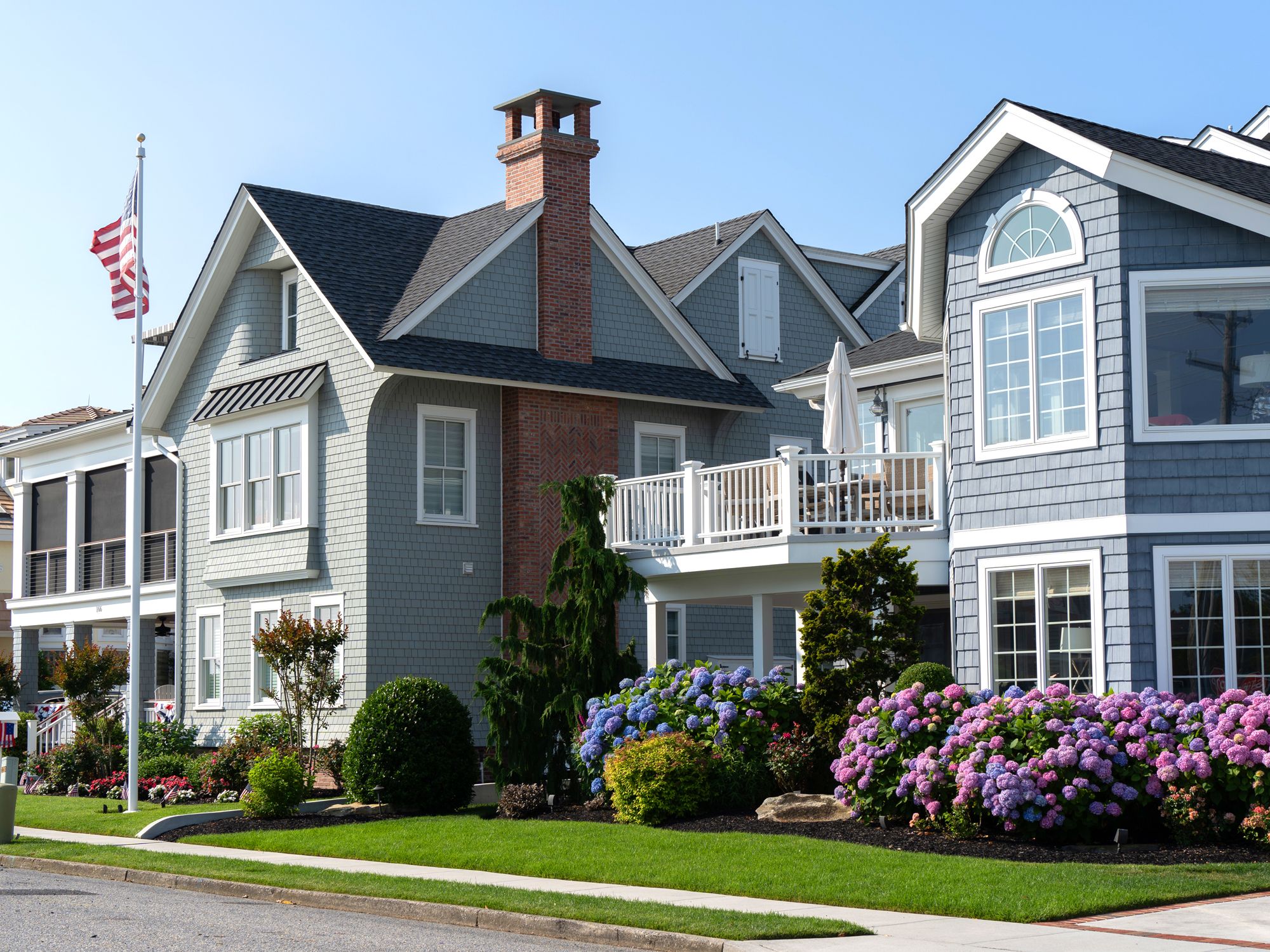
Costing about $1,450 a year, homeowner’s insurance in New Jersey is roughly 40% below the national average. As homeowners near the Atlantic coast likely already know, though, the standard insurance price doesn’t always tell the whole story. Policies can have separate wind or hail deductibles, while hurricane deductibles may be calculated as a percentage of the home’s insured value.
A 5% deductible on a $500,000 coverage limit, for example, would mean paying the first $25,000 of a qualifying hurricane claim out of pocket. Flooding is another consideration: It’s not covered by a standard homeowner’s policy and requires separate insurance.
9. California
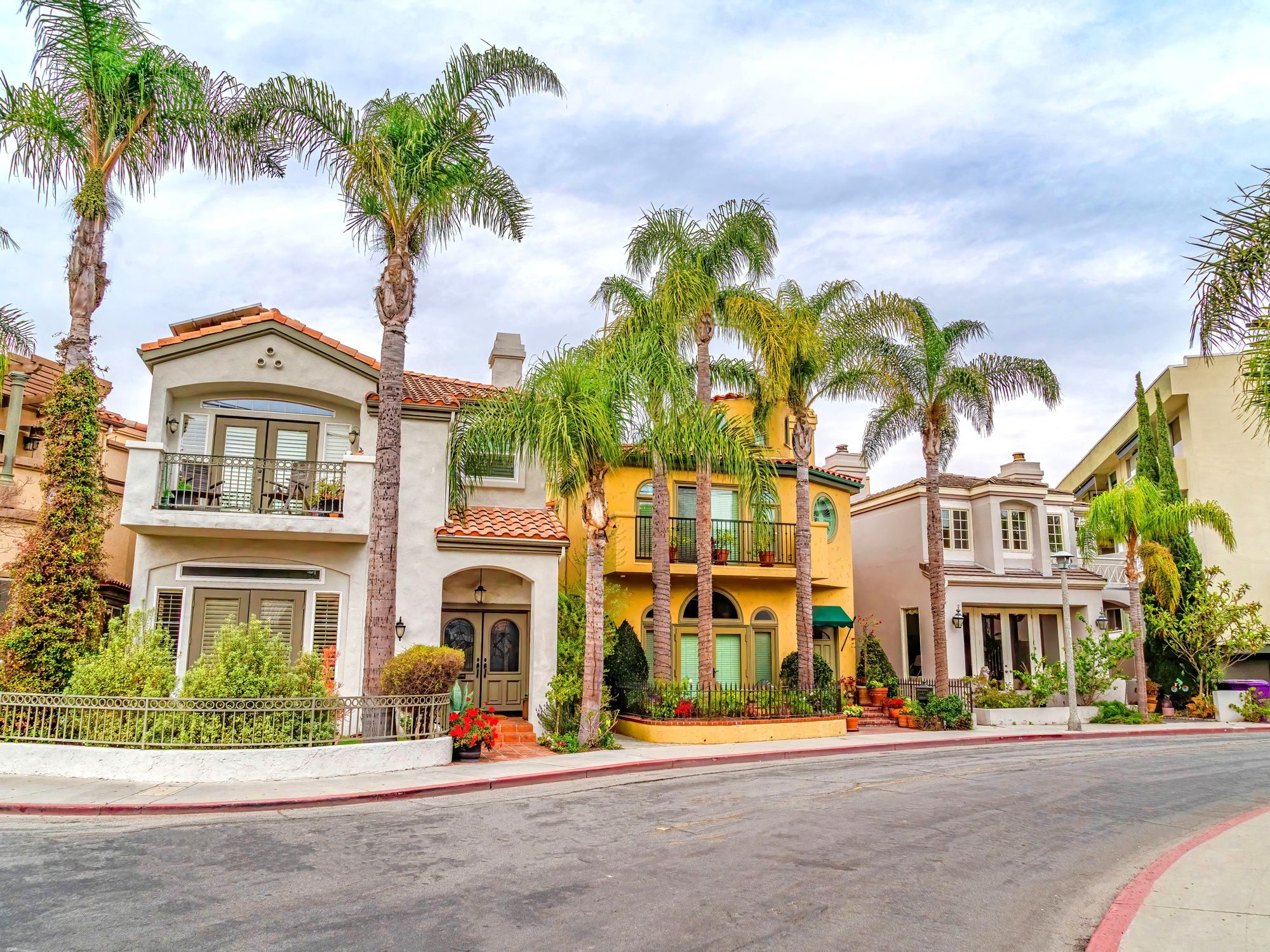
California’s status as one of the cheapest states for home insurance comes with a bolded asterisk. While the statewide average is about $1,400 a year, wildfire risks have made insurance increasingly difficult to obtain.
Major insurers have pulled back from high-risk areas, while the state’s FAIR Plan has become a more common last-resort option for homeowners who can’t find coverage in the regular market. This basic package is much more limited than a traditional homeowner’s policy, and while you can add coverage to fill some of the gaps, that comes with additional costs.
8. New York
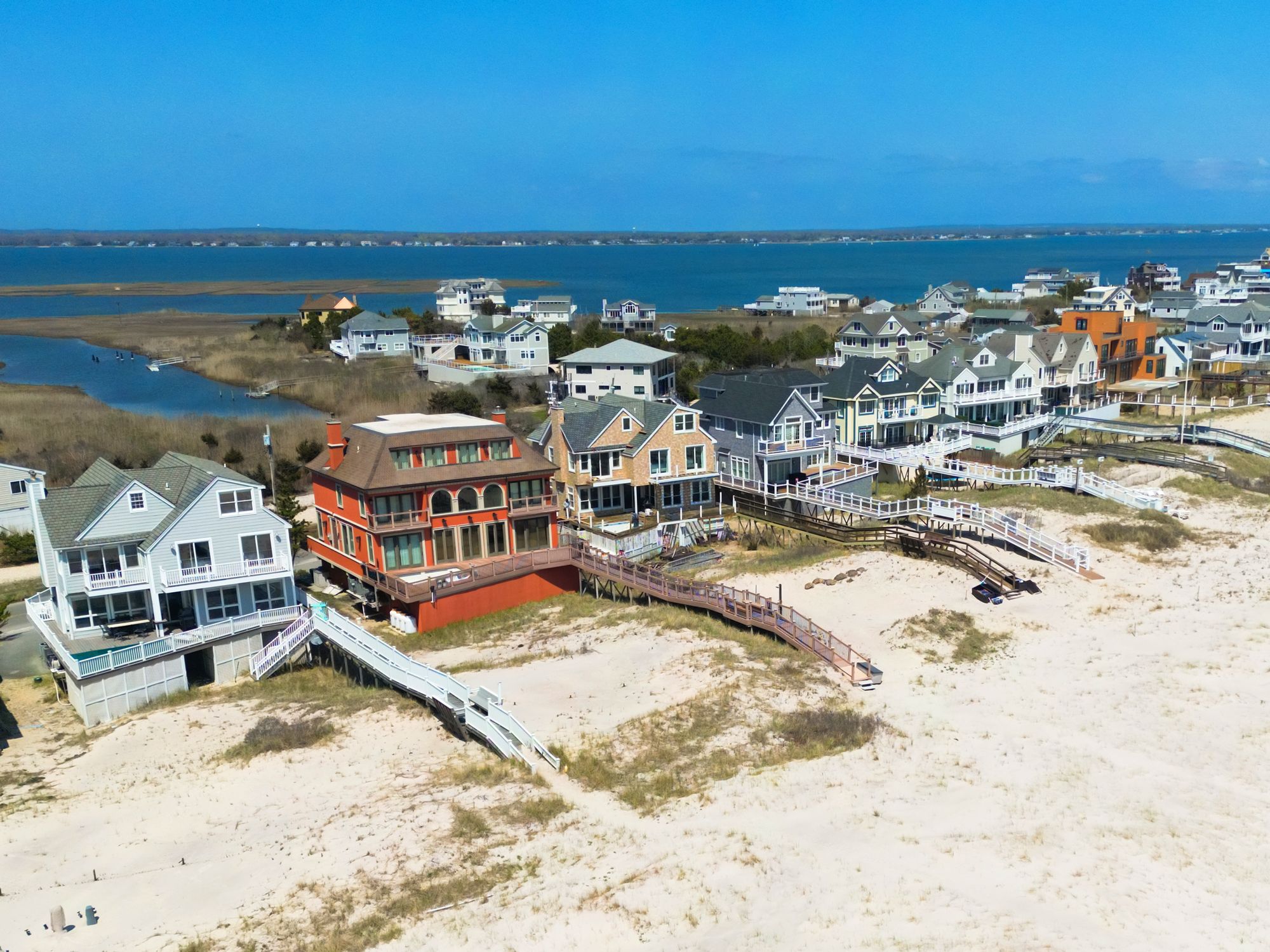
New York’s statewide average home insurance cost of about $1,390 is 42%below the national going rate. But the wide range of hazards homeowners face from Manhattan to the Adirondacks means that insurance calculations can vary wildly. Some insurers require hurricane deductibles in parts of New York City and Long Island, with numbers commonly ranging from 1% to 5% of the home’s insured value.
Flooding is a concern, too: Standard policies generally don’t cover flood damage, and more than a quarter of flood claims come from outside mapped high-risk floodplains, according to New York’s Department of Environmental Conservation.
7. Alaska
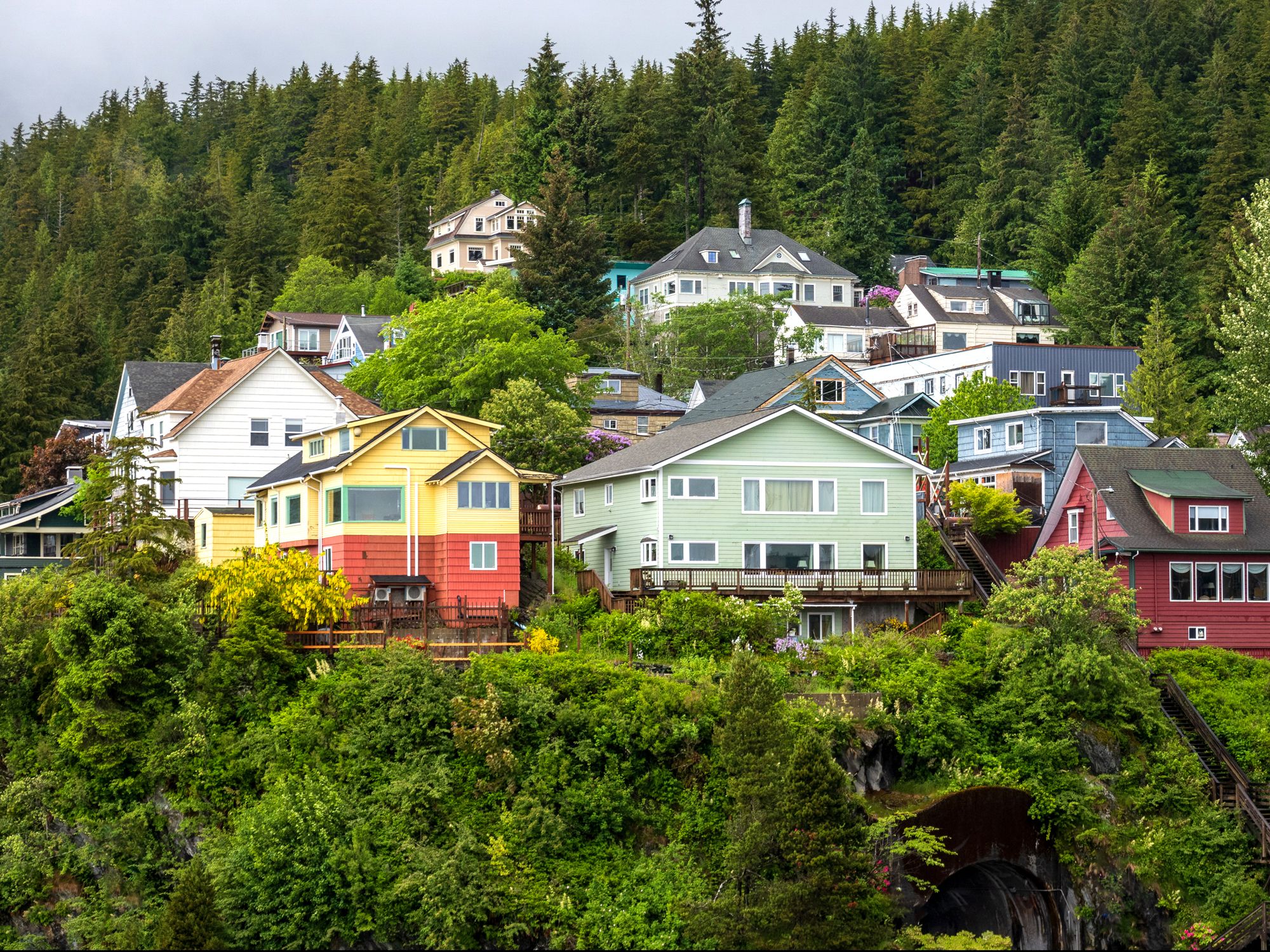
Alaska experiences more earthquakes than any other U.S. state — a good reminder that a low insurance premium doesn’t always mean a low-risk home. While the average annual cost hovers around $1,360, a standard homeowner’s policy doesn’t typically cover earthquake damage. But homeowners can purchase separate earthquake insurance to protect the house and, depending on the policy, even personal belongings. If you’re considering a move to Alaska, the type of home you buy and its precise location may be more important factors to weigh than the statewide insurance average.
6. Oregon
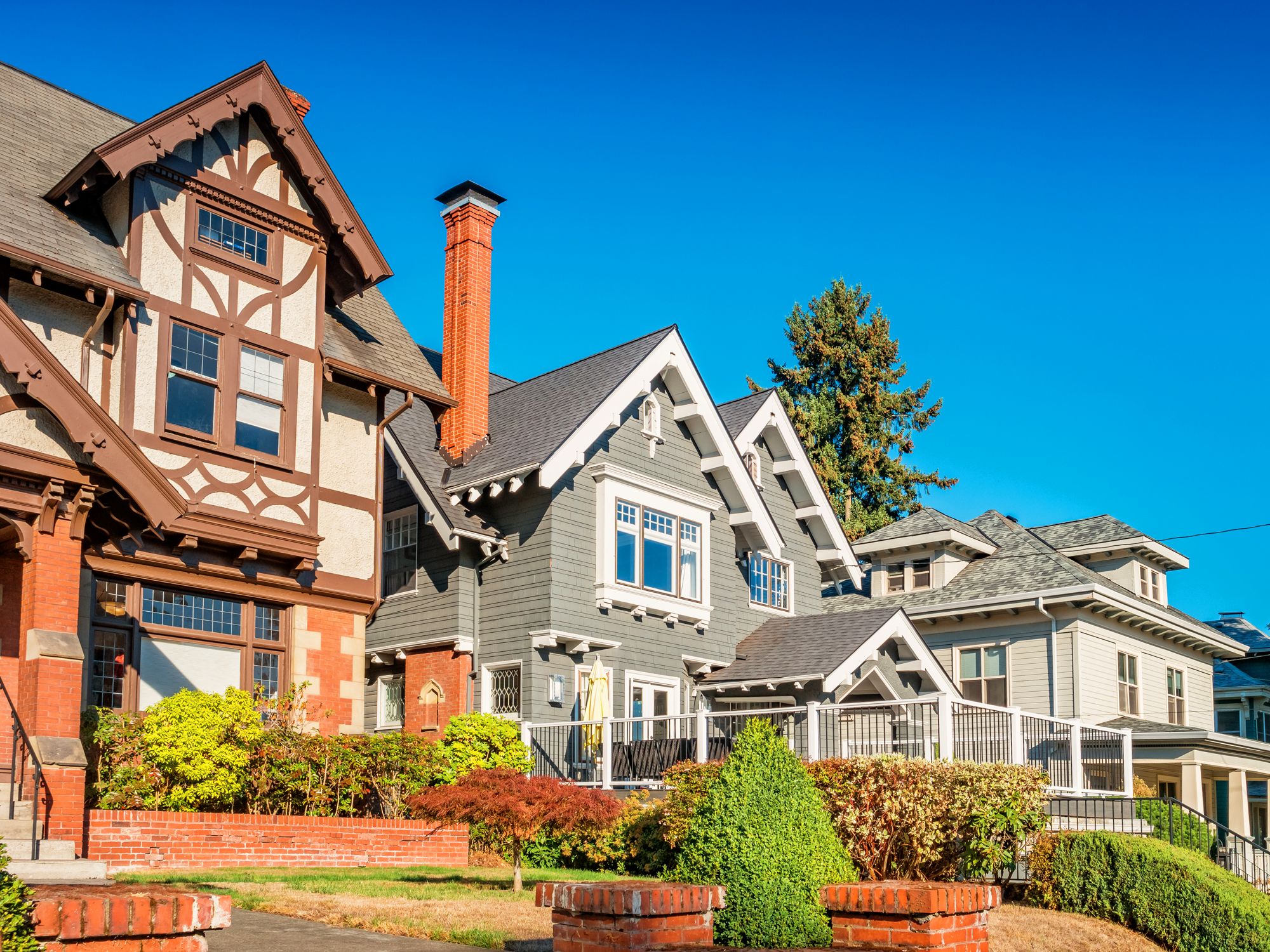
Oregon’s $1,350 average cost of homeowner’s insurance may seem attractive on the surface, but buyers should pay attention to what isn’t included in a standard policy. The state’s insurance regulators have specifically urged homeowners to consider additional flood and landslide coverage, depending on where a property sits. And in a state where steep terrain, heavy rain, and wildfires are real threats, the extra expenses are certainly worth considering.
5. Maine
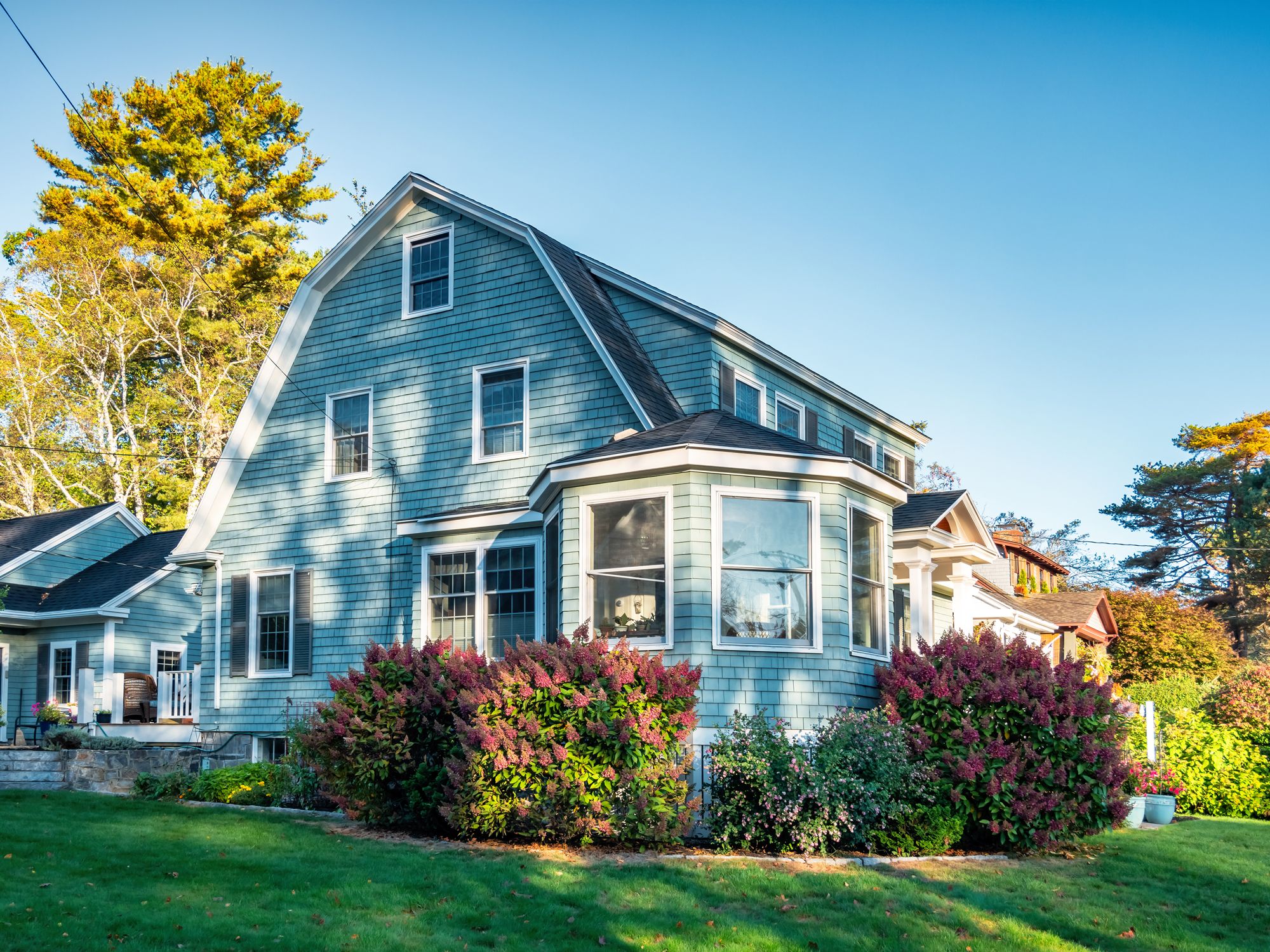
At about $1,280 a year, Maine’s average insurance cost is among the lowest in the country. The Pine Tree State also has one of the nation’s more stable home insurance markets, meaning owners face fewer rate increases than in other states. But there’s an important caveat for prospective homeowners: Flooding is Maine’s most costly natural hazard. Standard homeowner’s insurance doesn’t cover flood damage, and nearly one-third of flood insurance claims in the state originate outside designated high-risk zones.
4. Delaware
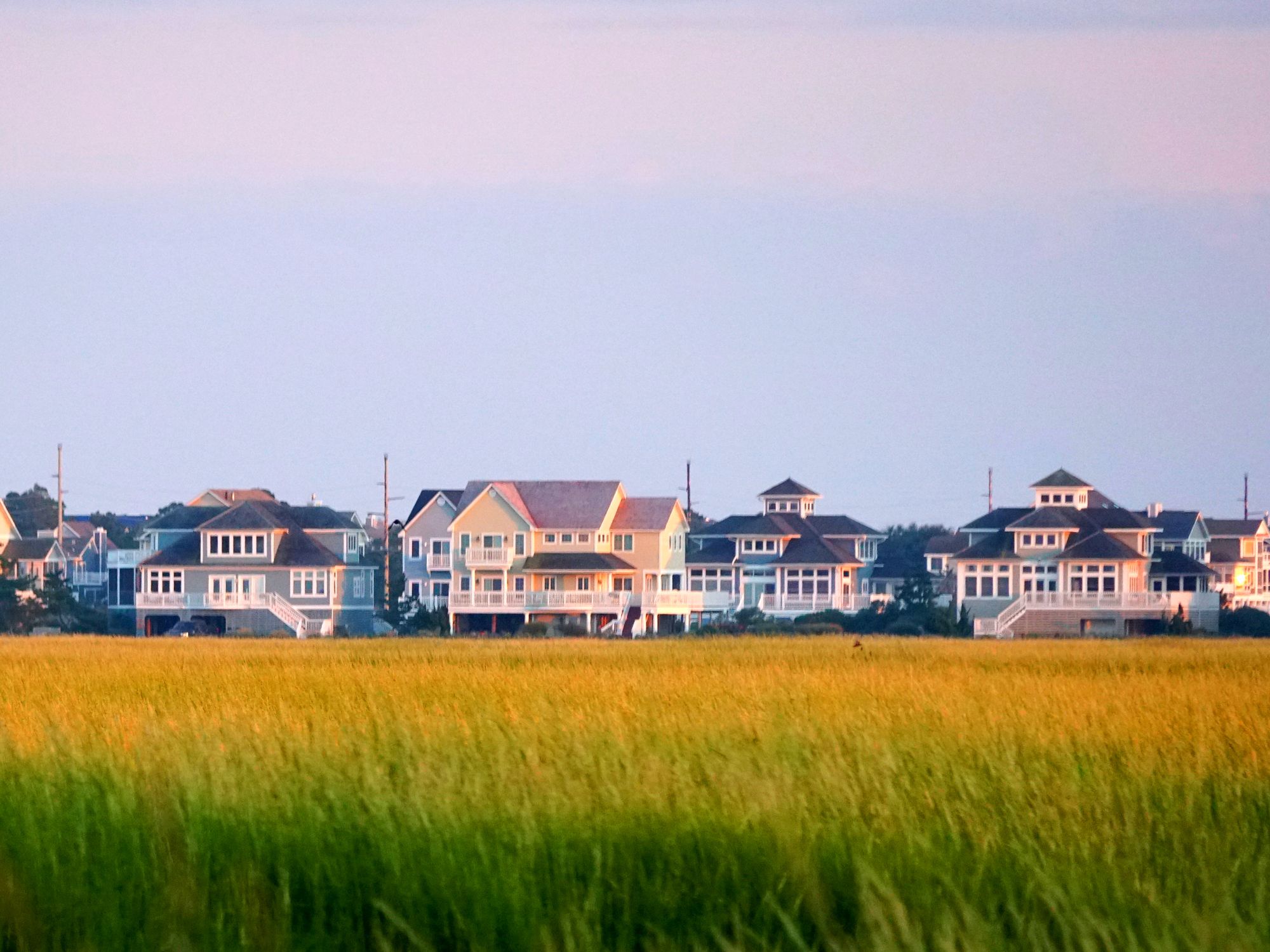
Delaware’s average premium is an impressive 51% below the national average, with a yearly cost of about $1,165. But risk levels aren’t the same across the state. Flooding is a year-round threat, according to Delaware’s Department of Natural Resources and Environmental Control, and coastal areas can be vulnerable to storm surges and tidal flooding.
As a reminder, standard homeowner’s insurance doesn’t cover flood damage, so a separate flood policy may be worth considering. Delaware’s flood insurance premiums can also vary according to the property’s flood risk, age, and construction.
3. New Hampshire
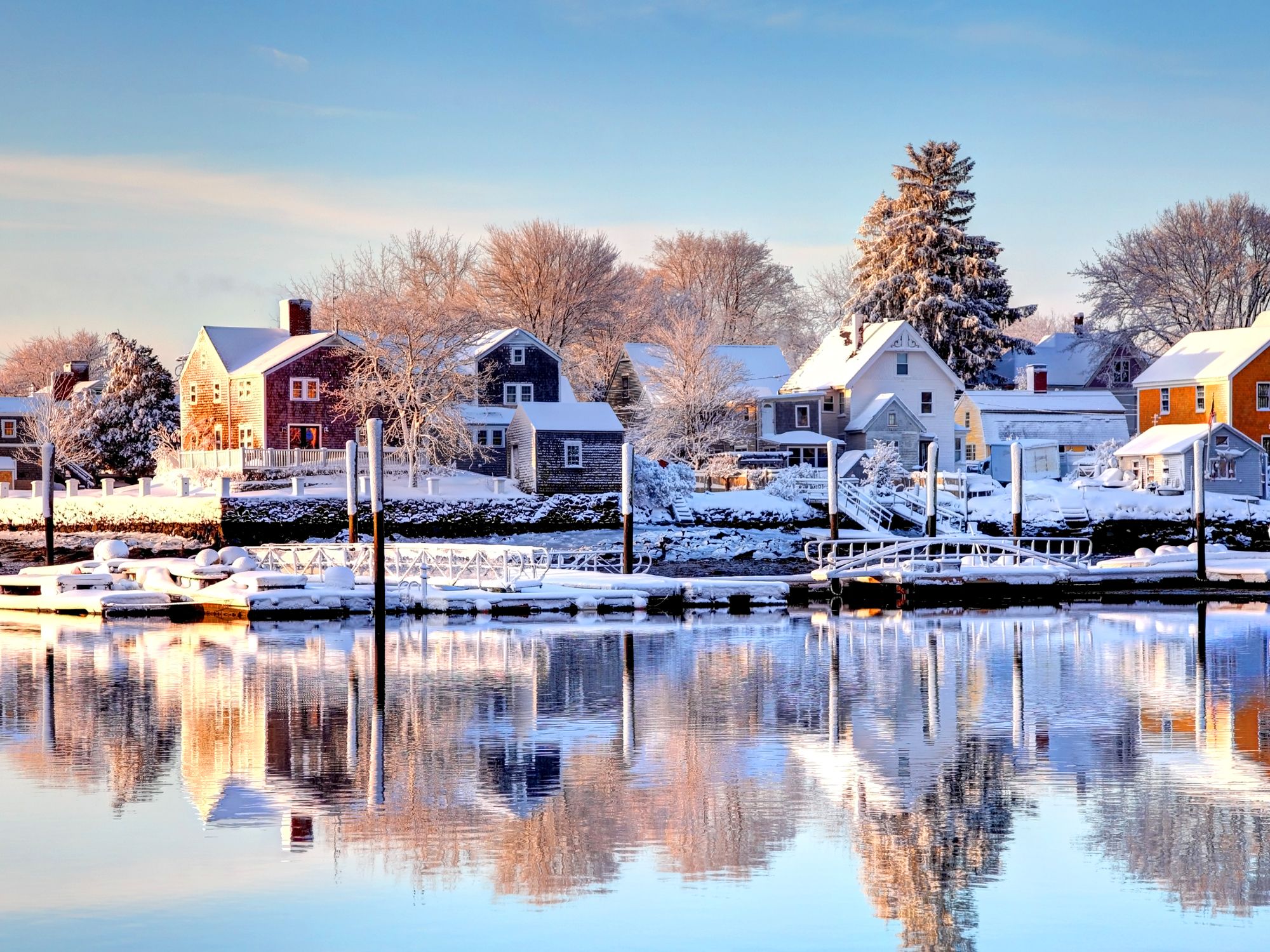
New Hampshire homeowners pay an average of $1,028 a year, less than half the national figure. The state isn’t free from weather-related headaches, of course: Nor’easters, heavy snow and ice, and freezing temperatures can all cause property damage, while flooding has become an increasing concern in recent years. New Hampshire may not face the same frequency of catastrophic wildfire or hurricane losses as some states, but buyers still need to be cautious when insuring their dream New England property.
2. Vermont
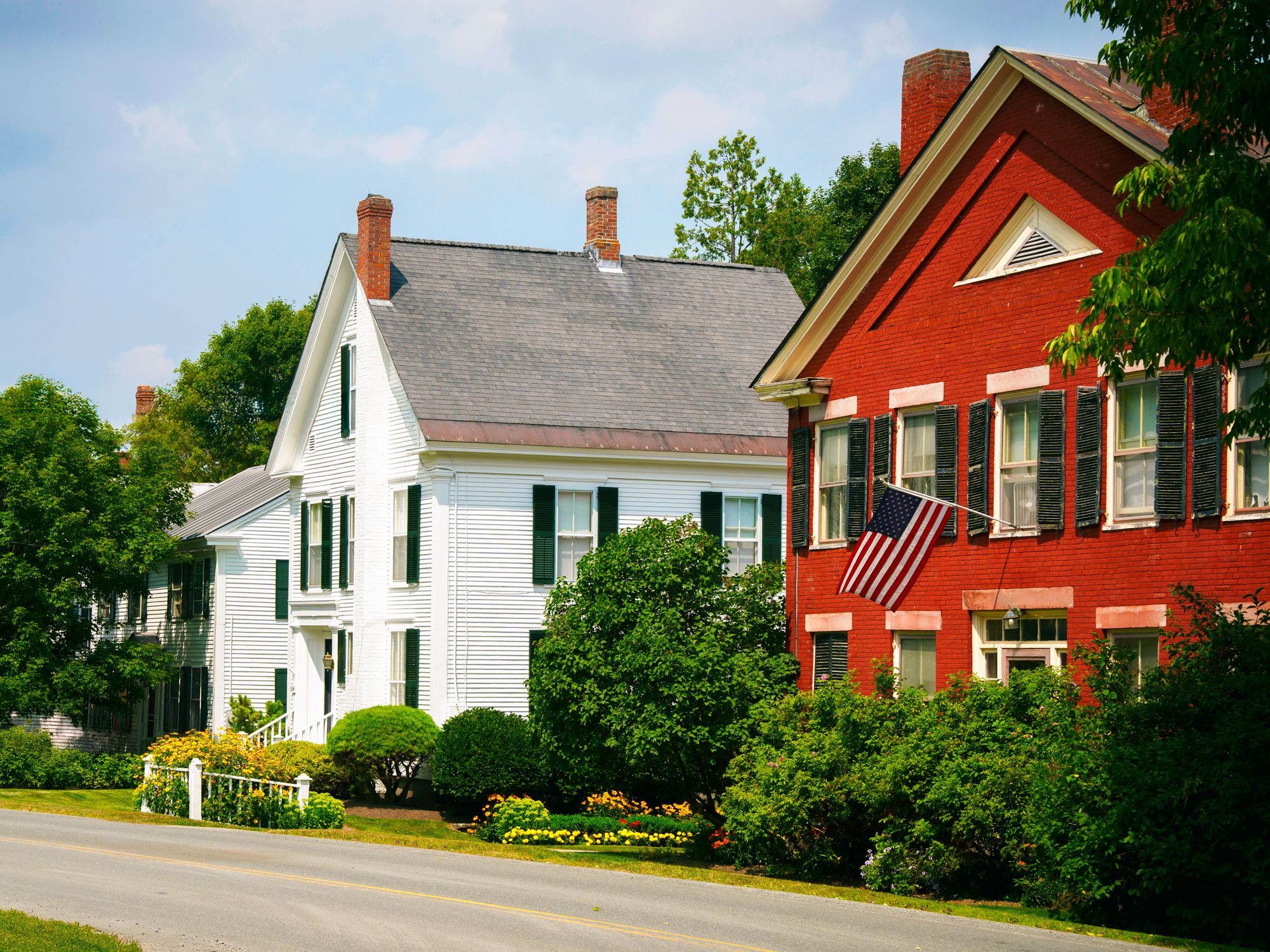
Vermont’s $924 average cost of homeowner’s insurance is about 61% below the national average, but — as with many states on this list — flooding is a big caveat. Vermont’s state insurance department reminds us that most homeowners’ policies don’t cover flooding, and even an inch of water inside a house can cause more than $25,000 in damage — an important figure in a state rich with rivers, streams, and low-lying communities that have indeed experienced major flooding in recent years.
1. Hawaii
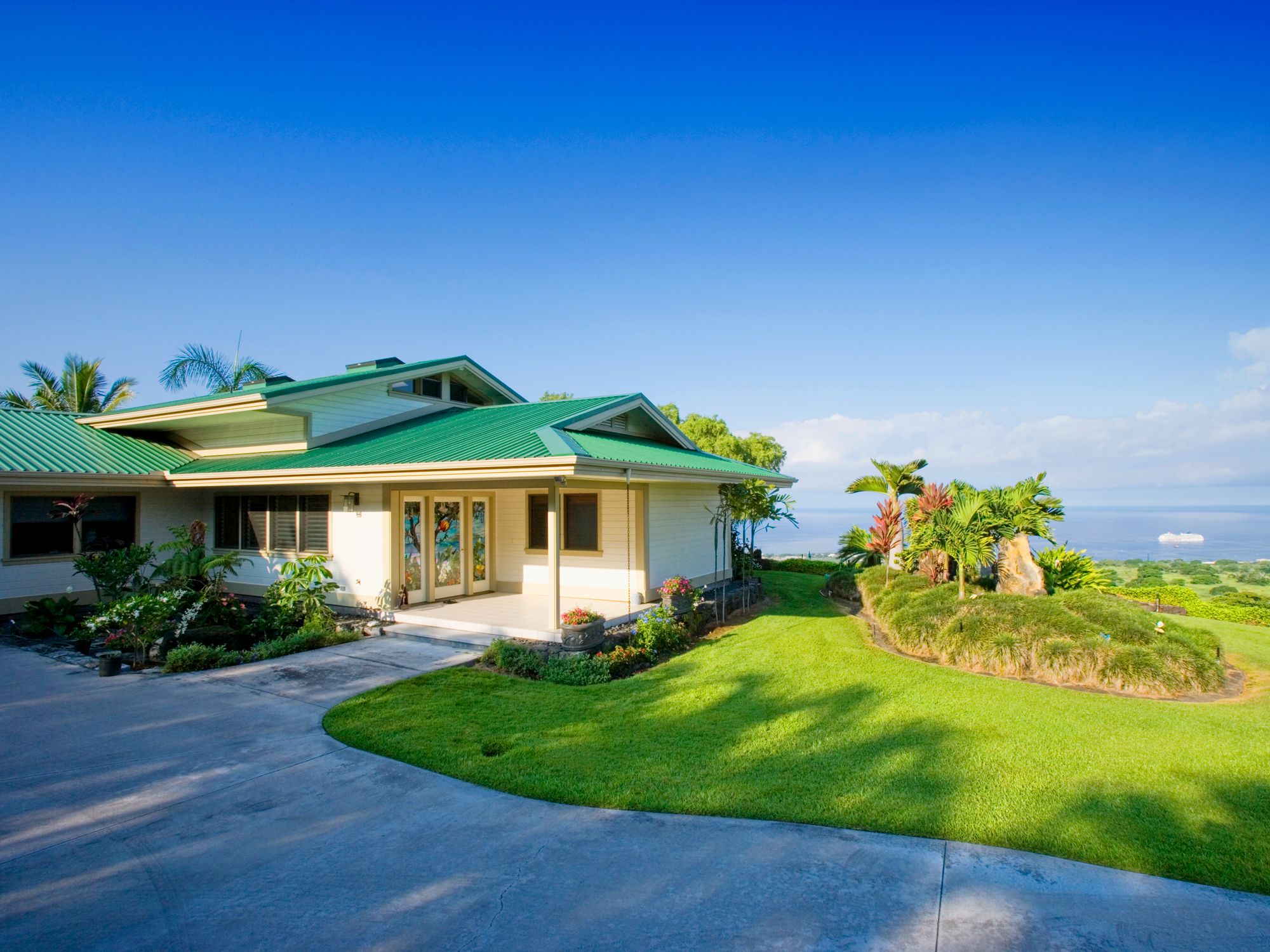
And then there’s Hawaii, where the annual premium is just $801 on average. Of course, island homeowners don’t necessarily get every type of protection for that price. Hawaii’s Insurance Division warns that most standard homeowners’ policies don’t cover hurricane and flood damage, and flood insurance is generally purchased separately.
The state recommends reviewing coverage before hurricane season, as insurers may stop issuing new or expanded policies once a storm is approaching. Hawaii’s low-on-paper home insurance may not quite cover everything homeowners need to feel secure, but every penny helps for a piece of paradise.
More from our network
Daily Passport is part of Inbox Studio, an email-first media company. *Indicates a third-party property.