




Why You Don’t See Microwaves in Hotel Rooms Anymore
Why You Don’t See Microwaves in Hotel Rooms Anymore
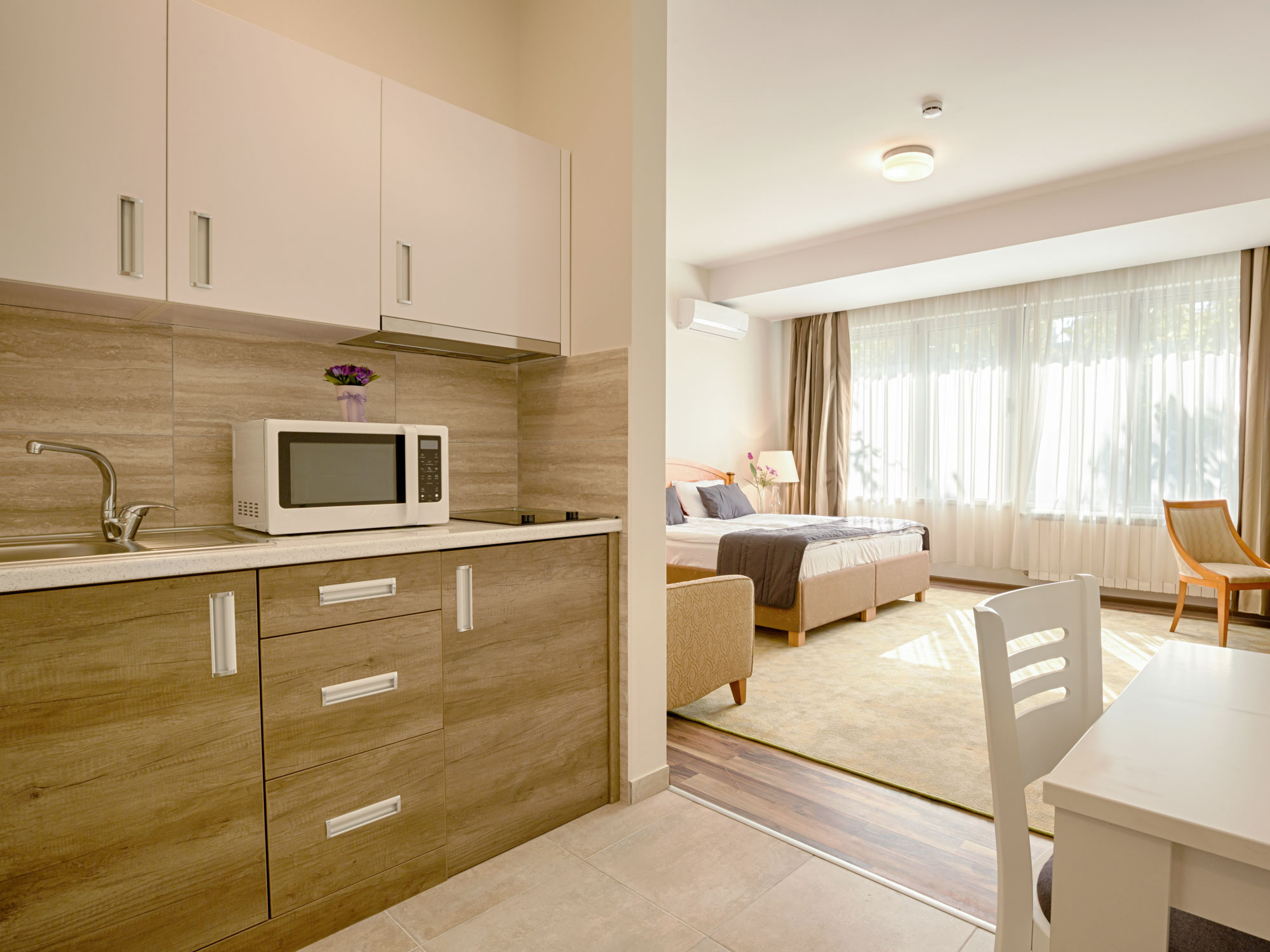

If you’ve traveled recently, you may have noticed a once-common item missing from some hotel rooms: the microwave. The hospitality industry is quick to respond to changing trends, and it would seem that many hotel brands have deemed the microwave nonessential — though budget-minded guests and parents of picky eaters may disagree. So, what are the reasons for the change?
A Micro History of the Microwave
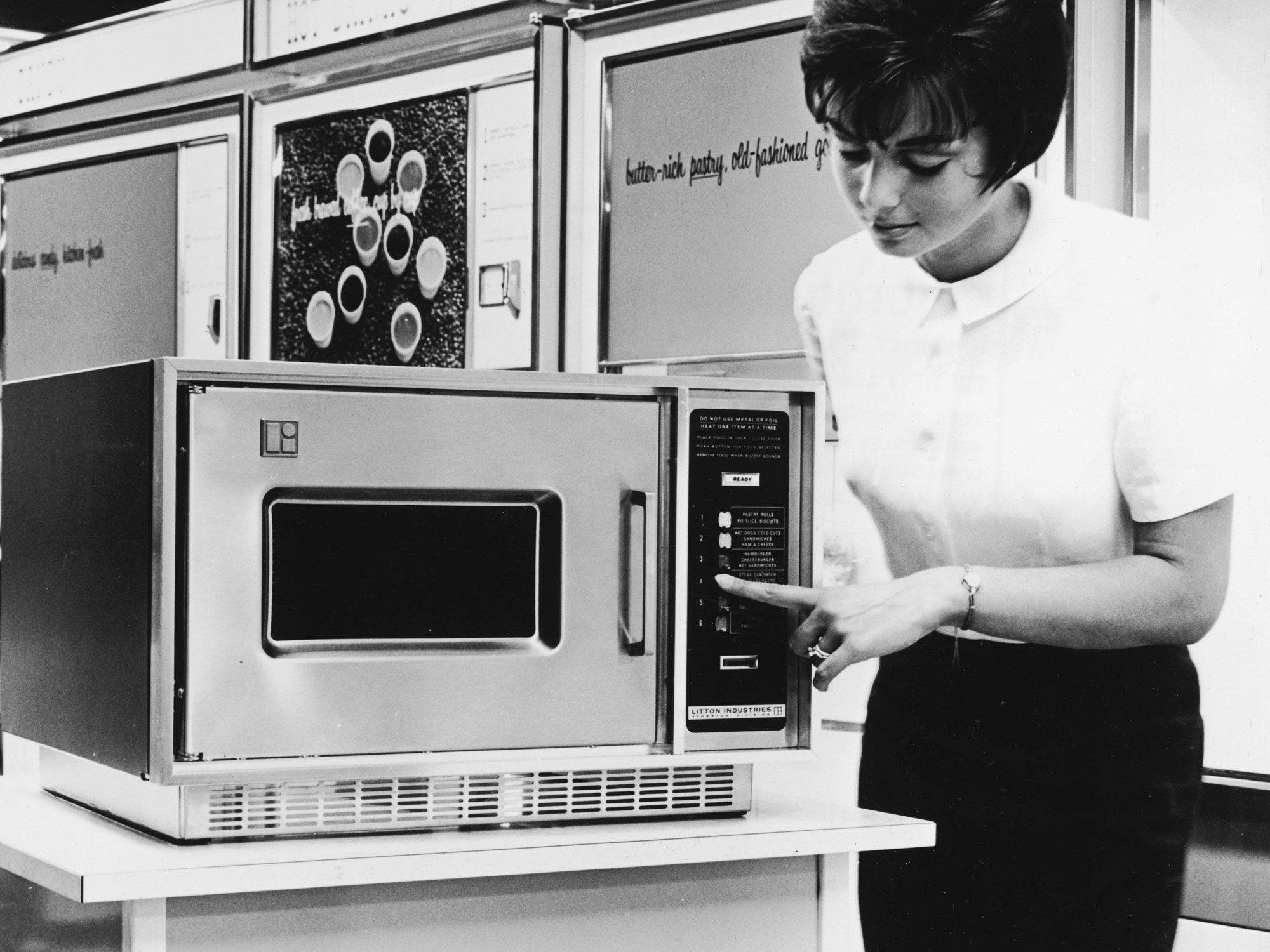
The microwave is a relatively new addition to the kitchen. Though scientists had been using short electromagnetic wavelengths (microwaves) to generate heat for several decades prior to World War II, the technology wasn’t applied to food until 1945. That year, Maine-born physicist Percy Spencer was working as an electrical engineer for Raytheon when he noticed a nearby radar set had melted the chocolate in his pocket. Raytheon filed a patent for “Spencer’s microwave cooking process” and the first microwave oven soon after.
The first commercial microwaves were cumbersome and expensive, and the idea took some time to catch on. It wasn’t until the late 1960s that an affordable, countertop-friendly model was brought to market, and it was another decade before it became commonplace in American homes. Hotels adopted this new technology in their kitchens, but in-room microwaves came later, particularly with the launch of extended-stay brands such as Residence Inn (later acquired by Marriott) in 1975. These days, many brands that specifically cater to travelers planning longer stays still offer microwaves in every room, but that’s not the case everywhere.
Shifting Cleaning Regimens

One reason standard hotel properties don’t offer microwaves is the cost. An easy way for hotel chains to cut expensess and maximize profits is by streamlining operations. Housekeeping is a common target: The daily cleanings that were once standard have been replaced by less-than-daily service or service only by request at many properties.
Where that’s the case, it doesn’t make sense to encourage the consumption of hot food within the room; having leftovers and soiled packaging hanging around for days isn’t pleasant for anyone. Microwaves get dirty easily, can be the source of strong odors, and are hard to clean. In this context, removing microwaves from private rooms and shifting them into common dining spaces makes more sense.
Evolving Eating Habits

Takeout has been an option in the U.S. for over a century, but it’s never been as straightforward to order in as it is today. Delivery apps such as DoorDash and Uber Eats have revolutionized the industry. Travelers who are used to ordering takeout and delivery at home — particularly millennials and Gen Zers — are likely to continue that habit when away.
The variety of dishes available on such apps outcompetes any room service menu, and though the services come with fees, many customers are willing to pay for the convenience. After a long day of traveling, do you really want to go to a store, buy a frozen meal, bring it back to your hotel room, and heat it in the microwave, when you can instead order a better, quicker dinner with just a few clicks?
Considering Different Clientele
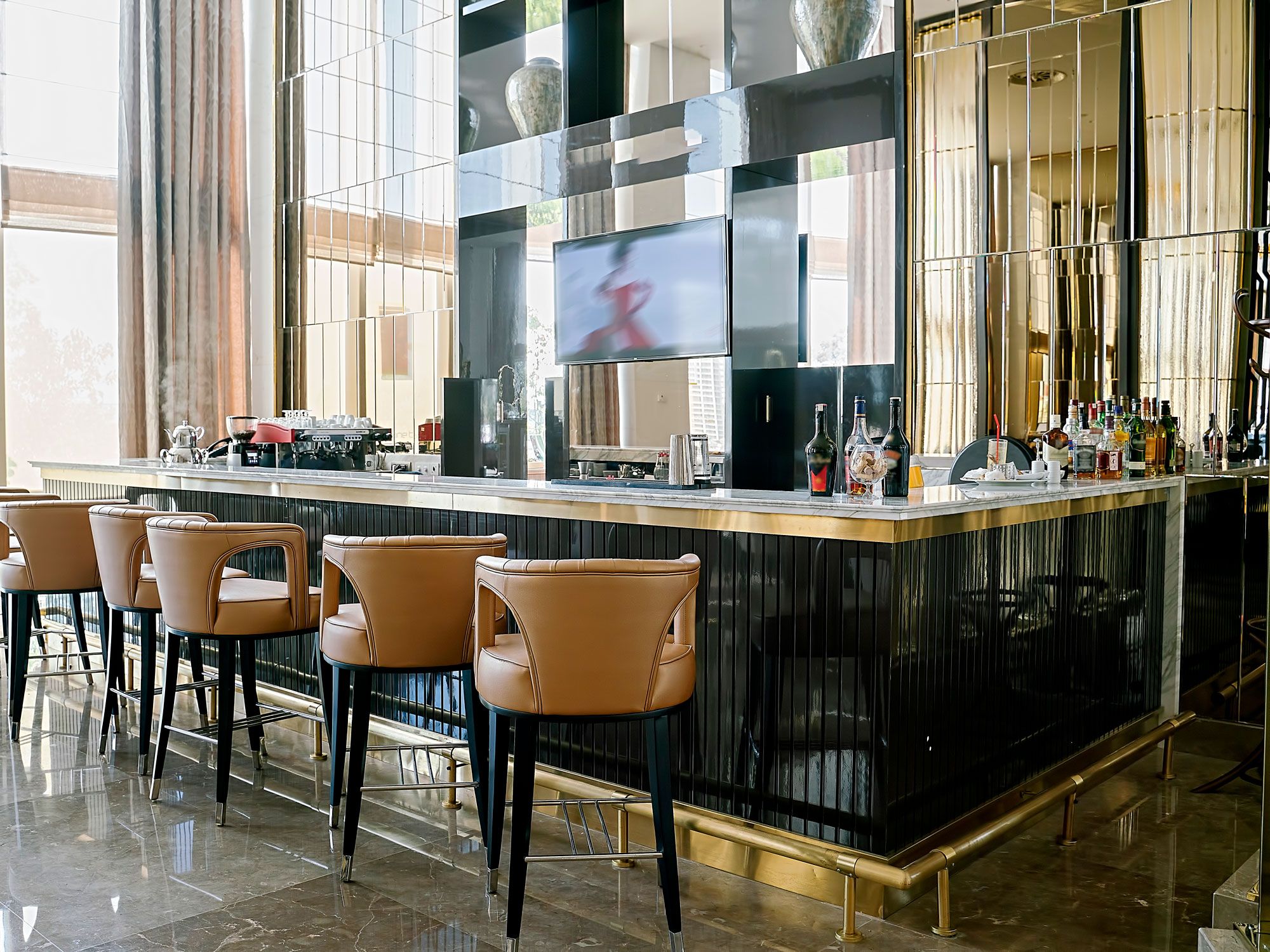
Many upscale hotels style themselves as more than simply a place to sleep — they want to be seen as destinations in their own right. Designers pay a lot of attention to a property’s shared spaces, whether by carefully curating the furniture or highlighting the striking views. The intention is for guests to spend as much time — and therefore money — in such areas as possible.
When hotels have bars, cafés, or restaurants on site, the lack of microwaves in rooms makes sense. In contrast, extended-stay properties and chains catering to cost-conscious travelers are more focused on the basics, so a microwave or kitchenette would still add value for their clientele.
Remove a Microwave, Save the Environment?
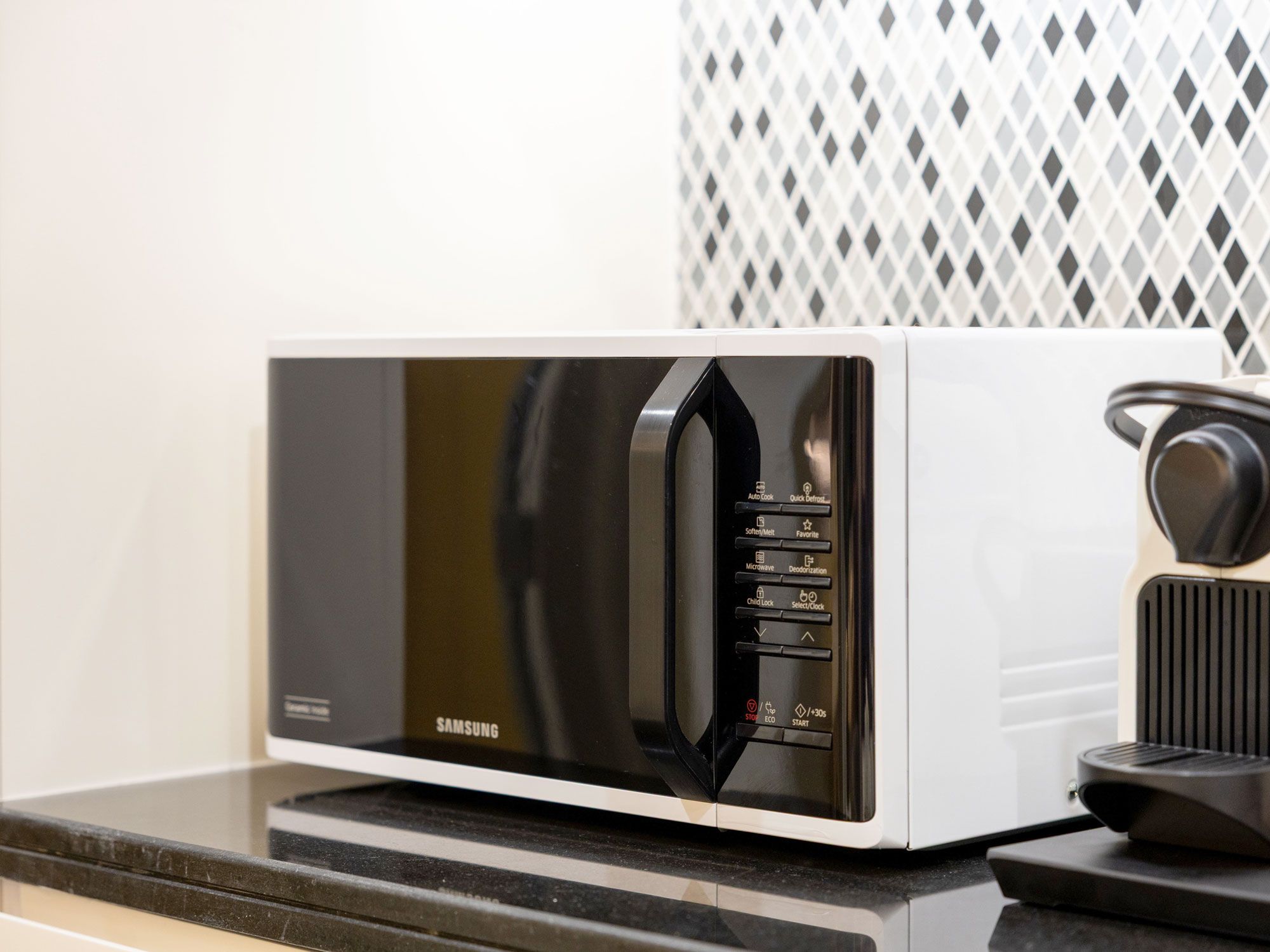
A 2018 academic survey suggested that Europe’s microwave ovens emitted almost as much carbon dioxide per year as 7 million cars. Though the study, carried out by the University of Manchester in the U.K., was widely criticized, the findings still raise the question of how microwaves impact the environment. Some hotels, such as Keweenaw Mountain Lodge in Michigan, have cited environmental concerns and the desire to shrink energy consumption as reasons for ridding their rooms of microwaves.
While the standby wattage of electrical appliances like microwaves is strictly regulated and relatively low, small gains scale up across a large chain. Having only one or two microwaves for all guests to share at a hotel will make the property more environmentally friendly than offering one in each room. Plus, there’s no need to update and replace existing microwaves, which also reduces waste.
More Endangered Hotel Amenities
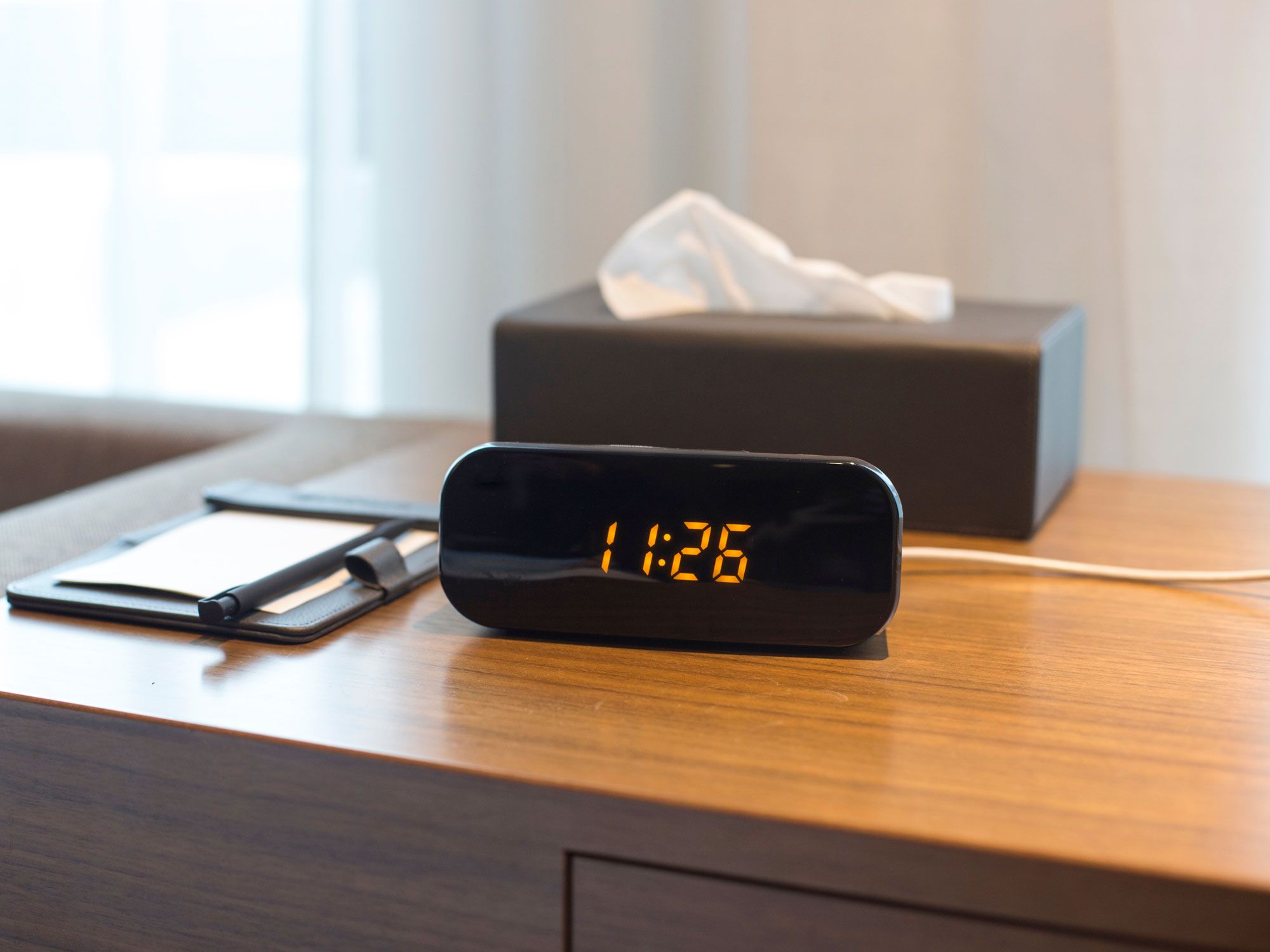
The microwave isn’t the only amenity disappearing from hotel rooms. Thanks to smartphones, which allow you to set your own wake-up call and stream your personal music library, there’s no need for those bulky bedside alarm clock radios. Minibars have also been removed from some properties, as the cost of checking and restocking contents increasingly outweighs the potential revenue gains.
And in the bathroom, you’ll often find wall dispensers in place of small bottles of toiletries as hotels try to reduce their consumption of single-use plastic. Don’t bother asking for an ashtray, either; now that the health risks of smoking are well known, most hotels forbid guests from smoking indoors, either because of company policy or local laws.
Featured image credit: © rilueda—iStock/Getty Images
More from our network
Daily Passport is part of Inbox Studio, an email-first media company. *Indicates a third-party property.