





Does Travel Insurance Cover Weather-Related Cancellations?
Does Travel Insurance Cover Weather-Related Cancellations?
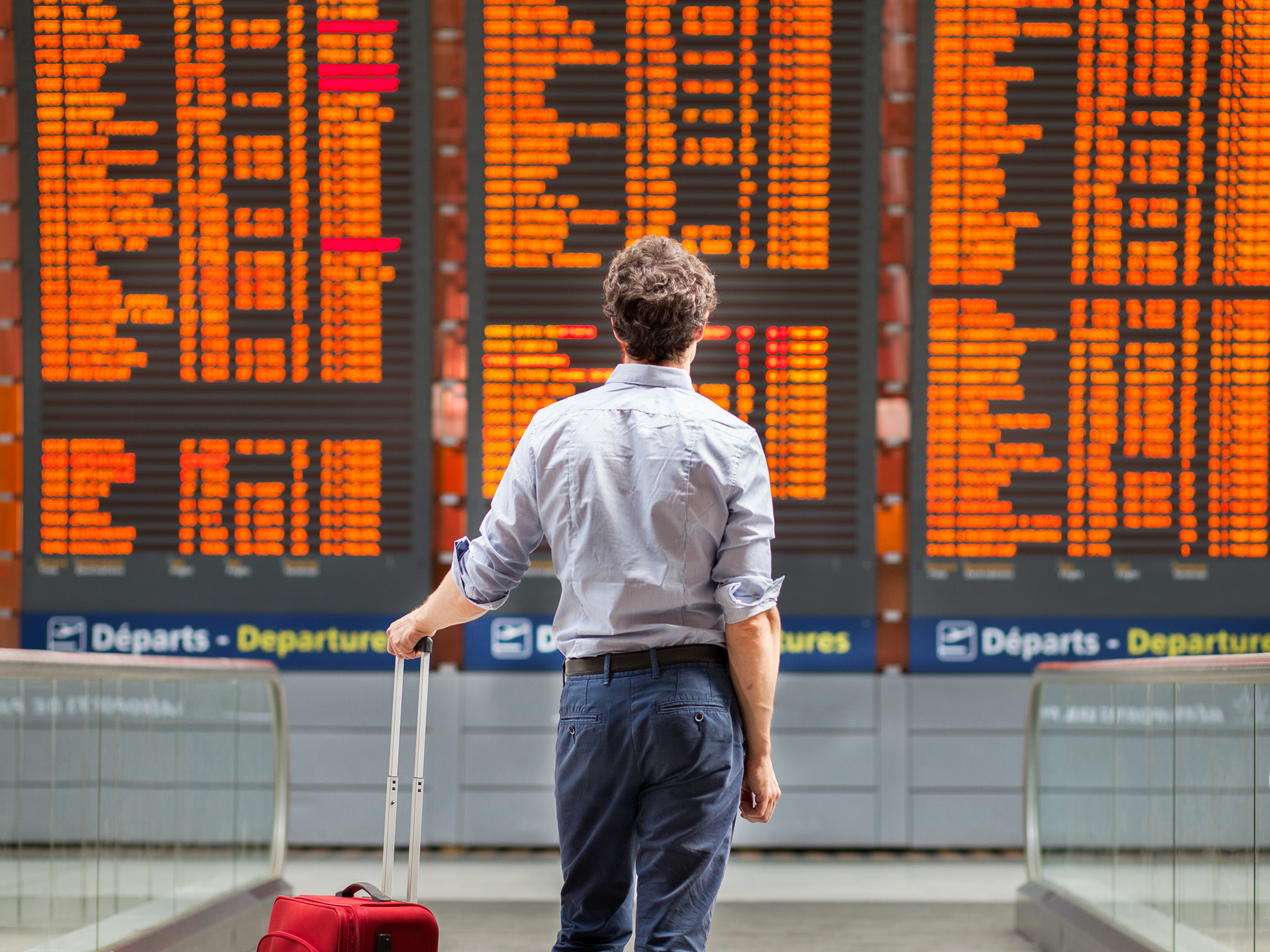

Of all the things that can mess up your travel plans, weather may be the least predictable. Bad weather is often the culprit behind flight cancellations, delays, and other unwanted interruptions to your travel itinerary. And because Mother Nature is 100% out of your control, even the best-laid plans are vulnerable. While travel insurance offers a surprisingly high amount of coverage, there may be some gaps in your policy when it comes to weather-related disruptions. Here are the common pitfalls to look out for.
Is Weather Covered by Travel Insurance?
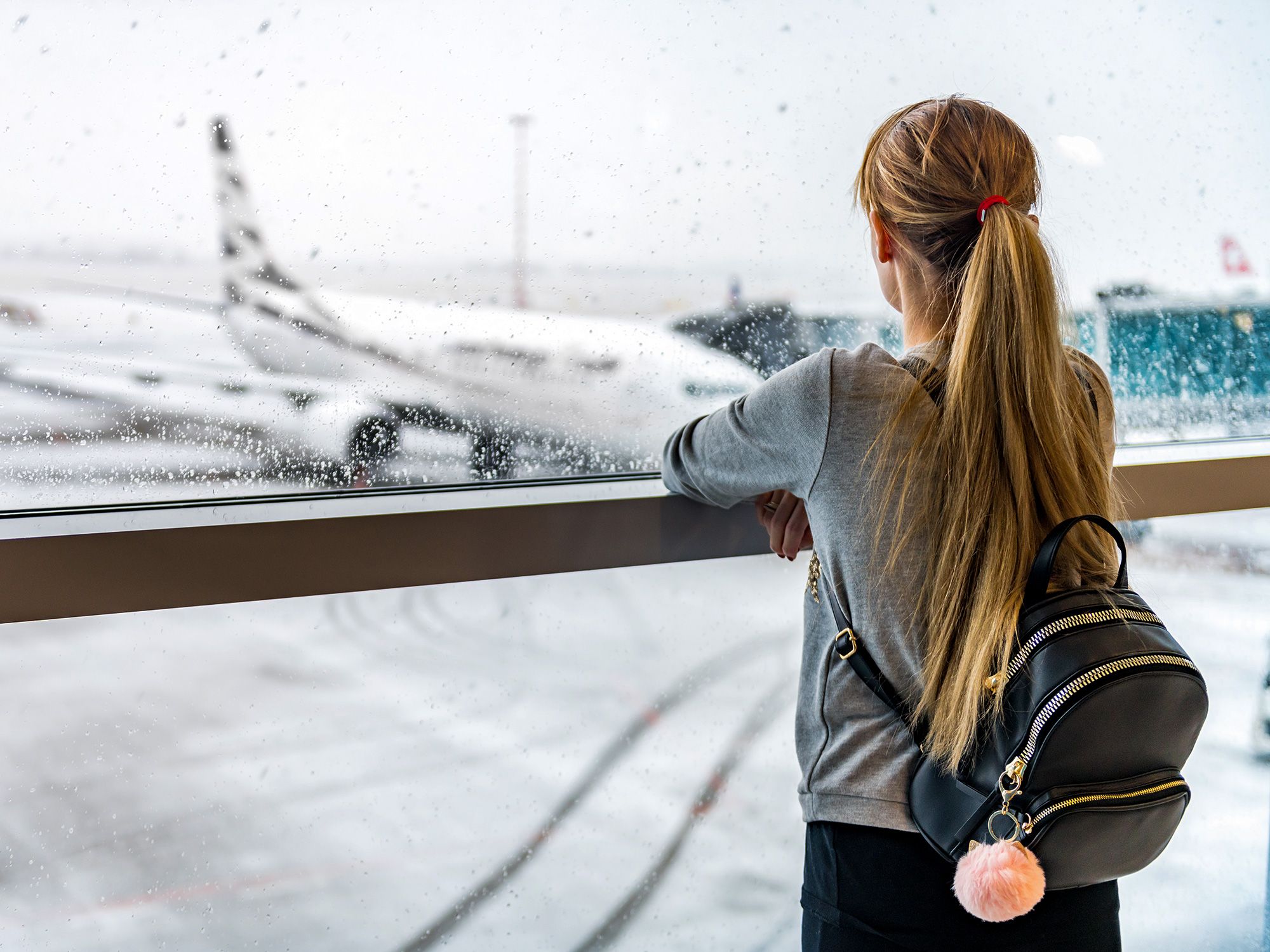
The short answer is: “usually, but it depends.” Travel insurance typically covers weather-related cancellations, but coverage always depends on your specific policy. Most often, a weather event needs to be categorized as “severe,” which is defined by your ability to continue with the trip as planned.
And while policies may cover weather-related disruptions and cancellations, they usually won’t honor someone who chooses not to travel due to a bad forecast. So, if a flight was canceled by the airline due to bad weather, then you’re likely covered, but if you personally chose to cancel your flight due to an oncoming weather event, then you’re out of luck.
Another important distinction in your insurance benefits is whether you’re protected by trip cancellation or trip interruption. Trip cancellation means the trip is canceled before departure, and you can expect coverage for the cost of flights, hotels, cruises, and tours that cannot operate due to inclement weather. Trip interruption refers to weather-related issues that arise after a trip has begun, including mandatory evacuations due to severe weather or natural disasters. To ensure maximum coverage, read your policy’s fine print and make sure it offers both benefits.
Timing Matters
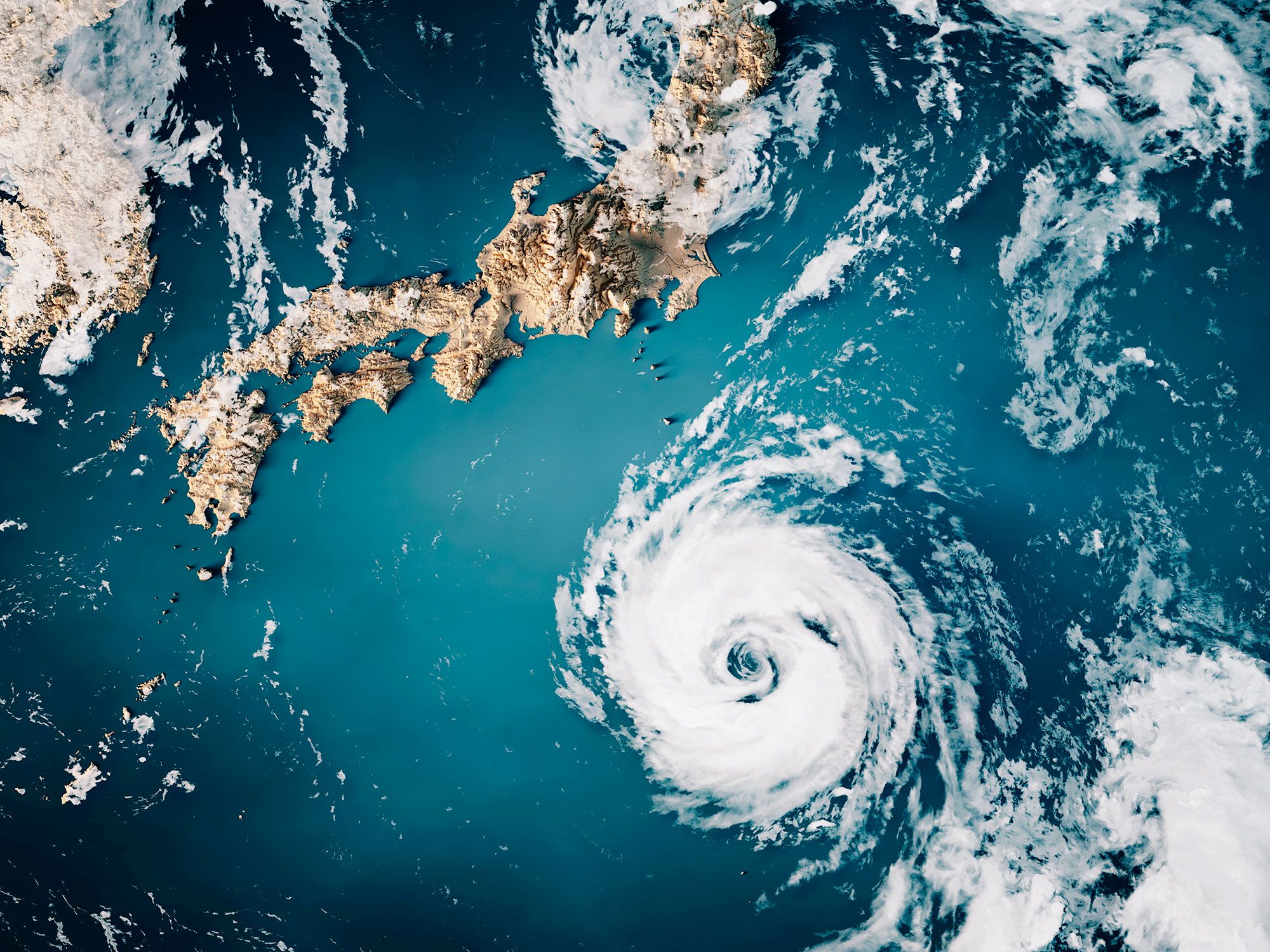
When it comes to weather-related travel claims, not all storms are created equal. A hurricane, blizzard, or other major storm that’s been identified or named can cause coverage issues because, according to many policies, major forecasted events allow for travelers to anticipate the travel disruption.
Insurance policies may exclude events that were already foreseeable when you bought your insurance. For example, if a hurricane is beginning to form near your Caribbean cruise, it’s likely too late to purchase travel insurance and receive coverage. But if you purchased it before the storm was named and forecasted, you would be covered if it causes your flight to be canceled.
What if You Don’t Have Coverage?

If there are gaps in your coverage — or if you didn’t purchase travel insurance — it’s still possible to get some of your money back in the event of a flight disruption. Under current U.S. Department of Transportation rules, you are generally entitled to a refund when an airline cancels a flight, but only if you won’t accept an alternative or if you choose not to rebook. This refund option is available regardless of why the flight was canceled — which means weather cancellations technically qualify.
However, airlines are not required to provide hotels or meals for weather-related disruptions. So, if you find yourself stuck somewhere due to bad weather, the added costs are on you. This is where a good travel insurance policy comes in handy, helping to cover additional expenses caused by weather-related travel cancellations. In addition to outright cancellations, delays are typically covered, too — depending on your policy, your insurance may kick in after you’re delayed anywhere from three to 12 hours.
What To Look for Before You Buy

When buying insurance that covers weather-related disruptions, there are a few things to keep in mind. First, look specifically for weather-related coverage, being careful to pinpoint which kinds of weather qualify. Make sure to read the exclusions and definitions carefully, as each travel insurance policy establishes its own limits and specifications. And lastly, check if the policy covers prepaid, nonrefundable trip costs — such as airfare, hotel bookings, cruises, tours, excursions, or activities — for weather-related cancellations.
You’ll also want to check the minimum delay required before your benefits kick in, since some insurance policies require waiting periods for reimbursements. And don’t forget to review your reimbursement limits. Your policy might cover hotels, meals, and transportation, but many policies will cap compensation amounts or exclude certain expenses. As always, you’ll want to read the fine print carefully.
What To Do When Weather Wrecks Your Trip

If a storm has put a wrench in your travel plans, go to the airline first — even if you purchased travel insurance. Clarify whether the flight is canceled or delayed, and determine whether you’re entitled to a refund or a rebooking. Don’t accept a voucher or suboptimal rebooking until you understand all your options.
If you’re relying on travel insurance, document everything, including the airline’s cancellation and/or delay notification, all receipts, and proof of expenses. Check your policy before booking accommodations to make sure it’s within your spending limits. If you’ve done your research and purchased a good insurance policy, you should be covered.
Featured image credit: © Song_about_summer/stock.adobe.com
More from our network
Daily Passport is part of Inbox Studio, an email-first media company. *Indicates a third-party property.