

8 States Where the Weather Forecast Is Always Wrong
8 States Where the Weather Forecast Is Always Wrong

It doesn’t matter if it’s too hot, too cold, too wet, or too windy — complaining about the weather is part of daily life. But in some areas of the United States, people have more reason than others to grumble. Using data examining temperature predictions from the National Weather Service between April 2023 and March 2024, researchers at The Washington Post measured how often forecast highs landed within 3 degrees of the actual temperature. The results suggest forecasts hold up better in coastal areas and lose accuracy more quickly in the center of the country. Here are eight states where weather forecasts are most likely to miss the mark.
Minnesota
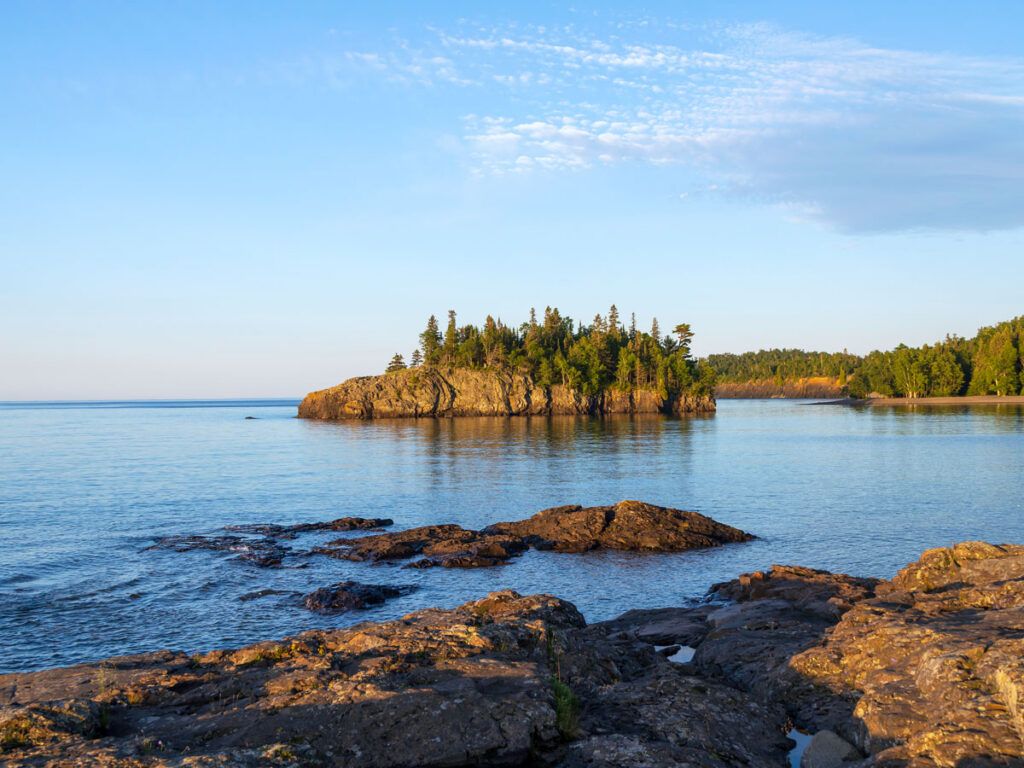
Weather forecasts in Minnesota can be tricky due to the lack of moderating influences, such as oceans and deserts, which stabilize conditions elsewhere. Lake Superior is an inland sea, but it actually complicates matters by bringing frequent wind and rain, while shifting air masses across the continent can trigger rapid rises and falls in temperatures. Duluth, set on the lake’s western corner, is the state’s most unpredictable city, according to the Washington Post report, and forecasts are generally accurate no more than a day out. Predictions for the Twin Cities of Minneapolis and St. Paul generally hold up for only two days.
The upside is that Minnesota’s climate creates spectacular seasonal variety. Winter delivers reliable snow for alpine adventures at Giant’s Ridge Recreation Area and Spirit Mountain Recreation Area. Meanwhile, warmer days lend themselves to paddling, hiking, and camping around Boundary Waters Canoe Area Wilderness. In fall, road trips along North Shore Scenic Drive reveal some of the state’s prettiest foliage.
Iowa
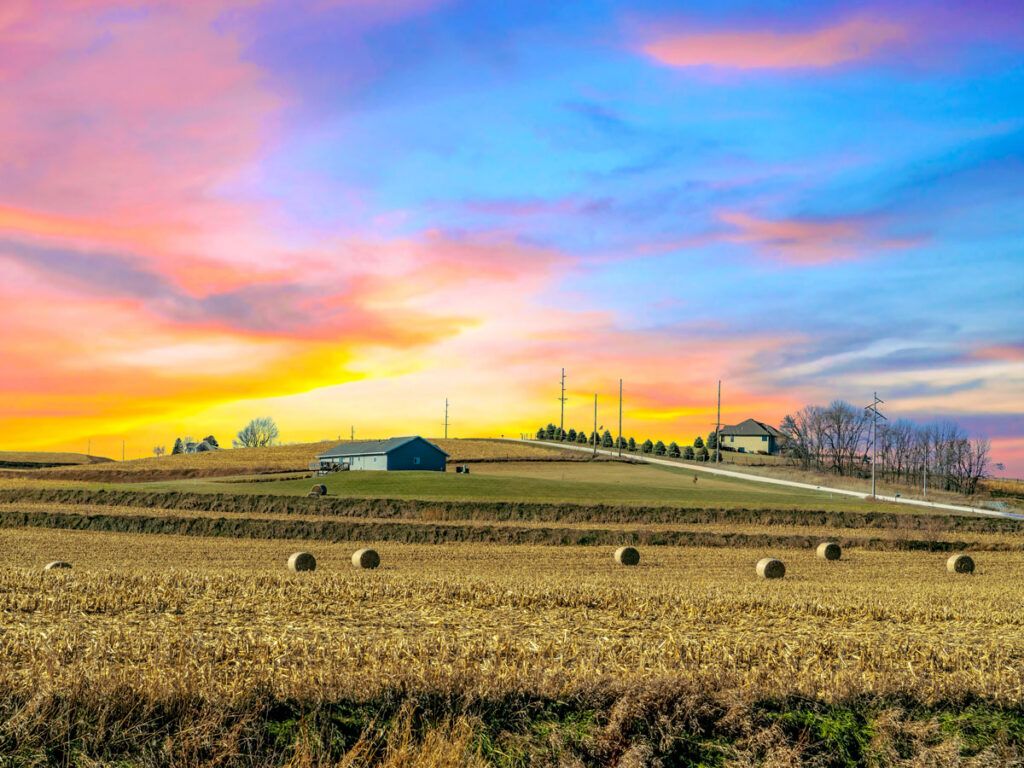
Iowa’s location in the middle of the continent makes forecasting a constant challenge for meteorologists. The state is a long way from oceans and mountains that help to steady atmospheric patterns. Instead, warm and humid air from the Gulf of Mexico frequently collides with dry, cold masses from Canada. This produces fast-forming storms and vast temperature swings. Warmer months are typically easier to forecast than colder ones, but on average, forecasts for the state capital, Des Moines, are reliably accurate only two days out.
This unpredictable climate also plays a key role in shaping Iowa’s landscapes. Dramatic Mississippi River scenery unfolds around the bluffs and valleys of Pikes Peak State Park, while Maquoketa Caves State Park is among the state’s most geologically diverse areas.
North Dakota
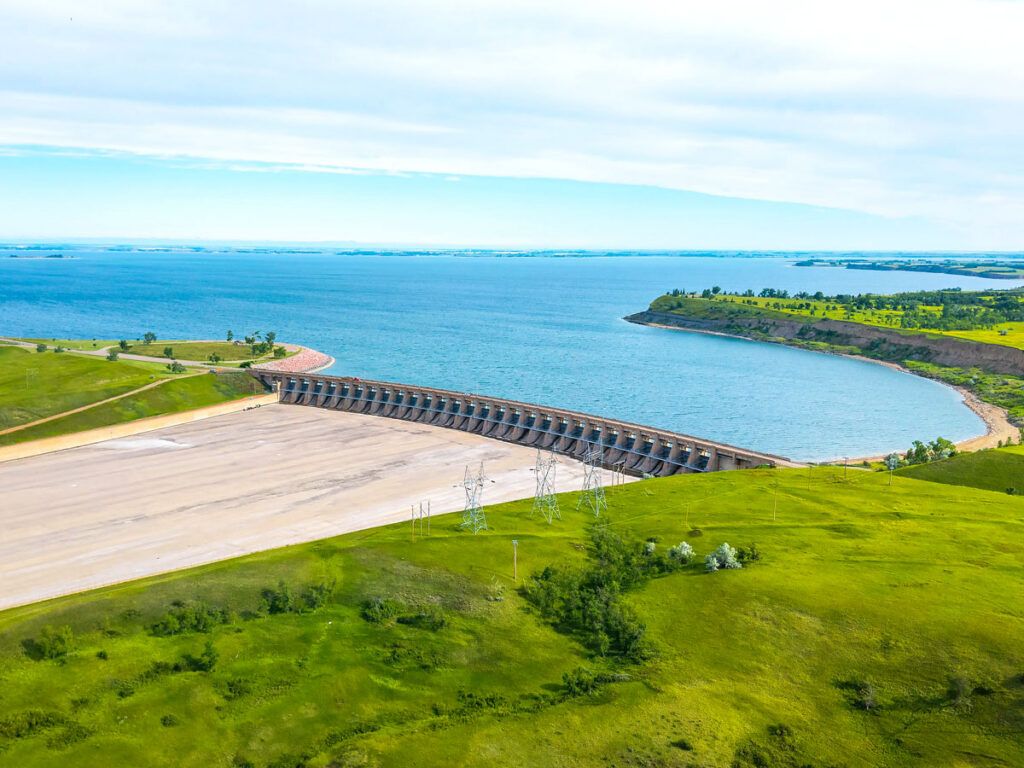
The timing of fast-moving weather patterns keeps forecasters on their toes when predicting conditions in North Dakota. Winters can be hit by Alberta clippers, compact, low-pressure storms sweeping down from Canada. They bring sudden snow squalls, strong winds, and extreme temperature drops. Spring and summer, meanwhile, see quick-forming thunderstorms, particularly in the Red River Valley region.
But dramatic skies and a weather-eroded landscape are a big part of North Dakota’s appeal. Head west to discover painted canyons, rocky badlands, and free-roaming bison at Theodore Roosevelt National Park. There’s also world-class bass, pike, and walleye fishing at Devils Lake, plus over 40 miles of hiking trails at Little Missouri State Park.
South Dakota
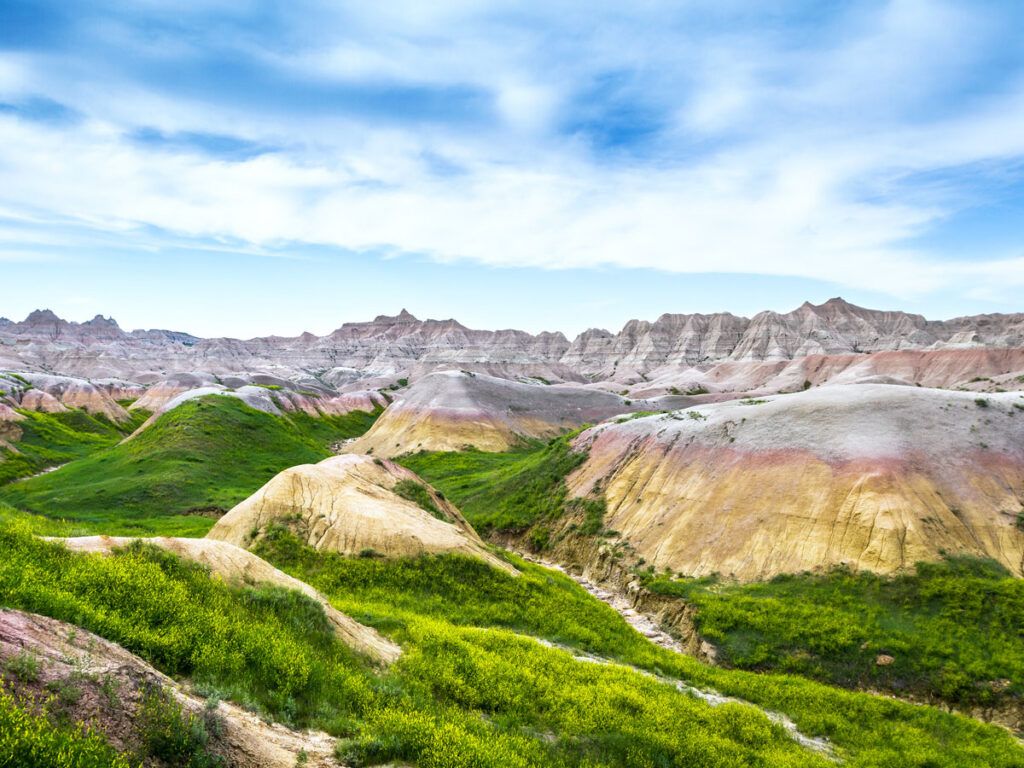
Like its northern counterpart, South Dakota is known for some of the country’s most dramatic weather swings. In Sioux Falls, predicted high temperatures are usually reliable only one day ahead. With a record high of 110 degrees Fahrenheit and low of -42 degrees, perhaps you can see why forecasting is such a challenge here. Rapid City took events to new levels of unpredictability in November 1911, when it witnessed a 52-degree drop in two hours.
While the instability is a hindrance for some, it’s a factor in the state being known as the “Land of Infinite Variety.” From the buttes of Badlands National Park and the Black Hills’ granite peaks to the lakes and reservoirs formed by the Missouri River, nature comes in abundance. Don’t miss Pinnacles Overlook for views over the badlands and the springtime pasque flower bloom around Skyline Wilderness Area.
Nebraska
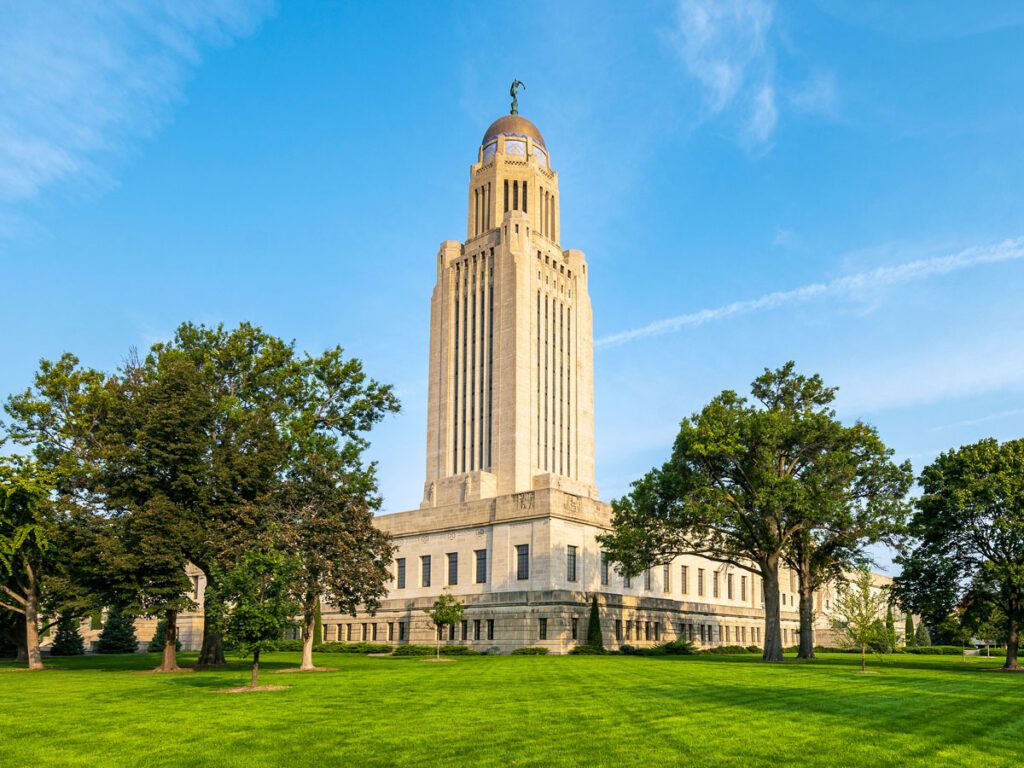
On average, anyone living in or visiting Nebraska shouldn’t expect an accurate forecast more than two days in advance. If the destination is Grand Island or North Platte, that’s reduced to one day out. Forecasting in Nebraska is far from straightforward. Variability comes from shifting air masses forcing warm or cold air over the Plains. When these meet, the fronts they create trigger fast temperature fluctuations. Nebraskans are also well acquainted with “fool’s spring,” a short-lived period of unseasonably warm weather that might trick you into believing winter has passed.
Whatever weather arrives, there are plenty of wide-open landscapes to appreciate in Nebraska. Experience the sandhill crane migration along the Platte River in spring, go cross-country skiing at Ponca State Park in winter, or cruise the state’s scenic northwestern roads in fall while temperatures hover around 70 degrees Fahrenheit.
Kansas
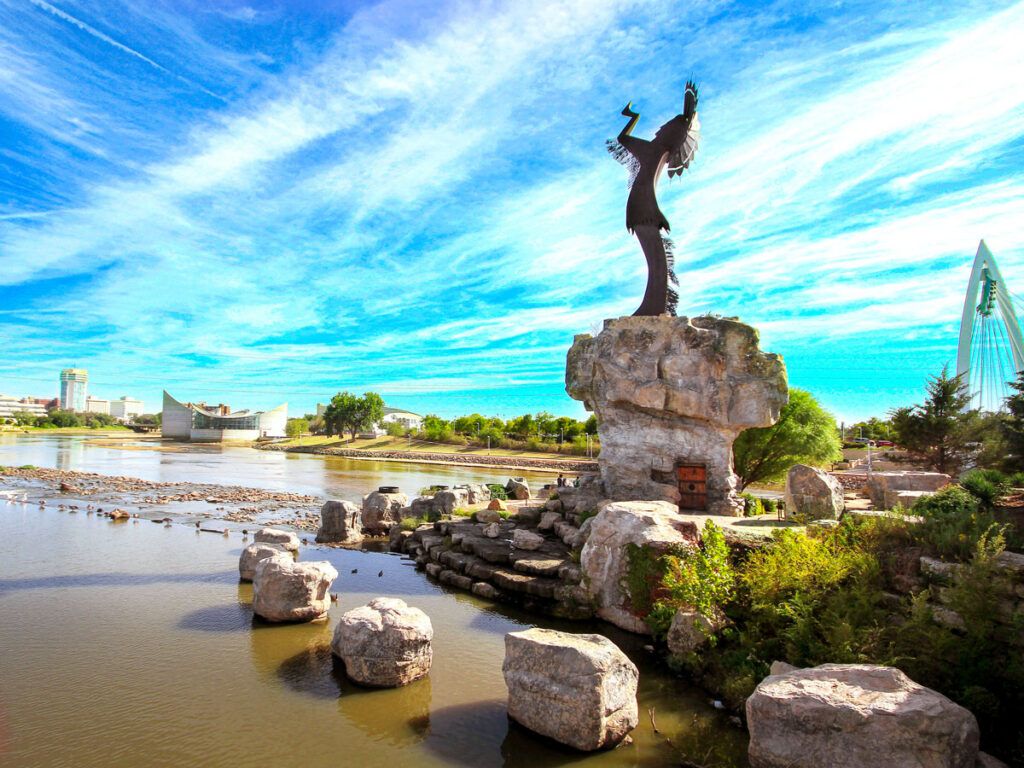
Set in the heart of Tornado Alley, Kansas is notorious for shifting and often inconsistent weather forecasts. Temperature predictions lose reliability beyond about two days, particularly in spring and summer, when storms frequently sweep across the state. An underlying factor is a phenomenon called the dryline, a boundary that separates hot, dry western air from the humid eastern air. Its ability to shift rapidly can trigger sudden thunderstorms and sharp temperature swings. The state averages 81 tornadoes per year, second only to Texas.
When the weather is nice, though, it opens the door for hikes around Tallgrass Prairie National Preserve and visits to the striking chalk pyramids of Monument Rocks. For those lured by the thrill of extreme weather, Kansas is a regular host of the National Storm Chaser Summit, which brings together meteorology enthusiasts for a celebration of the Plains’ storms.
Missouri
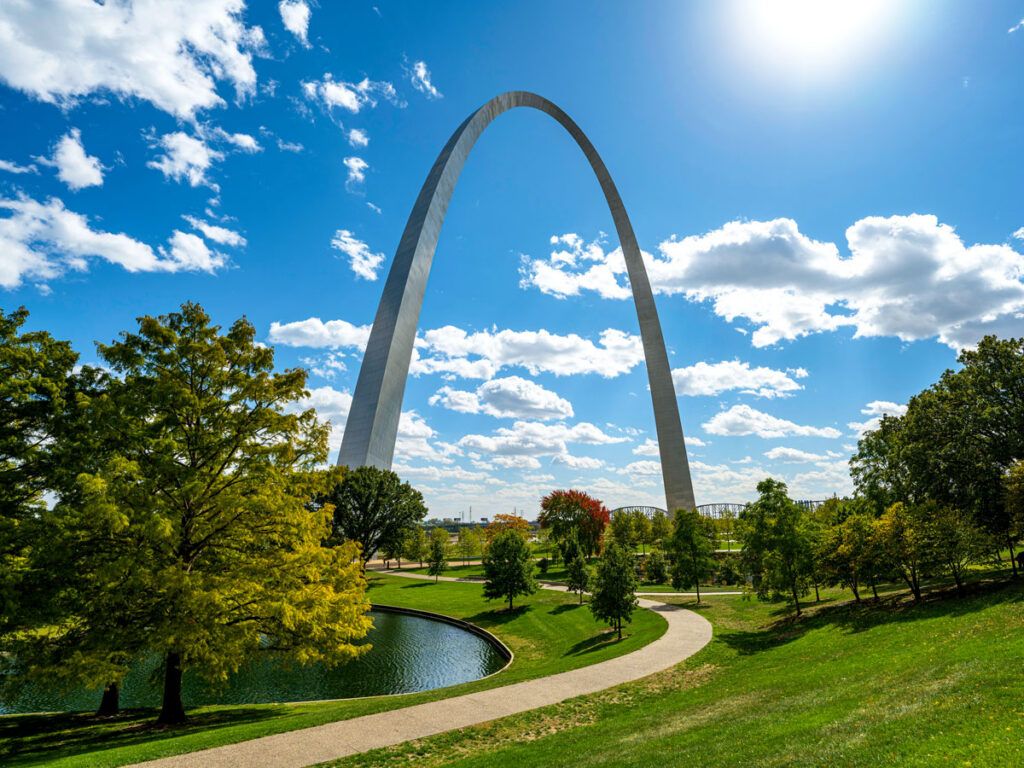
Like the other states on this list, Missouri’s central location places it along a busy corridor of weather systems moving across the country. Storm fronts often sweep through the state, sparking thunderstorms, sharp temperature dips, and other shifting conditions that make forecasting tricky. It’s not unusual to see a shift from mild afternoons to freezing conditions and snow within a short period, even in big cities like Kansas City and St. Louis.
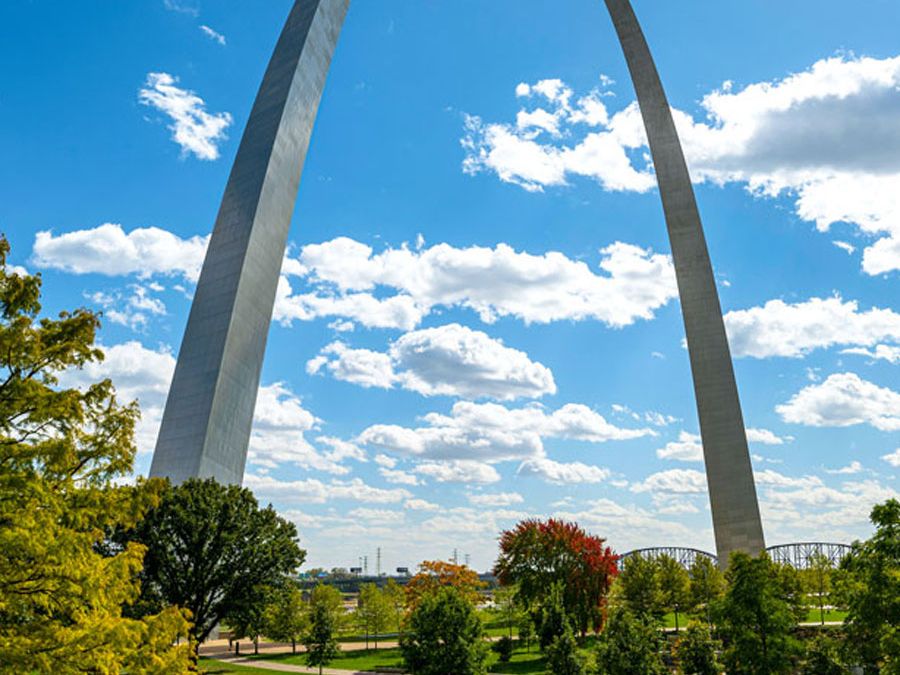
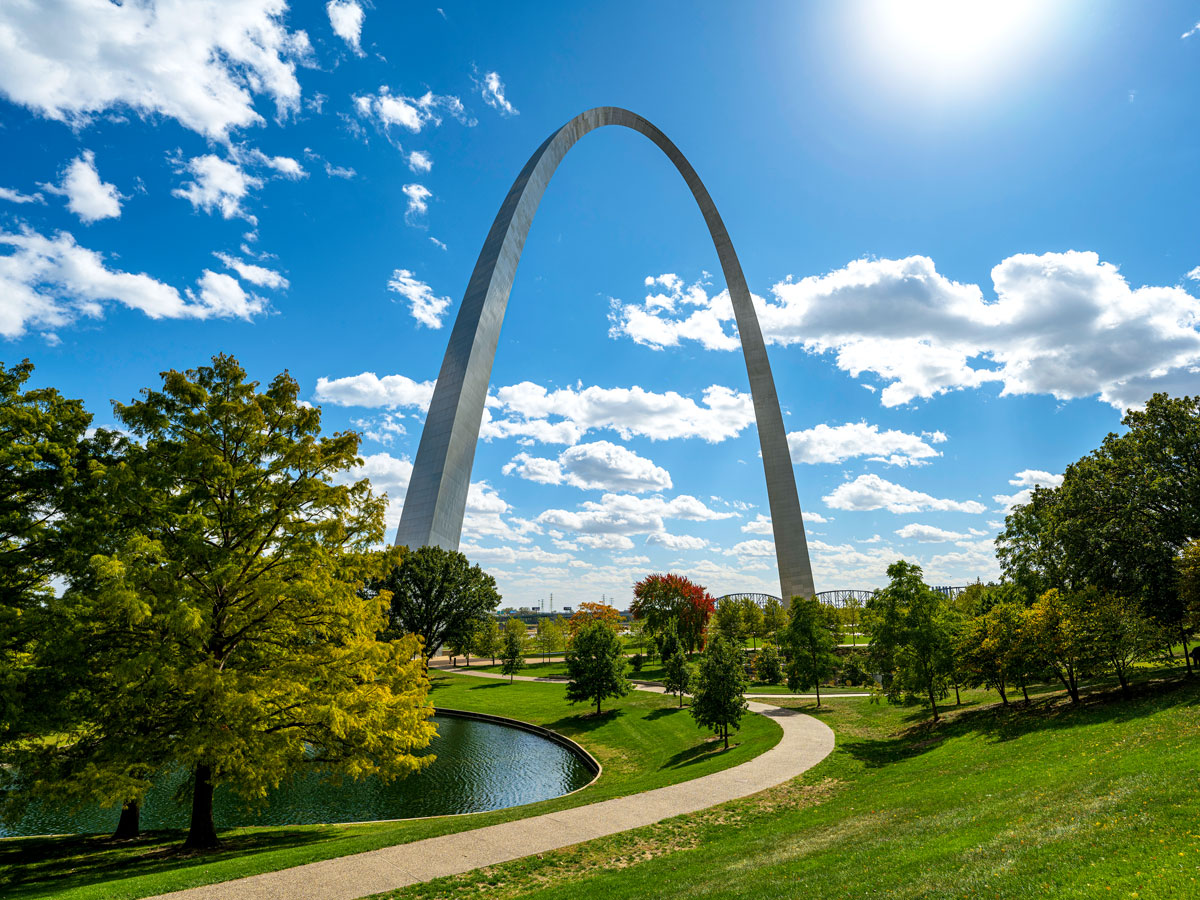
If you’re willing to embrace the unpredictable weather, Missouri is a rewarding state for travelers. St. Louis is home to the country’s tallest monument, Gateway Arch, while Kansas City invites you to chow down at over 100 barbecue joints. Road-trippers can enjoy around 300 miles of Route 66 traversing the state.
Oklahoma
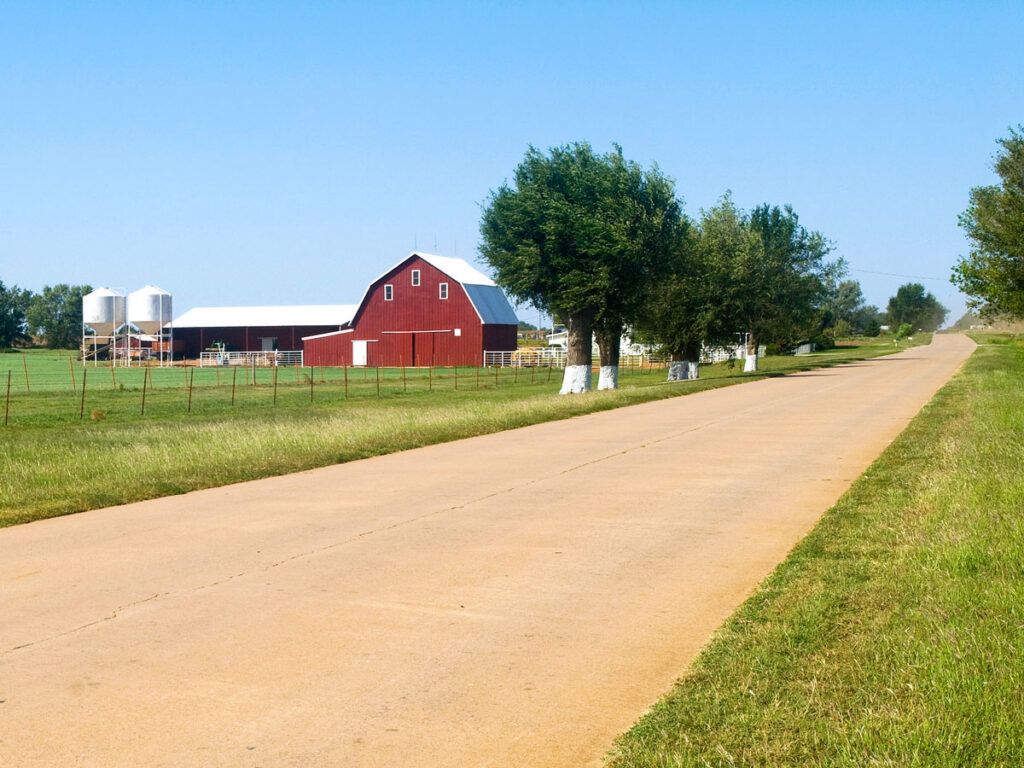
Few places have unpredictable weather conditions like Oklahoma. The state lies in Tornado Alley at a crossroads of colliding air masses — namely, warm, moist air from the Gulf; hot, dry air from the Southwest; and cooler air from the Rocky Mountains and Canada. Another influence is La Niña, a natural Pacific cycle pushing the jet stream northward. When it occurs, warmer winters followed by more active spring storm seasons are common, increasing the chance of thunderstorms and tornadoes.
Oklahoma’s inconsistent weather is part of what makes the state unique, shaping a landscape packed with wide-open beauty. There are over 30 state parks, including the caves of Alabaster Caverns State Park and the pristine waters of Lake Texoma State Park. Don’t miss a hike up Mount Scott for views of rugged hills and far-reaching prairies.
More from our network
Daily Passport is part of Inbox Studio, an email-first media company. *Indicates a third-party property.