




The Surprising Tip To Bring Home Your Favorite Food Souvenir
The Surprising Tip To Bring Home Your Favorite Food Souvenir
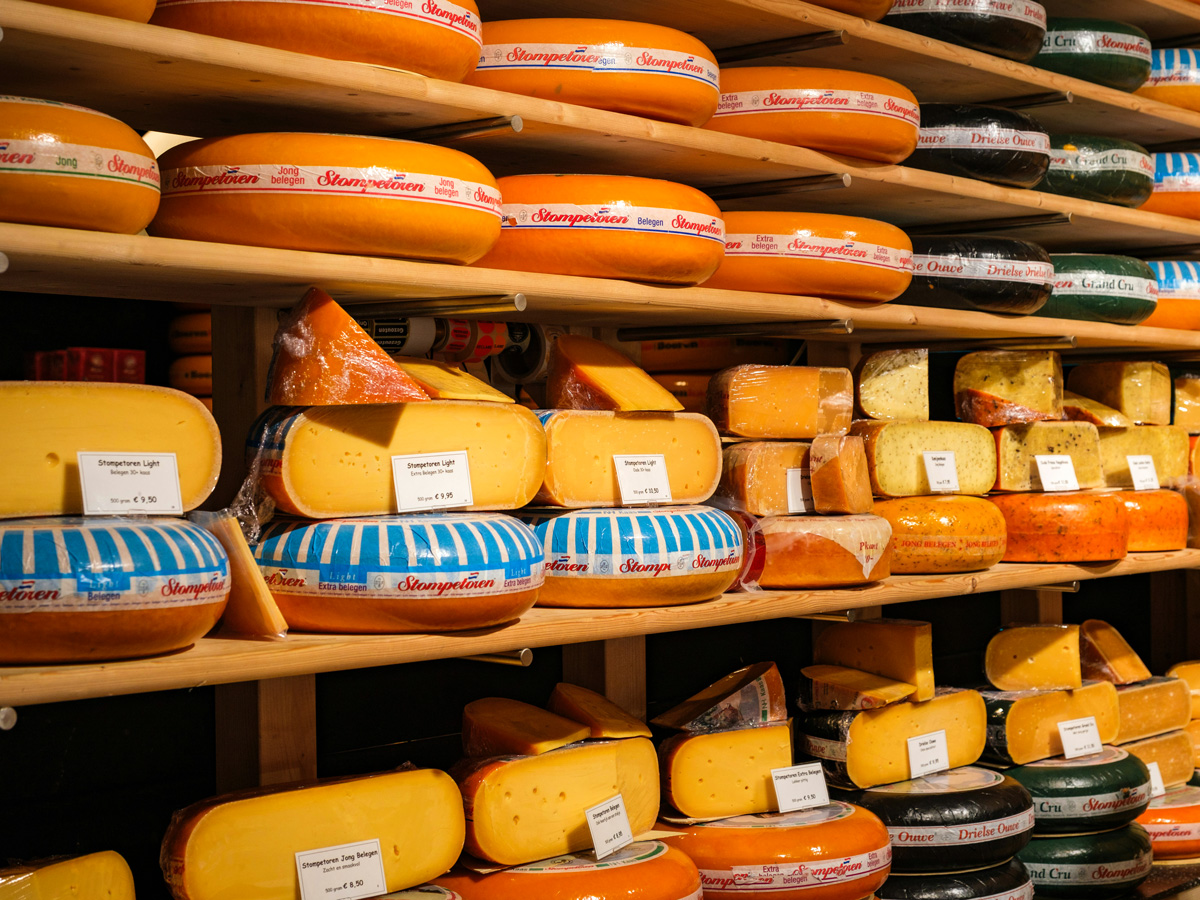

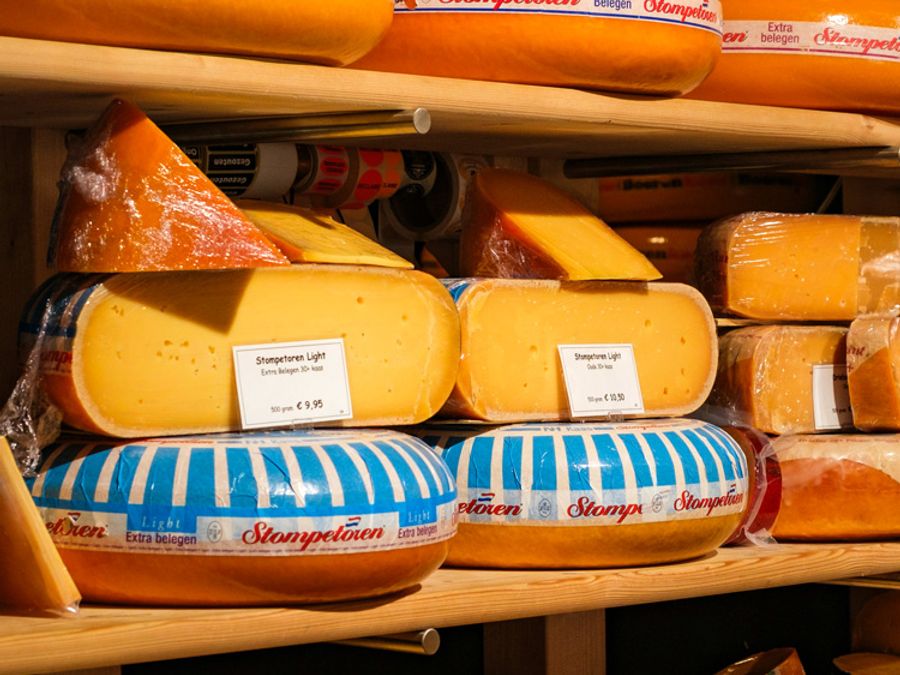
When traveling, you may encounter local delicacies you hope to take back home with you. Think: butter from the French countryside, aromatic sausages from Southeast Asia, or creamy cheese from Central America. In any case, the first thing to do is make sure the food is permitted into your country by customs. Assuming it is, you still have to figure out how to keep perishable food fresh until you get home. Here’s one tip you may not have considered to ensure food souvenirs remain in safe-to-eat condition during your return journey.
Vacuum Seal and Freeze It
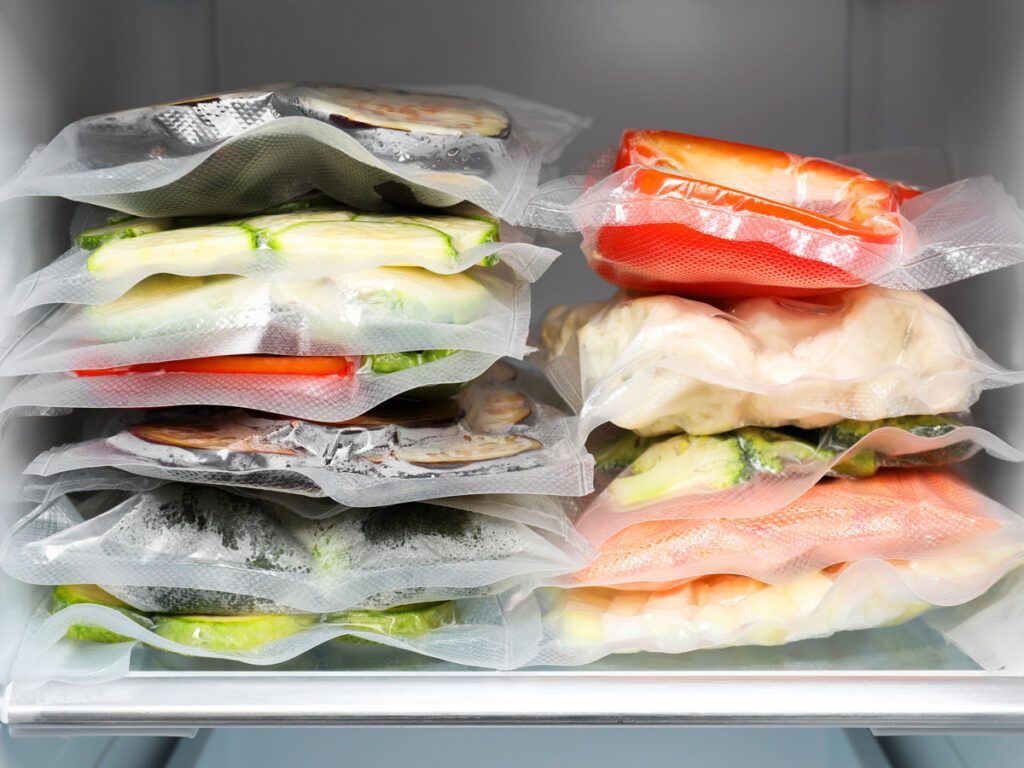
When attempting to pack food in your suitcase, you should vacuum seal it if possible. A tight vacuum seal keeps aromas from creeping into the airplane cabin, prevents leaks from seeping onto your clothing, and eliminates air pockets that may take up valuable luggage space.
Of course, nobody expects you to take a bulky vacuum sealer with you on vacation, and it’s true that you won’t always find one in the course of your travels. But some vendors — Le Grande Épicerie de Paris being a famous example — will vacuum seal perishable products such as butter for an additional fee.
Even more important than vacuum sealing, however, is freezing the food afterward, which helps delay the need for refrigeration. (Even if you can’t find a way to vacuum seal those perishables, it’s still worthwhile to freeze them.) Herein lies another potential snag — hotels don’t always provide mini fridges, let alone personal freezers, in each room. That said, there are work-arounds.
For example, you can buy insulated bags and ice packs right before you leave for the airport, and pack everything together so it stays fresh for longer. It also could be worth asking the front desk if they have a freezer on site and would be willing to store the food until your departure.
If you’re successful in freezing the food, it’s best to keep it frozen until right before you leave for the airport. Doing this will keep the food frozen or at least cold for the longest duration of time, which will help to preserve it until you’re able to refrigerate it back home.
Potential Problems
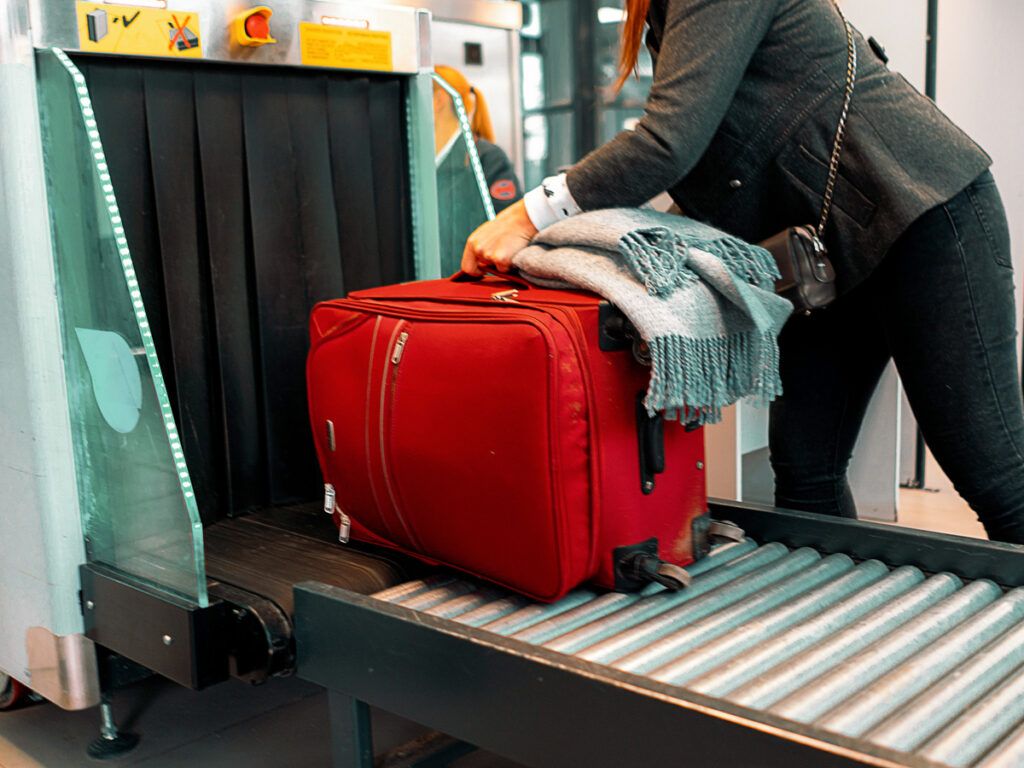
What we laid out above isn’t a foolproof solution, of course. Problems may arise along the way, such as an extended flight delay during which your food may thaw.
Note, too, that if you’re traveling with frozen vacuum-sealed liquids and those liquids begin to melt, they will be subject to standard TSA liquid limits, and you might be forced to toss the item. Unfortunately, there’s not much you can do in that situation, but the TSA’s “What Can I Bring?” webpage is a good resource for more info.
And remember: No amount of preparation will help if you don’t understand the customs rules for bringing food back home from abroad. From cheeses to sausages and everything in between, some items may raise red flags, and you could be forced to toss them in the trash. Don’t try to sneak food in — instead, take a look at the USDA’s guidance for traveling with food products so you’re not caught by surprise.
Featured image credit: © Haberdoedas II/Unsplash.com
More from our network
Daily Passport is part of Inbox Studio, an email-first media company. *Indicates a third-party property.