






What Are Codeshare Flights — and How Do They Benefit Travelers?
What Are Codeshare Flights — and How Do They Benefit Travelers?


Have you ever looked up at the departures board at the airport and noticed one flight flashing multiple different airlines and flight numbers? This is what’s known as a codeshare flight — when one airline puts its code on another airline’s flight. Find out how this practice works and when it does (and doesn’t) make sense to book one.
The Basics of Codeshare Flights
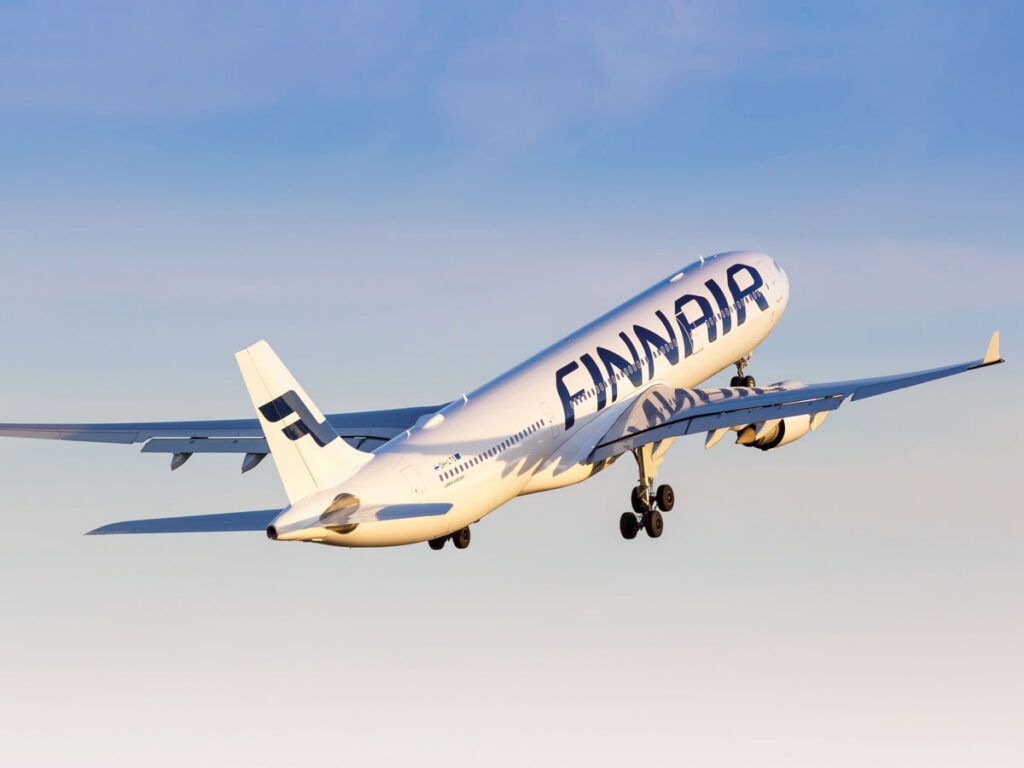
Codeshare flights allow one airline (the marketing carrier) to sell seats on a flight from another airline (the operating carrier). The first such flights appeared in 1986, according to the Official Airline Guide (OAG); a few years later, in 1989, Northwest Airlines and the Netherlands-based KLM introduced the concept of a large-scale codesharing agreement.
Codeshare flights allow travelers to create an itinerary using one purchase point rather than purchasing through multiple airlines. Say you wanted to fly from Las Vegas to Helsinki, Finland. There aren’t any direct flights between the two cities, so you’d have to book a trip with a layover.
You could book two separate tickets on two separate airlines, but American Airlines offers a single ticket with two flights that appear on the same reservation: Las Vegas to Dallas/Fort Worth, connecting to a flight from Dallas/Fort Worth to Helsinki.
If you look closely at the details of that second flight from Dallas to Helsinki, however, you’ll notice that although it lists an American flight number (AA 9018), right beneath that it says “operated by Finnair” — the key indicator that this is a codeshare flight. On the second flight, American is the marketing carrier (the one that sells you the ticket), but the operating carrier (the airline that provides the plane and crew to operate the flight) is Finnair. In this case, Finnair also sells tickets on its own flight as Finnair 20, meaning the same flight is marketed with two (or more) flight numbers.
Benefits for Travelers
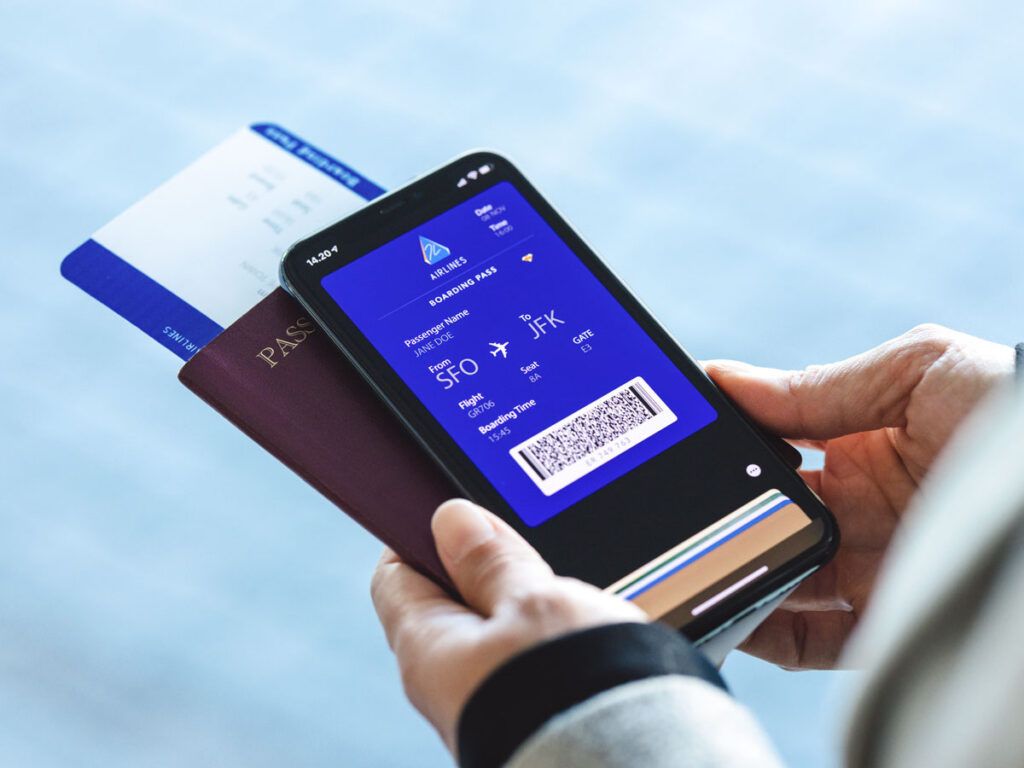
Codeshare flights benefit airlines because they allow carriers to essentially expand their route networks without actually having to pay for the planes to fly those routes. This increases their reach and market share at key hubs.
For travelers, codeshares offer more destinations and routes to choose from, often for a lower price than you would pay when booking separate tickets.
They can make the journey simpler, too. Instead of piecing together an itinerary with separate airlines, you can book with just one airline (even if the flights are operated by two different airlines). If you have to connect somewhere, you only have to check your bags at the start of your trip — in most cases, the first airline you check in with will take care of transferring checked luggage for you.
Plus, if there are any delays or disruptions en route, the airline you purchased from should be responsible for rebooking you since it’s all on the same itinerary. If you book separate tickets, on the other hand, and miss your connecting flight because the first flight is delayed, the second airline has no responsibility to rebook you.
There are also benefits for frequent flyers: With codesharing arrangements, you can earn and redeem miles or points with your preferred airline’s program, even if some flights are operated by another carrier.
Potential Drawbacks

Codeshares can be a little confusing. If you don’t look carefully at the fine print, you may not even realize you’ve booked a codeshare flight in the first place. That could lead to disappointment if you’re expecting the policies and amenities of an airline you fly frequently, only to be met with a very different experience. For example, if you fly United regularly and book a standard economy-class fare, you get free seat selection. But if you book a codeshare flight with partner airline Lufthansa, you might have to pay to pick your seats in economy class.
Baggage often trips up travelers as well. In the U.S., the baggage rules for your entire journey are determined by the marketing carrier on the first flight segment of the itinerary (the airline whose flight number is assigned to the first flight). So, if you booked a flight with Air France but your first segment is operated by Delta, Air France still determines how many bags you’re allowed to bring and any associated fees.
And even though you’ll be able to earn points in your preferred airline’s frequent flyer program, the earning rates may be different for codeshare flights. Additionally, the airline operating your codeshare flight may not always recognize your elite status perks (e.g., preferred seating or priority boarding) with the marketing carrier.
Lastly, when disruptions arise, it can be confusing to know which airline to turn to. If your Delta flight in the above example is delayed, forcing you to miss your connecting flight to Air France, you might assume Delta bears responsibility for rebooking you. But in this case, you’d likely need to contact the airline that actually sold you the ticket (in this case, Air France) for rebooking options.
Other Arrangements
Adding another layer of confusion, there are also interline agreements. While these are similar to codeshare flights, they are a more basic form of cooperation between airlines, without the marketing partnership. In an interline agreement, one airline can sell tickets on another airline’s flight but does not add its own flight number. While this allows you to check your baggage through to your final destination on one ticket, it can make it more difficult to discern which airline is responsible for flight disruptions or which airline’s baggage policies apply.
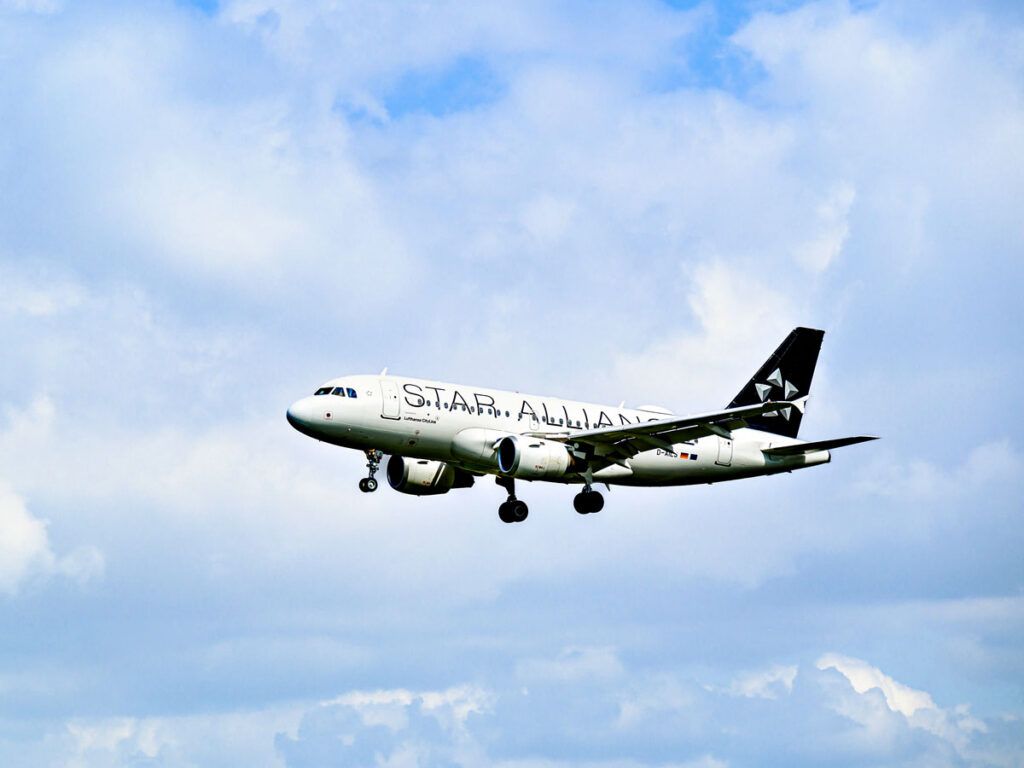
You may also be familiar with airline alliances, which are networks of airlines that have codesharing agreements with one another. The major ones are Star Alliance, Oneworld, and SkyTeam. Alliances go one step further than a simple codesharing agreement; they are strategic partnerships that allow member airlines to coordinate schedules, share airport facilities, and integrate their loyalty programs.
Lastly, there are also regional agreements, which are common in the U.S. If you frequently fly to a smaller city, you may be familiar with subbrands of major airlines — American Eagle for American, Delta Connection for Delta, and United Express for United.
Similar to codeshares, regional flights are operated by another airline. Unlike codeshares, however, those airlines — Republic Airlines or SkyWest, for example — don’t sell tickets on their own planes. They handle the crew and operation of the flight, but the major airline does all the scheduling, marketing, reservations, and customer service.
Featured image credit: © Getty Images/Unsplash.com
More from our network
Daily Passport is part of Inbox Studio, an email-first media company. *Indicates a third-party property.