





Does the TSA Require Meds To Be in Prescription Bottles?
Does the TSA Require Meds To Be in Prescription Bottles?
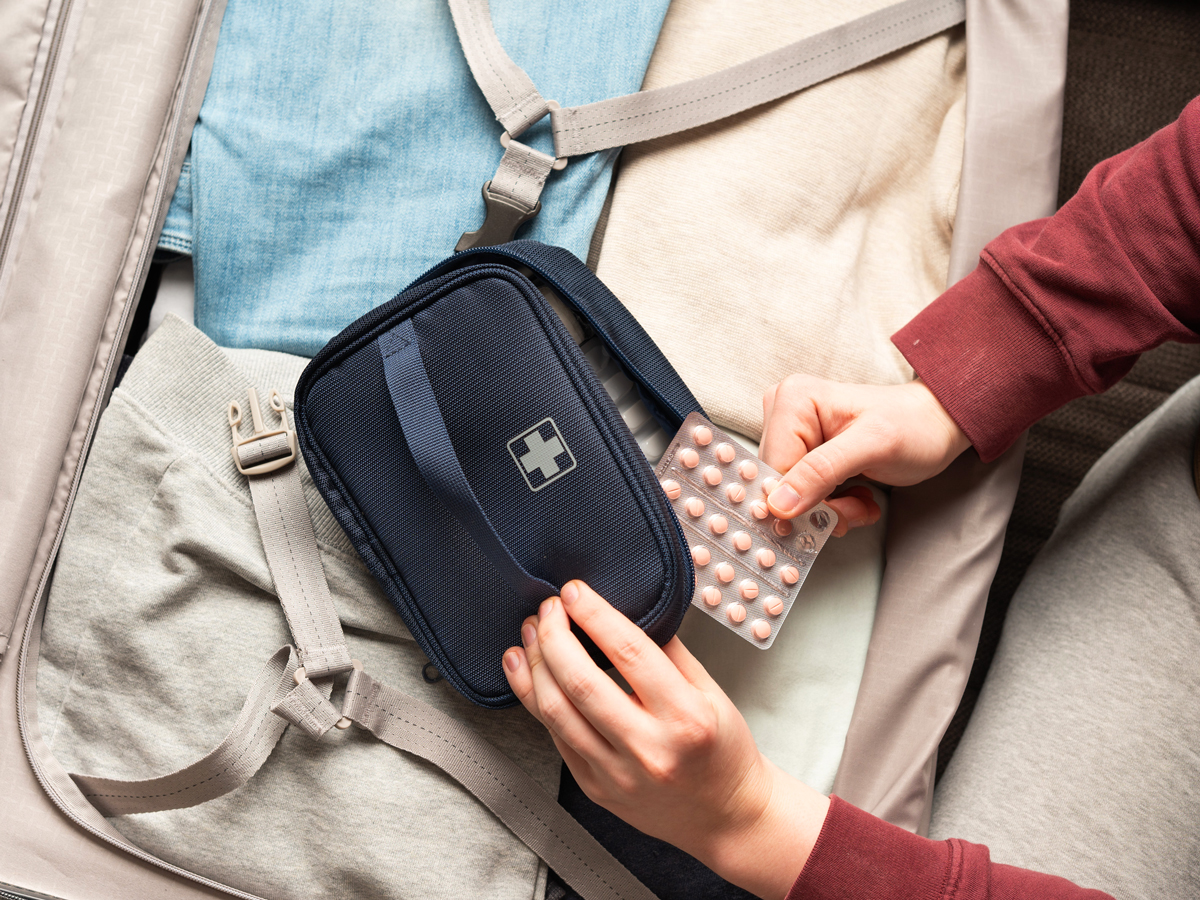

When flying with medication, travelers may be tempted to ditch their prescription bottles, which can take up valuable space in a bag or suitcase. Using a pill organizer or a single bottle for multiple medications can seem like a much easier option. But is it a good idea to move your pills out of their original packaging before heading to the airport? And is it even allowed? Here’s everything you need to know — and why there are still some situations where keeping the original packaging is a good idea.
TSA Guidance on Prescription Medications
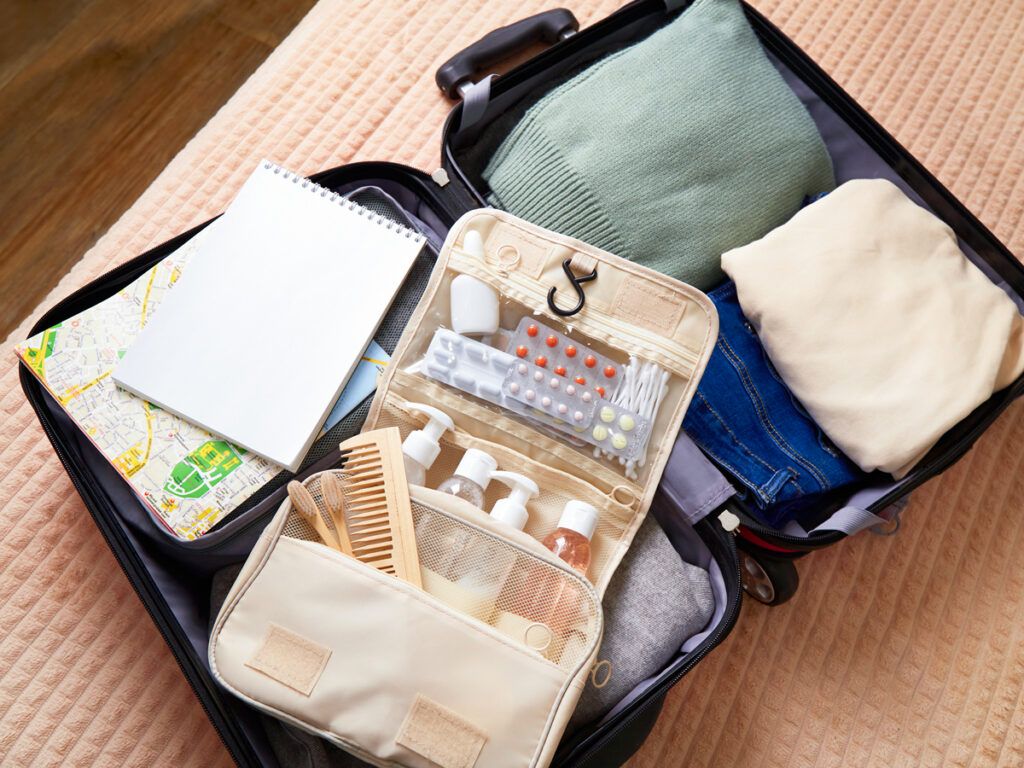
The Transportation Security Administration (TSA) allows prescription medications in both carry-on and checked bags, but it must undergo screening. The agency clarifies on its website that prescription medications do not have to be in their original prescription bottles when you go through airport security.
The TSA also “strongly recommends” that you keep medication in your carry-on. That way, you will have easy access to anything you need during the flight, and you won’t have to worry about losing an important prescription if your checked bag gets delayed.
Medication in pill or solid form is permitted in unlimited amounts and does not have to be declared to a TSA officer. Liquid medications, however, are handled a bit differently. They are not subject to standard 3.4-ounce liquid restrictions, and you are allowed to bring “reasonable quantities” of liquid medications through security when they are medically necessary. However, you must let the TSA officer know about them when you reach the security checkpoint, and these medications may be subject to additional screening.
Why Keep Medications in Their Original Bottles?
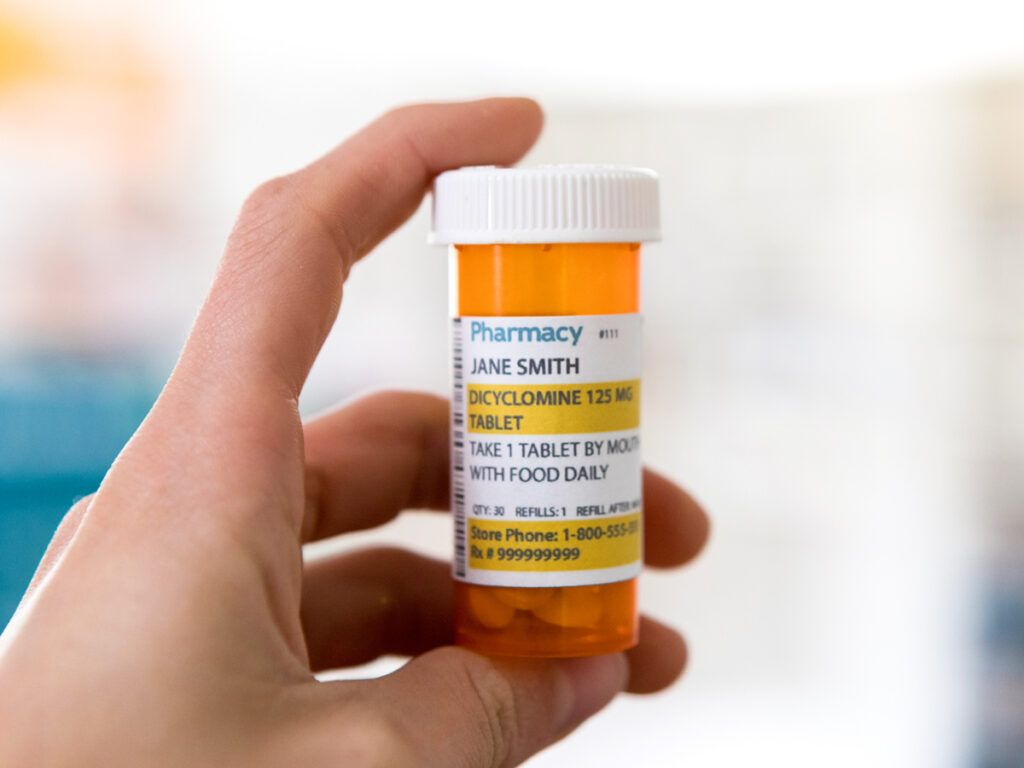
Even though the TSA doesn’t require the original prescription bottle, it can make things much simpler if someone needs to identify your medication. The pharmacy label shows the medication name, dosage, and the person it was prescribed to. If you are carrying several different prescriptions, having that information right on the bottle can also prevent confusion.
International travel is another reason to strongly consider leaving medications in their original packaging. Your destination country may have its own requirements for prescription drugs, including restrictions on certain medications. Some medications can even get you in trouble abroad, so keeping them in their original, labeled containers can make it easier to show what the medication is, where it came from, and why you need it.
The TSA notes that some U.S. states also have laws regarding the labeling of prescription medication (usually for controlled substances), which is why it’s especially important to check the rules of the state or country you’re visiting before you leave.
Can You Use a Pill Organizer?
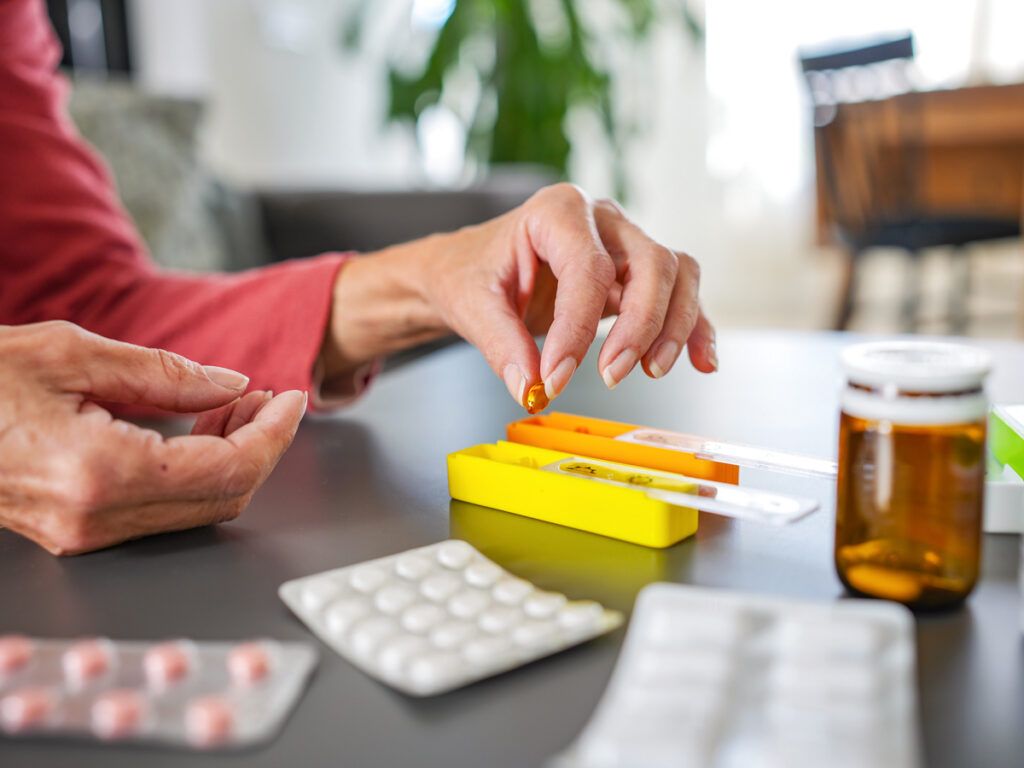
For a domestic trip, a pill organizer can be a convenient way to save space and keep track of daily doses. Rather than carrying several bottles, you can organize everything by day and simply take what you need.
If you go this route, it can be helpful to take a photo of the original prescription labels before leaving home. You could also bring a copy of your medication list or ask your pharmacy whether it can provide a smaller labeled container for travel.
For international trips, keeping prescriptions in their original, labeled containers is the safer option — unless you’ve confirmed that your destination allows you to carry them another way.
What About Over-the-Counter Medications?

Common over-the-counter medications such as ibuprofen, antihistamines, and motion sickness tablets are generally easier to pack. You don’t need to bring the original bottle, so a small pill organizer can work well for these medications. Just make sure you know which medication is which, especially if you’re carrying several types of pills that look similar.
The Bottom Line
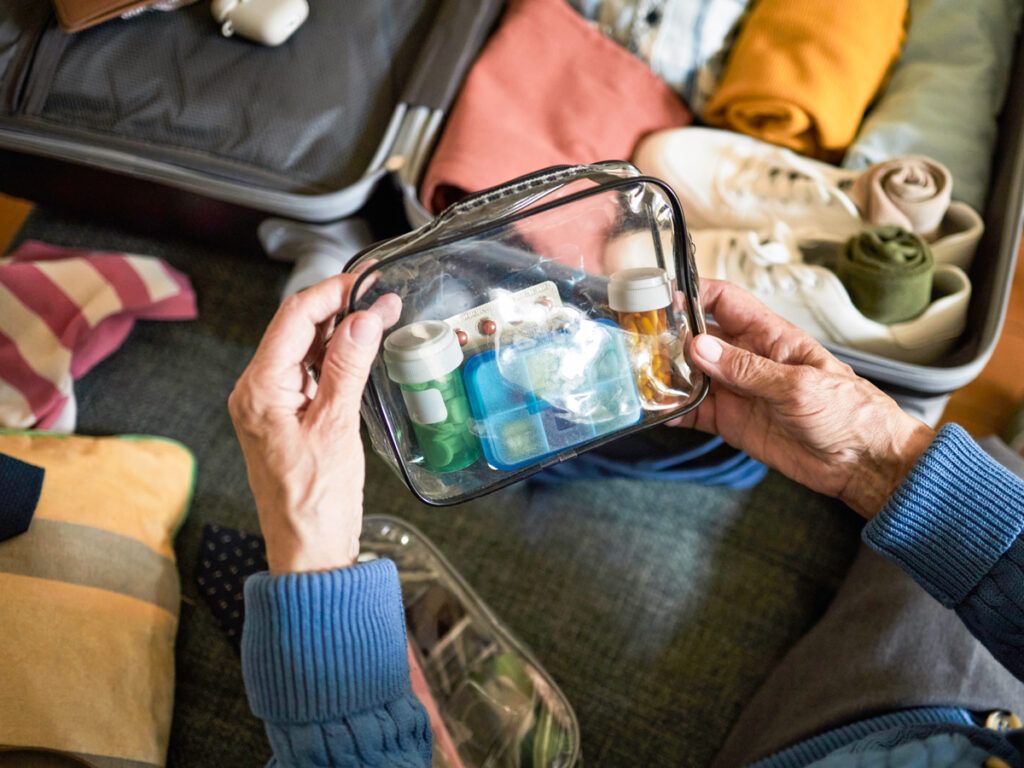
When traveling with medication, the rules depend on where you’re traveling and what medication you’re carrying. If you’re traveling within the U.S., you can generally put medication into another container. If you’re heading overseas, however, check the regulations of the country you’re visiting before you leave, as the rules can vary significantly from one destination to another.
Whether you use the original bottles or a pill organizer, keep important medications in your carry-on whenever possible. Checked bags can be delayed or lost, leaving you without medications you need.
Featured image credit: © Svetlana/stock.adobe.com
More from our network
Daily Passport is part of Inbox Studio, an email-first media company. *Indicates a third-party property.