




Is It a Tourist Trap? 6 Signs To Look Out For
Is It a Tourist Trap? 6 Signs To Look Out For
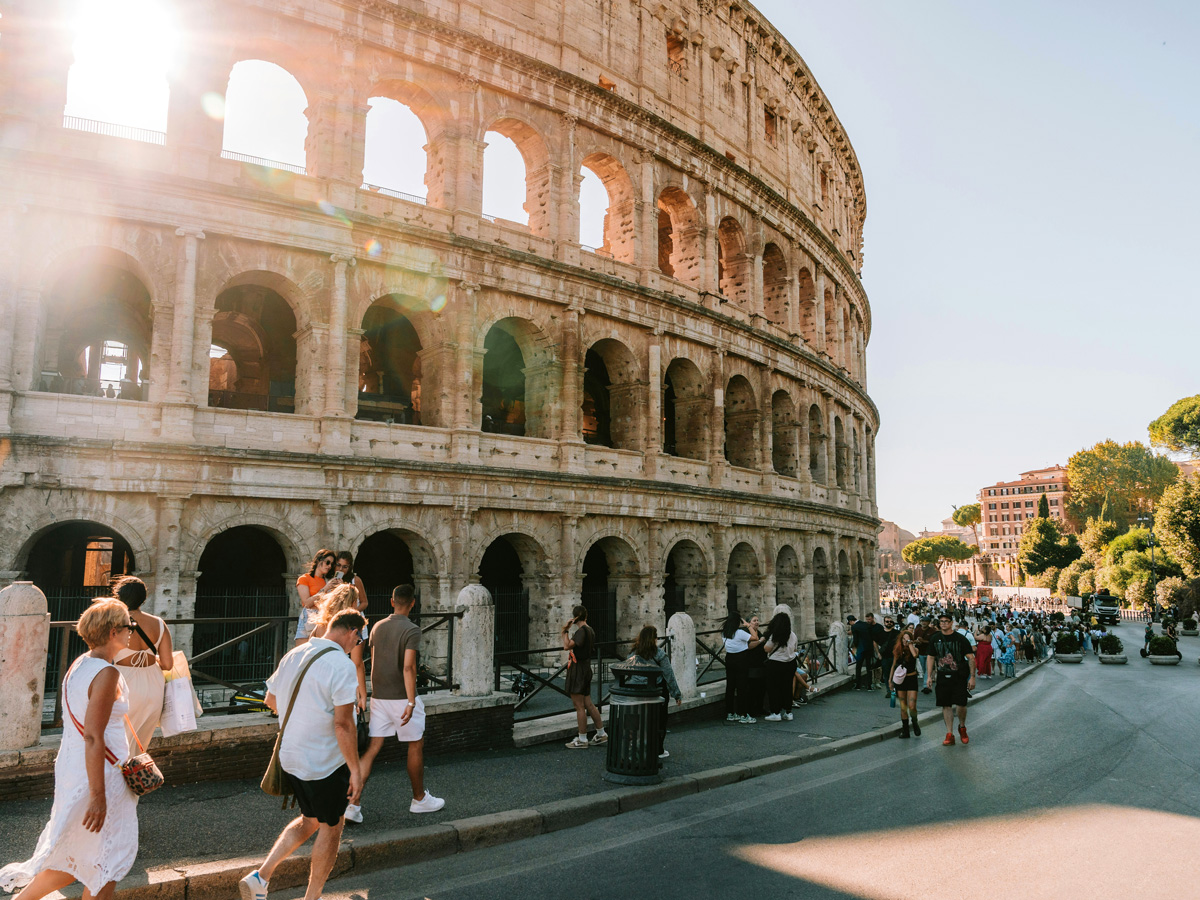

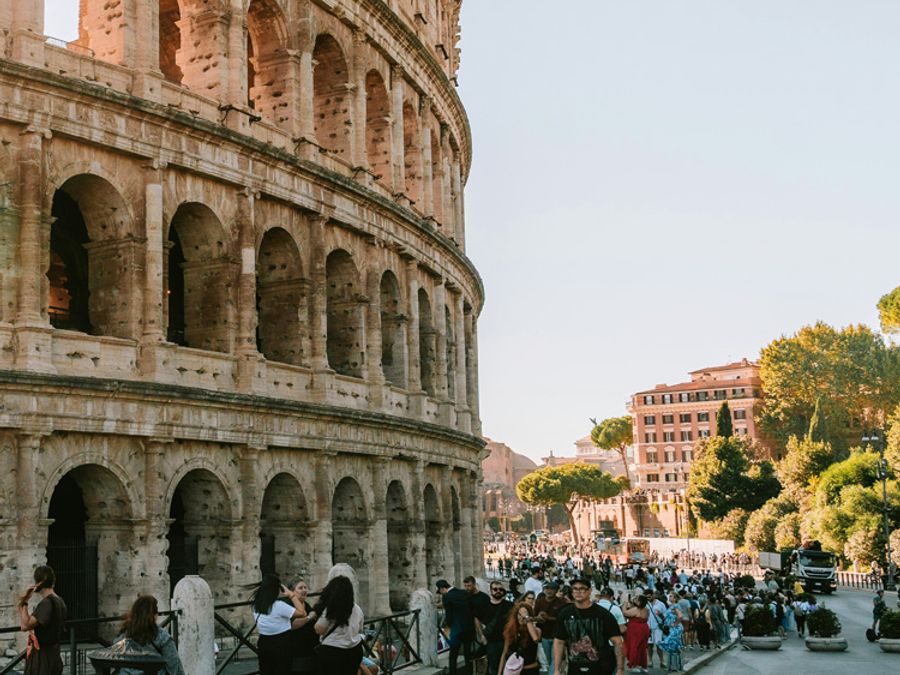
People who consider themselves travelers rather than tourists often have one very specific and deep-seated fear: that the restaurant they enjoyed or the attraction they spent hours exploring will be labeled “touristy” by some other (seemingly more worldly) globe-trotter. But many things are popular for good reason — people have been crossing the world to marvel at Egypt’s pyramids and Rome’s Colosseum for thousands of years. However, no visitor (or local, for that matter) wants to suffer mediocre meals, inflated prices, or “can’t-miss” attractions that don’t live up to the hype. To avoid that scenario, here are six signs to look out for when attempting to avoid true tourist traps.
The Location
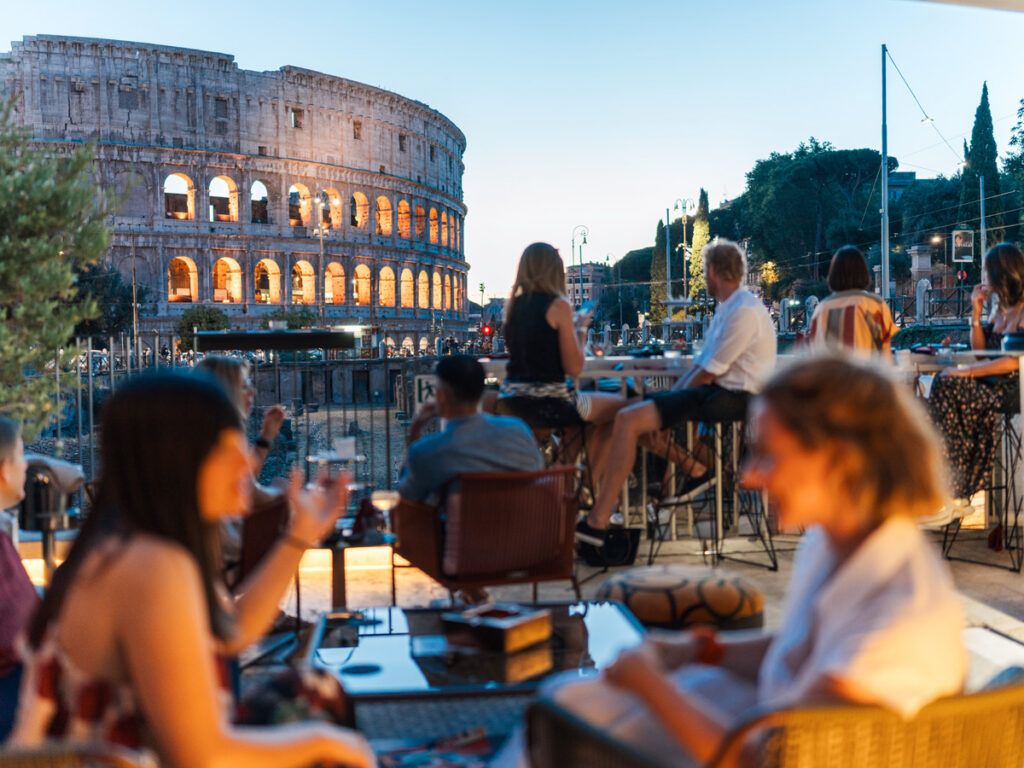
Restaurants in immediate proximity to a famous landmark aren’t automatically tourist traps. But consider that location a yellow flag — better-tasting, better-priced, and more authentic meals are often located only a block or two away.
Why? As journalist Tim Hartford explains in The Undercover Economist, “The hungry visitor will pay a lot for mediocre cuisine. Tourists are willing to pay high prices because they have no sense of where better alternatives, even just a few streets away, might be found …. Good restaurants all locate where they are more likely to be appreciated by more informed locals. The bad ones remain … the ‘lemons’ of the restaurant trade.”
There are, of course, exceptions. Le Jules Verne is literally inside the Eiffel Tower (on the second floor) and boasts two Michelin stars, while Aroma, in Rome’s Palazzo Manfredi hotel, offers a breathtaking view overlooking the Colosseum, along with cuisine that earned its own Michelin star.
The Menu
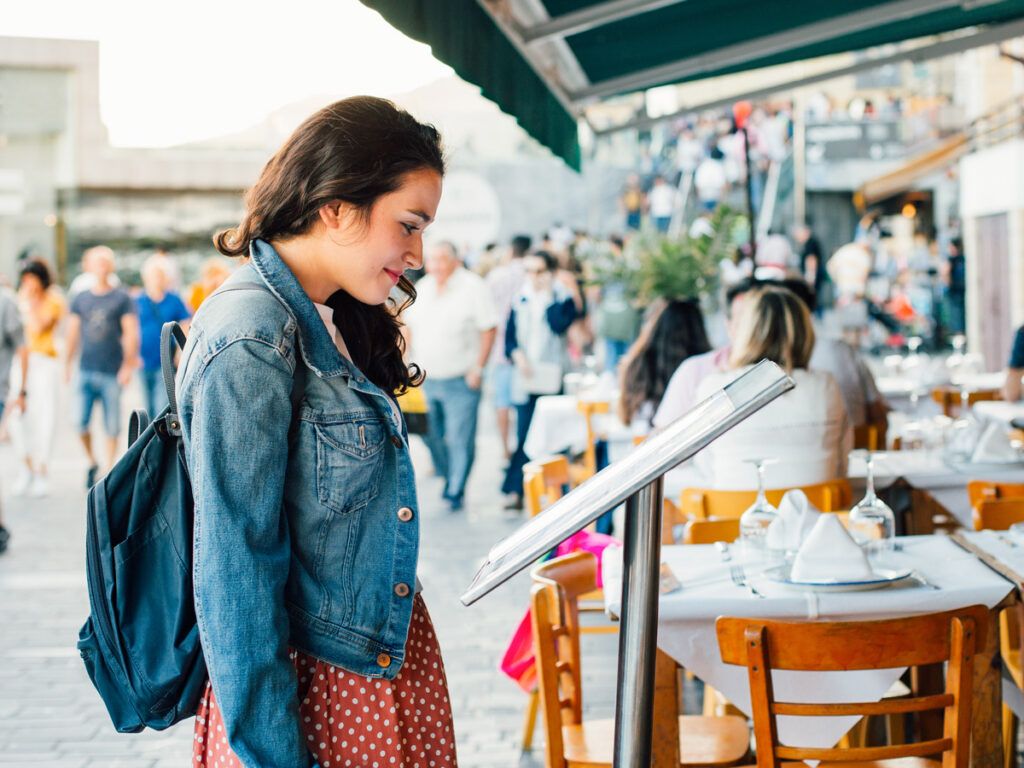
If there’s a laminated menu filled with photos and translated into five languages, you’ve almost certainly located a tourist trap. If you want a hamburger from the local Hard Rock Cafe, we certainly won’t judge. However, a short stroll, a friendly attitude, and a translation app or phrasebook will often lead you to a tastier, less expensive, and more authentic dining experience.
The Hawkers
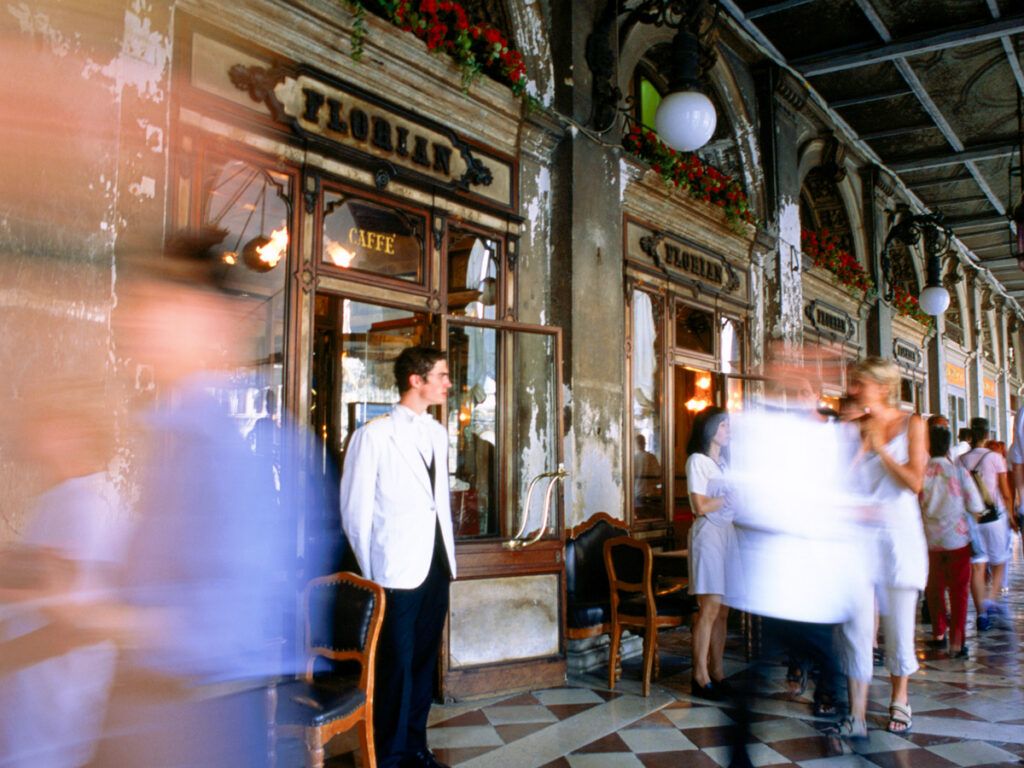
Just as good local restaurants don’t need a world’s worth of languages on their menus, most reputable shops, restaurants, and attractions don’t need employees standing outside their entrances, pressuring people to step inside. A business that’s confident in its quality lets its reputation lure in customers instead of paying someone to chase down passersby on the street.
The Provenance
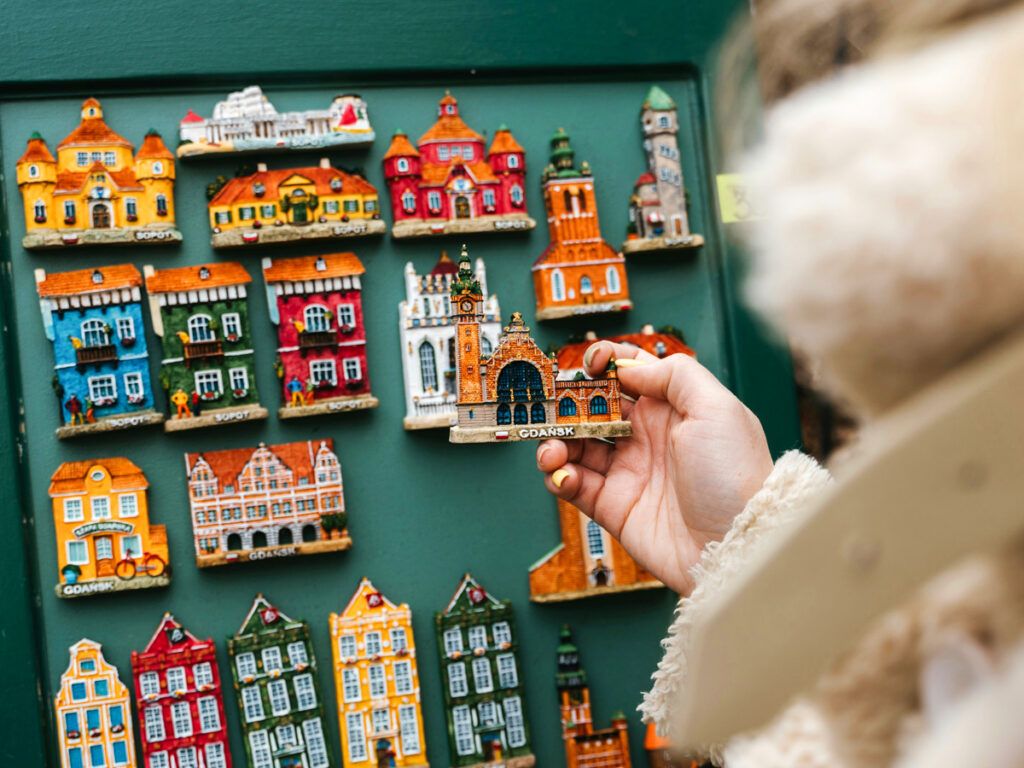
Glossy postcards are one thing — not every destination has its own full-service, four-color print shop — but if the majority of souvenirs sold in a store aren’t locally made, the odds are good that it’s a tourist trap. Small markets, artist cooperatives, and even local grocery stores can be a much better source for a memorable souvenir than the mass-produced items you’ll find on just about every street corner in busy tourist areas.
The Price
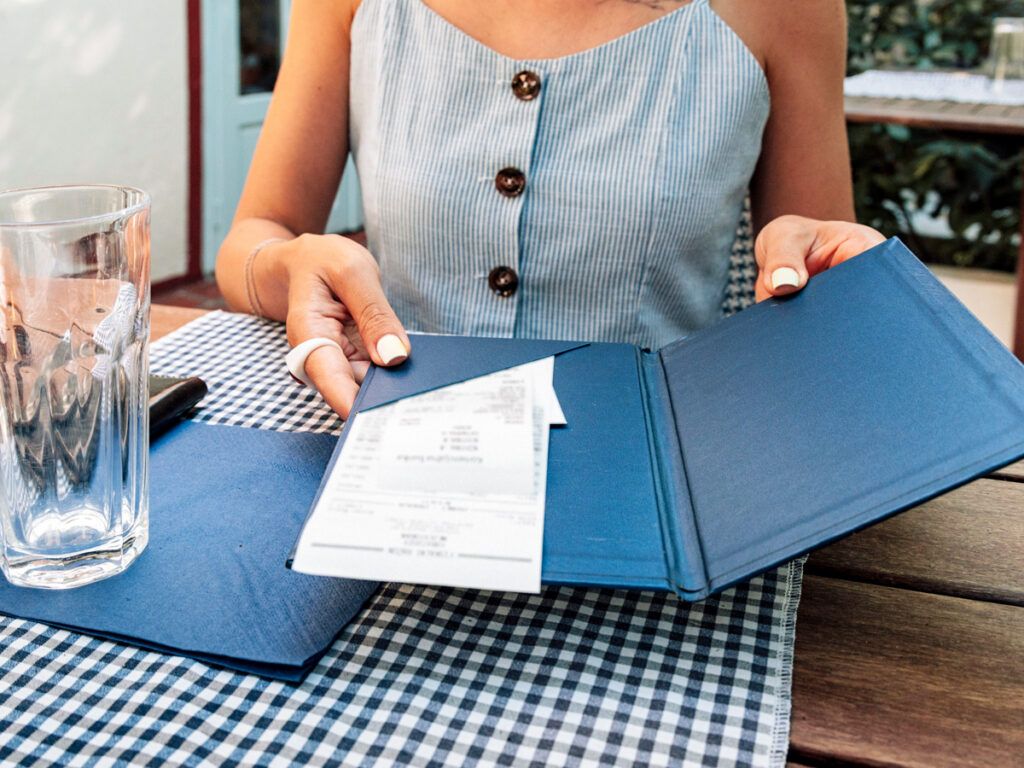
When a venue doesn’t have prices plainly displayed, visitors can find themselves victims of a “clip joint” scam (a term dating to the Prohibition era), in which visitors are charged extortionate sums. When prices are listed, you should still read that fine print carefully. For example, DK Oyster in Mykonos, Greece, craftily posted its seafood prices per 100 grams instead of per kilogram (as is standard).
The View

Oftentimes, a staged photo op attraction shows only part of the picture, which is the very definition of a tourist trap. At Pura Lempuyang Temple in Bali, Indonesia, tourists wait hours to capture a photo of themselves reflected in the “Gates of Heaven.” But the reflection isn’t real — there’s no lake in front of the gate. Instead, a local vendor holds a mirror beneath the tourist’s phone lens, faking the watery image. And these days, AI-generated photos are everywhere: If a destination (or dish or hotel room) looks too good to be true, it just might be.
Featured image credit: Credit: © Mitch Botsford/Unsplash.com
More from our network
Daily Passport is part of Inbox Studio, an email-first media company. *Indicates a third-party property.