




Why Don’t Airlines Board Back to Front?
Why Don’t Airlines Board Back to Front?
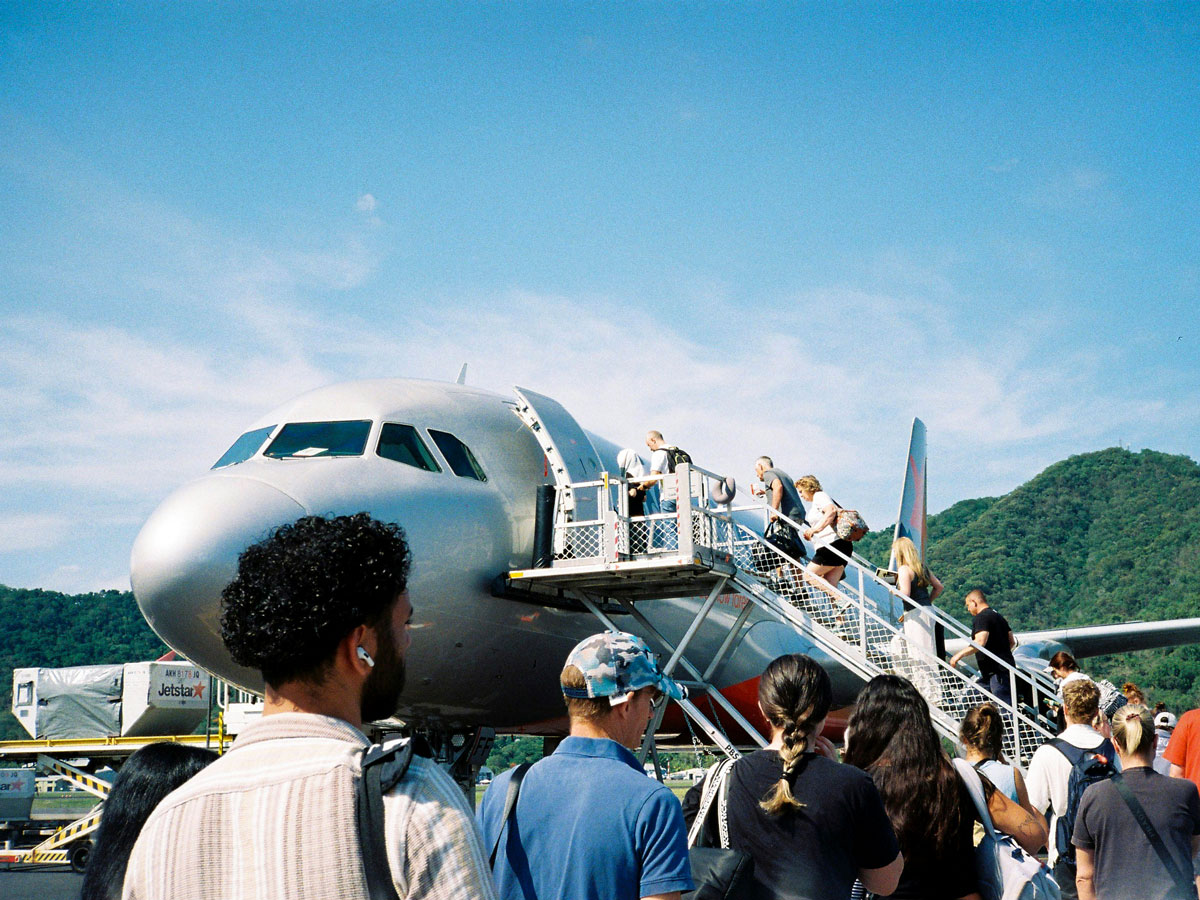

Boarding a flight can sometimes feel like a game of human Tetris. Hundreds of passengers are trying to squeeze past each other and simultaneously cram their carry-on bags into overhead bins. There is, believe it or not, some logic to the current boarding process, but it involves a lot of different factors — and everyone who has ever been stuck in this slog surely has ideas about how to make the boarding process smoother.
For starters, why don’t airlines simply board everyone from back to front? Passengers headed for the last rows could walk straight to their seats, while everyone else waits their turn. But when it comes to getting an entire plane seated efficiently, the obvious solution isn’t necessarily the best one. Here’s why.
The Back-to-Front Bottleneck
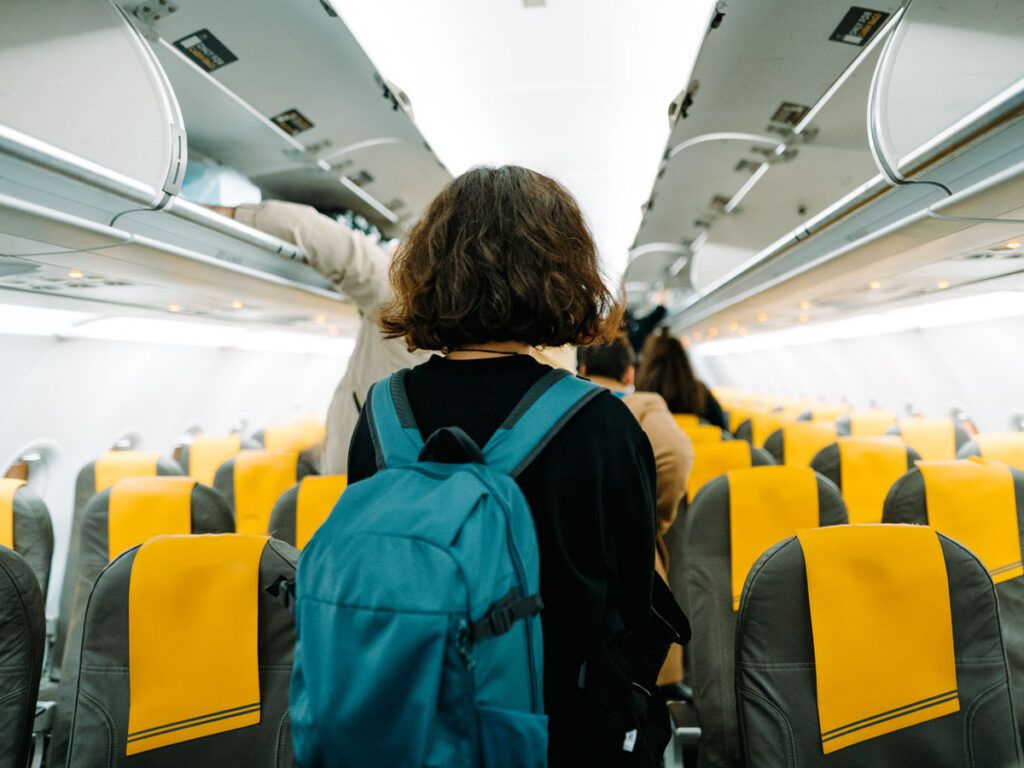
In theory, boarding passengers by row number, starting at the back, should keep people from getting in one another’s way. But in practice, the process almost always creates a traffic jam.
In a 2012 experiment using a mock Boeing 757 cabin, astrophysicist Jason Steffen and television producer Jon Hotchkiss compared several boarding methods, including back-to-front boarding by groups. That approach was the slowest one tested, taking nearly seven minutes to seat everyone compared with around half that time for the winning method — and this was on a model with just 12 rows of six seats separated by an aisle in the middle. A standard narrow-body plane is typically around double that size.
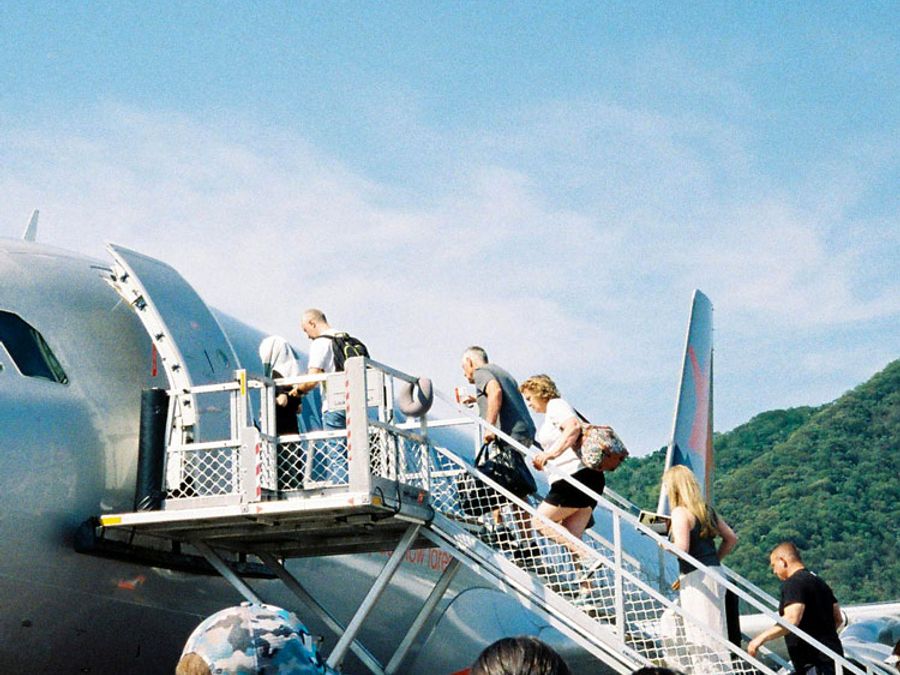
When passengers are called in groups of several rows, someone headed for, say, row 26 inevitably ends up in the boarding line ahead of a passenger seated in row 29. When the person in row 26 stops to stow their luggage in the overhead bin, everyone behind them has to wait — including the passenger trying to reach row 29.
Overhead Bins Complicate the Process
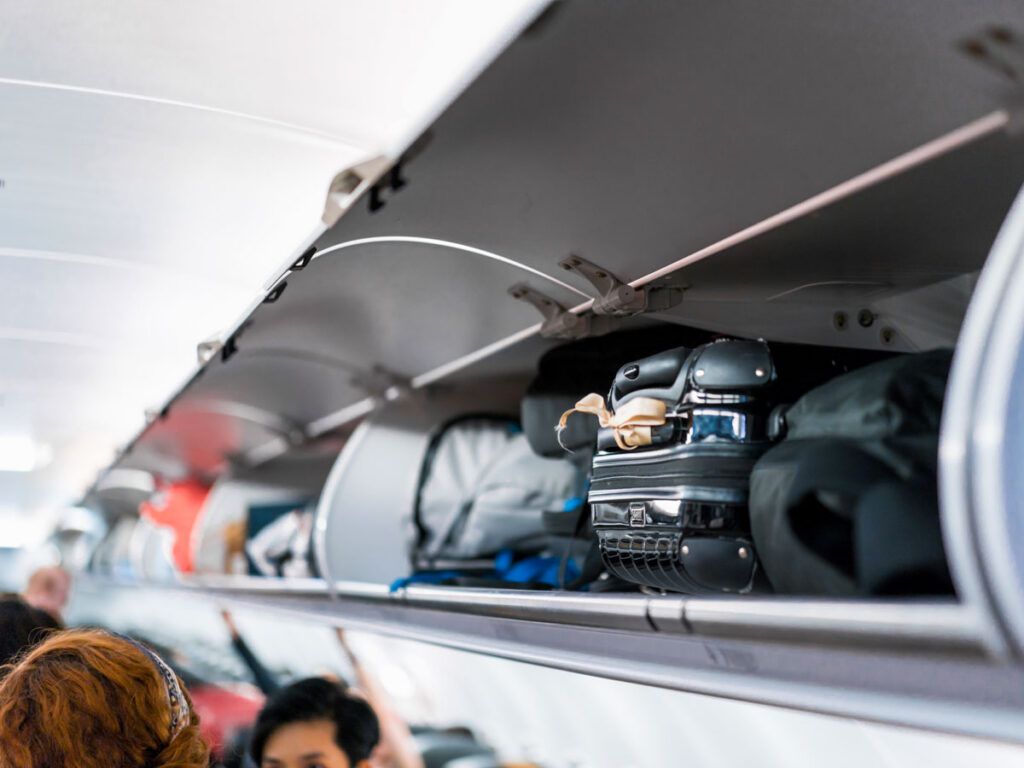
Carry-on luggage is one of the main reasons boarding takes so long, and the problem has only grown with changes to airline baggage policies. In 2008, amid soaring fuel costs, major U.S. carriers began charging for checked bags; in response, bringing more luggage into the cabin (vs. paying to have it stowed in the cargo hold) became the mission.
More bags on board means less space overhead, and when there’s not enough room for everyone’s luggage, passengers wait even longer to get to their seat while free spots are hunted down, luggage is rearranged, or, if you’re especially unlucky, bags are gate-checked and moved to the hold.
While some airlines, such as United, are upgrading overhead bins to accommodate more luggage, larger bins don’t eliminate the problem entirely if boarding processes remain the same. Passengers trying to stow their bags still end up blocking the aisle and holding up everyone behind them.
What’s the Fastest Way To Board a Plane?
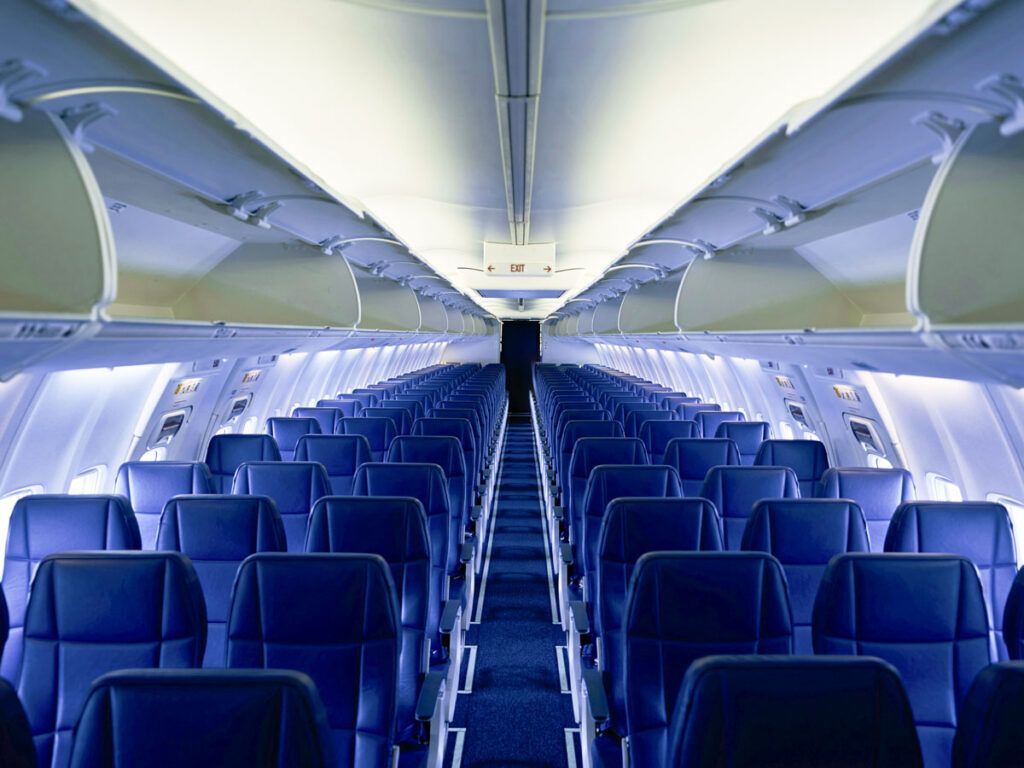
If filling the plane from back to front isn’t the answer, what is? Researchers, including Steffen, have tested a variety of methods, including random boarding and prioritizing passengers according to their seat locations (a luxury, of course, already afforded to customers who pay for priority boarding or seats in higher classes).
One approach is outside-in boarding, in which passengers in window seats board before those in middle and aisle seats. This is the principle behind United Airlines’ “WILMA” system (which stands for “window, middle, aisle”).
However, Steffen came up with an even more carefully organized approach he calls the Steffen Method. Passengers board in a staggered sequence by alternating rows, so those passengers can stow their luggage at the same time without crowding one another. His experiment has passengers seated nearly twice as quickly as the conventional group-boarding approach. The catch is that it’s trickier to implement at a busy airport than in a controlled experiment. Families may want to board together, some passengers may arrive late at the gate, and some people try to get in line no matter where the flight is in the boarding sequence.
Part of a Bigger Picture
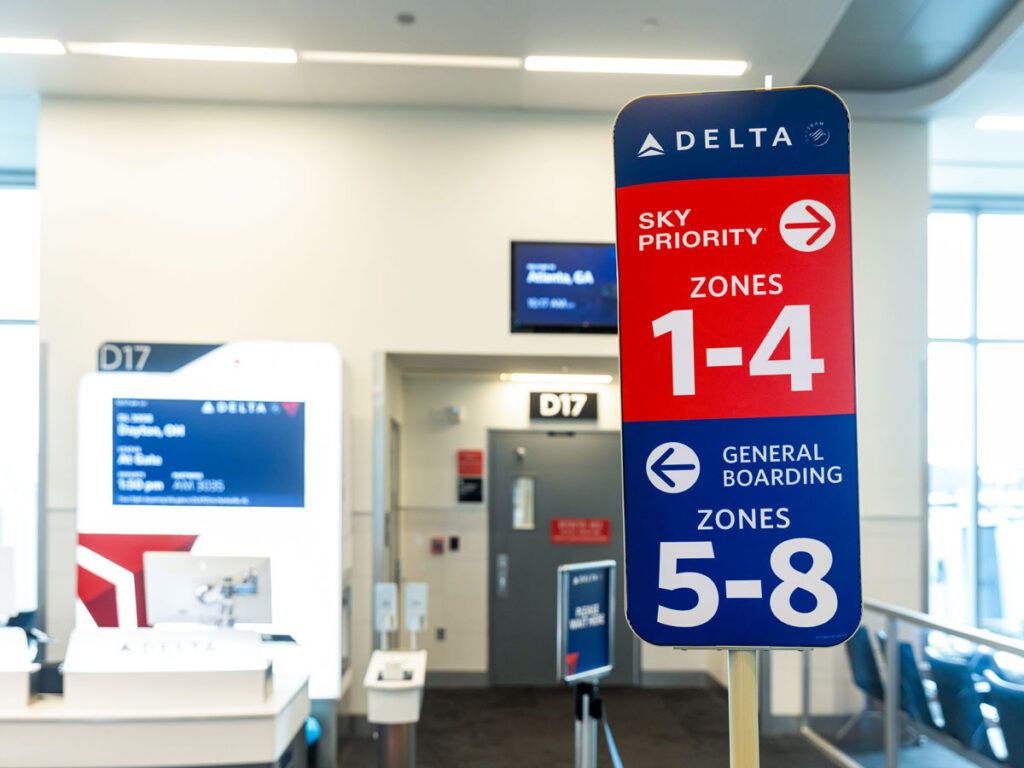
If faster boarding is what everyone wants, why don’t all airlines simply adopt the quickest, most efficient method? The answer comes down to more than logistics. Airline loyalty programs and branded credit cards, which can often offer customers priority boarding, are a major consideration. They’re big business — about 15% of Delta’s annual revenue comes from its SkyMiles loyalty program, for example. A more strict system could make those perks passengers expect in exchange for their loyalty harder to accommodate.
Passenger boarding order can also be part of the bigger picture of load-planning logistics. Airlines must account for the weight and distribution of passengers, baggage, and cargo to keep the plane within its approved weight-and-balance limits. While this doesn’t necessarily mean passengers need to board in a particular order, airlines can account for weight distribution through their seating and loading plans.
Ultimately, airlines work to balance efficiency and customer satisfaction with their own business interests. Until a foolproof system that works for both their customers and their bottom line is found, the boarding scrum is likely to remain a familiar part of the flying experience.
Featured image credit: © Sawada Kedavra/Unsplash.com
More from our network
Daily Passport is part of Inbox Studio, an email-first media company. *Indicates a third-party property.