





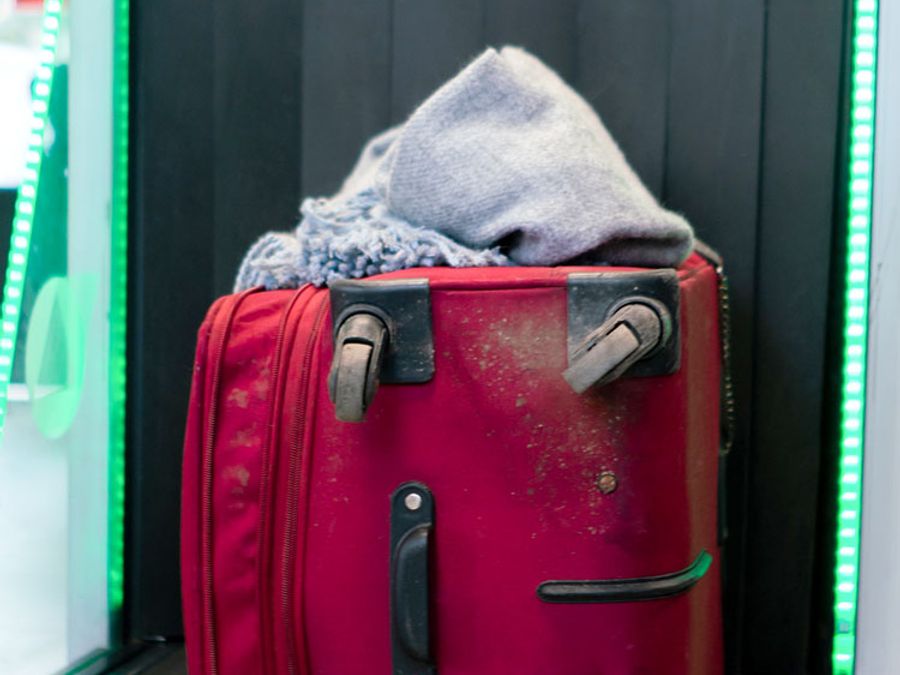
5 Items TSA Scanners Can’t Read Through
5 Items TSA Scanners Can’t Read Through
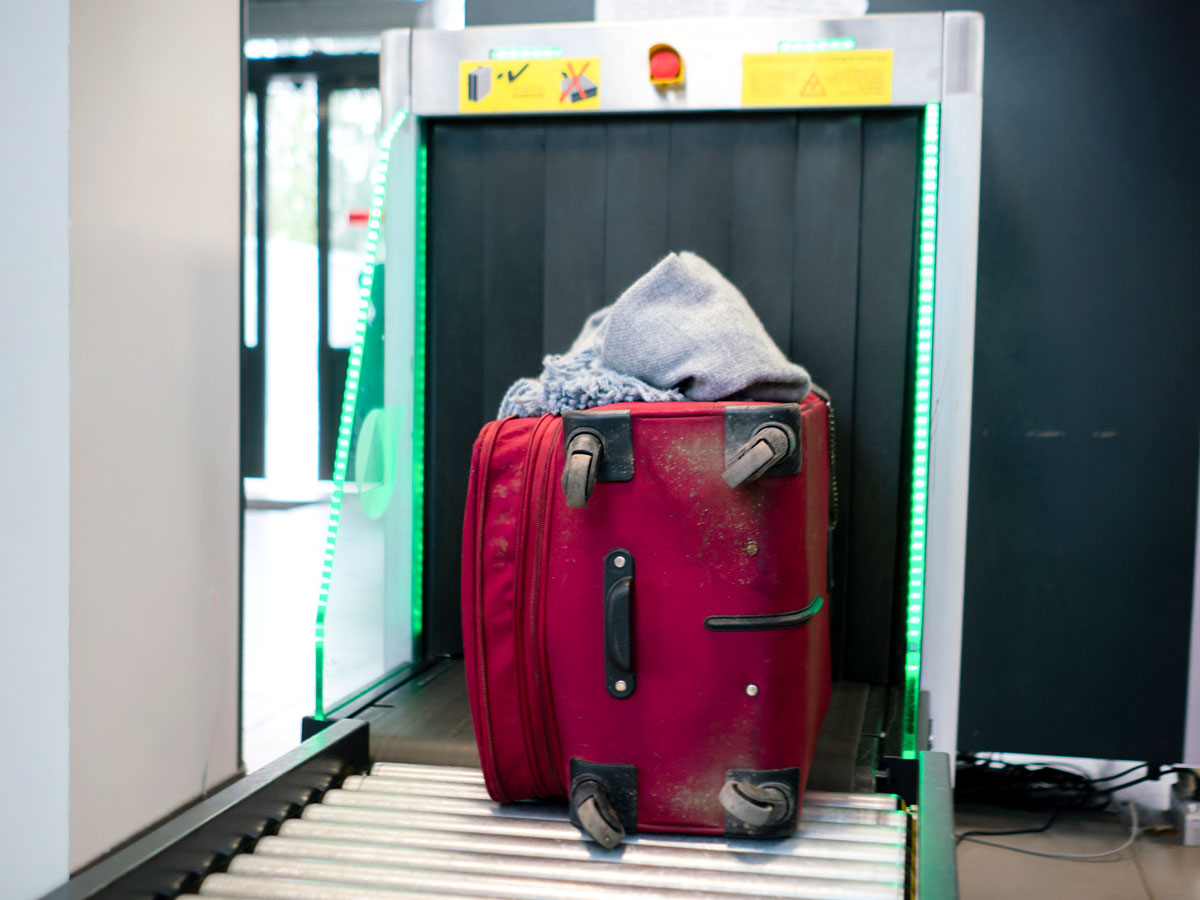

If you’ve ever wondered how TSA scanners work, the short answer is: radiation. People and luggage aren’t scanned the same way, however. Millimeter waves that produce nonionizing radiation are used on us, while ionizing radiation is used on our baggage. Though powerful, these devices can’t detect everything in your bag — in some cases, certain materials may appear as dark shadows on an X-ray machine, obscuring the items packed around them. And when that happens, your carry-on is likely to be taken off the conveyor belt for a manual search. Here are five items that can cause such a response.
Heavy Memory Foam

According to BBC Science Focus, objects show up as one of three main colors when passing through a TSA scanner. Organic materials like paper, food, and explosives read as orange, while metals and glass show up as blue or green. “X-rays launched from one side of the machine are picked up by a pair of detectors on the opposite side,” the BBC explained. “As your bag enters through the lead-lined curtains, it crosses the path of these X-rays and absorbs some of the energy they carry. This means that the X-rays that passed through your stuff have less energy than those that sailed straight past.”
The trouble is, the denser the material, the darker the color — hence why the scanner may have trouble getting a read on the heavy memory foam pillow you packed. Such material is simply too dense for the machine, so it may be pulled aside for a physical search by an officer.
Books

Depending on how many pages are in that paperback you bought at Hudson News to occupy yourself both at the gate and on the plane, your airport reading might also confuse the scanner. Dense books are hard to see through, meaning magazines will be fine but the 476-page copy of Project Hail Mary you picked up after seeing the movie might not be.
Laptops and Large Electronic Devices

The battery and other mechanical components of a laptop are too dense for many X-ray machines to penetrate. The reason the TSA requires you to remove the device from your bag is that the components of a laptop essentially create a solid barrier, which can be used to obscure other items packed into the same bag. This could mean knives, smaller firearms, or any other potentially dangerous items packed by people looking to cause damage or harm. This is mainly true of the older scanners still in use at many airports; newer 3D computed tomography (CT) scanners make use of more advanced technology that allows travelers to keep laptops in their bags.
Coin Collections

You may love your collection of state quarters that was all the rage in the early 2000s, but that doesn’t mean you should bring the entire 50-coin set on your flight. The dense metal contained within will appear as solid, opaque blocks to the X-ray machine, virtually guaranteeing a secondary inspection that will slow down your airport experience.
Metallic Foil Packaging
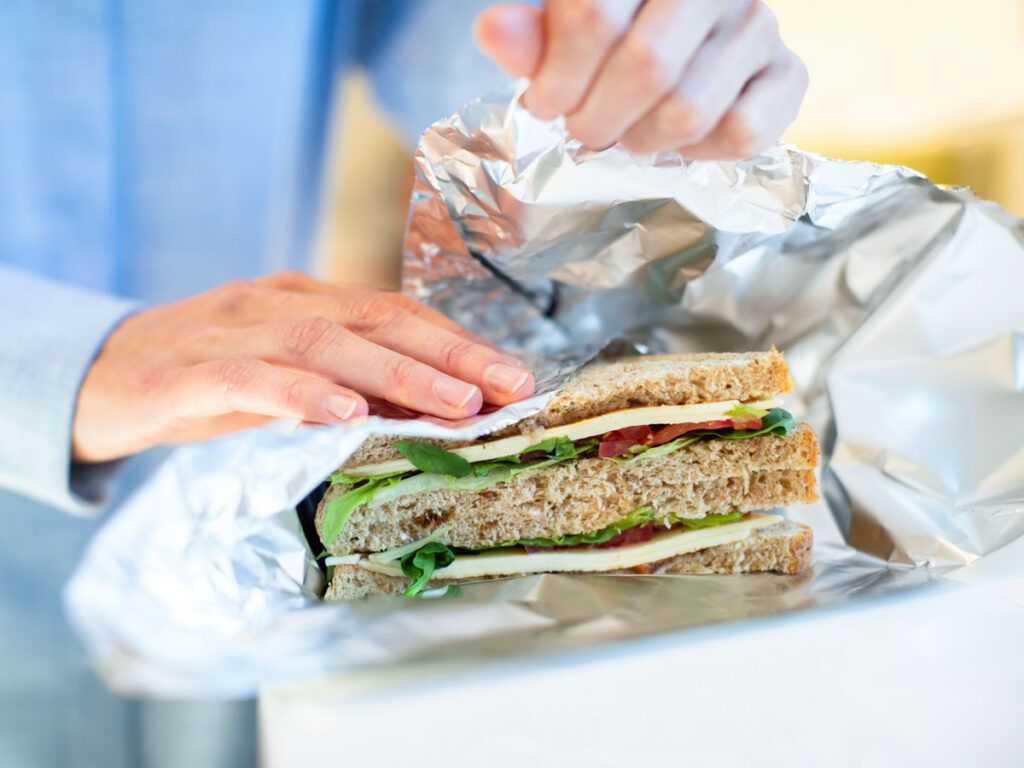
Thick metallic foil packaging — the kind usually made of mylar and used for certain foods and beverages — will likewise cause you problems. Bags of chips or a snack you wrapped in foil and brought from home will be fine, but thicker material might not. Save yourself some trouble and pack anything wrapped in such material in your checked bag instead.
Featured image credit: © Mihail/stock.adobe.com
More from our network
Daily Passport is part of Inbox Studio, an email-first media company. *Indicates a third-party property.