





Your Carry-On Might Be Too Big for the TSA’s New Scanners
Your Carry-On Might Be Too Big for the TSA’s New Scanners
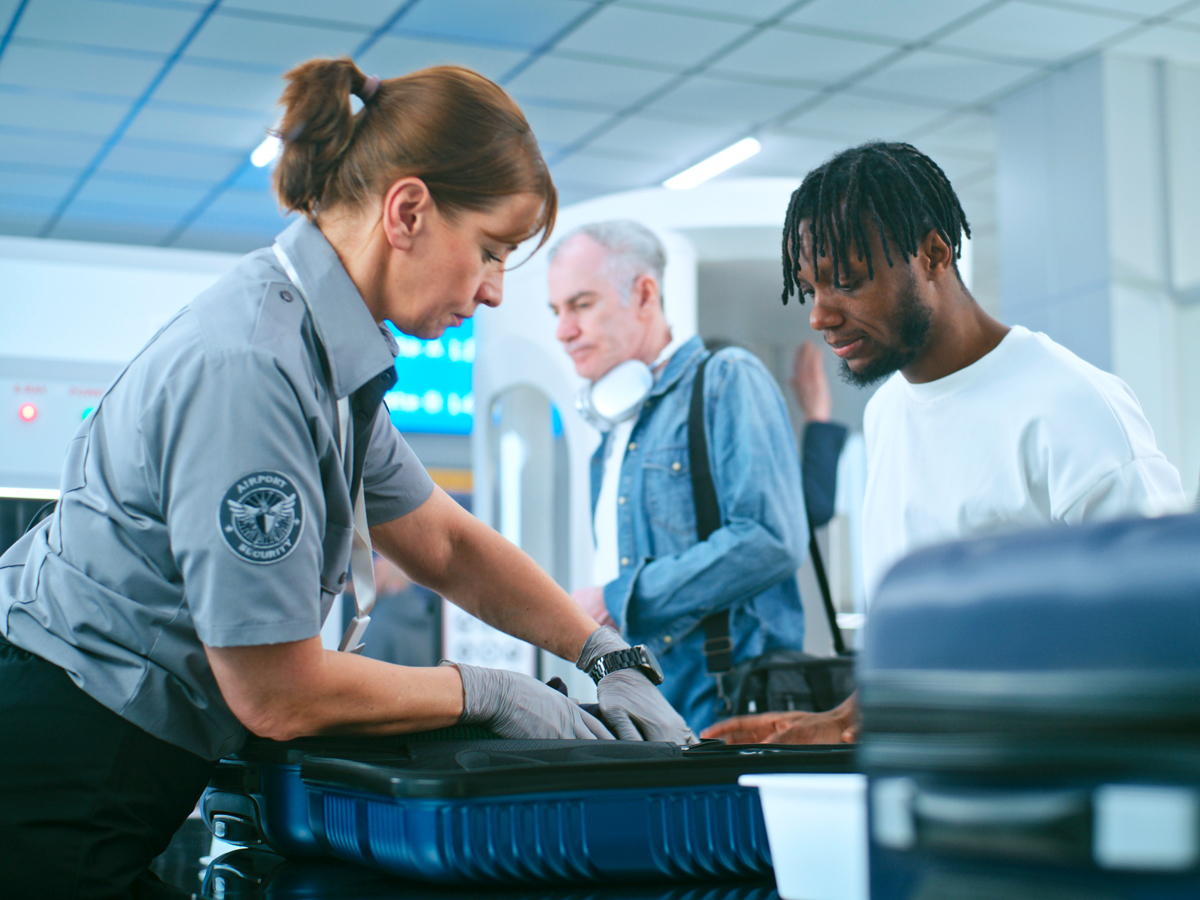

In an effort to expedite the screening process, the TSA has spent the last several years installing new, highly advanced scanners at airports across the country. But for all the security benefits these machines offer, there’s a potential snag when it comes to carry-on luggage: The bag you’ve been traveling with for years may be too big for the new devices. Here’s what you need to know to avoid this possible headache.
A Quick Look at the TSA’s New Scanners
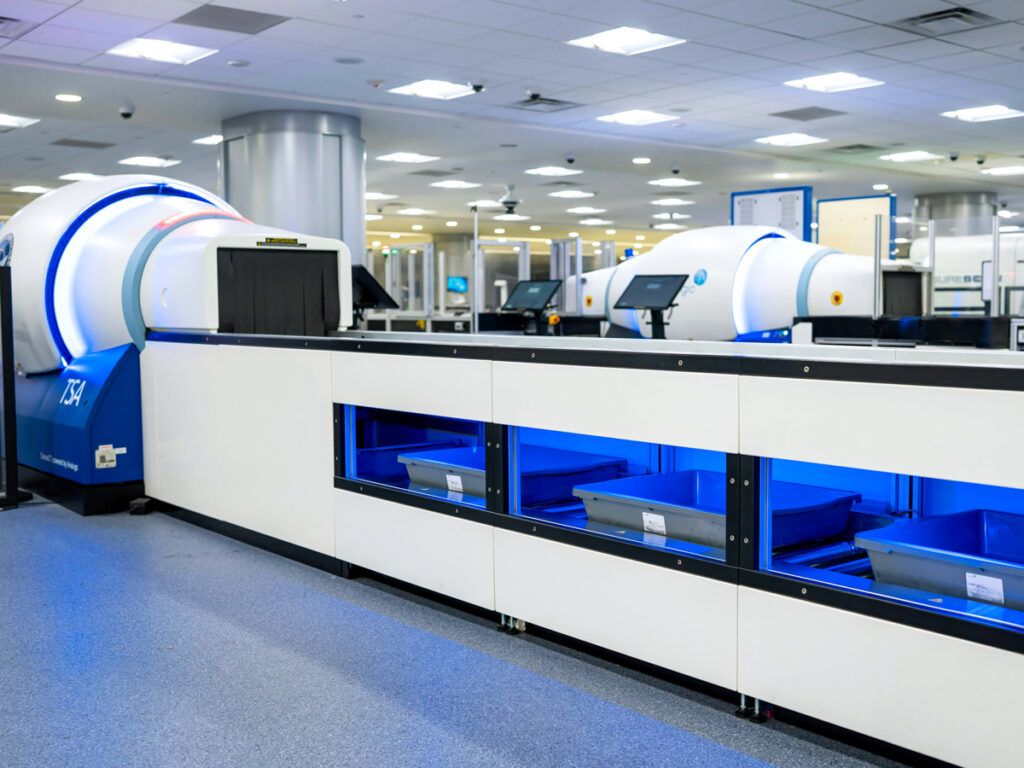
Since testing started in 2017, the TSA has continued a rapid rollout of the new scanners at airports across the country. As of July 2026, the agency has installed 1,162 CT scanners at 296 locations, with plans to continue to increase the number of units and replace older devices.
“CT” stands for “computed tomography.” The technology creates high-resolution, 3D images that paint a clear picture of what’s inside each bag — a big improvement over the simpler 2D images produced by older scanners. In practice, this means that flyers may be able to keep items such as laptops or toiletries inside their luggage without placing them in a separate bin, thus speeding up the process without compromising safety.
How This May Affect Your Carry-On
The potential concern lies in the size of the physical devices, however. While many older airport scanners have openings of around 25.2 inches by 16.9 inches, the openings of the new CT scanners measure only 24.5 inches by 16.5 inches. That may not seem like much of a difference — it’s less than an inch on each side — but bags that were borderline before may be too big now. The TSA acknowledged this in a statement, saying that “CT units have a slightly smaller entry tunnel, and not all larger carry-on bags will fit into the units.”
This likely won’t be a problem for most travelers, as the standard carry-on limit of around 22 by 14 by 9 inches still fits comfortably within the new scanners. But some airlines may permit bags that are slightly larger, and flyers often fail to account for the size of their bag’s wheels or handle. If those design features prevent the luggage from sliding through the machine, it may cause issues or logjams at the checkpoint.
Potential Remedies
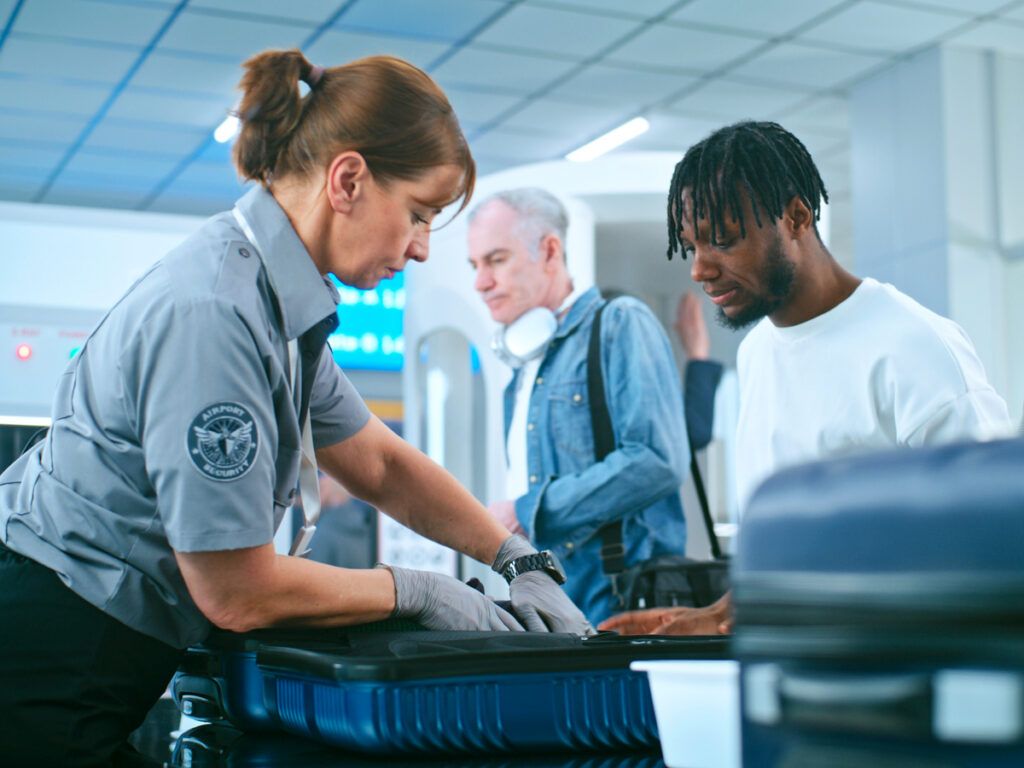
So, what should travelers do? In its statement, the TSA suggests “that large carry-on items be checked with the airline.” That said, some flyers aren’t interested in paying more to check their bag, while others prefer to avoid waiting at baggage claim after their flight.
tIn a statement shared with WRIC ABC 8 News, the agency also said that “TSA officers are available to assist travelers with larger items or special needs to help ensure a smooth screening process.” However, the TSA didn’t clarify how exactly those officers would be able to assist. One possibility is that the officer may simply direct you to a screening lane with an older and larger scanner. But as airports continue to swap out the old technology for new CT scanners, that option will become less reliable.
Another scenario is that the agent may opt to inspect your bag manually, though this adds time and makes the screening process less fluid. They might also tell you to return to the baggage check area and check your luggage with the airline. This may be a nuisance, but it could be your only choice if your carry-on is too large. And if that’s the case, it may be time to reconsider your luggage for your next trip.
More from our network
Daily Passport is part of Inbox Studio, an email-first media company. *Indicates a third-party property.