




It Just Got Easier To Travel With Liquids at Certain Airports
It Just Got Easier To Travel With Liquids at Certain Airports

Few things spoil the excitement of a trip faster than holdups at airport security. Juggling jackets, jewelry, electronics, and liquids through the checkpoint is an all-too-familiar ritual for flyers, but that unavoidable hassle could get a little bit easier soon. The Transportation Security Administration (TSA) has installed new technology at airports across the country that allows travelers to leave approved carry-on liquids in their bags during screening (a perk already enjoyed by PreCheck members). Here’s what you need to know about the updated protocols.
New Technology Is Making It Happen
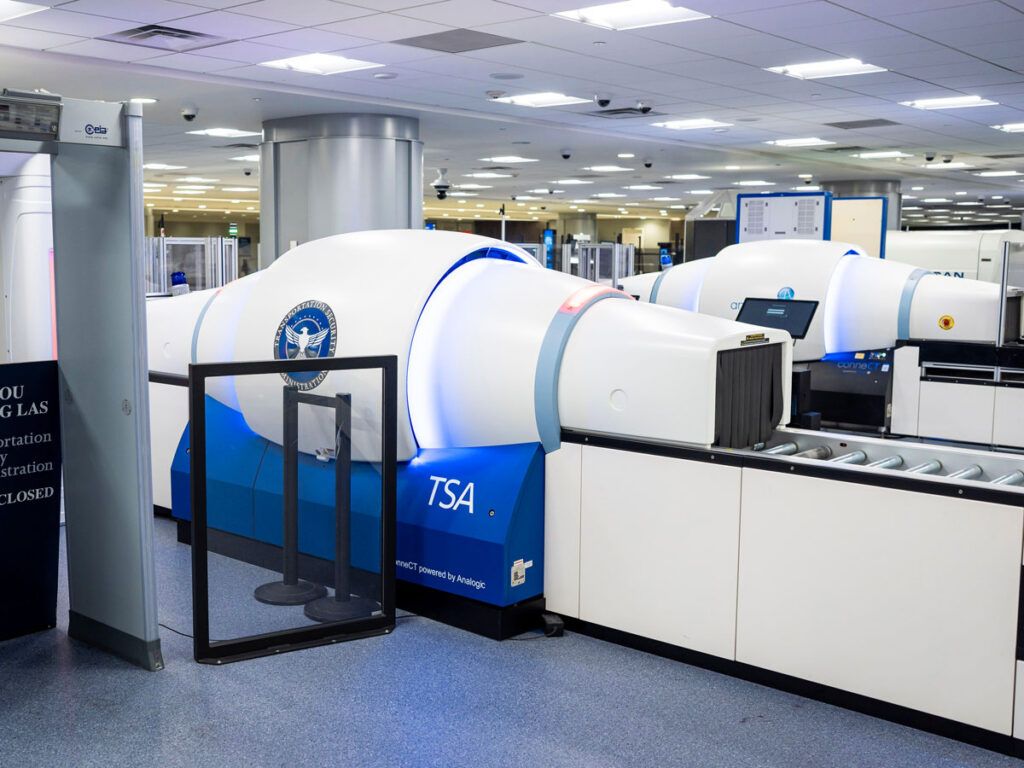
Your travel-sized toiletries may finally get a break from the airport security shuffle. New high-tech scanners outfitted with computed tomography (CT) technology have replaced older scanners in some TSA security lanes.
The sophisticated equipment produces 3D images of carry-on bags, allowing TSA officers to clearly see inside. This helps them screen items, including liquids, more efficiently. “CT technology utilizes advanced algorithms to identify explosives, including liquid explosives and other threat items,” Peter Duffy, federal security director for the state of Alaska, said in a TSA statement following the installation of two new CT machines at Juneau International Airport in July 2026.
As part of the rollout, the TSA has announced a change to long-standing security guidelines: Passengers don’t need to remove 3-1-1 liquids (travel-sized liquids that comply with the 3.4-ounce rule) from their bags when using lanes equipped with the new CT scanners. “However, if a bag requires further screening, a TSA officer will inspect it to ensure that a threat item is not contained inside,” the TSA stated. If this happens, an officer will direct you to a nearby inspection station.
Keep in mind that older scanners are still common, and many airports with the technology have only partially converted. If your security lane hasn’t been updated, TSA personnel may ask you to remove your liquids before putting them through the scanner. It’s always best to follow the instructions posted at the checkpoint and given by TSA officers to keep the process running smoothly.
Does This Change the 3-1-1 Rule?
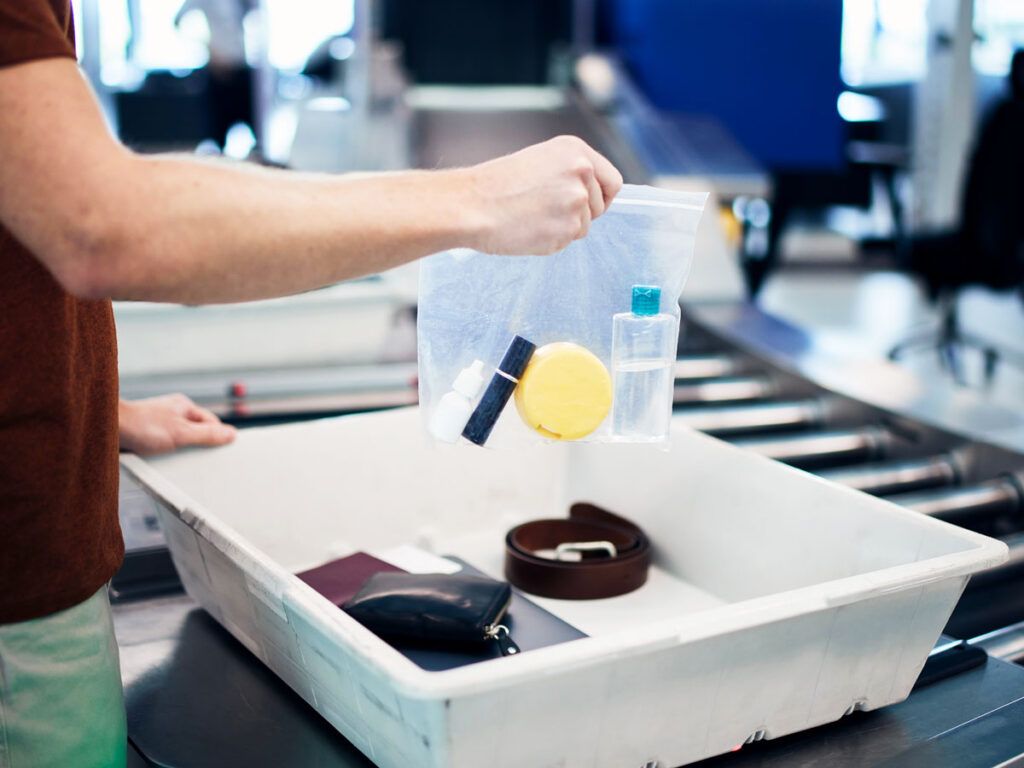
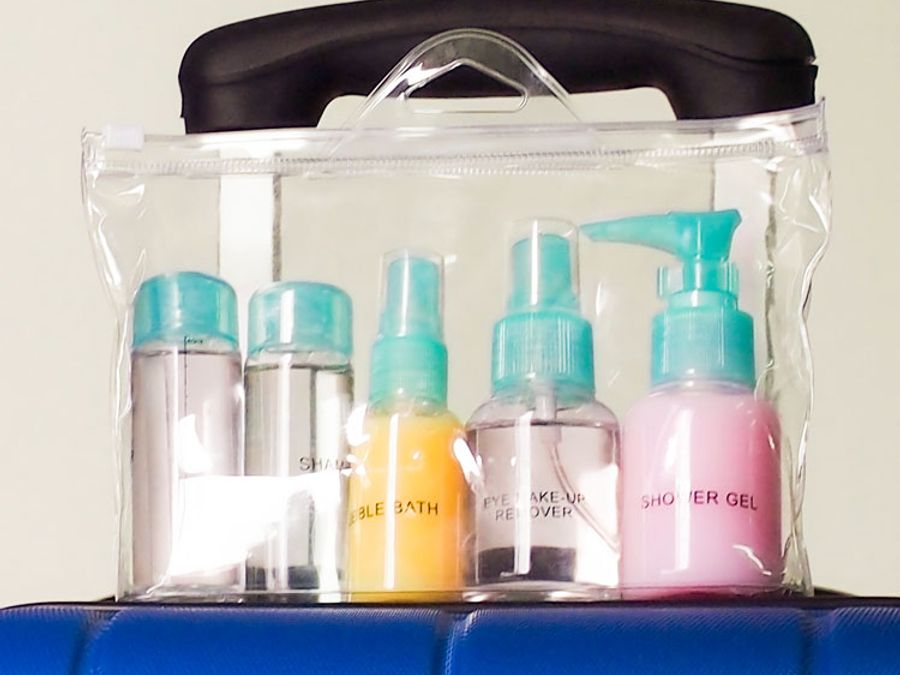
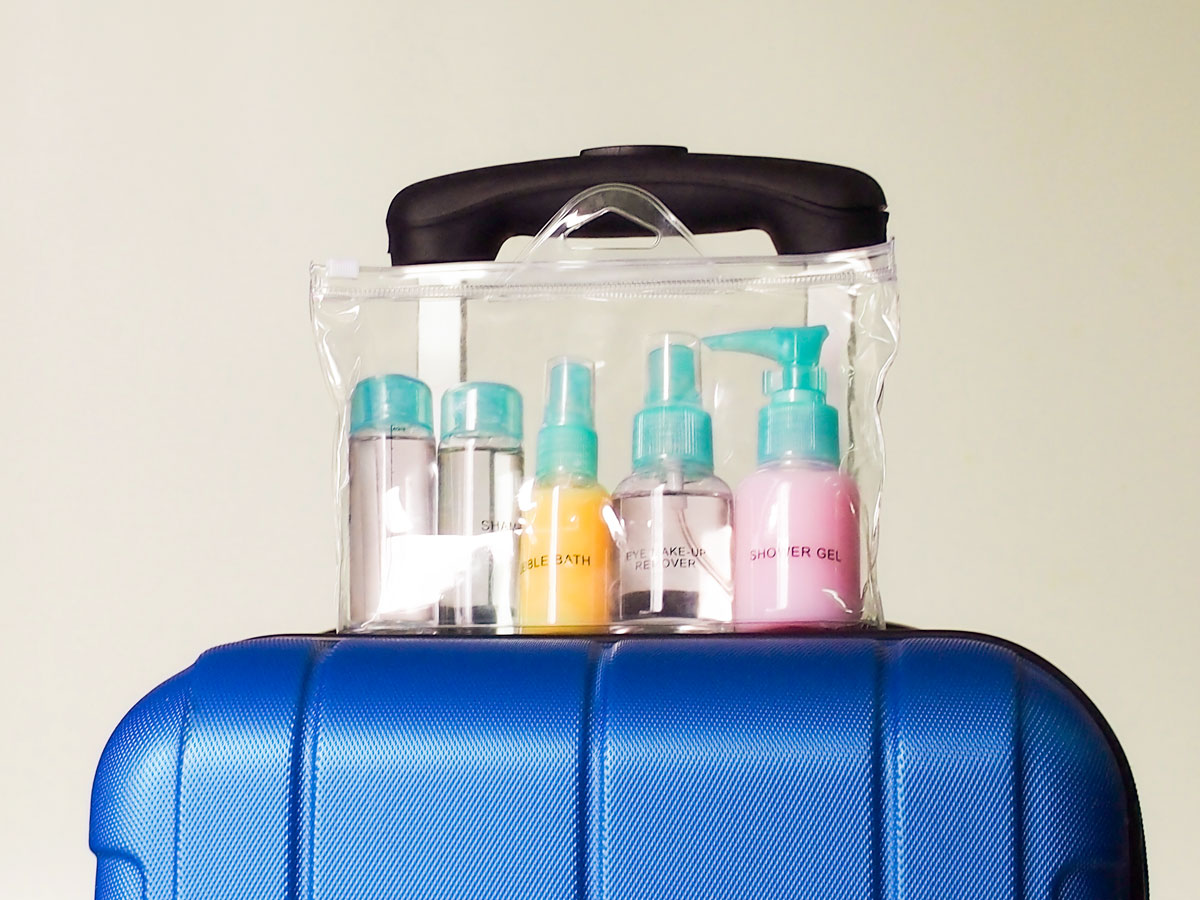
While the updated technology should reduce the time travelers spend at airport security checkpoints, it won’t allow them to pack more liquid in their carry-on luggage. The 3-1-1 liquids rule still applies to U.S. airports: Individual liquids are limited to 3.4 ounces (100 milliliters) or less, and they must all fit inside one quart-sized bag.
This includes common liquid and gel toiletries such as toothpaste, shampoo, and lotion, as well as aerosols such as hairspray and spray-on sunscreen. If you’re traveling internationally, similar travel-sized liquid limits (typically 100 milliliters or less per container) remain the same at most international airport security lanes equipped with the new scanners.
Which Airports Have This Technology?
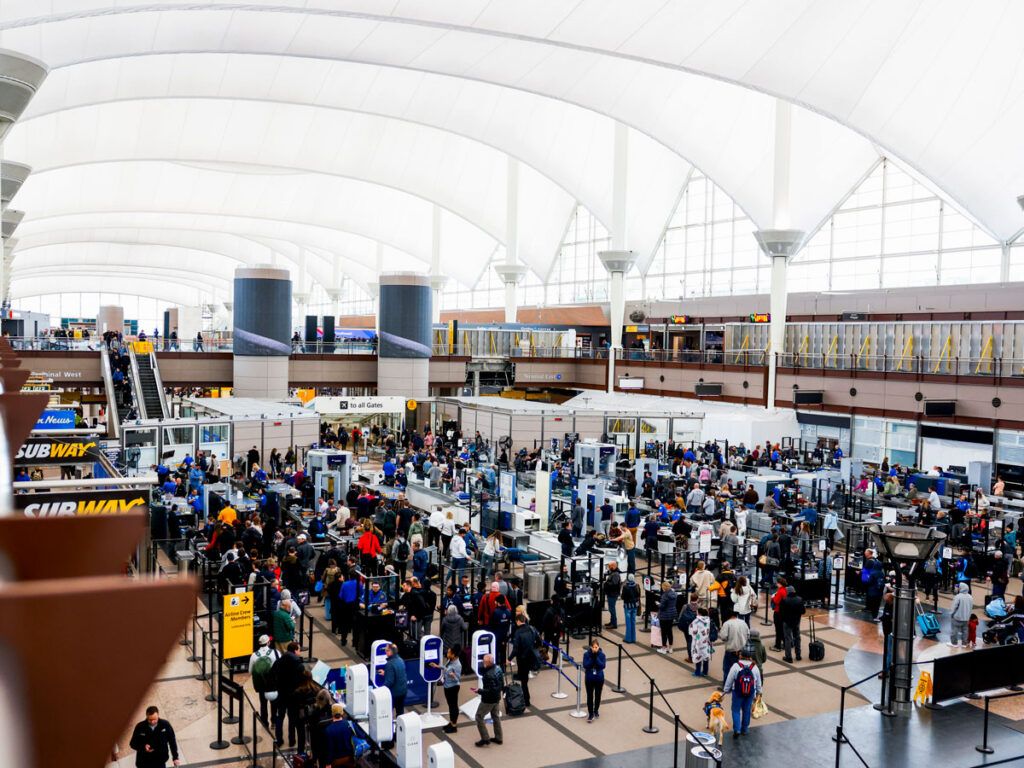
The new CT scanners have been installed at many airports around the country, from small, regional airports like Hawaii’s Lihue Airport to busy hubs like Denver International. As of mid-2026, 296 U.S. airports had installed a total of 1,162 new CT scanners.
This technology is also rolling out internationally. In Canada, it’s being used at hubs such as Toronto Pearson International Airport and Vancouver International Airport. As is the case in the U.S., passengers passing through Canadian security lanes with the new scanners no longer need to remove travel-sized liquids of 100 milliliters or less per container.
The European Union and the U.K. have also deployed CT scanners at select locations. In January 2026, London Heathrow Airport became the world’s largest airport to fully implement the next-generation security scanners, updating lanes in all four of its terminals. London travelers can now keep liquids in containers up to 2 liters in their bags during security.
Wondering about liquid limitations ahead of your next adventure? Rules vary, so check the airport’s official guidance online before you fly.
Featured image credit: © Duangjan/stock.adobe.com
More from our network
Daily Passport is part of Inbox Studio, an email-first media company. *Indicates a third-party property.