




You May Soon Be Able To Bring a Full Water Bottle Through TSA
You May Soon Be Able To Bring a Full Water Bottle Through TSA

From introducing advanced new scanners to allowing passengers to keep their shoes on, the TSA has been making some major updates to its screening processes as of late. But one familiar and often frustrating rule for travelers has remained in place: a strict limit on the amount of liquids allowed through the checkpoint. Now, the TSA is exploring the possibility of easing those rules for some travelers for the first time in over 20 years. Here’s what you need to know.
A Change in Liquid Rules for PreCheck Members?
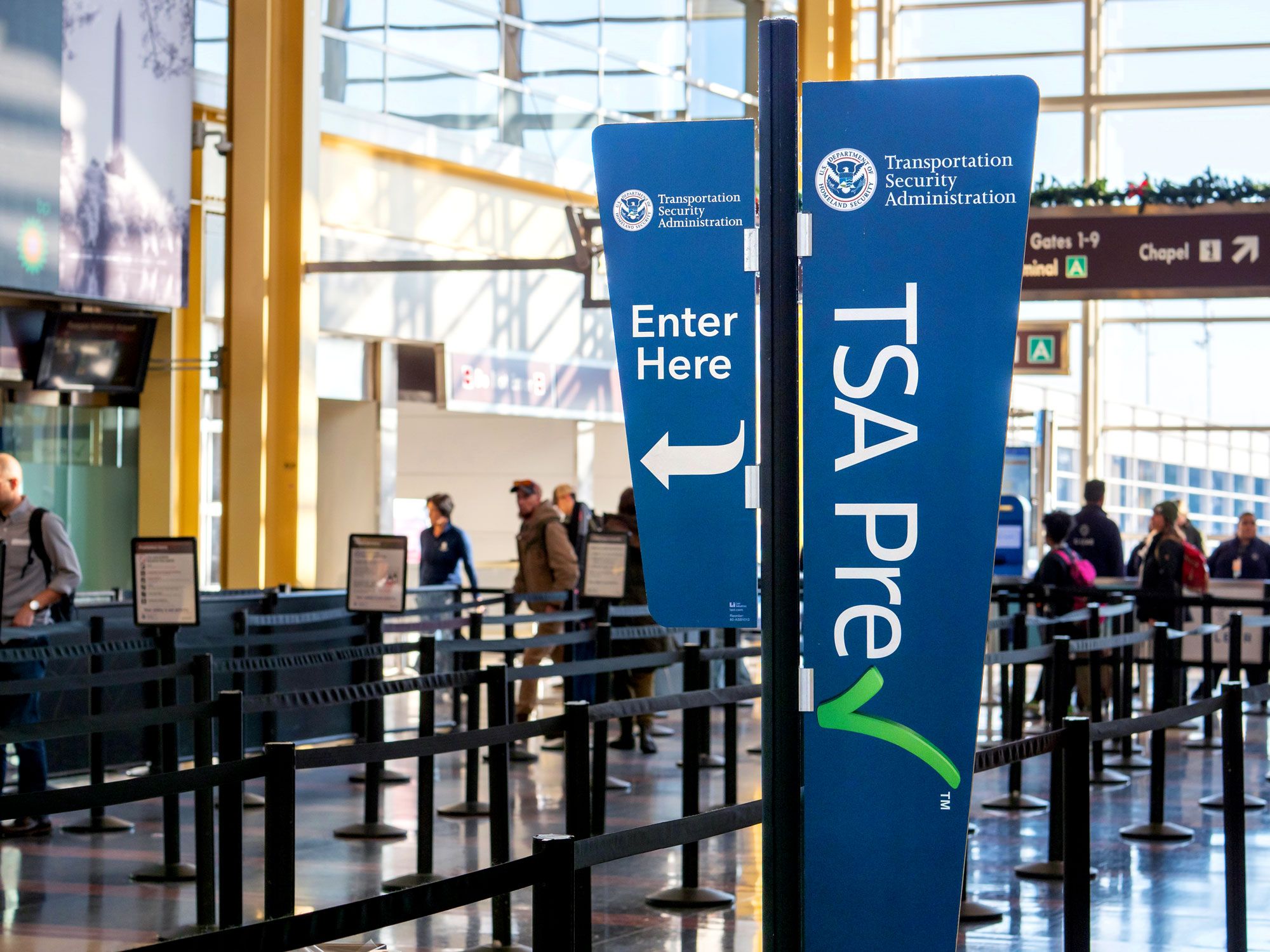
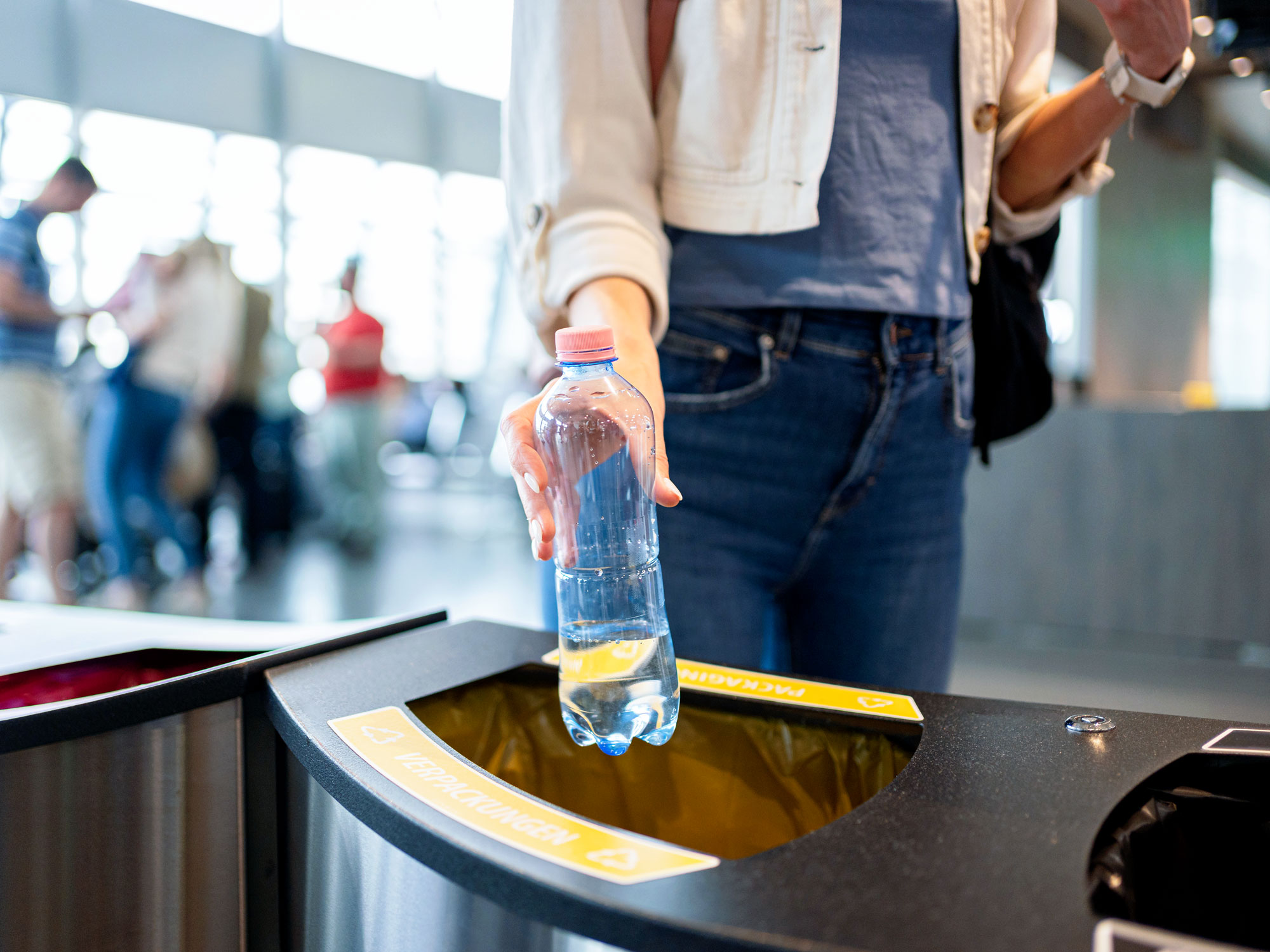
Since 2006, the TSA has imposed a 3.4-ounce limit on most liquids, aerosols, and gels inside carry-on luggage. Two decades later, it’s still a familiar scene at the checkpoint to see officers reminding travelers to pour out any remaining liquid in their water bottles before passing through the scanners.
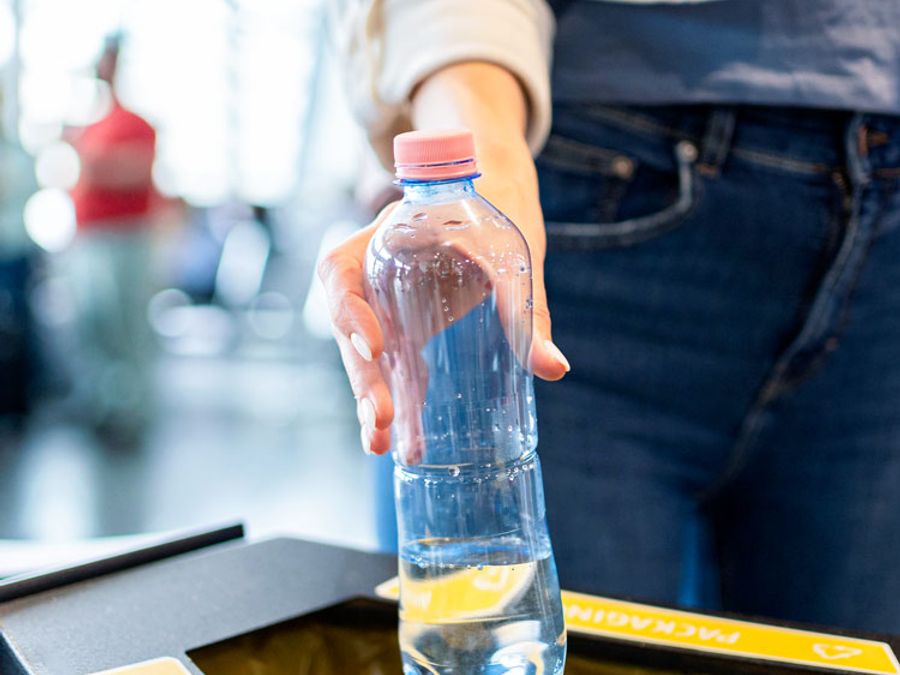
However, dumping your water bottle could soon become a thing of the past for select passengers. According to recent ABC News and CBS News reports quoting a TSA administrator and other senior officials, the agency is actively considering allowing some travelers to carry a full water bottle through the checkpoint.
The new policy would be limited to people with TSA PreCheck, a program that allows preapproved, low-risk travelers to use expedited screening lanes at U.S. airports. (It currently costs $85 or less for a five-year membership.)
According to CBS News, the change could be rolled out at select airports over the coming months, but the quoted officials did not specify which airports could see the updated rules. Another official told The New York Times that the new policy was unlikely to be implemented before the busy holiday rush this year. Additionally, the eased restrictions would apply only to water bottles — all other liquids would still be subject to the current restrictions.
New Technology Makes It Possible
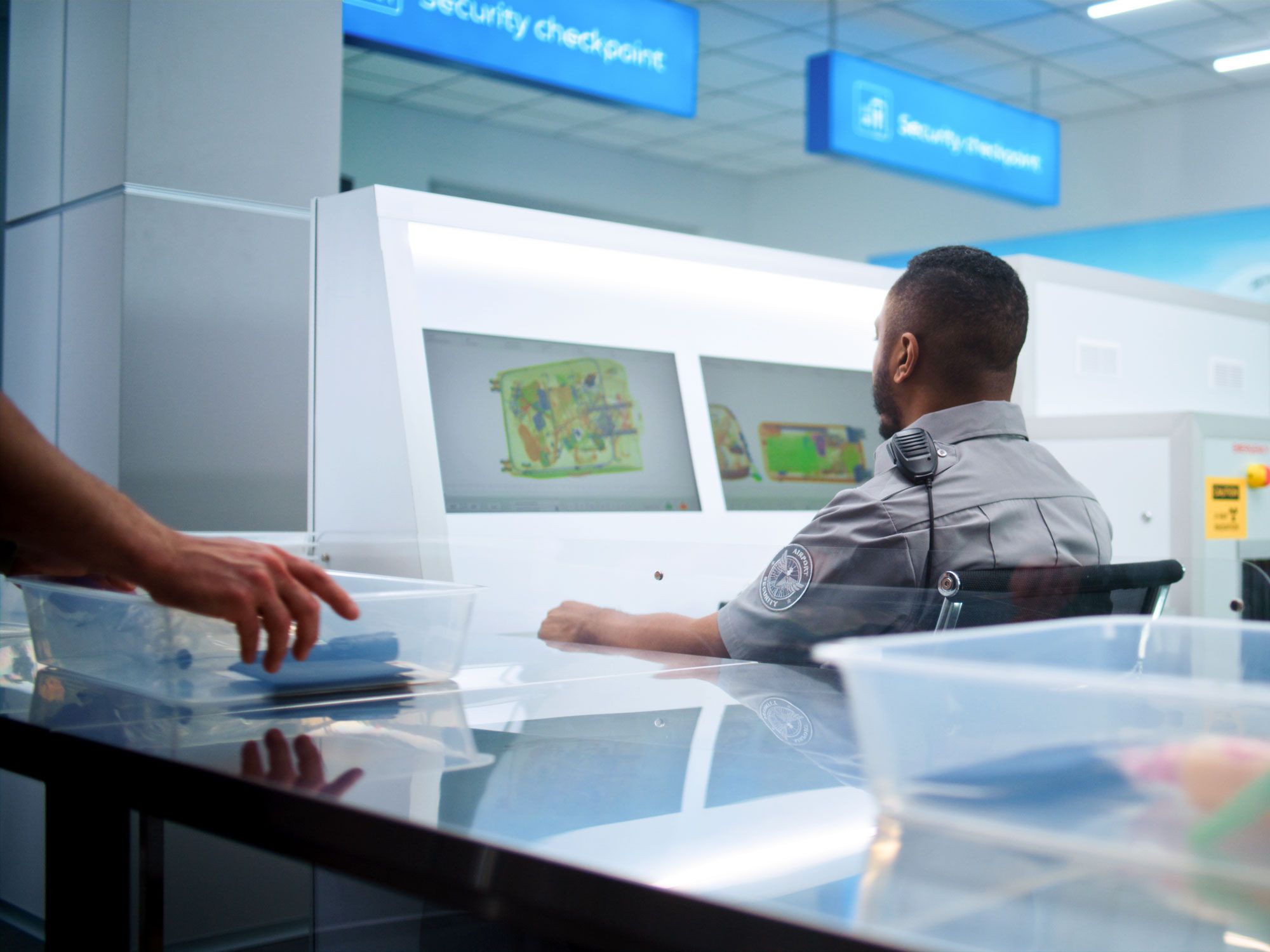
In 2017, the TSA began testing new computed tomography (CT) scanners. There are now more than 1,100 of these advanced scanners at nearly 300 airports across the country. Each one produces high-resolution, 3D images that give officers a better look at what’s inside each bag than older scanners can provide.
The new technology can scan full bottles of liquids and distinguish water from other substances to identify potential threats. However, according to CBS News, the TSA “has not yet acquired it at the scale needed to roll out nationwide, even just for PreCheck users.” Many airports, especially smaller ones, still lack the new technology, which is why the liquid policy would be updated only at select airports to start.
Other Recent TSA Updates
While the TSA hasn’t officially made any updates to its liquid policy yet, it did just roll out another change for PreCheck members. As of this month, people with TSA PreCheck can apply for a pass to get beyond the security checkpoint at select airports even if they aren’t traveling. This allows them to escort family and friends to the gate or even meet up with someone during their layover.
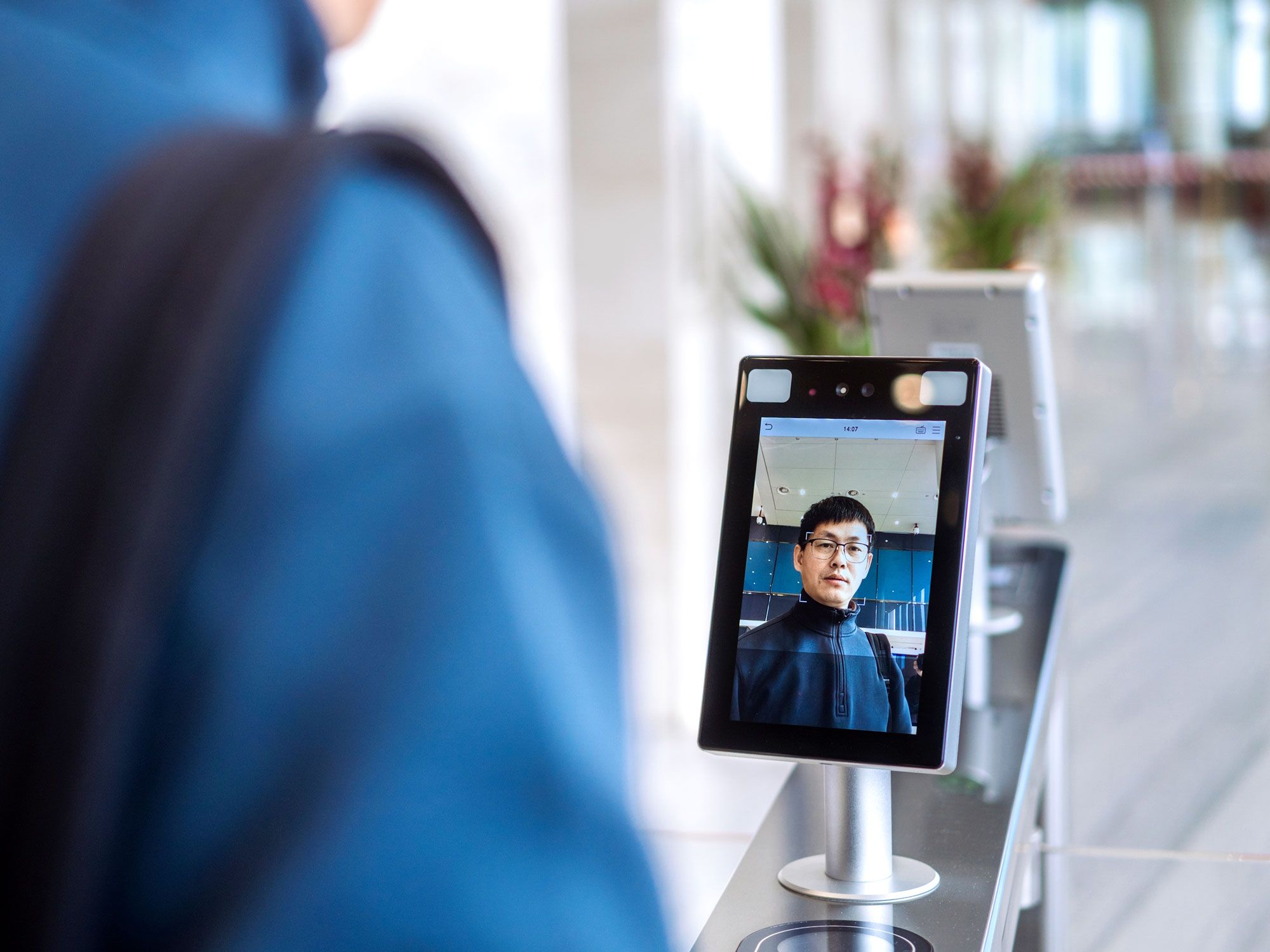
Prior to that, in June, the TSA opened its first-ever remote terminal near Boston’s Logan Airport, allowing travelers to undergo screening before boarding a secure bus to the terminal, skipping the long lines at the airport. And earlier this year, the agency rolled out its Touchless ID program to 65 airports. It uses biometric facial comparison technology (instead of physical IDs) to verify eligible travelers, expediting them through the checkpoint.
Perhaps the biggest recent change, however, came last summer, when the TSA finally abolished its long-standing policy requiring travelers in the general screening lane to remove their shoes.
Featured image credit: © FluxFactory—E+/Getty Images
More from our network
Daily Passport is part of Inbox Studio, an email-first media company. *Indicates a third-party property.