





The Busiest Days of the Year at TSA Checkpoints
The Busiest Days of the Year at TSA Checkpoints
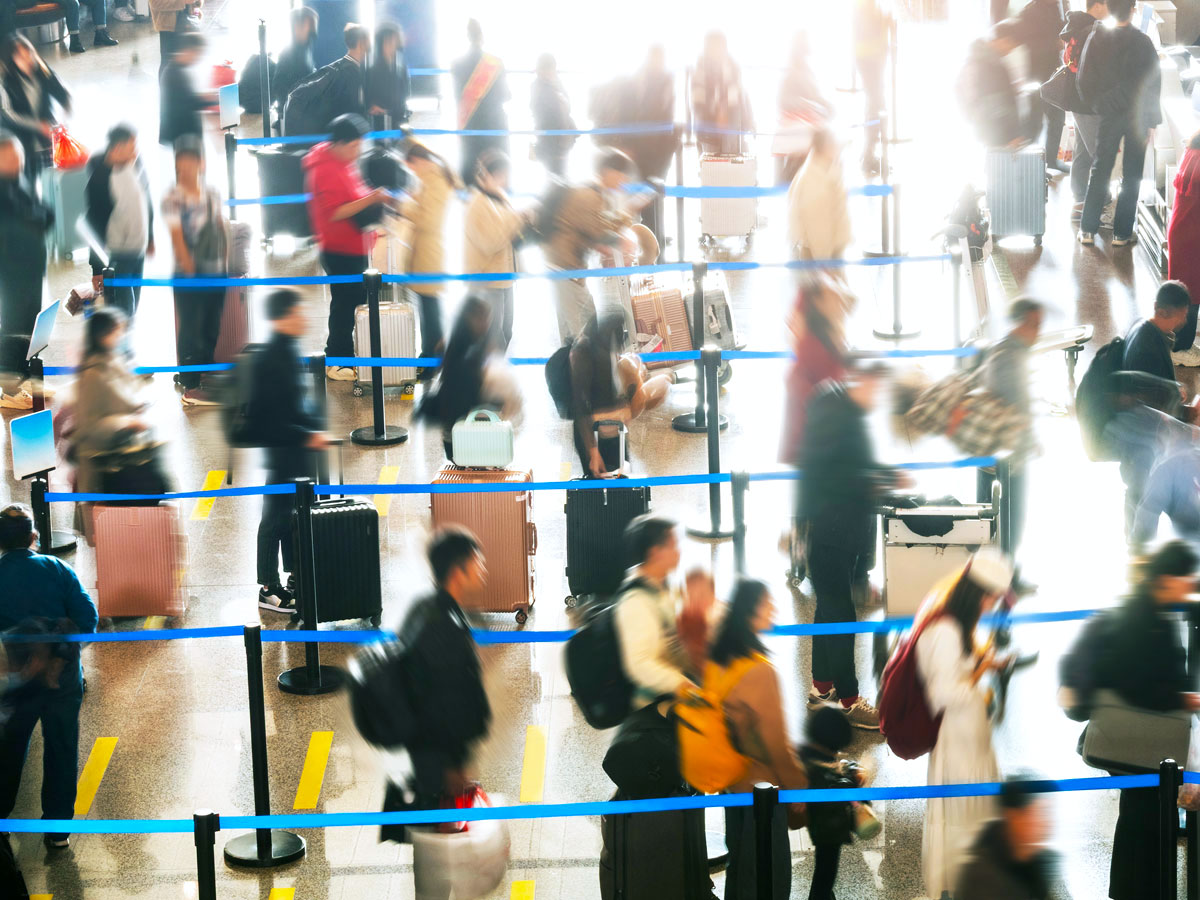

Millions of Americans take to the skies each year, but certain days are considerably more popular than others. During these peak travel periods, you’ll find packed TSA lines, crowded terminals, busy airport restaurants, and long waits for rideshares and taxis. To help you plan ahead for your next flight and to give you a sense of what to expect in 2026, we examined TSA security checkpoint data for the year 2025 to find which travel days were the busiest. Here’s what we found.
The 10 Busiest Travel Days
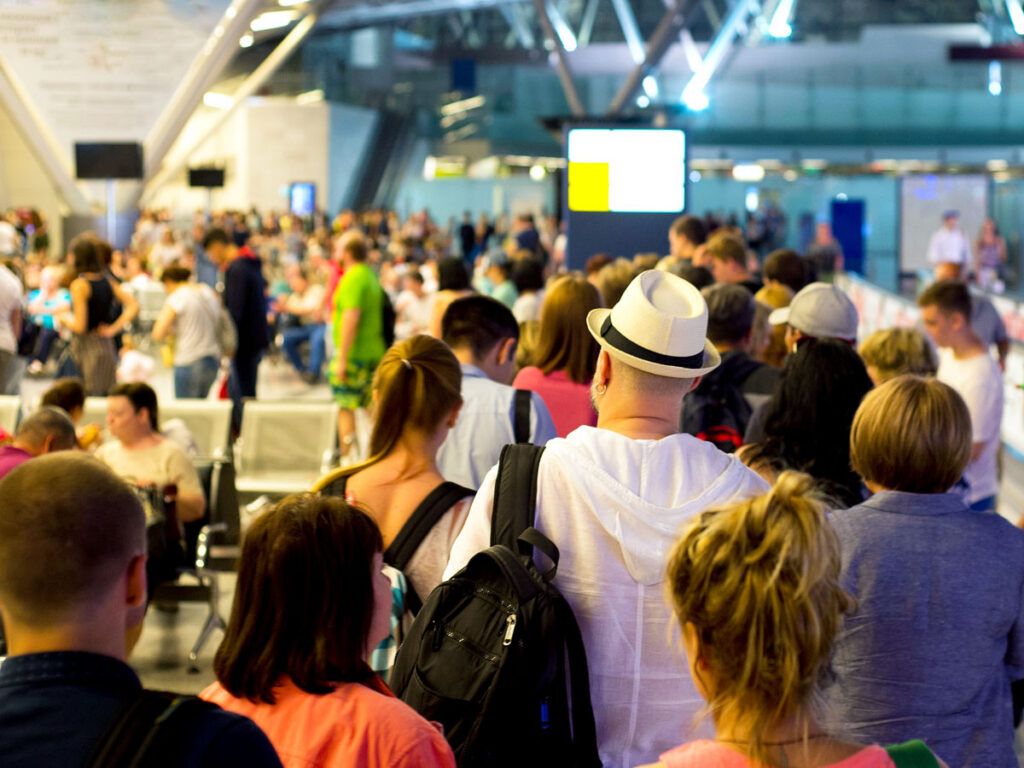
The following rankings are based on the total number of flyers who passed through TSA security checkpoints in the U.S. on each day in 2025. According to that data, these were the top 10 busiest travel days last year:
- November 30: 3,134,613 passengers
- June 22: 3,096,797
- July 20: 3,043,973
- July 6: 3,041,954
- July 27: 3,017,861
- October 10: 3,017,612
- May 23: 3,010,183
- July 13: 3,007,773
- August 1: 2,999,166
- July 17: 2,998,225
In 2025, the busiest travel day of the year, November 30, fell on the Sunday after Thanksgiving. While airports were quieter on the holiday itself (only 1,559,165 people flew on Thanksgiving Day), the crowds picked up in the days thereafter as people returned home en masse.
More than 2.3 million people flew on the Friday after Thanksgiving, over 2.6 million on Saturday of the holiday weekend, and a whopping 3.1 million on Sunday. This continues a trend from 2024 — the Sunday after Thanksgiving was also the busiest travel day that year, with 3,088,836 passengers passing through TSA checkpoints in the U.S. With Thanksgiving 2026 set for Thursday, November 26, you can likely expect similar crowds on Sunday, November 29, 2026.
Otherwise, the most crowded airport days last year were in summer, when the weather is nicer, school is on break, and many people are more likely to take trips. Travel for the season began to ramp up on May 23, the Friday before Memorial Day (aka the unofficial start of summer), and peaked on June 22, the second-busiest travel day of the year. Several July dates also ranked in the top 10, including July 6, the Sunday after Independence Day.
The one outlier not in summer (outside of Thanksgiving weekend) was October 10, which ranked as the sixth-busiest travel day in 2025. This date also fell over a holiday weekend: October 10 was the Friday before Indigenous Peoples’ Day, and it seems many Americans used the chance to take a long weekend trip.
Managing Busy Travel Days

While you can try to avoid busy days at the airport, sometimes travel plans aren’t flexible. But as stressful as these busy travel days may be, there are a few steps you can take to navigate jam-packed airports. Our holiday travel survival guide offers practical tips to help you make it past security and stay comfortable throughout the duration of the journey, including how to speed through TSA and how to pack efficiently to avoid rummaging through your carry-on.
Also, be sure to allow yourself more time to check in during the busiest travel days of the year, or you may end up scrambling to reach the gate at the last minute. A typical rule of thumb is to arrive at least two hours before a domestic flight and three hours before an international one, but during the busiest travel periods, the earlier you can arrive, the better. While you may have to kill some time in the terminal, an early arrival at the airport lessens the odds of missing a flight.
Another tip for any busy summer travel is to avoid flying in the afternoon and early evening. The logic behind this is that during the summer, heat builds during the morning, which leads to larger storm clouds forming in the afternoon. This can result in thunderstorms, which can lead to flight delays. To lessen the potential risk for weather delays as well as delays from late inbound aircraft (often the top reason for delays), consider an early morning flight if you’re traveling during summer.
Featured image credit: © baona—iStock/Getty Images
More from our network
Daily Passport is part of Inbox Studio, an email-first media company. *Indicates a third-party property.