



Flight Attendants Are Now Preparing Cabins for Landing Earlier
Flight Attendants Are Now Preparing Cabins for Landing Earlier
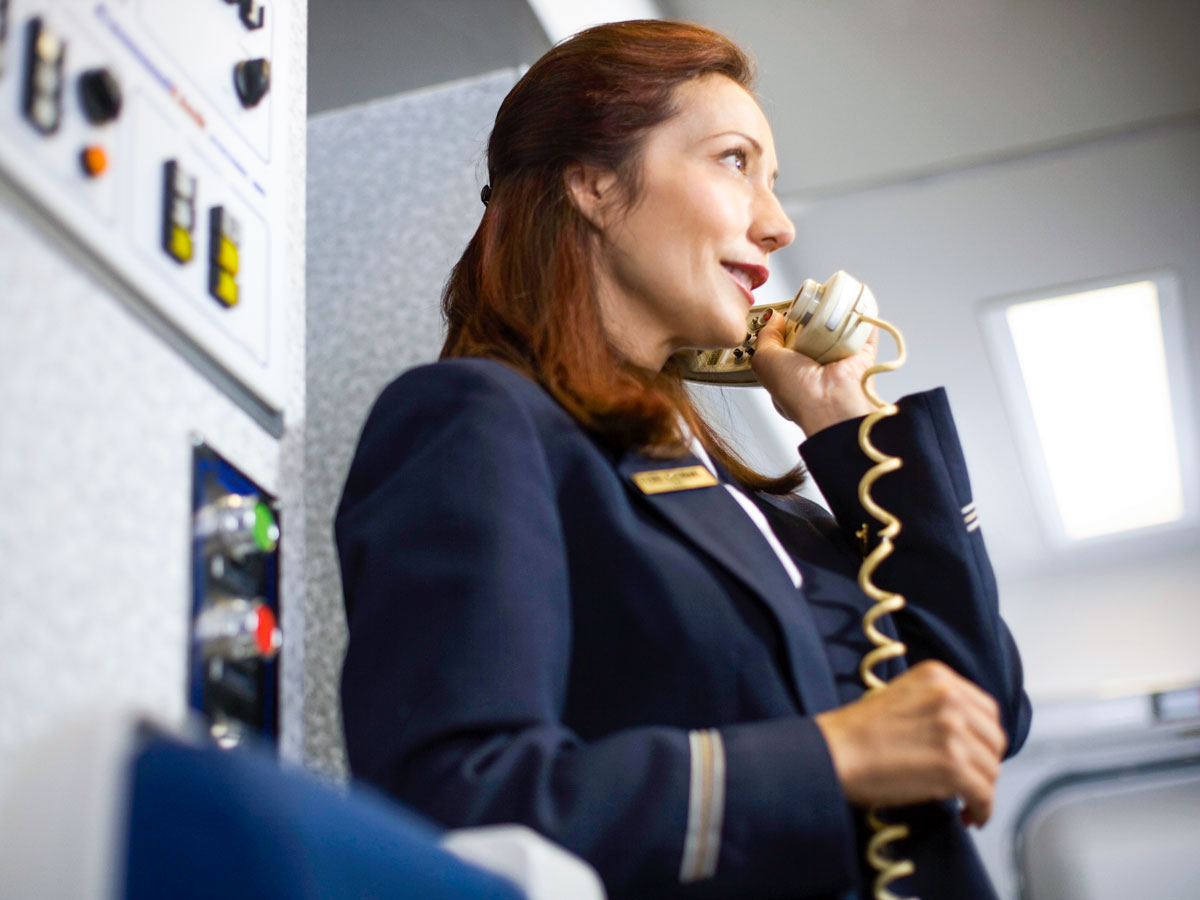

As a plane approaches its destination, flight attendants begin preparing the cabin for arrival, making sure passengers are seated, belongings are secure, seats are upright, and tray tables are stowed. This has been standard procedure for decades, but if you’ve flown recently, it may have felt like the flight crew got started on cabin prep earlier than they used to. It’s not your imagination, and there’s a reason why many major airlines have adopted these new policies. Here’s a look at why flight attendants are now prepping the cabin sooner during descent, along with some of the airlines that have implemented this change.
The Trouble With Turbulence
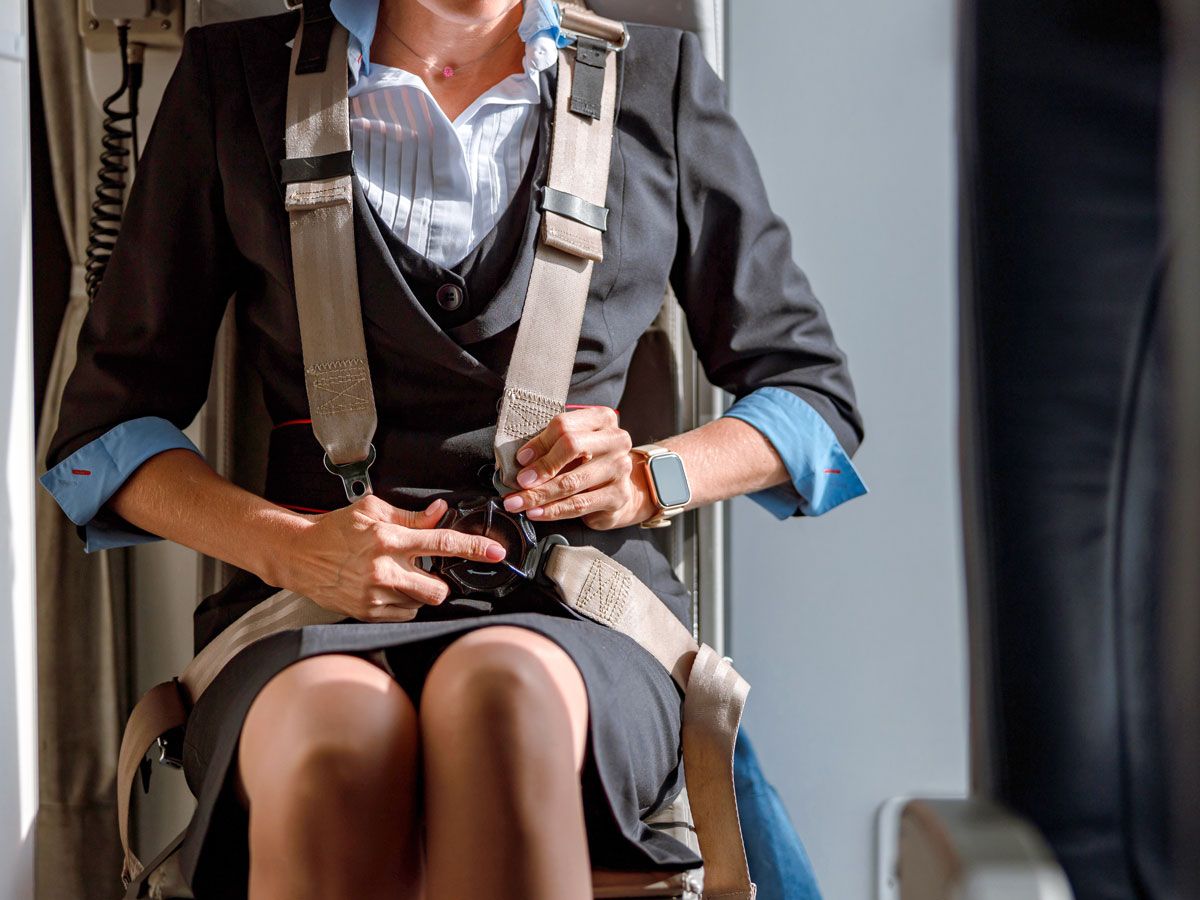
While turbulence is a normal part of any flight, it becomes a bigger potential concern during the descent. A National Transportation Safety Board report found that 36% of turbulence-related accidents and injuries occur during the final stages of a flight, which is more than at any other part of the journey. The study also showed that, from 2009 through 2018, 78.9% of all serious turbulence-related injuries were experienced by flight attendants. While turbulence can be present at any altitude, mechanical turbulence is more likely to occur at low altitudes when airflow is obstructed by mountains or human-made structures.
For years, the industry standard was for flight crews to begin prepping the cabin at roughly the 10,000-foot mark during descent. But many airlines have reviewed the latest data and tweaked their policies to now require crews to start the process closer to 18,000 feet.
As an American Airlines internal memo shared with Paddle Your Own Kanoo explained, “Turbulence remains one of the leading causes of occupational injuries for flight attendants. Unlike passengers, flight attendants are frequently standing, walking, conducting service, or completing compliance duties when turbulence occurs. The revised procedures are intended to provide additional time to prepare the cabin, improve communication regarding anticipated conditions, and reduce the time flight attendants are exposed to turbulence while performing required duties during descent.”
Airlines That Have Made the Change
The most recent major U.S. airlines to make the change are American Airlines and JetBlue, both of which implemented this new policy on June 3, 2026. American Airlines confirmed that turbulence is the impetus for the shift, issuing a statement that read, “Keeping our customers and team members safe is always our top priority… [and this] helps ensure customers and crew are seated and secure if turbulence occurs during descent.”
Other airlines implemented this change earlier. United adopted the modified 18,000-foot policy in December 2023, Southwest made the change in December 2024, and Delta did the same in June 2025.
What This Means for You
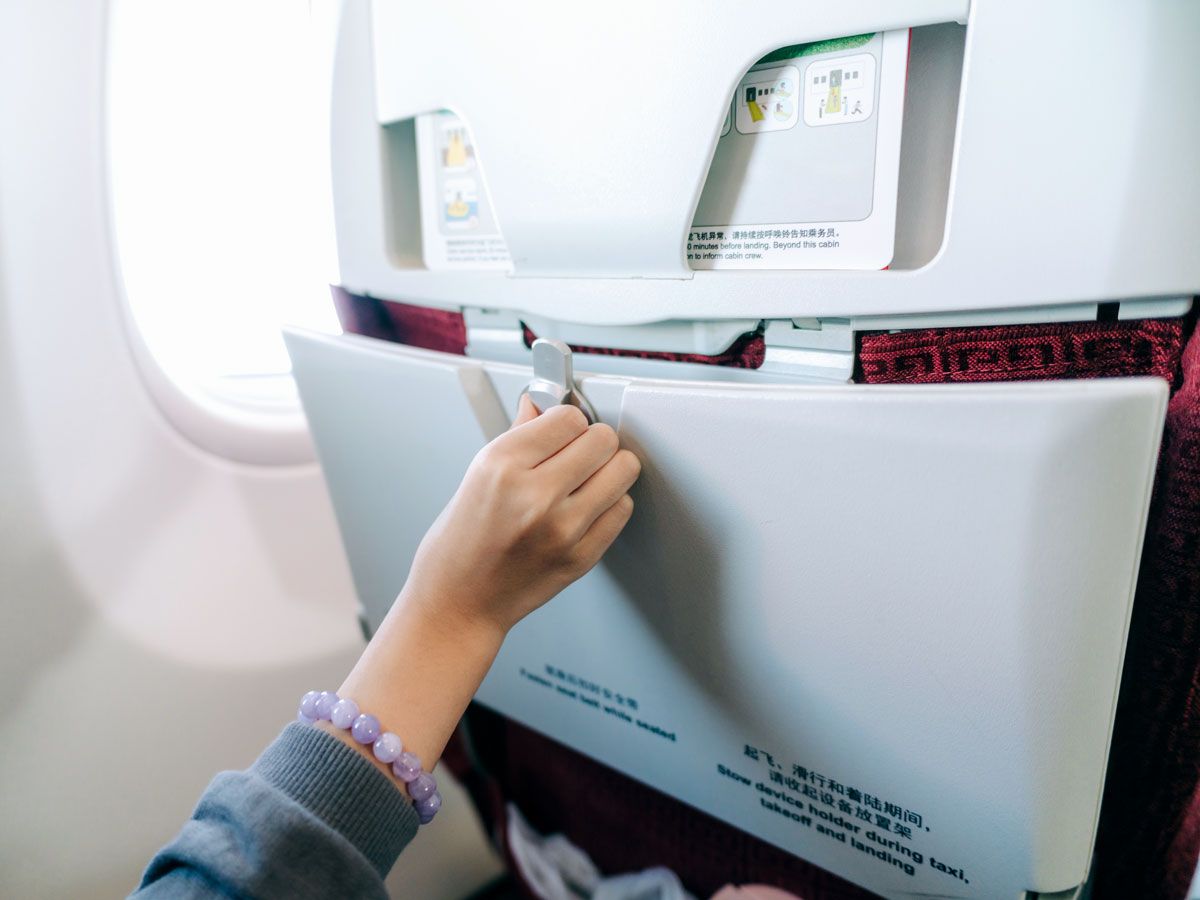
Typically, when an aircraft passes through 10,000 feet in altitude, there are about 10 to 15 minutes remaining in flight. With this new change, you can expect flight attendants to start preparing the cabin for landing roughly four to eight minutes earlier. This is when flight attendants will make their final pass of the cabin to collect loose garbage, check that each tray table is folded up, and make sure that all flyers are buckled in. By the time the plane gets down to around 10,000 feet, the crew should be strapped in their jump seats for the final approach.
Flyers are more likely to notice this policy change on shorter flights than on long-haul journeys. If the flight is only an hour, those extra few minutes are a little more noticeable. This means you’ll have even less of an opportunity to work on your laptop or order one more ginger ale or tomato juice. On longer flights, those extra few minutes might not matter as much.
It’s important to note that the only thing changing here is timing; the actual steps that the flight crew takes to prepare the cabin remain the same otherwise. And like many airline policies, this one was designed with safety at top of mind; it aims to keep flight crews safe and reduce the possibility of turbulence-related accidents.
More from our network
Daily Passport is part of Inbox Studio, an email-first media company. *Indicates a third-party property.