




The One Airport Feature That Increases Traveler Happiness
Does thinking about travel make you happier? According to a recent survey, even just planning a vacation can do wonders for our mood and mental health. In April 2025, Talker Research polled 2,000 Americans who had traveled within the last year and found that 68% of them agreed that the anticipation of their next trip was as good as the trip itself. However, 78% of participants felt that the journey home was the worst part, reflecting the stress that travelers often feel transiting through airports. So, what can be done to improve the passenger experience? Let’s take a look at what the world’s best airports have in common.
How Airports Play Their Part in Traveler Happiness

Given the survey results, it’s clear that many airports have a lot of runway, so to speak, to create a better environment for travelers. A 2025 analysis by J.D. Power, an organization that specializes in consumer insights and behavior, identified three key areas that airport managers should focus on: the provision of comfortable seating, water bottle filling stations, and quiet areas — all of which make time at an airport feel like less of an ordeal. Of course, this is in addition to efficiency basics like minimizing queuing time at bottleneck points (such as security screening) and maintaining impressive on-time performance statistics.
Make the Airport Feel Less Like an Airport
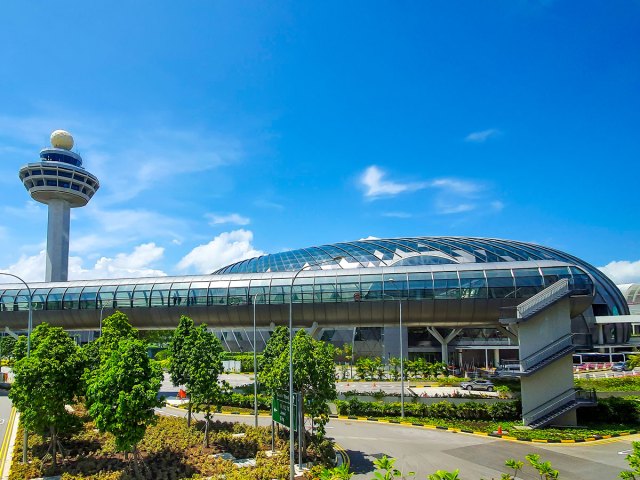
However, if we take a closer look at the airports that travelers view the most favorably, those that invariably earn rave reviews have a common element: the airport experience. In short, making an airport feel less like a transit hub and more like a visitor destination can pay dividends.
And one particular airport has been a consistent high achiever: Singapore Changi. It was named the World’s Best Airport for 2025 in the Skytrax World Airport Awards, the 13th time it has topped the prestigious list. When interviewed about the most recent win, Changi Airport CEO Yam Kum Weng said, “It is indeed gratifying to receive this recognition, and this certainly encourages us to continue to strive to provide the best travel experience.”
What Does Singapore Changi Airport Do Differently?
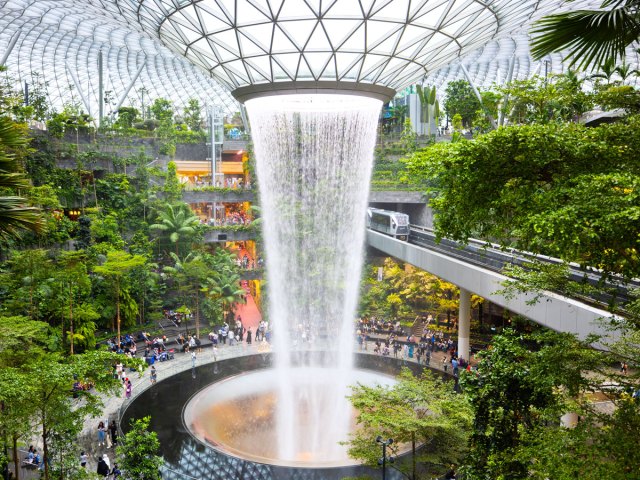
Alongside the usual check-in desks, security screening facilities, gates, and baggage carousels, travelers at Changi encounter spaces they wouldn’t usually associate with airports.
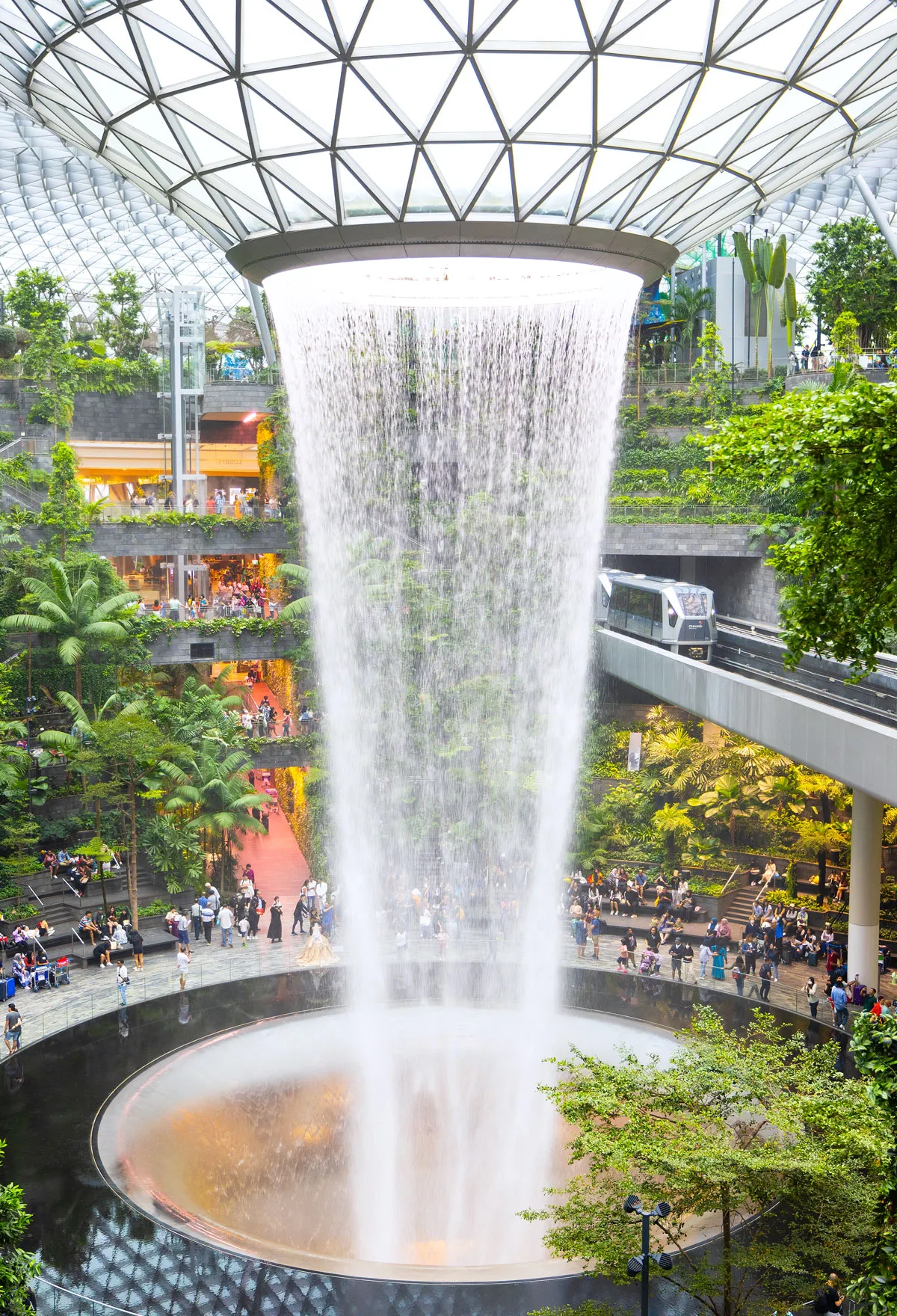
The calming influence of nature plays a significant role: Within the airport and the attached Jewel entertainment and retail complex, you’ll find the world’s highest indoor waterfall, a butterfly garden, an outdoor bamboo garden, a canopy park, a topiary walk, a cactus garden, and even a hedge maze.
Art installations dot the airport’s terminals, and there’s an emphasis on having fun. Among a plethora of opportunities for young ones to let off steam, Changi provides a bouncing net, climbing wall, mirror maze, and slides. In fact, no matter your age, you’ll probably be having such a good time when boarding is called that you won’t want to leave.
Other Airports Following Changi’s Lead
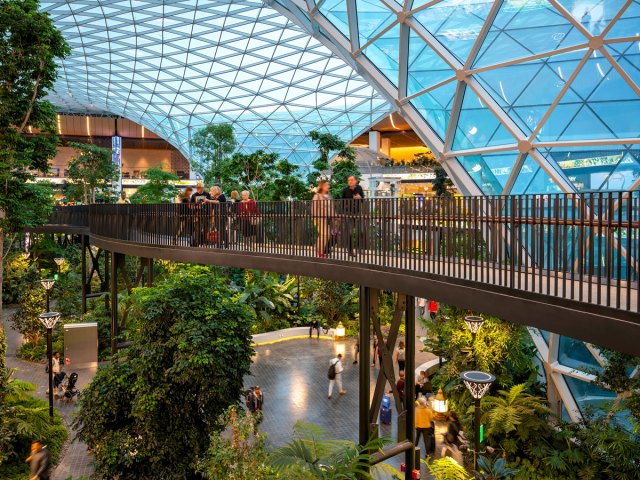
Singapore’s commitment to creating an airport experience that doesn’t feel like an airport experience is a move that hasn’t gone unnoticed by other major hubs.
For instance, Doha’s Hamad Airport, which took the top spot from Changi in the Skytrax awards in 2022 and 2024, has also gone all out to woo passengers. A golf simulator in this Qatari hub is an effective antidote to hours spent in a cramped aircraft cabin, while the airport’s Vitality Wellbeing and Fitness Center contains squash courts and a swimming pool. For those content simply to stretch their legs, myriad art installations enhance terminal buildings bursting with retail stores.
Meanwhile, at Seoul’s Incheon Airport, Korean culture is celebrated with a museum devoted to K-pop as well as regular live performances of Gugak, a traditional form of music. Closer to the U.S., the Vancouver Aquarium maintains a 30,000-gallon tank in the city’s international airport terminal, containing more than 5,000 marine creatures native to British Columbia. Spot wolf eels, sea urchins, sea cucumbers, colorful fish, and anemomes before you head to the gate.
The Best U.S. Airports for Experience-Based Activities
Looking for a happy airport experience within the U.S.? Consider heading to Las Vegas, where Harry Reid International doubles as an aviation museum with exhibits spread throughout Terminal 1, such as a Red Thunderbird and a history-making 1958 Cessna 172. It’s also one of only two U.S. airports (the other being Reno-Tahoe International Airport) where passengers over 21 years of age can try their luck on slot machines.
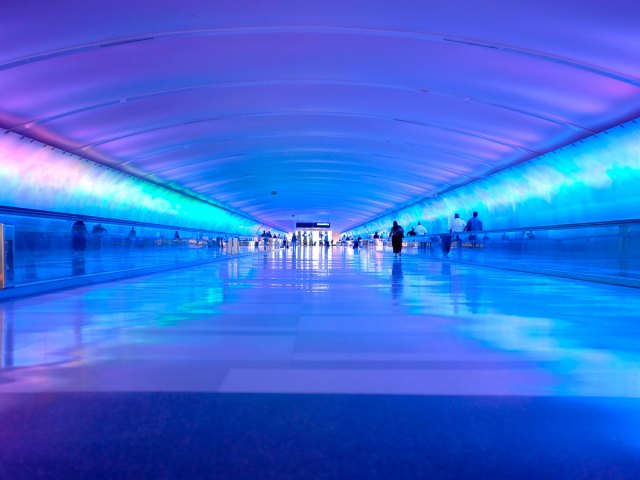
In Texas, Austin-Bergstrom International Airport plays host to regular live music gigs; check the schedule on the airport website to see who’s playing when your flight departs. For those with an interest in architecture, LAX’s Theme Building in Los Angeles is a must-see, and Detroit’s funky LED tunnel is a pleasant diversion for those switching terminals at the city’s airport.
Meanwhile, adjacent to JFK’s Terminal 5 in New York City, you’ll find the TWA Hotel, where you can relax in the faithfully restored sunken lounge designed in the 1960s by Eero Sarineen, as well as a cocktail bar housed inside a vintage Lockheed Constellation L-1649A. You can also learn about the history of Trans World Airlines, in particular its mid-20th-century heyday, in a museum curated by the New York Historical Society.
More from our network
Daily Passport is part of Inbox Studio, an email-first media company. *Indicates a third-party property.