

4 Ancient Egyptian Temples That Were Relocated to Other Countries
In the mid-20th century, the planned construction of Egypt’s Aswan High Dam was a hotly debated topic. While it would provide hydroelectric power and a reliable water source to locals, the dam would also create a large artificial lake that would completely submerge hundreds of ancient sites and objects. This included 22 monuments located along the Nile River in an area once known as Nubia, an early civilization that encompassed parts of southern Egypt and northern Sudan. To protect and salvage these historic sites, the Egyptian and Sudanese governments enlisted the aid of UNESCO, which spearheaded the International Campaign To Save the Monuments of Nubia. Many of the structures were successfully relocated to higher ground, and four temples were gifted to nations that played a crucial role in the efforts. Here’s a closer look at these historic temples and their new homes.
Temple of Dendur – New York, New York
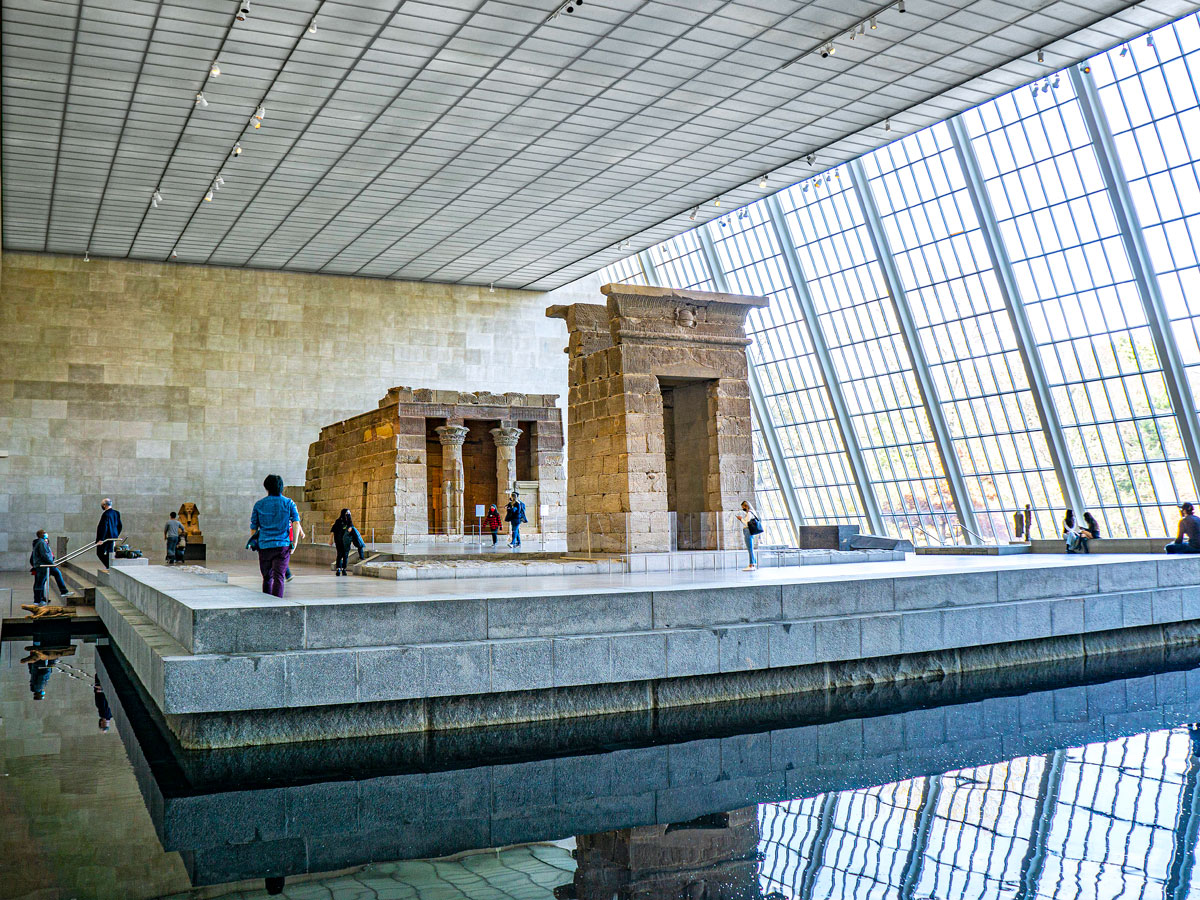
Originally built under Roman rule around 15 BCE, the Temple of Dendur is now housed inside New York’s Metropolitan Museum of Art. The temple was dedicated to the Egyptian goddess Isis, as well as two deified Nubian brothers, Pedesi and Phior.
The monument is carved with images depicting the aforementioned figures, as well as Isis’ husband Osiris and their son Horus. There are also several carvings depicting a pharaoh, which are meant to represent Roman Emperor Augustus wearing traditional Egyptian regalia, part of the emperor’s effort to intertwine Roman and Egyptian iconography to help legitimize Roman rule in the region.
In the wake of the 1965 decision to gift this temple to the U.S., a competition emerged among various cities that hoped to become its new permanent home, including two with Egyptian-inspired names: Cairo, Illinois, and Memphis, Tennessee. But their efforts fell short, as President Lyndon B. Johnson awarded the temple to the Met in 1967.
Thus began a lengthy relocation process, as the Temple of Dendur was shipped in a series of 661 large crates starting in 1968. The relocation and subsequent reconstruction process took 10 years, as teams worked carefully to properly orient the main temple and accompanying entry gate. The Temple of Dendur finally opened to the public in 1978 and continues to fascinate visitors to this day.
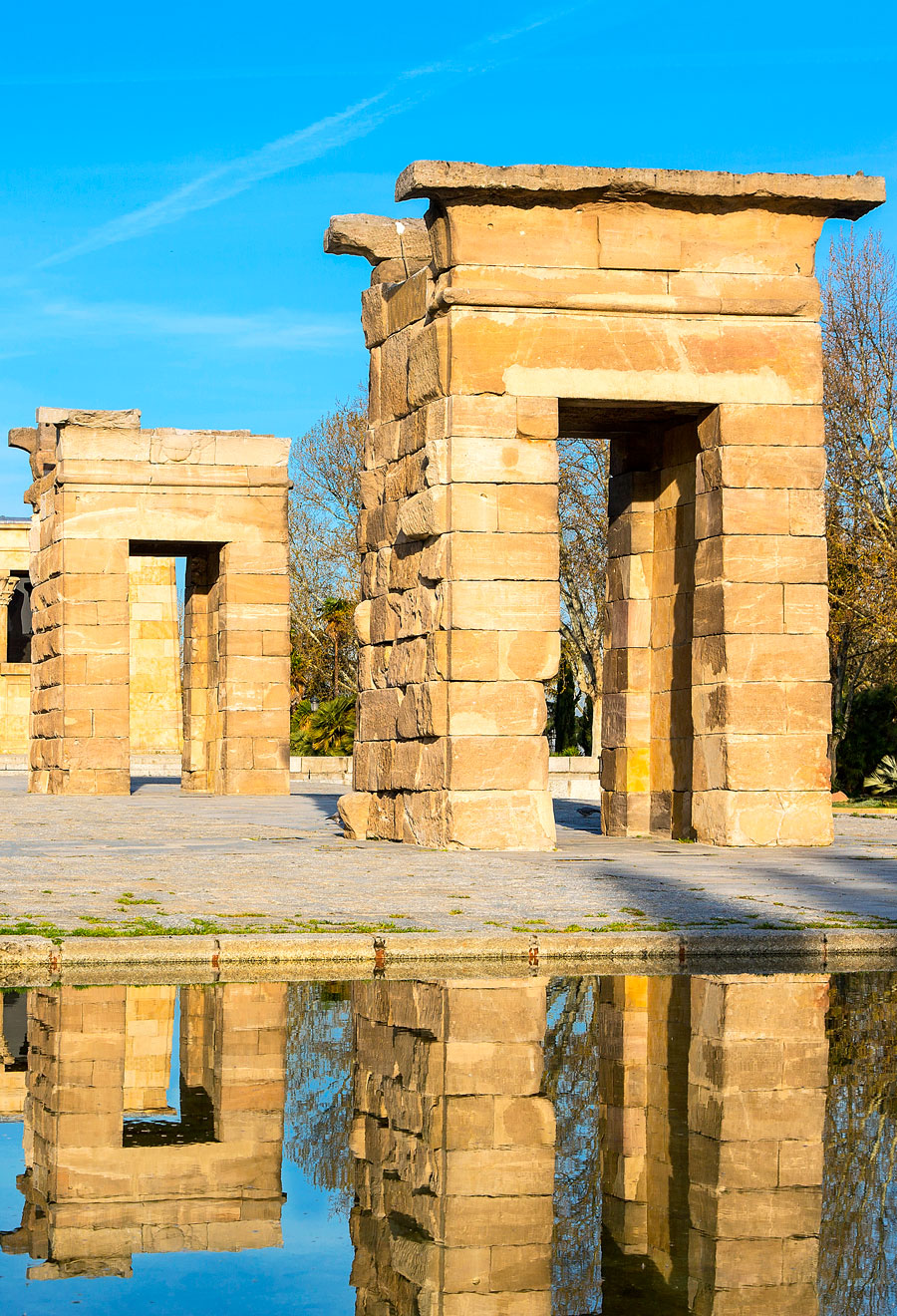
Temple of Debod – Madrid, Spain
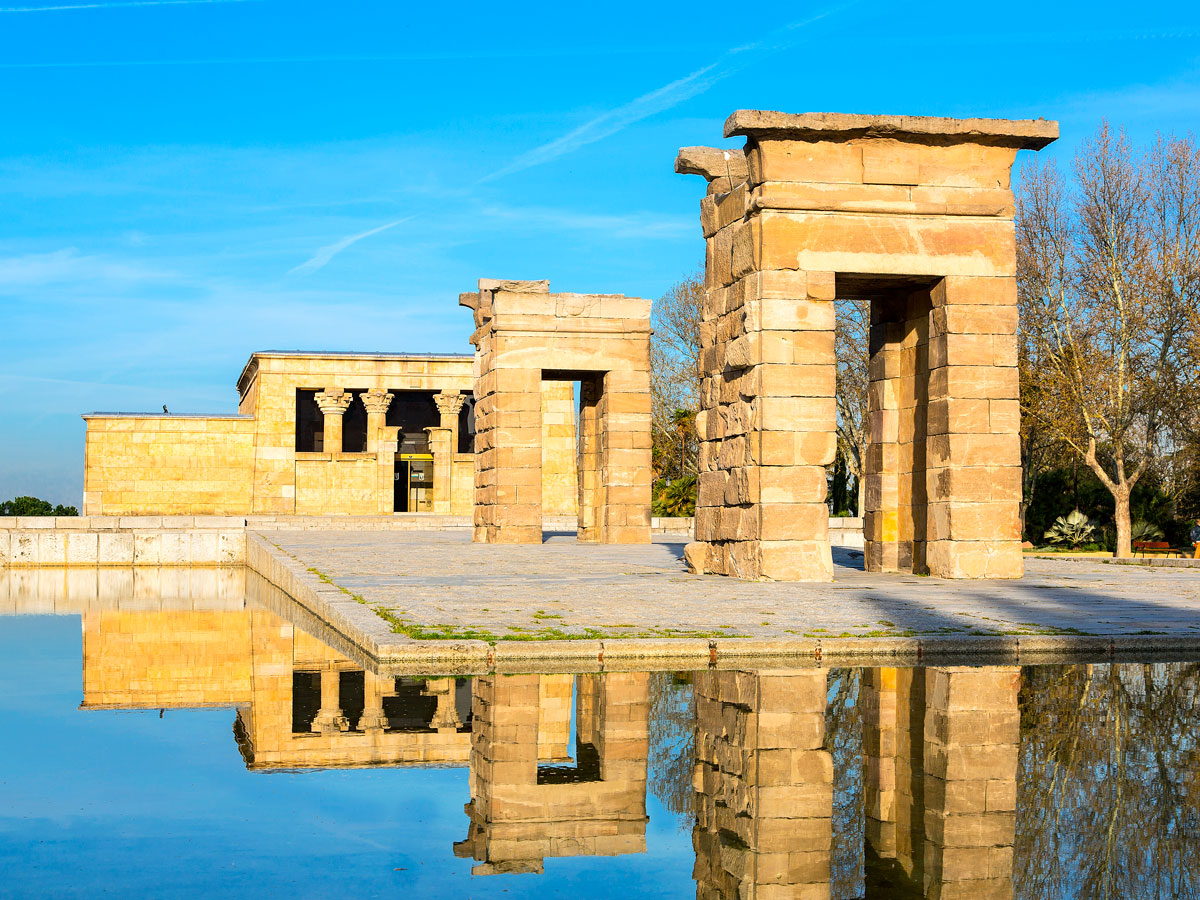
The Temple of Debod dates back to the second century BCE, when it was built under the reign of King Adijalamani of Meroe to honor the god Amun and goddess Isis. Various kings expanded the temple thereafter, and it was completed under Roman rule during the reigns of Augustus, Tiberius, and possibly even Hadrian (the latter of whom reigned as late as 138 CE). However, by the sixth century, the temple lay abandoned.
It was salvaged during construction of the Aswan High Dam and gifted to Spain in 1968 as a show of appreciation for the Spanish archaeologists who worked tirelessly to preserve the Abu Simbel temples in Upper Egypt.
From 1970 to 1972, teams carefully disassembled, relocated, and rebuilt the Temple of Debod. Today, the main temple and two entry gates sit atop a hill in downtown Madrid that holds great significance to locals. It was the site of the fateful event depicted in Francisco Goya’s painting “The Third of May, 1808,” in which Spanish rebels were executed by Napoleonic troops. The hill later housed a military building called Cuartel de la Montana, which was demolished during the Spanish Civil War.
Now, locals and tourists alike flock to the hill to check out the historic Egyptian temple, the interior of which can be accessed by making a free reservation. The hill and temple complex are also a popular viewpoint for watching the sunset over the nearby horizon.
Temple of Taffeh – Leiden, The Netherlands
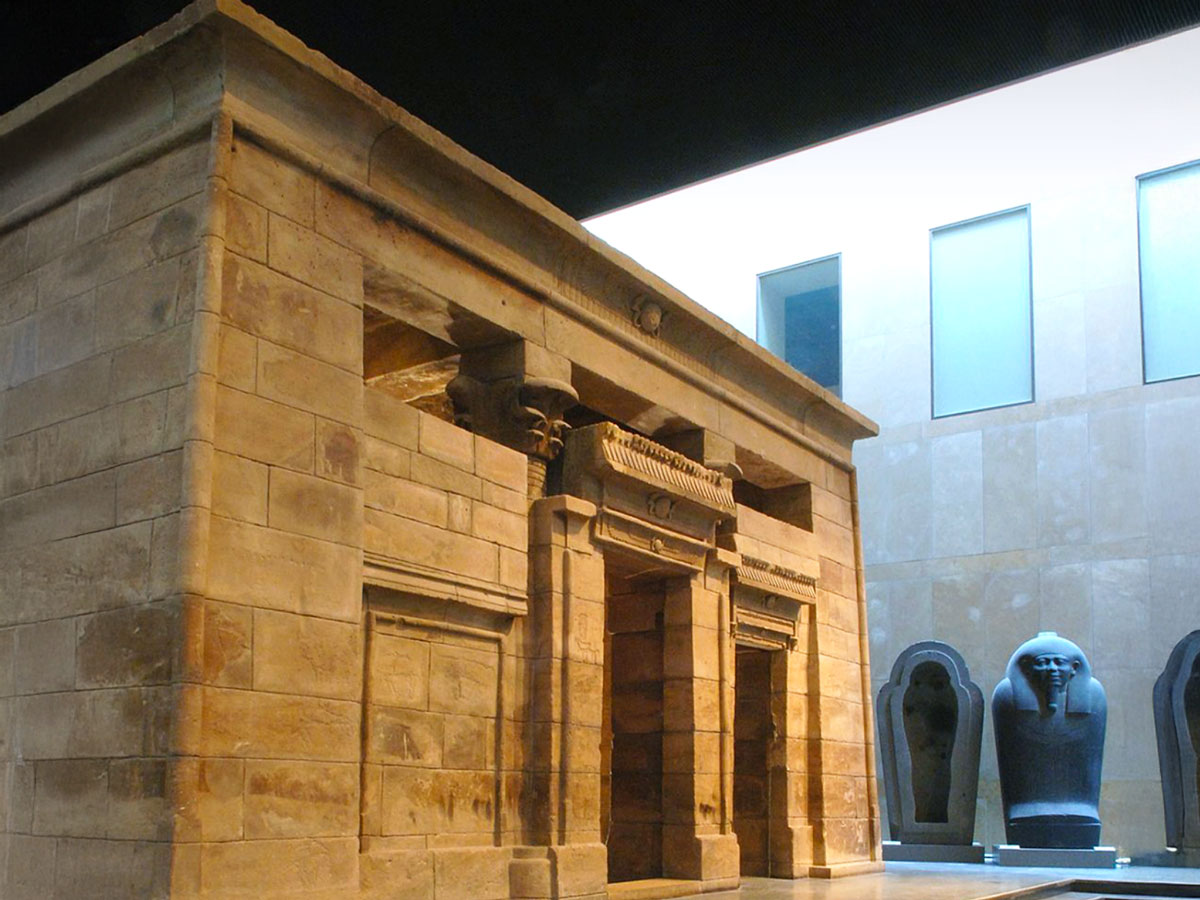
The Temple of Taffeh was built between 25 BCE and 14 CE under the reign of Augustus, as part of a larger Roman fortress. Today, it is located in the Rijksmuseum van Oudheden (National Museum of Antiquities) in the Dutch city of Leiden. The temple was dedicated to the gods Osiris, Isis, and their son Horus, and was constructed with 657 blocks weighing around 250 tons in total. It was converted to a church in the eighth century amid a regional shift toward Christianity, but by the 13th century, the temple was primarily used as accommodations for humans and animals.
In 1979, after the construction of the Aswan High Dam, this massive monument was sent to the Netherlands. Teams worked to carefully reconstruct it in a brand-new wing of the museum designed so that sunlight would illuminate the stones, while simultaneously protecting the temple from the harsh Dutch weather. Museumgoers can now look upon the six decorated columns that support the temple ceiling, as well a niche that is believed to have once contained a statue depicting Isis herself.
Temple of Ellesyia – Turin, Italy
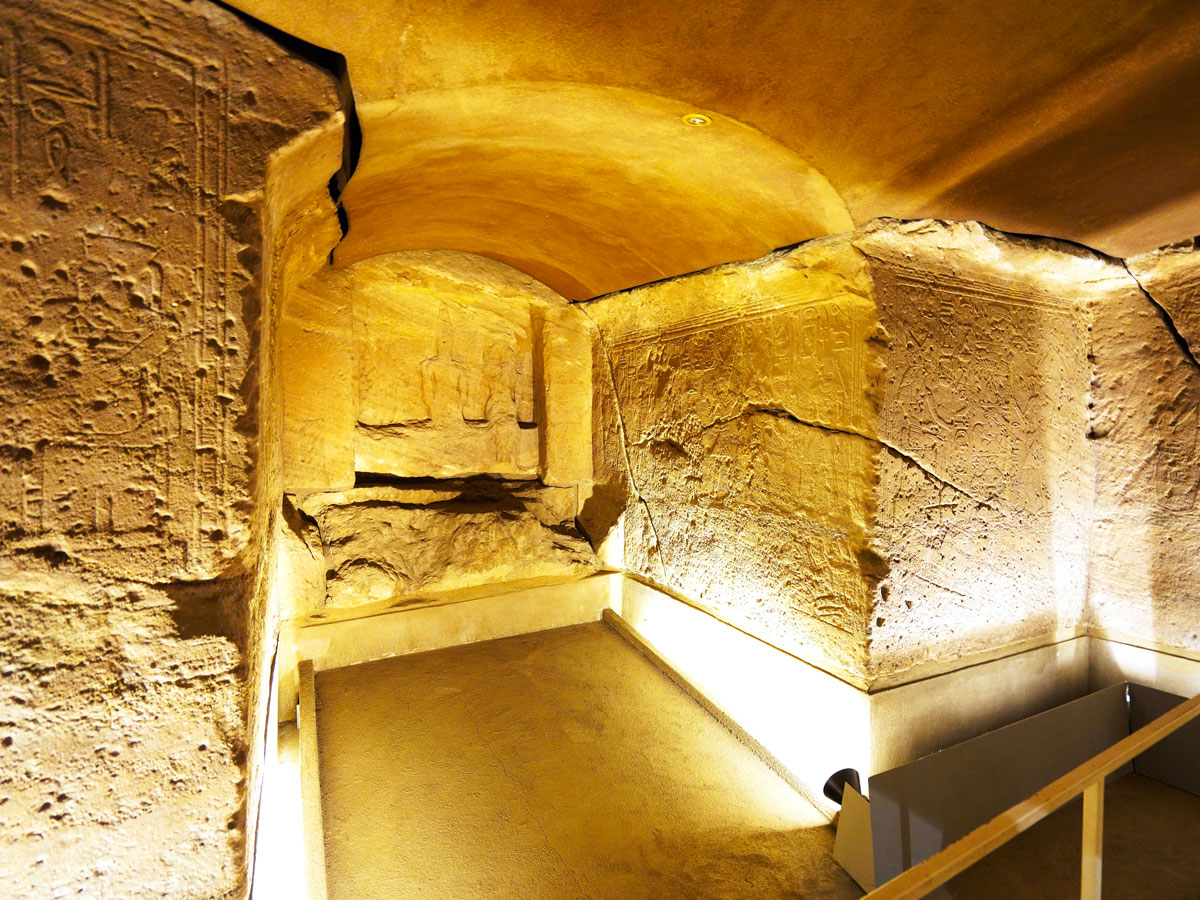
The Temple of Ellesyia is one of the oldest rock-cut temples discovered in Nubia. It arrived in Turin, Italy, in 1966, but its history dates back to the 18th dynasty (1539 BCE to 1292 BCE), when it was built by Egyptian Pharaoh Thutmosis III and dedicated to the gods Amun, Horus, and Satis. The temple was carved directly into the sandstone cliffs of Nubia, and was accessible only from the Nile River. It contained a main chamber with two large columns, along with a sanctuary dedicated to the gods.
This historic structure was dismantled and brought to Italy in the 1960s, where it was rebuilt in Turin’s Museo Egizio. In 2023, the temple was restored, and a chapel was added based on research conducted by Egyptologists working on the project. Guests are now invited to venture inside the temple, where video mapping projections and backlit graphics are broadcast directly onto the walls so that visitors can better understand the temple’s design and various iconographies.
More from our network
Daily Passport is part of Inbox Studio, an email-first media company. *Indicates a third-party property.