





Post Banner Image
Tips

6 Things Seniors Should Know About Travel Insurance Before Their Next Trip

By Aleks Kang
Read time: 3 minutes
July 13, 2026
Updated: July 30, 2026

6 Things Seniors Should Know About Travel Insurance Before Their Next Trip

Credit: iStock/Diamond Dogs
By Aleks Kang

Some seniors assume they’re protected the minute they leave home on a trip. Their health plan will follow them abroad, the insurance offered at checkout when they booked has them covered, and an itinerary this carefully planned surely won’t go sideways. Those assumptions often hold up fine. But the gap between what senior travelers expect and what their coverage provides can be surprisingly wide. 

Here are six things worth knowing before your next trip abroad, so a small mishap doesn’t turn into a catastrophic one.

1. Your Health Insurance Probably Stops at the Border

This is the one that catches the most people off guard. According to the U.S. State Department, the federal government doesn’t pay medical costs for citizens traveling abroad, and Medicare and Medicaid plans generally don’t, either. Many private plans cover little once you’re overseas, which is why the State Department recommends checking your existing policy and, if it falls short, purchasing a short-term travel health plan. 

Coverage for prescription medication varies by plan, so it’s worth reviewing the details carefully. And remember to always pack medications in a carry-on rather than checked luggage.

2. Getting Home Can Cost More Than the Trip

The biggest surprise is usually the cost of getting home if a medical emergency occurs overseas. An air ambulance evacuation can run anywhere from $20,000 to $200,000. Travel insurance for Europe (or wherever you’re headed) is designed to step in exactly when your regular coverage won’t.

Credit: iStock/Marco Latino

3. The Checkout Protection Box Won’t Check All the Boxes

That box you can click to add travel protection at checkout is reassuring, but it usually covers less than people expect. The plan an airline, hotel, or cruise line bundles with your fare tends to protect against trip cancellations and missed connections, not a hospital stay halfway across the ocean. 

4. Cruises Come With Their Own Coverage Gaps

The CDC notes that insurance sold by airlines and cruise companies may not cover medical care or evacuation at all. That’s why many people sailing abroad buy travel insurance for cruises instead. It’s a separate plan covering the medical and evacuation costs missing from insurance sold with your cruise fare.

5. Preexisting Conditions Come With a Deadline

Many people travel well with a long-managed condition. The hitch is that many policies exclude preexisting conditions unless you ask. The CDC recommends checking whether a plan excludes them. Most insurers offer a waiver that adds them back in, but it usually has to be arranged early — generally when you first book or shortly after — and with the full trip cost insured. The deadline is easy to miss but just as easy to meet once you know it’s there.

Credit: iStock/Wavebreakmedia

6. Even the Smoothest Trips Hit Snags

Most trips go smoothly, which is why assumptions are easy to make. Still, weather grounds flights, bags get lost, and a single missed connection can unravel weeks of planning. No policy stops the weather, but the right one absorbs the cost and the scramble, so a rough morning stays a footnote instead of taking over the whole trip.

Pack Peace of Mind

None of this is meant to keep you home. If you’re wondering what’s actually covered, how evacuation benefits work, or whether cruise fare protection is enough, VisitorsCoverage lays out top-rated plans from established insurers side by side, so you can compare coverage, deductibles, and price in one place. 

The company has been doing this for more than 20 years and holds an A+ rating from the Better Business Bureau. Its U.S.-based licensed specialists can walk you through the fine print — what a plan does and doesn’t include, and when a preexisting condition waiver needs to be arranged. For a European getaway, a cruise, or a longer trip with a health history to consider, it makes one of travel’s least exciting tasks easy to cross off.

Before your next trip, compare and buy visitors and travel insurance at VisitorsCoverage.

Post Banner Image
Culture

See the World Through Your Ancestors’ Eyes

By Aleks Kang
Read time: 4 minutes
March 17, 2026
Updated: March 17, 2026

See the World Through Your Ancestors’ Eyes

By Aleks Kang

Most of our ancestors’ stories are not rooted in one place. People moved for work, for land, and, most likely, for survival. Some followed industrial growth, others crossed oceans in search of new opportunities, and some relocated as borders shifted.

Nowadays, most trips start with a destination, while our own ancestry searches start with a question. DNA testing helps connect both, so that you can ask who your ancestors were — and where and how they actually lived. When DNA points to a region, it gives context to family stories that may have felt incomplete. And it gives you a place to go, to see the world through their eyes, even if industrialization, urbanization, and, more recently, gentrification forced it to evolve.

Migration Shaped the Places We Visit Today

If your ancestors lived in Scandinavia, long winters and short growing seasons meant that they survived on staples such as preserved fish, rye, and root vegetables. The climate also influenced the homes they lived in, which were often built with steep roofs designed to shed snow. Coastal cities like Bergen still showcase Scandinavia’s past at historic fish markets like Fisketorget, where vendors sell cured seafood. 

Ancestors from Italy’s historic port cities lived in places built around maritime trade. Access to those trade routes turned cities like Venice and Genoa into cultural hubs. Olive oil, citrus, and spices traveled with merchants, along with language and religion. Walking through those harbor cities now, you can feel the past in the food markets and in cathedrals like Genoa’s Basilica della Santissima Annunziata del Vastato.

The Scottish Highlands’ rugged terrain limited large-scale farming. As a result, cattle and later sheep farming became the main industry if your ancestors lived in the region. Clan structures became central to social organization, and surnames were often tied back to specific valleys and glens. A journey to the Isle of Skye today feels like history frozen in time, with sheep dotted across the dramatic hills and lush, ruggedly overgrown landscape. 

In West Africa’s Sahel region, communities adapted to shifting rainfall and long-distance trade. Families there may trace lineage to cultures shaped by Saharan trade routes that carried gold and textiles between North and West Africa. Remnants of this trading history remain visible in the goods still sold in open-air markets across the region. Travelers whose heritage connects to the Sahel may still encounter echoes of the trade networks that shaped their ancestors’ lives.

Japan’s mountainous terrain pushed settlement toward the coasts, strengthening maritime trade. Osaka grew into a hub for buying and selling rice in large quantities, earning it the nickname “the nation’s kitchen.” Dishes such as oshizushi — pressed sushi shaped in wooden molds — trace back to that merchant culture. If your ancestors are from Japan, visiting a city like Osaka may offer you a glimpse of the coastal trading culture that they once knew.

Ancestors in southern China likely lived in communities built along waterways. Southern China’s river systems, such as the Pearl and Yangtze, supported dense agricultural communities and served as internal migration routes, forming patterns reflected in many family histories. The Bund, a waterfront area in Shanghai, still faces the river that made it a global port at the mouth of the Yangtze. And nearby Yuyuan Garden Bazaar hums with the kind of market activity that once defined the delta’s trade culture. Farther south, Guangzhou’s Pearl River Waterfront and Shamian Island recall the era when goods flowed through the delta into global markets. 

Where Your Story Begins

DNA analysis does not replace records or research, but it adds another layer — one that ties identity to geography in a tangible way.

MyHeritage DNA testing helps identify the regions and genetic communities associated with your ancestry, and the process is simple. You order a kit, swab the inside of your cheek, and return the sample in a prepaid package. The lab will extract and analyze your DNA, and you can view the results online in three to four weeks.

The at-home test provides specific groups you descend from among 2,114 geographic regions, and the platform pairs those results with more than 38 billion historical records, allowing you to connect DNA to real places, documented migration paths, and family records.

To explore your ancestral origins and see where your story leads, visit MyHeritage.com

Post Banner Image
Culture

10 Unique Museums for Foodies Around the World

By Julia Hammond
Read time: 5 minutes
March 30, 2023
Updated: July 25, 2023

10 Unique Museums for Foodies Around the World

By Julia Hammond
Author
Julia Hammond
Julia is a U.K.-based travel writer whose work has been featured in The Independent, The Telegraph, The New Zealand Herald, and Culture Trip, among others. She’s an enthusiastic advocate for independent travel and a passionate geographer who has had the privilege of traveling to more than 130 countries in search of a story.

If you’re a committed foodie, then your travels will no doubt involve joyous discoveries of regional delicacies and unique local dishes. But around the world, there are also a plethora of museums devoted to specific foods. Covering diverse themes such as history, trade, advertising, and production, they are a worthy addition to any food-focused trip itinerary. Add these 10 unique museums for foodies to your travel wish list.

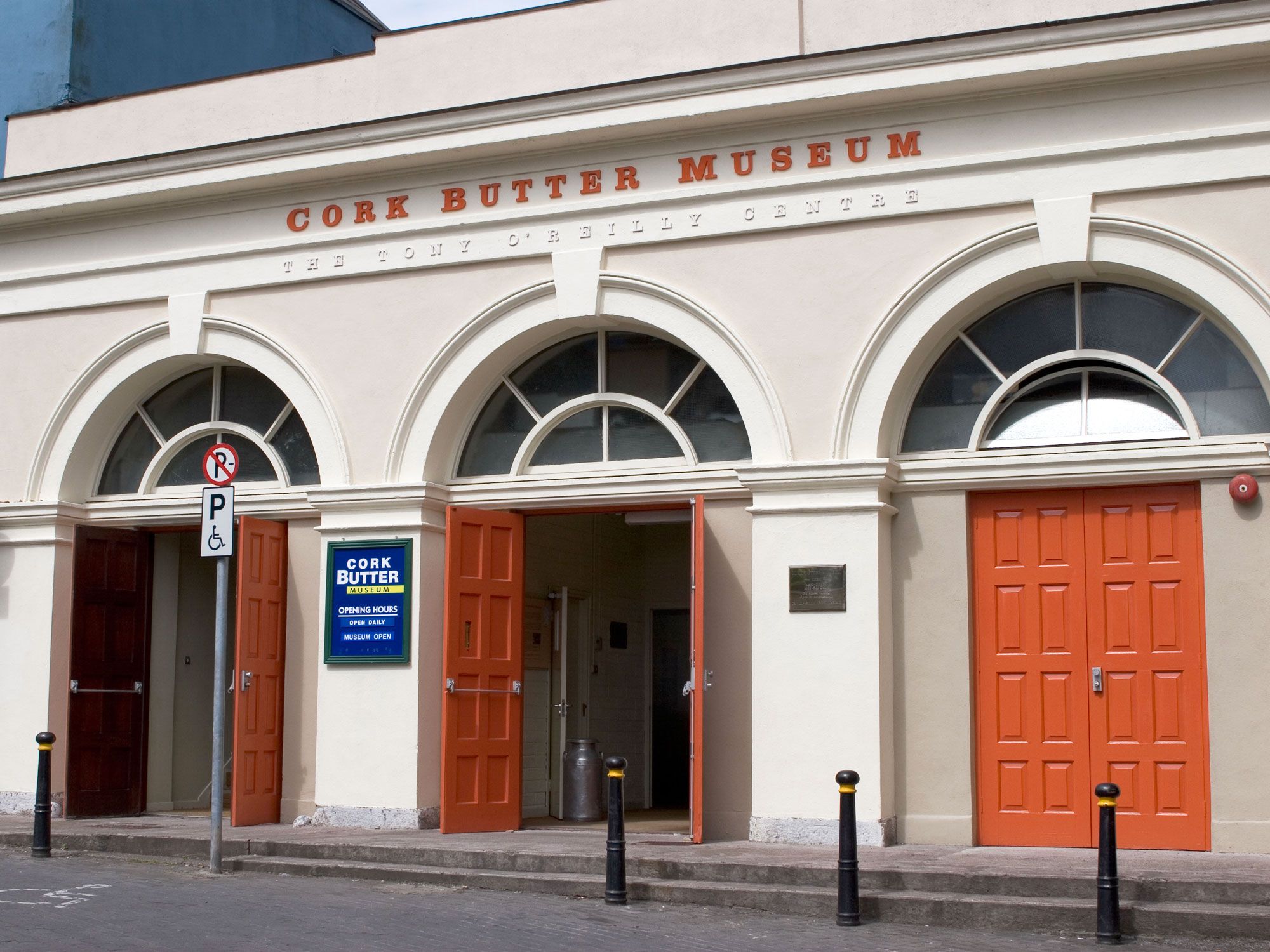
Butter Museum – Cork, Ireland

Entrance to Cork Butter Museum in Ireland
Credit: Neil Setchfield/ Alamy Stock Photo

The Butter Museum in Cork tells the story of one of Ireland’s most successful agricultural products. Here, you’ll find out about how the commodity was traded on Cork’s Butter Exchange — once the largest butter market in the world — explore traditional methods of production throughout history, and learn how Kerrygold built a flourishing international brand. Be sure to time your visit to coincide with one of the regular butter-making demonstrations. 

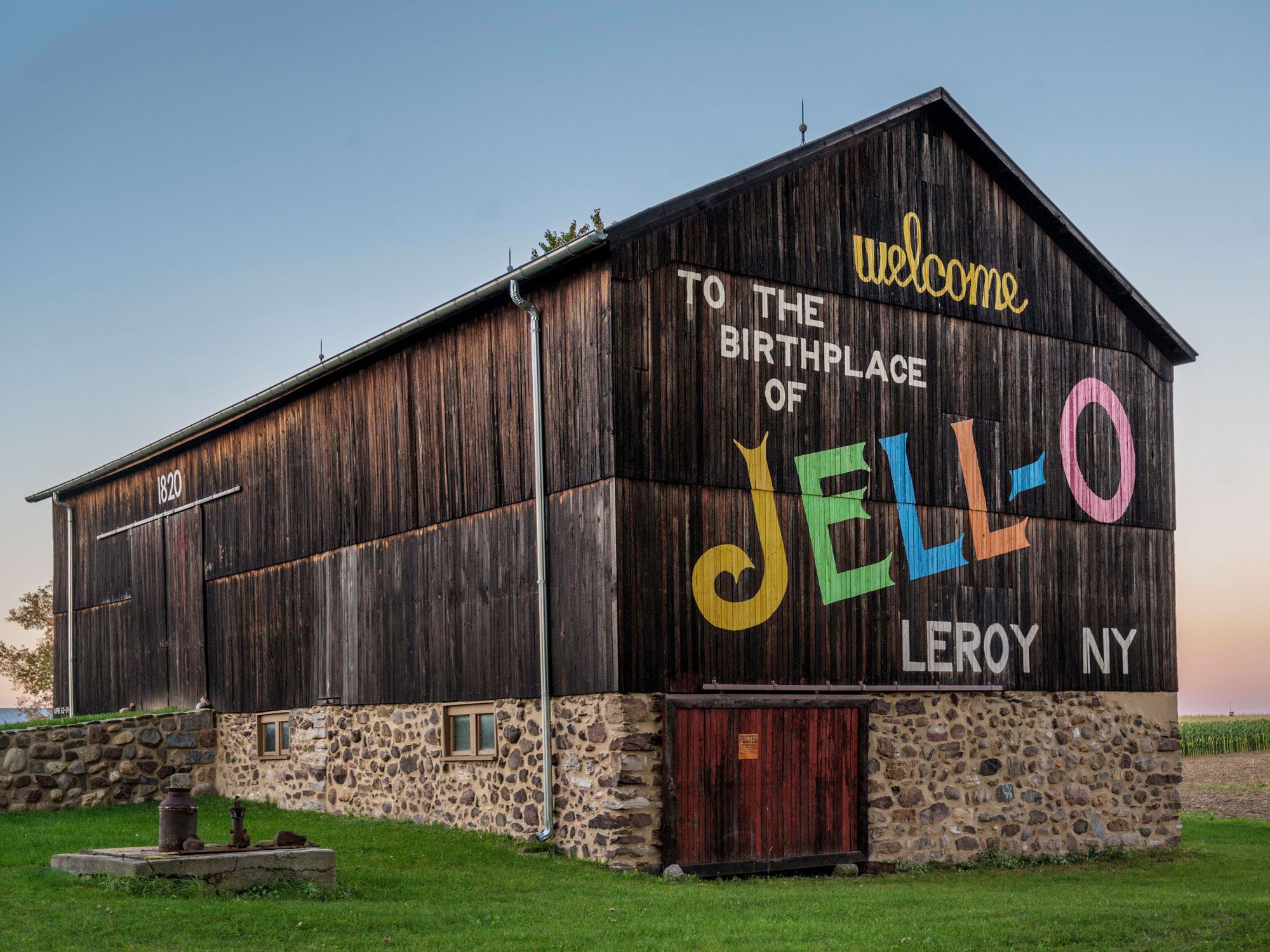
Building in Le Roy, New York, with colorful sign that says, "Welcome to the Birthplace of Jello-O"
Credit: Liz Roll/ Alamy Stock Photo

Billed as “America’s most famous dessert,” Jell-O was invented in Le Roy, New York, in 1897, and today, a museum celebrates its enduring popularity. Visitors will discover how this simple but tasty fruit-flavored gelatin treat became a hit across the country — and how it was a much different story, for its inventor Pearle Wait, who sold the trademark for just $450 just two years after coming up with the recipe. 

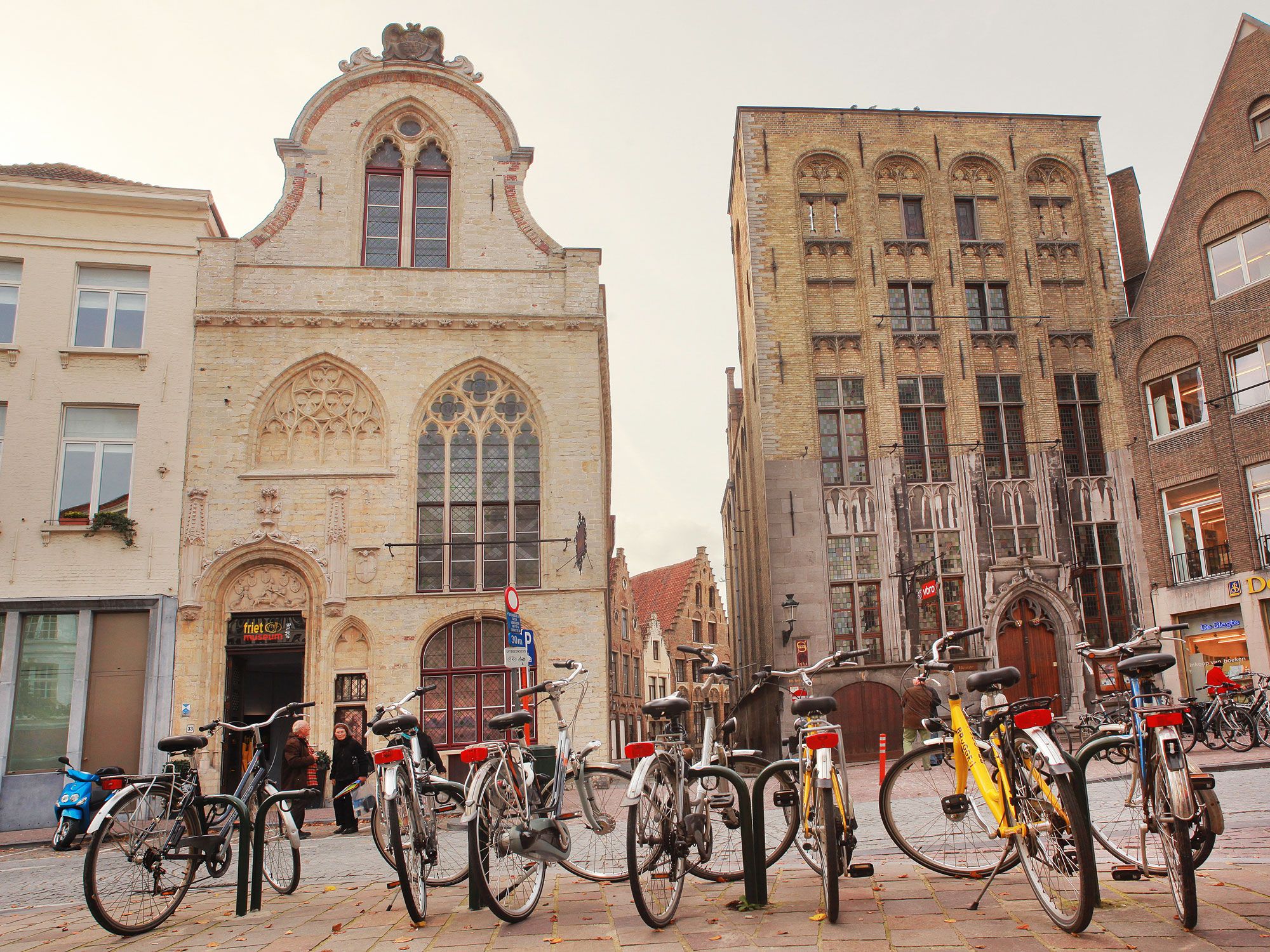
Frietmuseum – Bruges, Belgium

Bicycles parked in city square in Bruges, Belgium
Credit: robertharding/ Alamy Stock Photo

Dipping frites or friets (French fries) into a dollop of mayonnaise is a quintessential experience in Bruges, so it’s no surprise that there’s a museum in the picturesque Belgian city devoted to what it takes to turn the humble potato into this beloved snack. Head over to the city’s Frietmuseum, where you’ll find out that French fries aren’t actually from France — they’re an 18th-century Belgian invention. After your visit, amble over to one of the kiosks in the main square, known as frietkots, to fuel up on frites. 

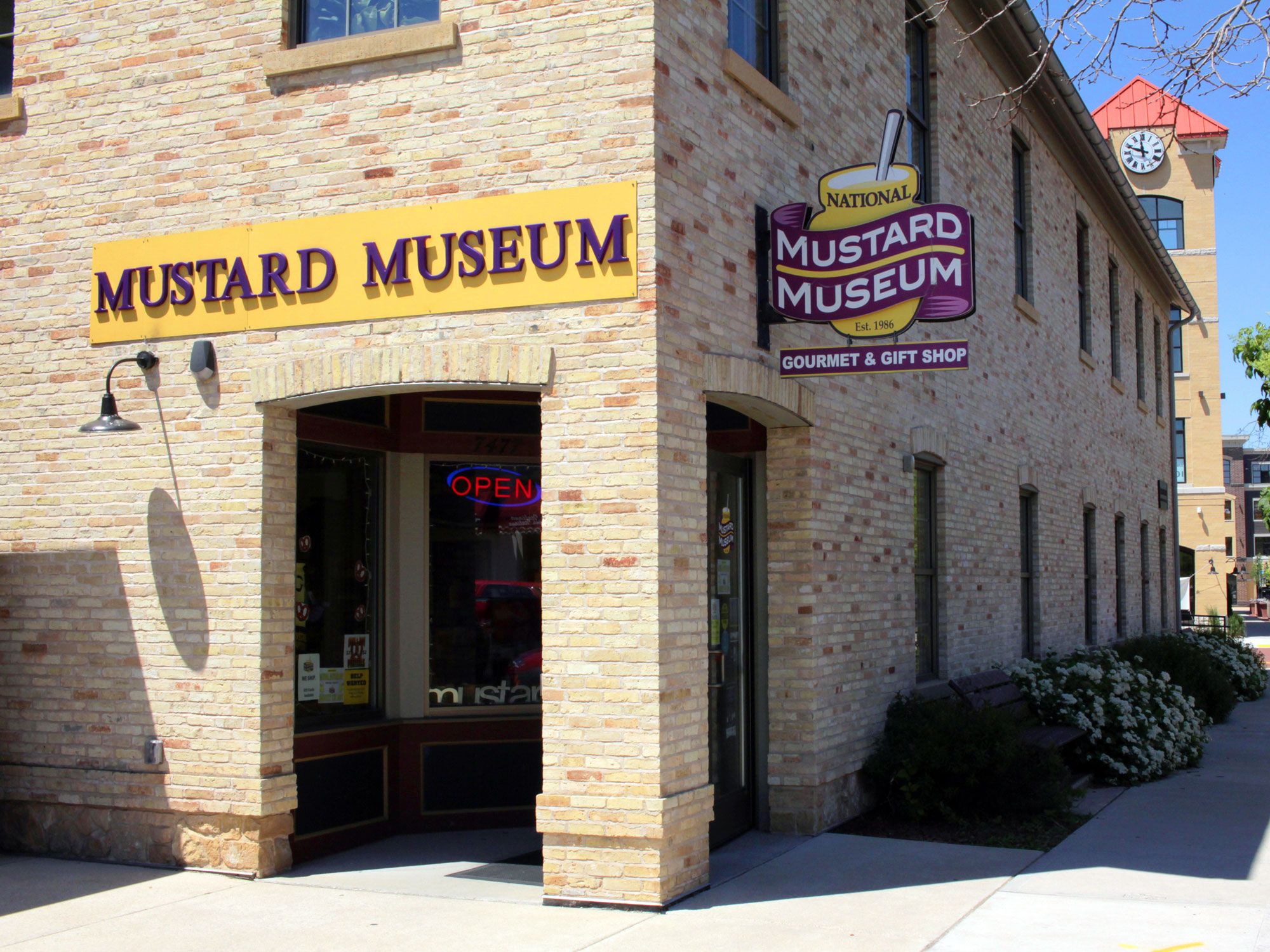
National Mustard Museum – Middleton, Wisconsin

Entrance to the National Mustard Museum in Middleton, Wisconsin
Credit: Michael Matthews/ Alamy Stock Photo

Come to the National Mustard Museum in Middleton, Wisconsin, to admire its collection of almost 6,000 bottles, jars, packets, and sachets of this potent condiment. Since the museum’s founding in 1992, the artifacts have been gathered from every state in the U.S. and around 70 other countries. Taste some of the more unusual varieties —including chocolate, blue cheese, cranberry, tequila, and wasabi mustard — and grab a souvenir purchase on your way out.

Dutch Cheese Museum – Alkmaar, The Netherlands

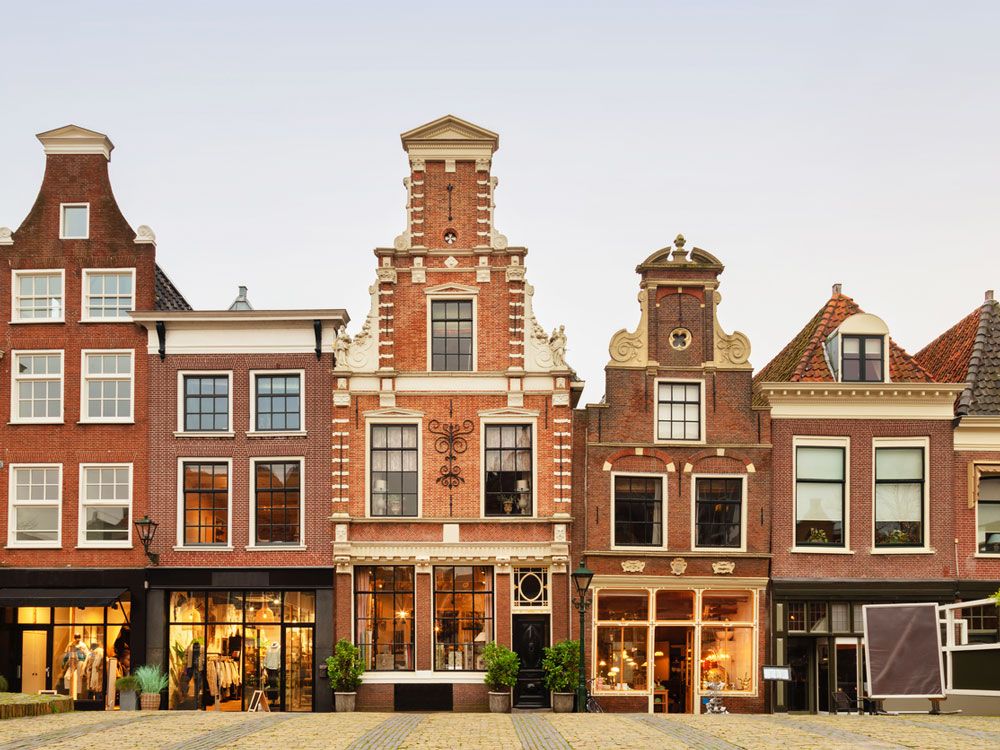
Traditional Dutch brick row homes in Alkmaar, the Netherlands
Credit: DutchScenery/ iStock

The Dutch city of Alkmaar is renowned for its historic cheese market, the largest in the country, which has been held in the city’s main square for more than four centuries. Cheese carriers, members of a guild established in 1593, haul sleds laden with rounds of cheese to be weighed and sold in front of a crowd of spectators. The nearby museum, located in the historic Waaggebouw building overlooking the market, explains Alkmaar’s long association with cheese through fascinating interactive exhibits. 

Cup Noodles Museum – Ikeda, Japan

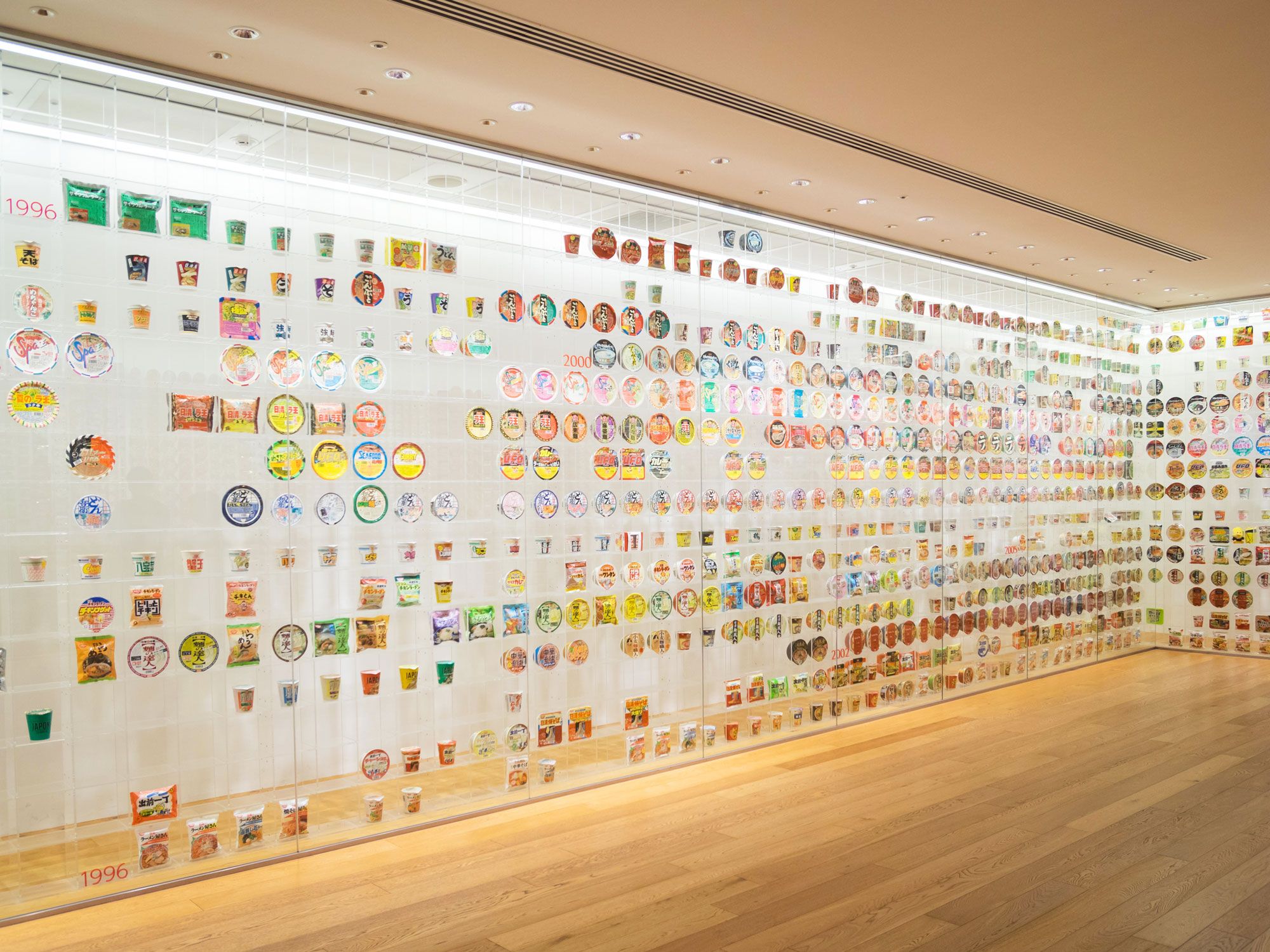
Exhibits inside the Cup Noodles Museum in Ikeda, Japan
Credit: Felix Choo/ Alamy Stock Photo

Forget haute cuisine — in the Japanese prefecture of Osaka, locals are so passionate about instant noodles that an entire museum exists devoted to this quick and easy snack (there’s another location in Yokohama, too). Visit Ikeda’s Cup Noodles Museum to stare at an astonishing array of colorful tubs of noodles and get acquainted with Momofuku Ando, who came up with the idea for instant ramen in his garden shed in 1958.

Herring Era Museum – Siglufjörður, Iceland

Dock leading towards colorful hillside buildings in Siglufjörður, Iceland
Credit: Alexander Cimbal/ Alamy Stock Photo

Housed in a colorful former warehouse, the Herring Era Museum tells the history of herring — referred to as the “silver of the sea” in Iceland — and how this northern fishing port once dominated the industry until the fish suddenly disappeared from Icelandic waters in the late 1960s. At its heydey, the industry employed thousands of people to gut, clean, salt, and pack the fish, its quaysides noisy and crowded. Exhibits fill a number of historic waterfront buildings, where visitors can step inside to find out how these workers processed the fish and wander through the cramped digs in which they lived. 

Peppermint Museum – Lyons, New York

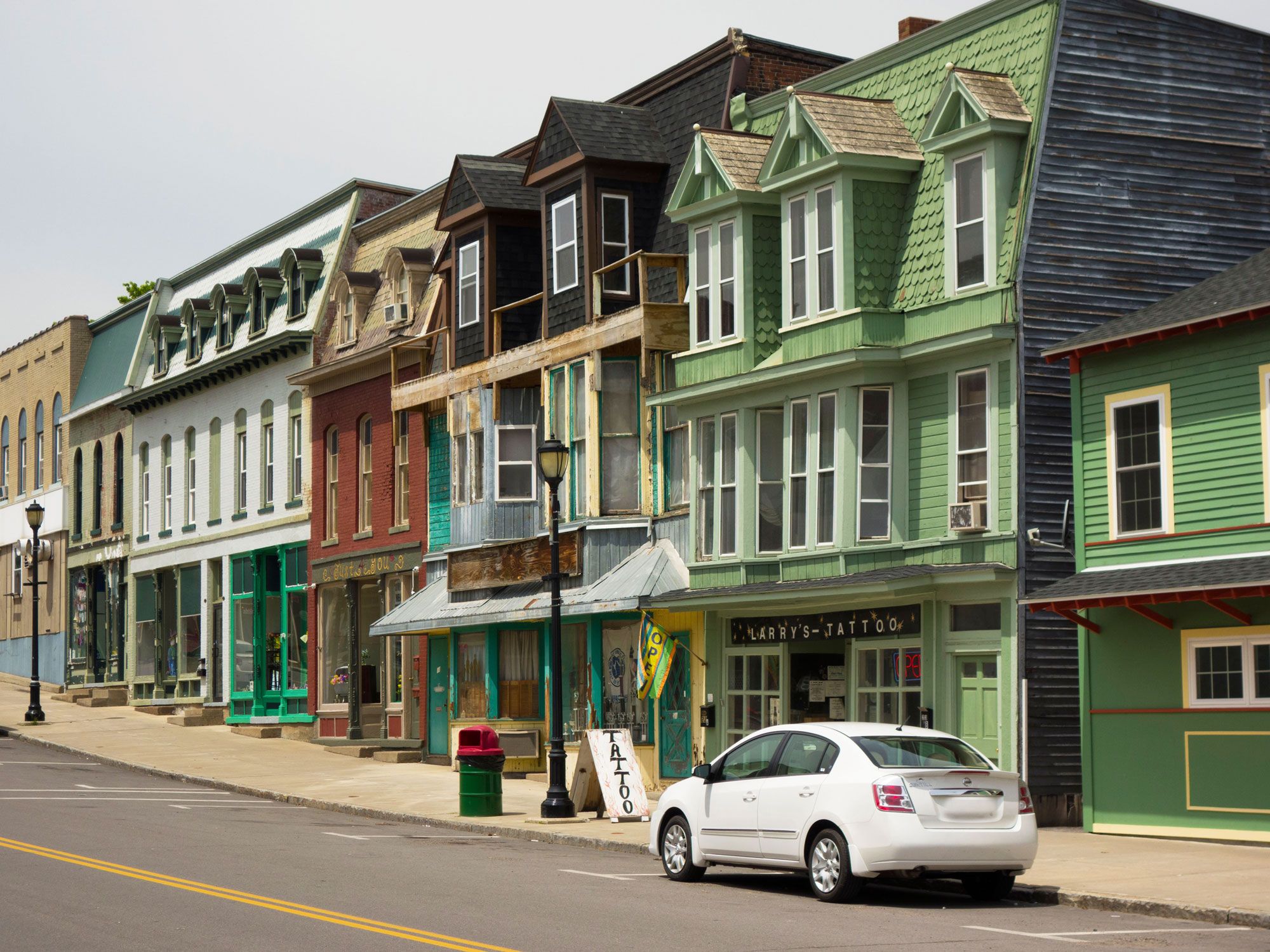
Buildings in Lyons, New York
Credit: Randy Duchaine/ Alamy Stock Photo

This canalside museum in upstate New York is housed in a building dating back to 1884 that was once home to the H.G. Hotchkiss Essential Oil Company, which turned locally-grown wild peppermint into oil, later used for medicinal purposes and to flavor candy. The business also produced other essential oils — including spearmint, tansy, and wormwood — but none were as commercially successful as peppermint. Learn about the manufacturing process as you tour the chemical lab, filter room, and bottling room.  

Museum of Bread Culture – Ulm, Germany

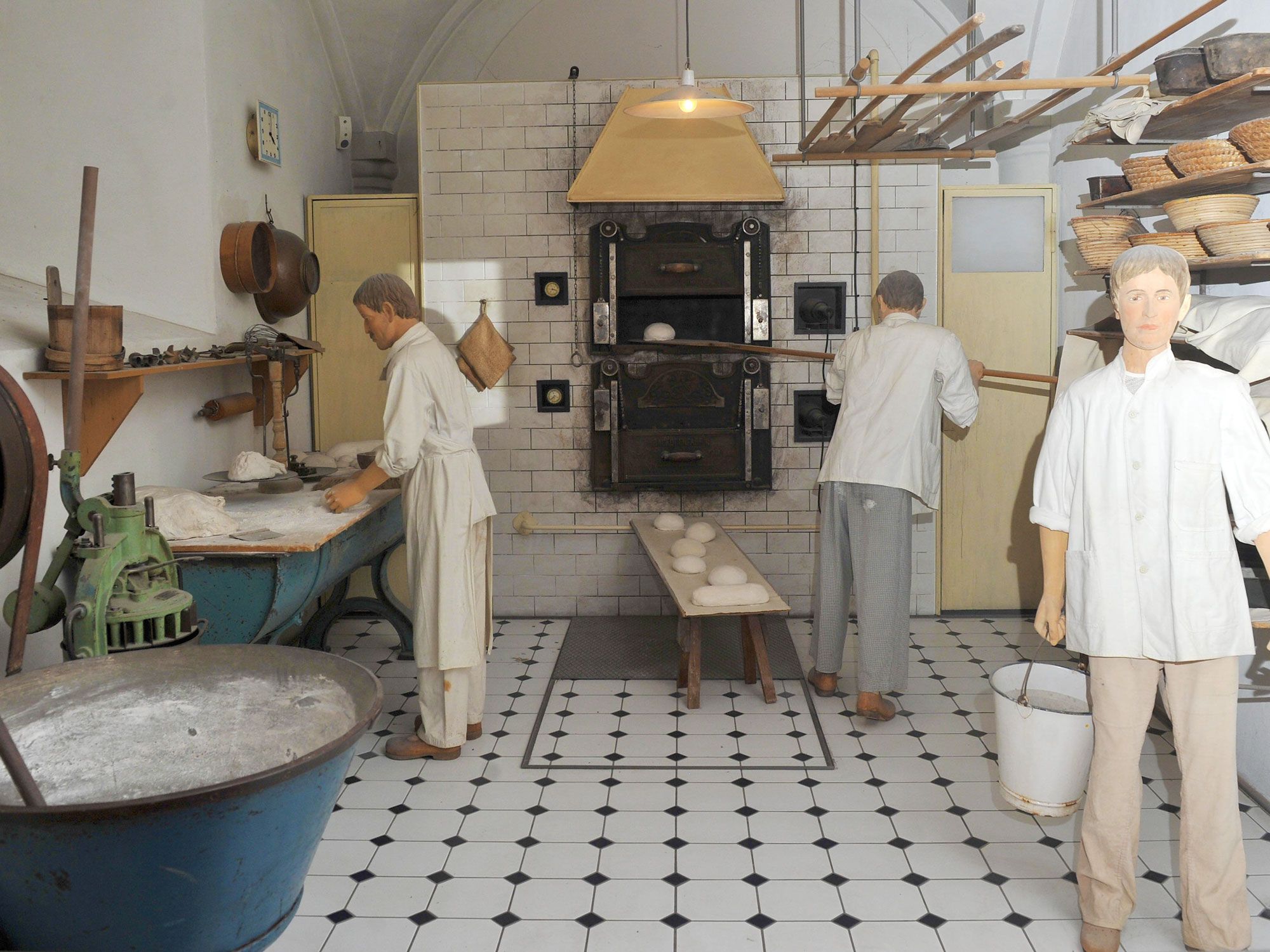
Exhibit inside Museum of Bread Culture in Ulm, Germany
Credit: dpa picture alliance/ Alamy Stock Photo

This fascinating museum is dedicated to a culinary staple: bread, both as a food and a subject for artwork. Displays explore the development of bread-making over its 6,000-year history, with artifacts used in milling, mixing, and baking. In the section of the museum that’s devoted to art, you’ll find bread-themed works by the likes of Rembrandt, Chagall, and Picasso. 

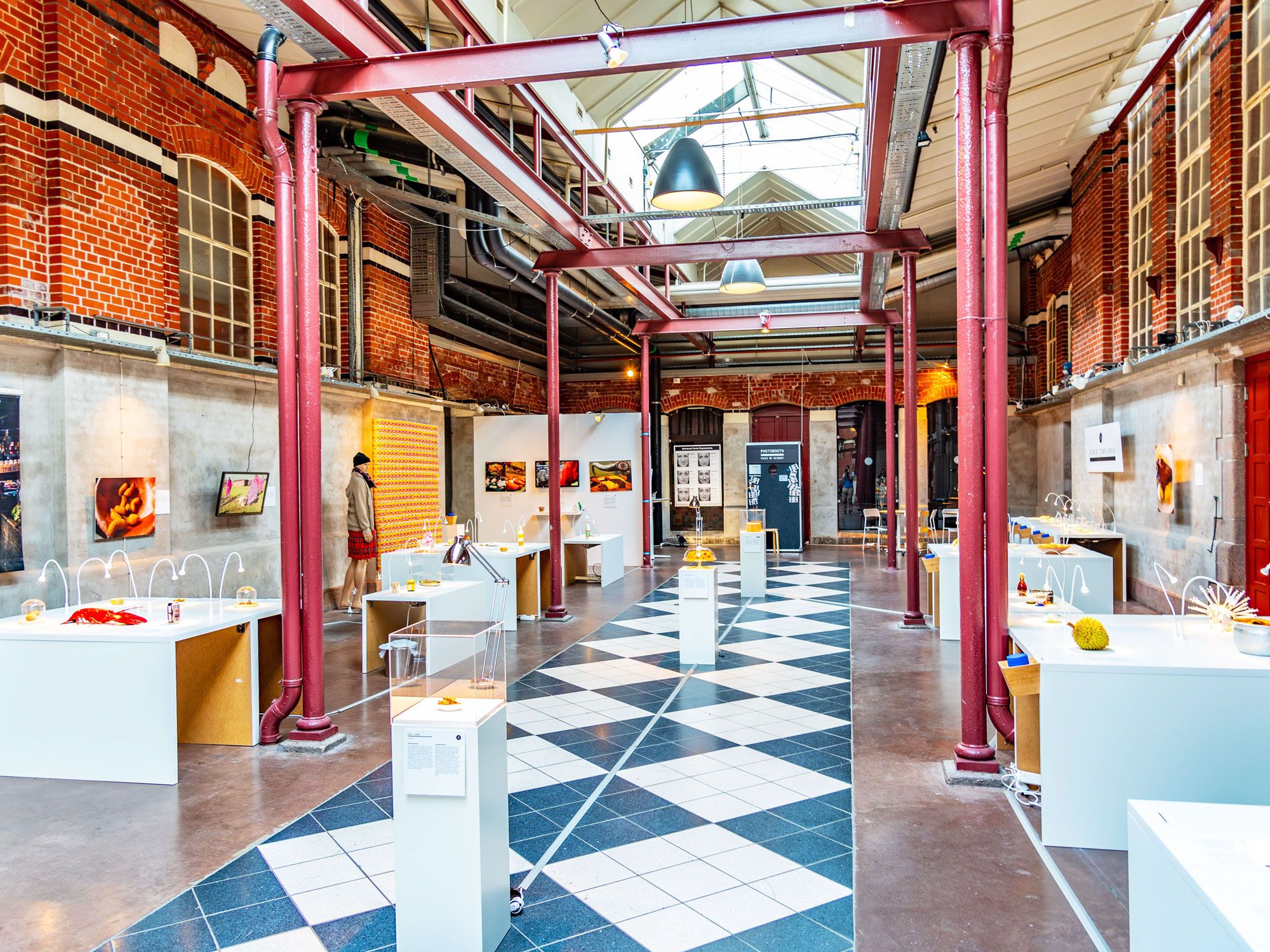
Disgusting Food Museum – Malmo, Sweden

Exhibit inside Disgusting Food Museum in Malmo, Sweden
Credit: Pavel Dudek/ Alamy Stock Photo

If you have the stomach for it, then head to the Swedish city of Malmo to visit the Disgusting Food Museum. Here, you’ll find some of the world’s most divisive foodstuffs, such as Icelandic hákarl (rotted shark meat), China’s stinky tofu, Sardinian casu marzu cheese that contains live insect larvae, and Swedish surströmming (fermented herring). There are opportunities to smell and taste some of these unusual foods as you explore what is and isn’t edible across the world.