

6 Classic Honeymoon Destinations from the 1960s
Honeymoons as we know them today evolved from bridal tours of the 18th and early 19th centuries, when upper-class newlyweds in Britain and Europe often traveled with family to visit relatives who weren’t at the wedding. By the early 1900s, those trips had become common for Americans, too, though they’d morphed into something more intimate: a short vacation meant just for the newly married couple. A few honeymoon destinations emerged as favorites, including Niagara Falls, the early 20th-century “Honeymoon Capital of the World.” But by midcentury, the falls had more competition. Throughout the 1960s, a handful of popular destinations stood out, from mountainside resorts to tropical beaches. Learn more about the fascinating histories of six classic 1960s honeymoon spots.
The Poconos, Pennsylvania
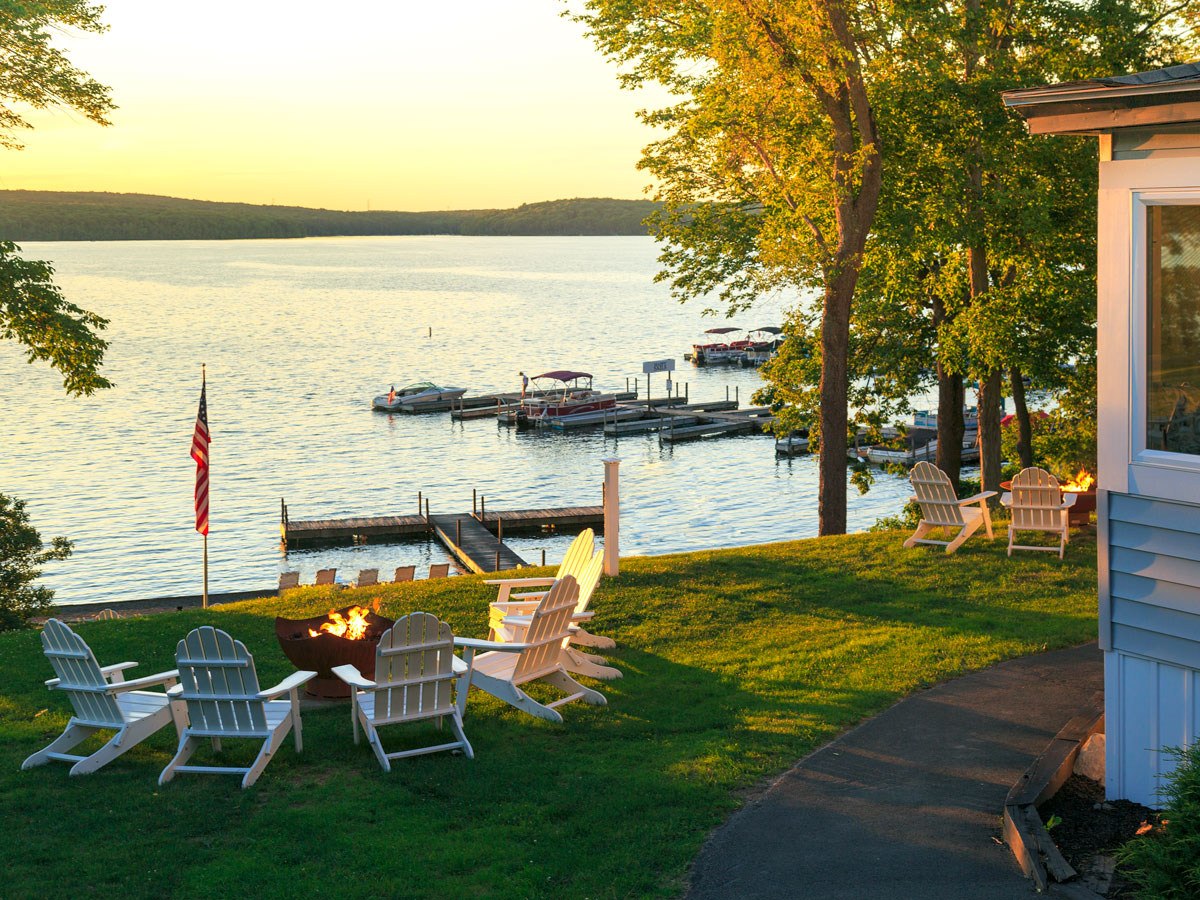
The first honeymoon resort in Pennsylvania’s Pocono Mountains opened in the 1940s, but it wasn’t until after World War II that the region’s appeal to newlyweds truly took off. By the 1960s, the Poconos had a full-fledged honeymoon industry, attracting more than 100,000 couples a year and helping define what a modern honeymoon could look like.
The vibes were unapologetically excessive. In the early 1960s, Morris B. Wilkins introduced the heart-shaped hot tub at his Cove Haven resort. A retro-kitsch mainstay of honeymoon suites today, it was an indulgent novelty and a major draw at the time. Cove Haven and similar resorts weren’t simply places to stay — they were designed specifically for newlyweds, with mirrored walls, circular beds, and evocative marketing that took root in the Poconos. The aesthetic stuck, spreading far beyond northeastern Pennsylvania and shaping postnuptial expectations for decades to come.
Honolulu, Hawaii
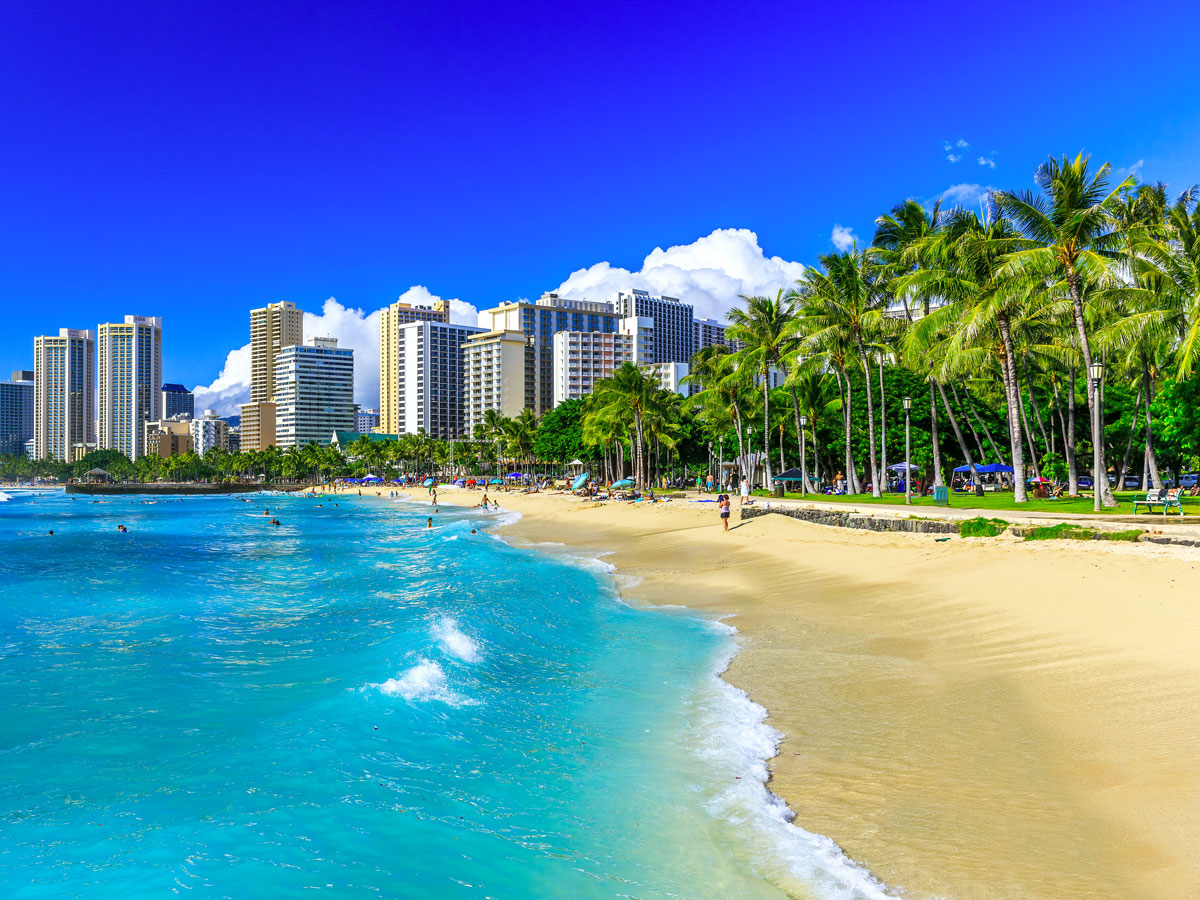
Hawaii became a U.S. state in 1959, and it didn’t take long for Honolulu (especially Waikiki Beach) to become a dream honeymoon destination. Though Hawaii had attracted wealthy American travelers since the early 20th century, easier access to air travel turned what had once been a lengthy steamship voyage into a feasible — though still luxurious — trip for middle-class couples. Beyond its beautiful palm-lined beaches, Waikiki Beach also offered the feeling of being far from home while still being within the U.S.
Hotels like the famously pink Royal Hawaiian and the Moana Surfrider (Waikiki’s first hotel) gave guests an elegant version of a tropical beach experience. Newlyweds were welcomed with lei greetings, tiki-torch-lit luaus, and extravagant oceanfront dinners of local cuisine.
Waikiki’s allure was amplified in popular culture, too. Elvis Presley’s 1961 film Blue Hawaii — the first of three movies he filmed in Hawaii in short order — showcased the state to a rapt midcentury American audience, bringing the once-foreign land within sight and making it synonymous with romance.
Montego Bay, Jamaica
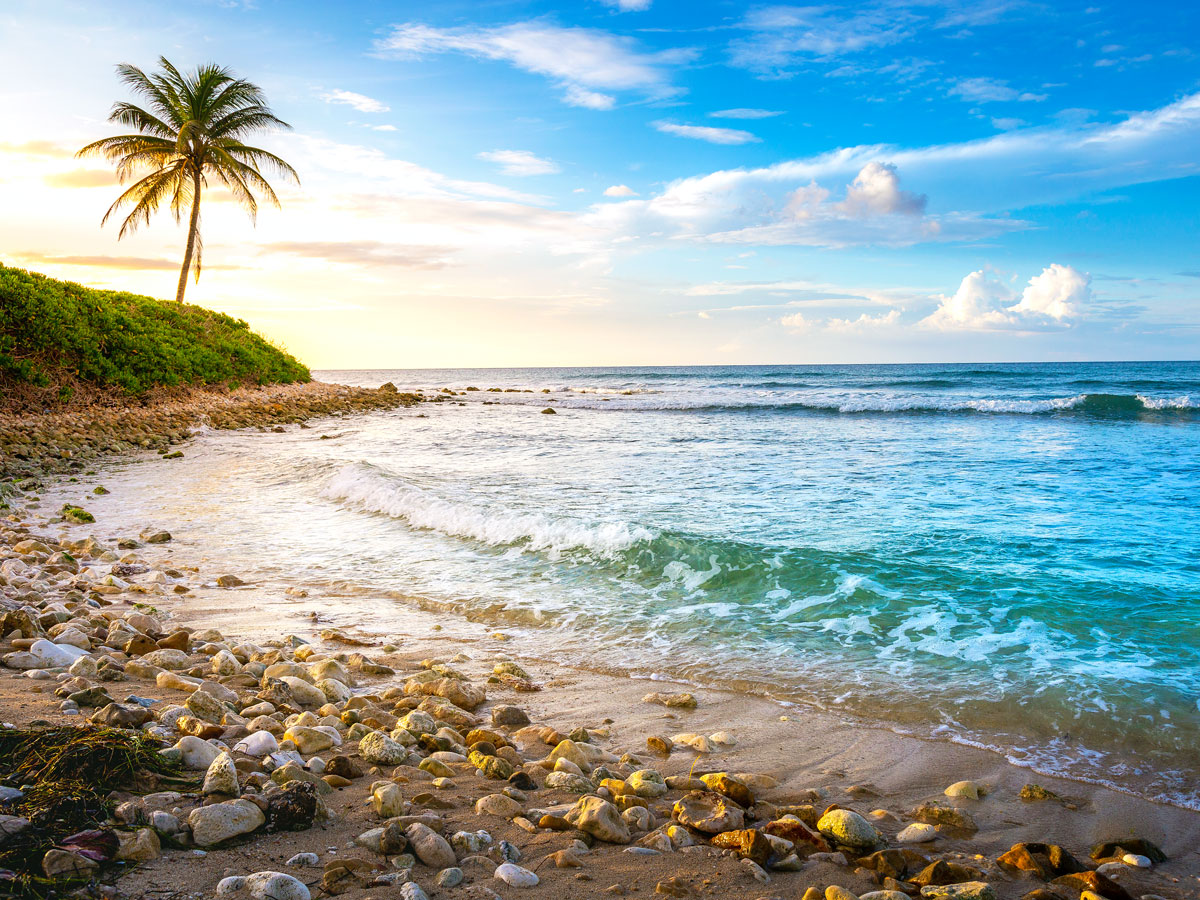
After Jamaica gained independence from the United Kingdom in 1962, tourism became a way for the newly independent Caribbean nation to reintroduce itself to the world. Montego Bay, already known to wealthy travelers for its calm waters and relaxed pace, was an obvious entry point. Thanks to the Round Hill resort, it built a reputation as a glamorous celebrity haven in the 1950s, welcoming the likes of Grace Kelly and John F. Kennedy as guests.
In 1963, hotelier John Pringle was appointed the country’s first director of tourism and tasked with shaping Jamaica’s international image. A major North American advertising push soon followed, including a stylish Macy’s campaign that sold the island’s vibrant modernity. By the mid-1960s, Montego Bay beachfront resorts had become plentiful, and the laid-back lifestyle and culture was a welcome reprieve for young newlyweds.
Las Vegas, Nevada
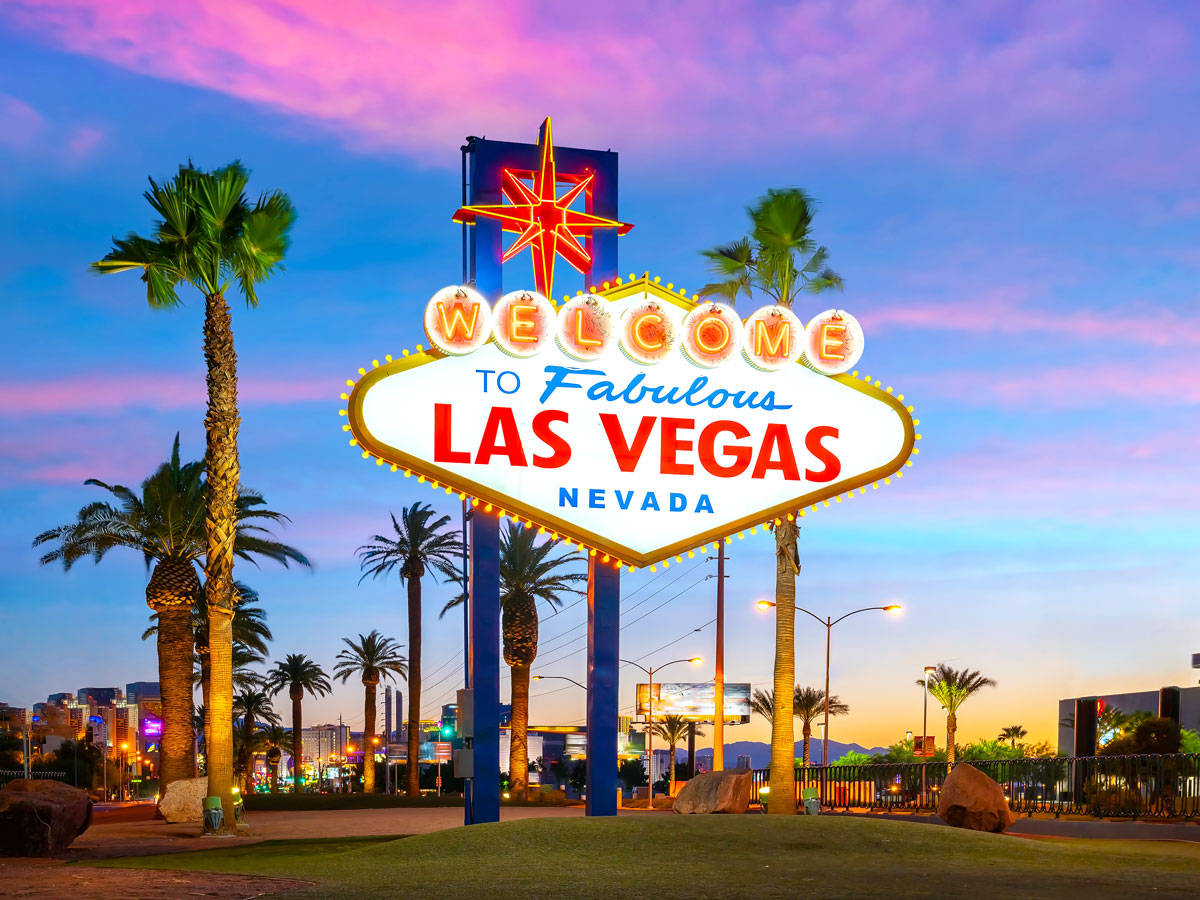
In the 1960s, Las Vegas was in a golden age of glamour. Frank Sinatra, Sammy Davis Jr., Dean Martin, and the rest of the Rat Pack turned clubs and hotel theaters into can’t-miss destinations, and the city was unapologetically adult — honeymooners came not for a quiet retreat, but for excitement. Lavish new resorts such as Caesars Palace and the Sands offered luxury and spectacle, as well as the chance to step outside of everyday rules.
The promise of quick weddings certainly added to the city’s allure, but many couples arrived already married and ready to celebrate. Popular culture helped cement the image. Films like 1960’s Ocean’s 11 and 1964’s Elvis Presley-starring Viva Las Vegas cast Vegas in a sleek and modern light, with the excitement of cocktails, neon lights, and staying up till dawn with your bride or groom.
Miami, Florida
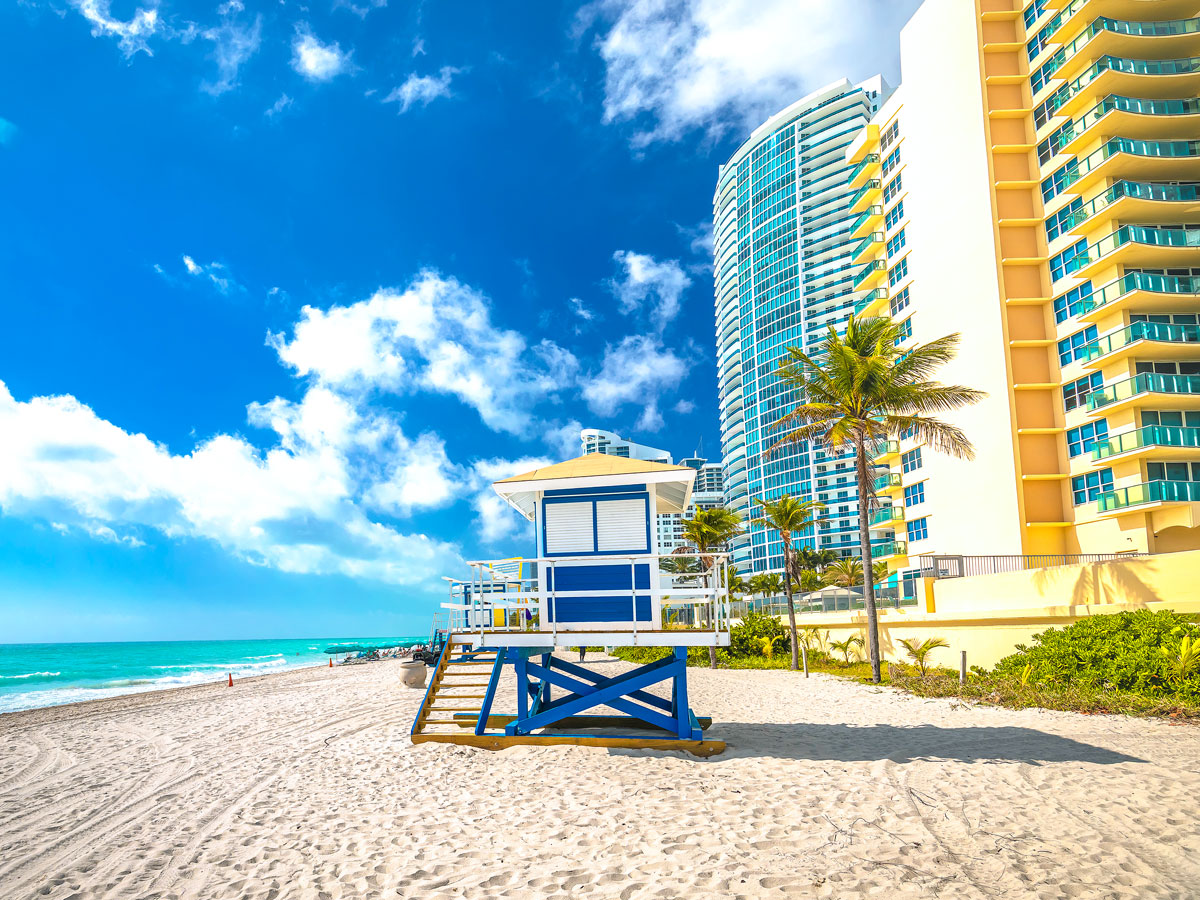
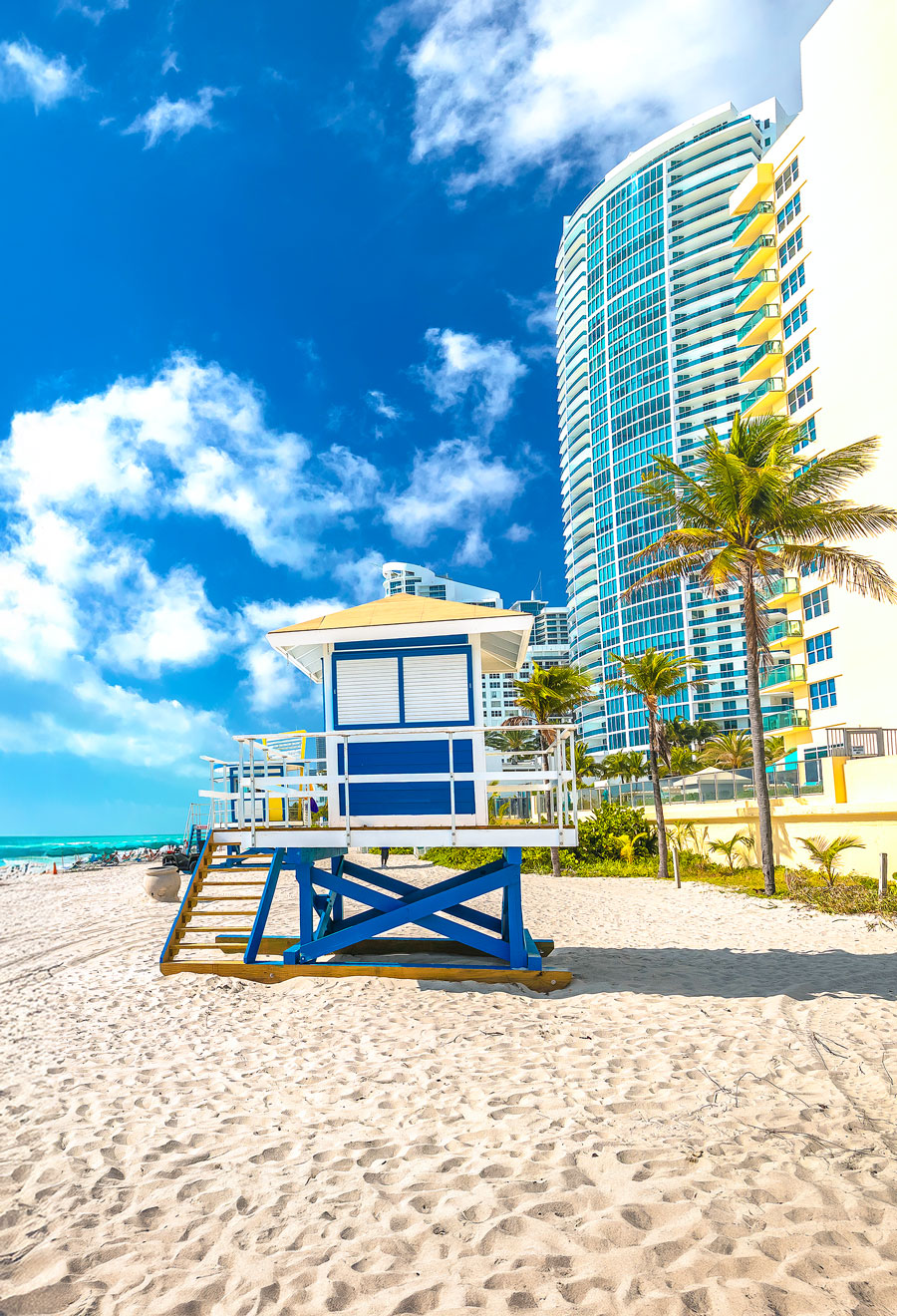
In the 1960s, Miami — sun-drenched and stylish as ever — was one of the most popular honeymoon spots in the eastern U.S. The Florida city’s skyline was much more modest then, and its famous art deco hotels — many built in the 1930s and ’40s — were sought out by young couples, alongside popular resort-style motels such as the Castaways.
Unlike more secluded destinations, Miami was vibrant — bringing couples not only to the pool or oceanside but also to shows by some of the era’s most exciting performers at places such as the famous Fontainebleau. For East Coast newlyweds especially, it was an easily accessible upgrade from other familiar beach towns, one whose sunshine, nightlife, and international influence helped make memories to last a lifetime.
Bermuda
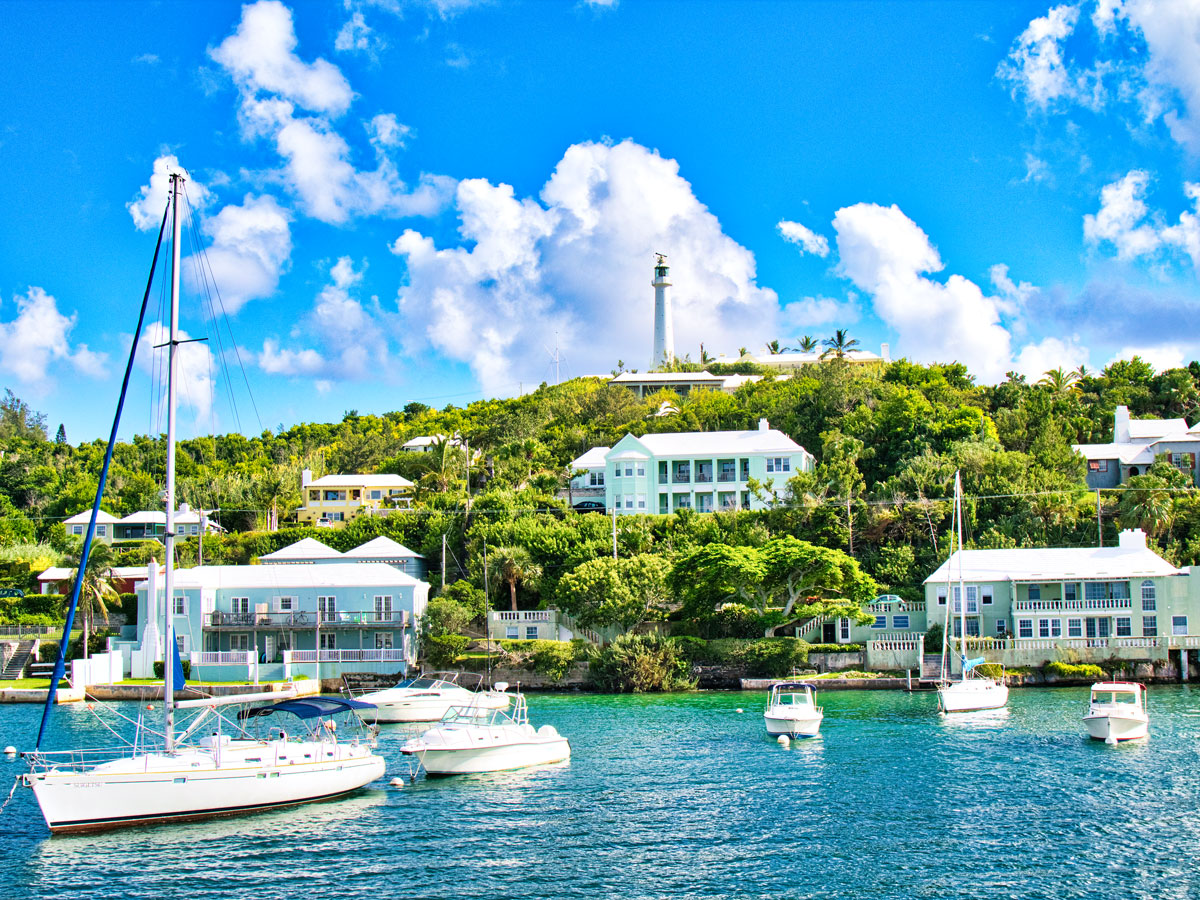
By the mid-20th century, Bermuda had earned a reputation as a beloved honeymoon destination, especially for Americans, given its close proximity to the U.S. East Coast. Upwards of 85% of Bermuda tourists at this time were from the Eastern Seaboard. The island’s famous pink-sand beaches and seaside resorts felt refined and romantic, and its reliable road and hotel infrastructure made it especially appealing for those making their first international voyages.
Bermuda’s pristine Atlantic waters offered a warm and welcome escape — the island’s tourism board billed it as a place to escape the winter and recharge in the sun. Much of Bermuda’s honeymoon traffic centered on its south shore, where hotels such as the storied Elbow Beach had been welcoming couples since 1908. Elbow Beach’s long, sheltered shoreline and quiet surroundings were the perfect mix of private and polished, and to this day, Bermuda attracts honeymooners for the simpler pleasures it always has — relaxing, swimming, sightseeing, and plenty of fresh seafood.
More from our network
Daily Passport is part of Inbox Studio, an email-first media company. *Indicates a third-party property.