


10 Countries Where You Should Always Take Your Shoes Off Inside
10 Countries Where You Should Always Take Your Shoes Off Inside


Though we can all agree that removing shoes indoors is an effective way to prevent the spread of germs, there are regions around the world where kicking off your kicks is also considered a sign of respect and proper etiquette. In these places, you may be expected to take your shoes off before entering any homes, shrines, restaurants, and other indoor spaces. Before your next trip, familiarize yourself with these 10 examples of countries where it’s taboo to wear shoes indoors.
Japan
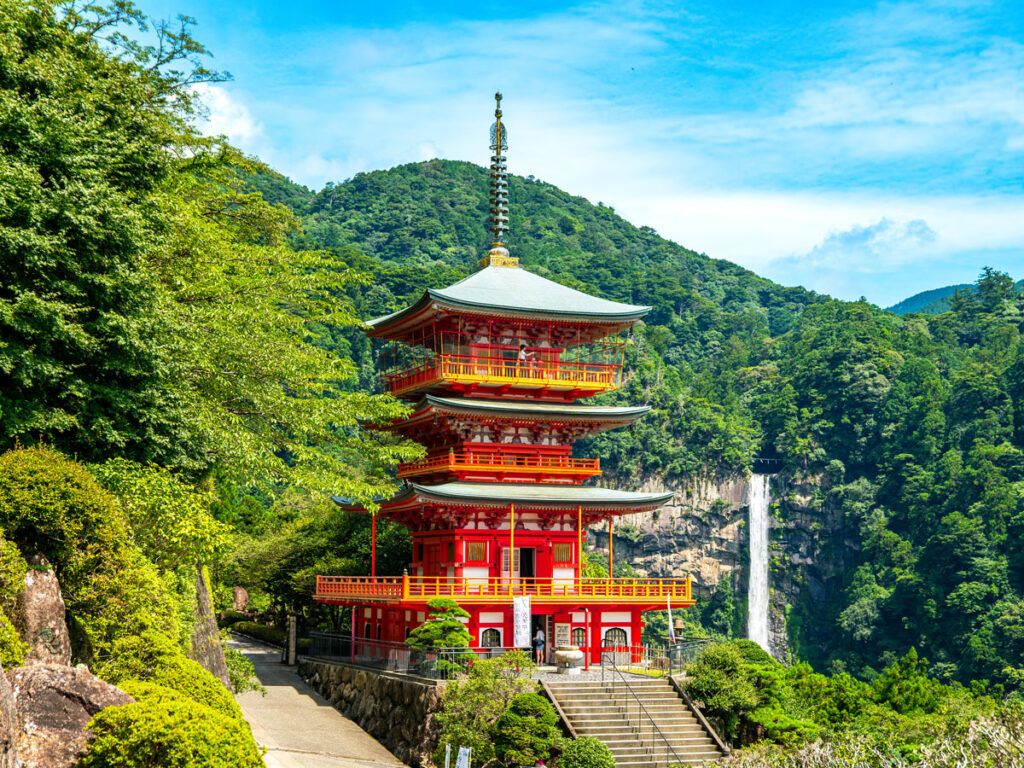
When traveling in Japan, you’re bound to come across many signs indicating that you should remove shoes before entry. This is done to keep dirt and grime outside, maintaining the cleanliness of all indoor spaces. While many modern workplaces or office environments are typically exempt from the rule, you’re expected to remove shoes before entering private homes, religious temples, traditional restaurants, public bathhouses (known as sentō), and ryokan (Japanese-style inns featuring a traditional yet delicate type of flooring called tatami).
At many of these locations, you’ll see a dedicated rack where you can leave your shoes for the duration of your stay, and you may be provided with slippers for added comfort. You may also find an elevated wooden platform, called a sunoko, at the entrance of these buildings. The correct way to remove your shoes at any sunoko is to step out of the shoes while leaving them in the dirty entryway, step on the wooden slats, pick up your shoes, and, lastly, carry them to the shoe rack. This keeps any dirt from getting on your socks or being brought inside.
Turkey
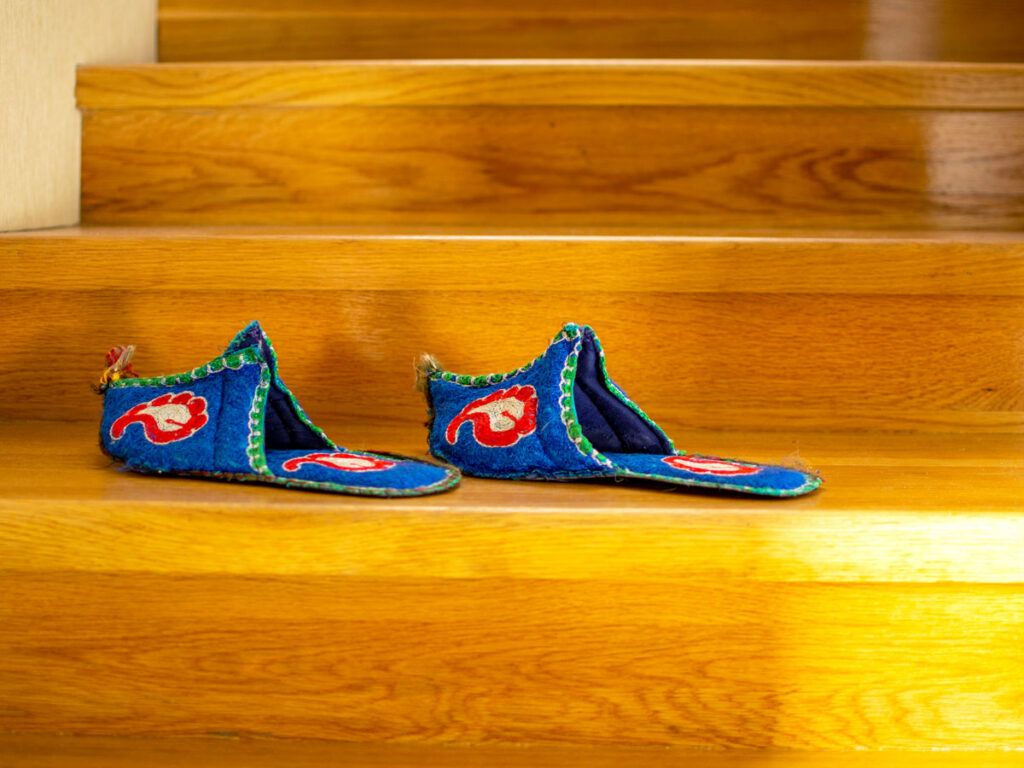
In Turkey, it’s expected for all guests to leave their shoes directly outside the door or in a dedicated hallway right inside the entryway. In many cases, you’ll be offered an indoor slipper called a terlik for comfort. Taking off your shoes is a sign of cleanliness and respect. Many floors in Turkey are covered in carpeting, and this helps keep dirt away. Expect to remove your shoes before entering any private home, mosque, or other religious institution throughout the country.
Sweden
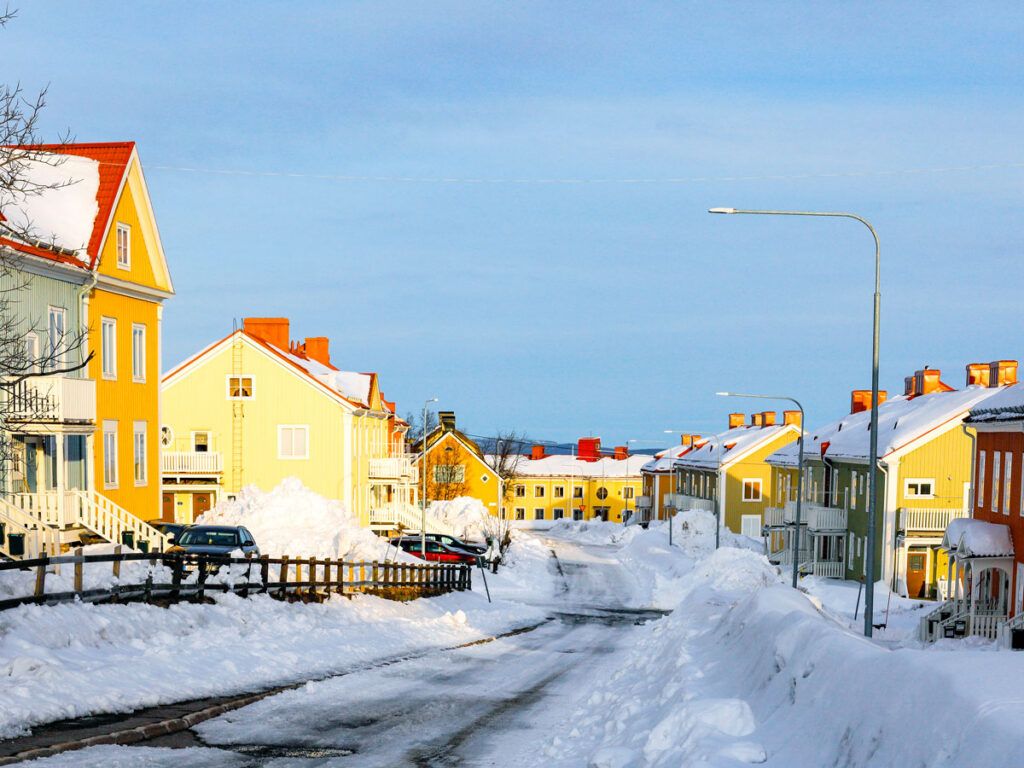
Sweden is notorious for having slushy winters, which can make it tough not to track dirt and grime inside. One of the surest ways to prevent mess is by kicking off your shoes before entering any indoor space. It’s advised to bring a pair of clean socks or house shoes when going inside another person’s home, as the often cold temperatures in Sweden can make floors uncomfortable for bare feet. Be sure to put your dirty shoes in the skohylla, a popular type of two-tier shoe rack found in many Swedish homes.
Germany
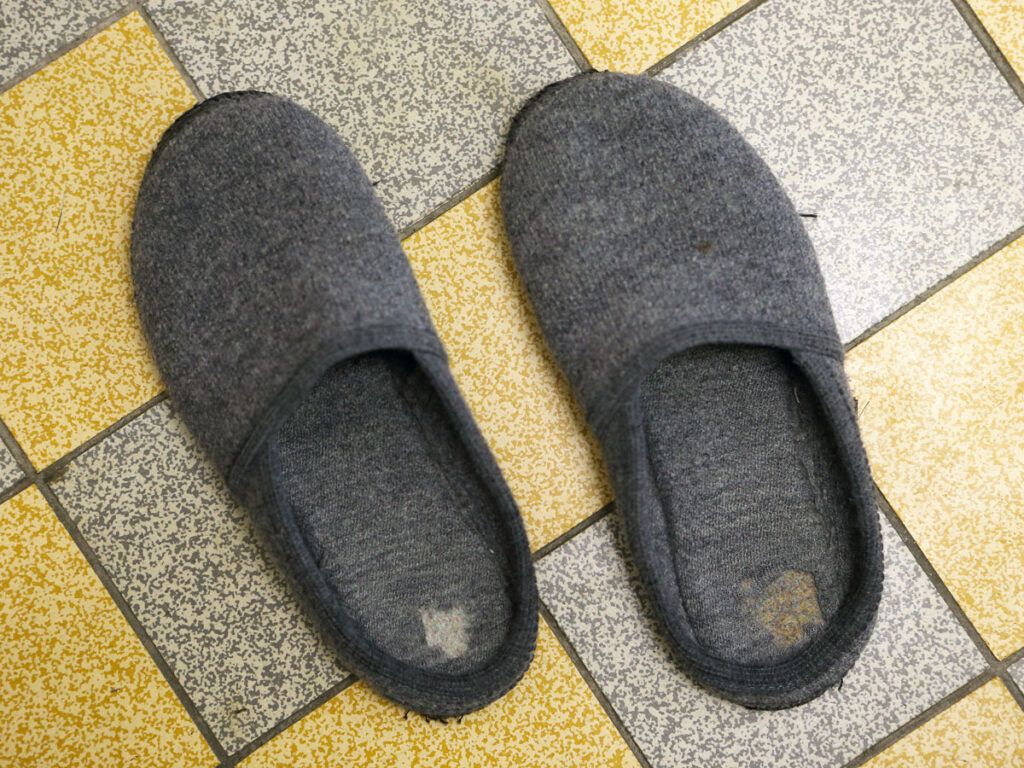
Germans have a reputation for being quite fastidious, and widespread adherence to the societal custom of removing shoes before entering a home is no exception. In an effort to maintain a clean indoor space, many people will swap out their shoes for special indoor slippers called hausschuhe (“house shoes”). There are also often dedicated mats to stand on when removing your shoes, along with a rack on which to deposit them.
The Philippines
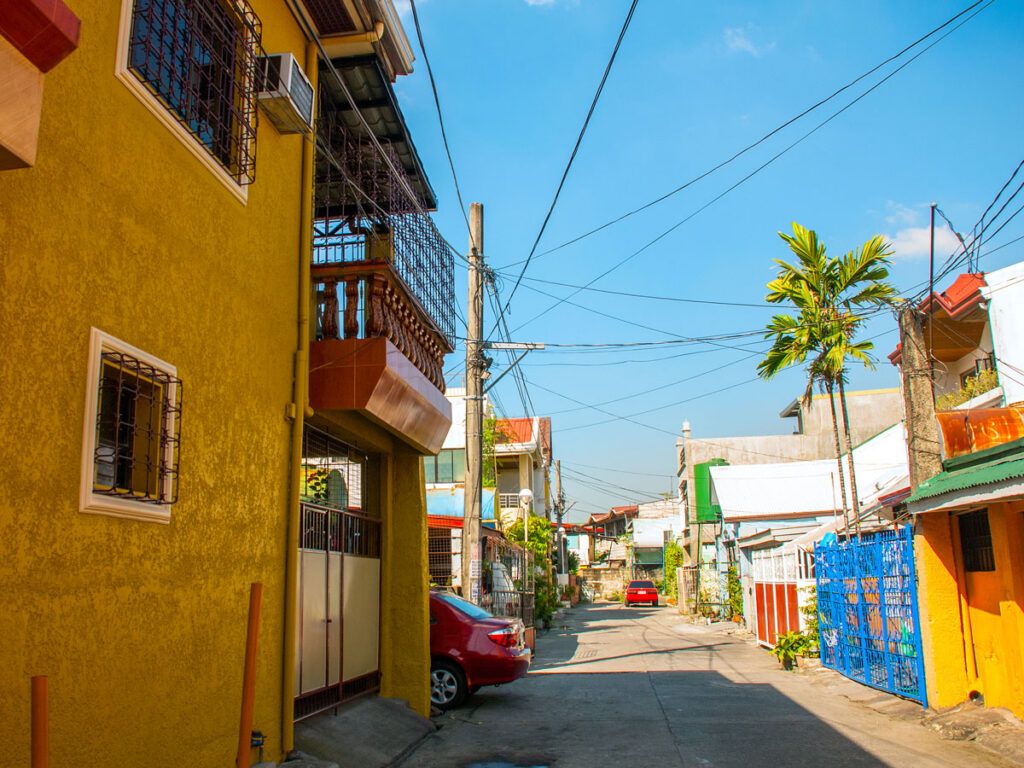
You’re always expected to leave your footwear at the door when entering someone’s home in the Philippines. Many Filipino families pride themselves on maintaining cleanliness, and by removing your shoes, you’re showing respect, humility, and understanding of the local customs.
Egypt
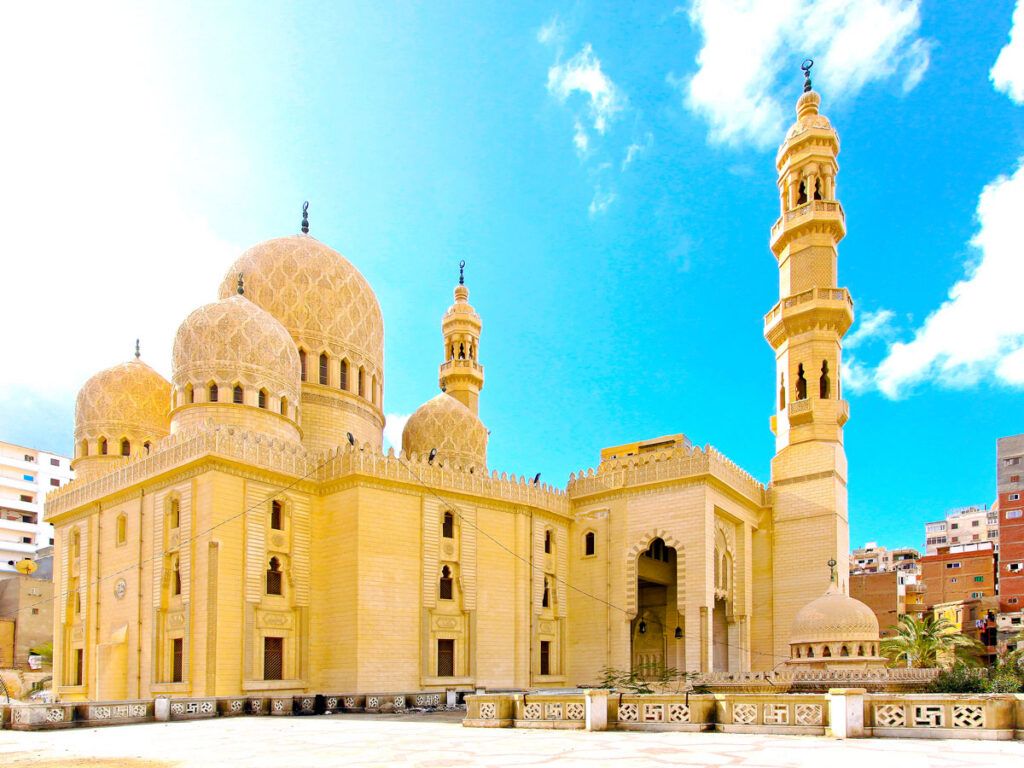
Whether you’re entering a home, a mosque, or an authentic Bedouin tent, always take your shoes off prior to entering indoor spaces in Egypt. If you’re not wearing socks or slippers, it’s also an unwritten rule in Egypt that when sitting barefoot, you should avoid pointing bare feet in the direction of anyone else — always keep them tucked underneath you.
Ukraine

In Ukraine, it’s customary to remove shoes before entering a person’s home. Many hosts will offer their guests a type of slipper known locally as капці. This is a deeply ingrained sign of cleanliness and respect in Ukrainian culture, as it keeps mud, dirt, and germs from infiltrating indoor spaces.
Saudi Arabia
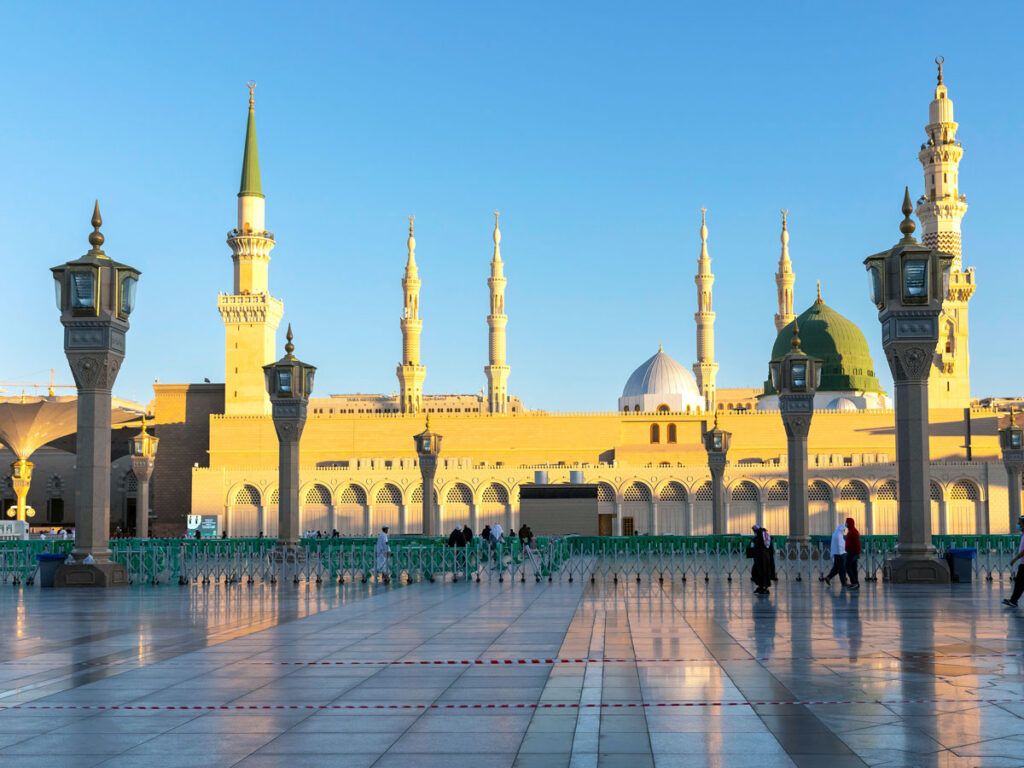
While Saudi Arabia typically has different guidelines based on gender, there’s a rule that applies across the board: Always remove shoes before entering a mosque. The custom is partially based on a religious story in which Allah instructed the prophet Musa to remove his shoes as a show of respect. Many Saudis also remove shoes prior to entering the home, especially if the home is carpeted.
India
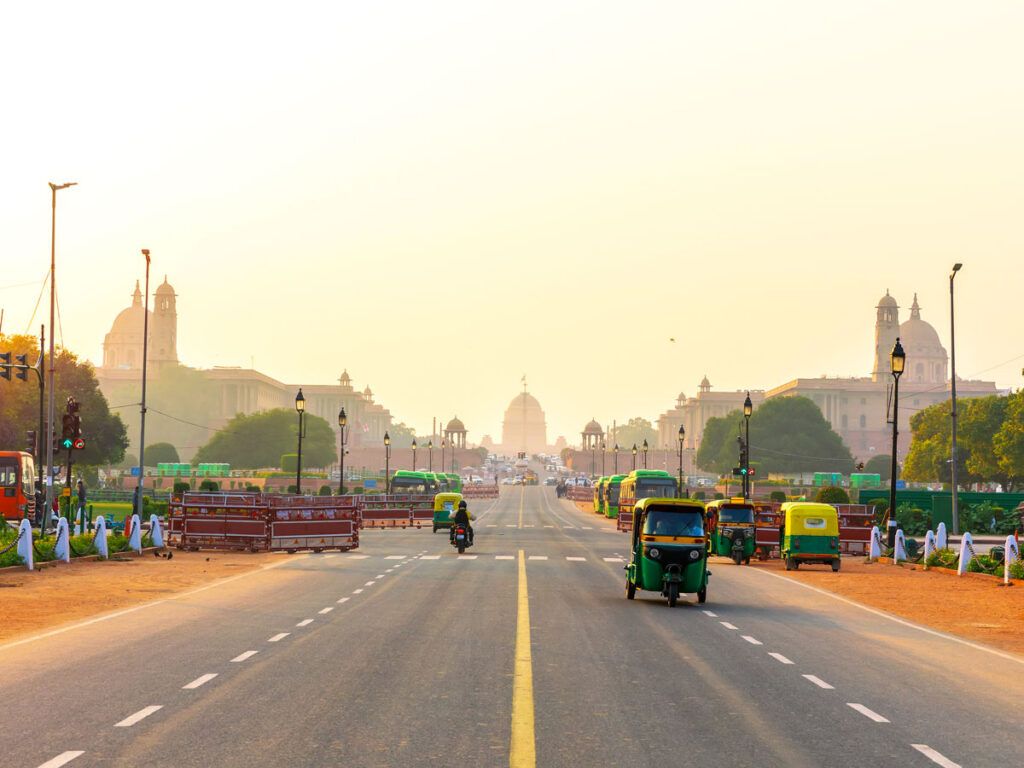
When traveling in India, always remove your shoes before going inside any home, religious shrine, or traditional restaurant. You’ll often find hundreds of shoes placed on dedicated racks or scattered throughout the entryways of buildings. In 2019, the tiny village of Andaman in Tamil Nadu, in southern India, went so far as to ban wearing shoes outright, making exceptions only for the sick and elderly, based on a prophetic tale in which someone wearing shoes tripped and was struck down with a fever.
Mynanmar

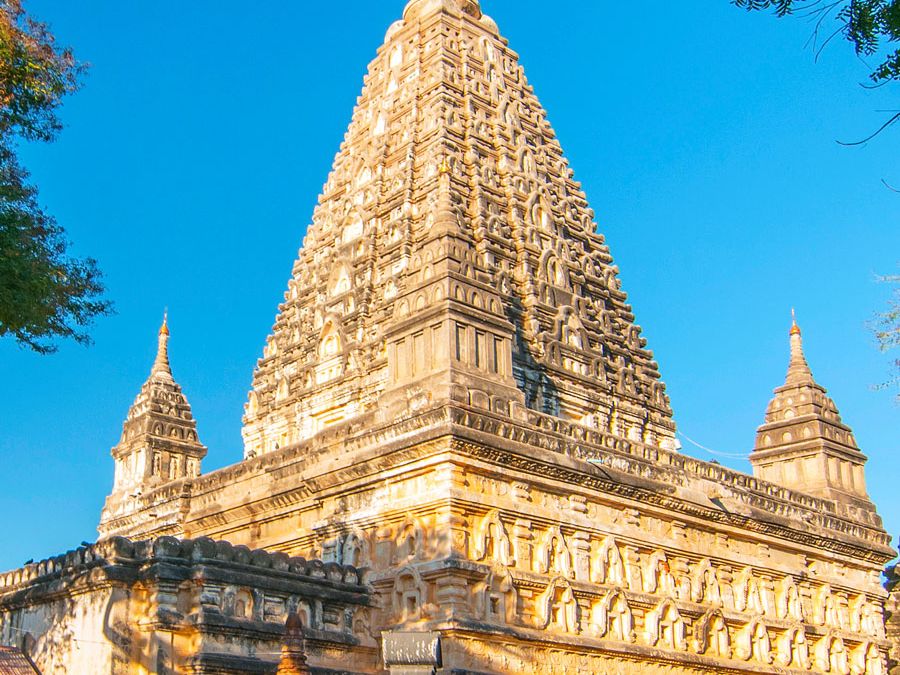
Removing your shoes is expected before entering any home in Myanmar, along with Buddhist temples or shrines throughout the country. In fact, back when Myanmar (then called Burma) was a British colony, the “shoe question” fueled anti-colonial sentiment and, eventually, the country’s independence movement.
In the early 20th century, many colonists refused to remove their shoes when stepping foot in any religious pagoda, leading to pushback among locals who insisted the imperialists adhere to local customs. Today, you may even be fined and jailed for refusing to remove your shoes at Burmese religious sites.
More from our network
Daily Passport is part of Inbox Studio, an email-first media company. *Indicates a third-party property.