






6 Countries Where You Shouldn’t Smile at Strangers
6 Countries Where You Shouldn’t Smile at Strangers


For many of us, smiling comes naturally. It’s a simple gesture that can acknowledge a passerby, ease an uncomfortable situation, or even brighten up someone’s day. In some places around the world, though, a smile from a stranger can be interpreted differently. Depending on where you are, it may even cause confusion and spark uncertainty. Discover six countries where smiling at strangers isn’t the norm (and why).
Russia
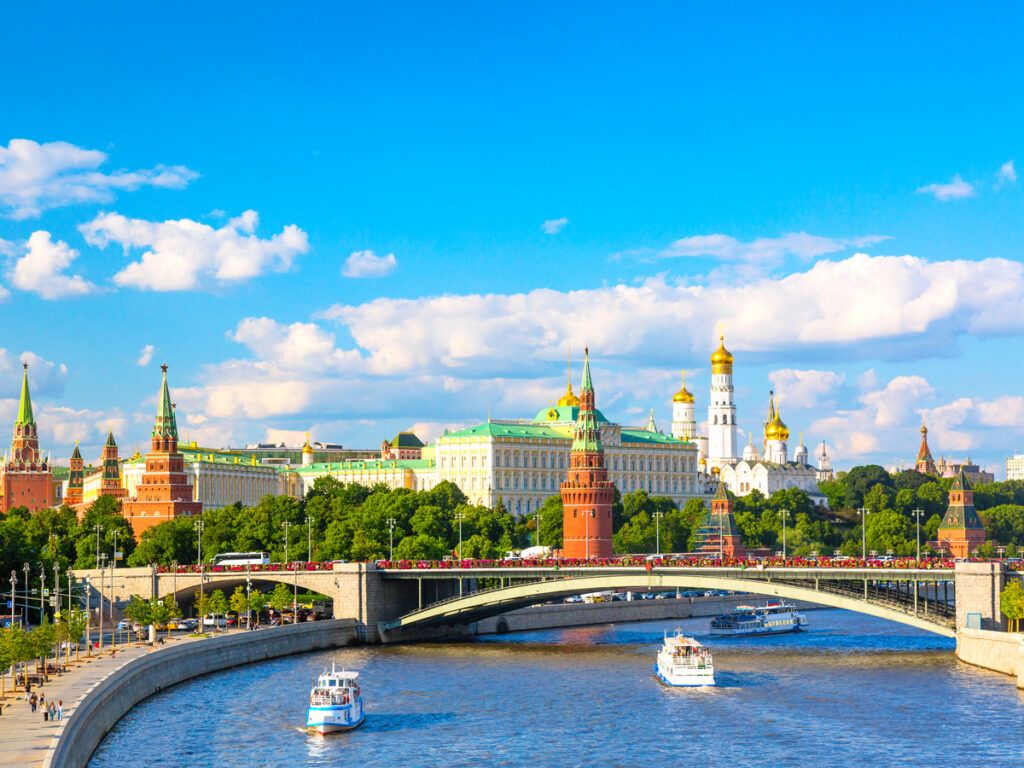
Smiling at people you don’t know isn’t common in Russia. Instead, Russians tend to save the action for genuine moments of happiness, or for the people they are most familiar with and comfortable being around. The preference for authenticity is thought to have deep cultural origins, defined by centuries when life was often harsh across a country known for its remoteness and cold climates.
China

In China, locals tend to categorize people in terms of closeness — they have one category for their trusted inner circle and another for everyone else. The idea is rooted in Confucian teachings, which place an emphasis on mutual trust and close relationships. Warmth is typically reserved for family and friends who fit into established social circles, meaning smiling at a random passerby is less common in China than in the U.S. So, if a subway worker, fellow passenger, or shop cashier shows little interest in your nicety, don’t feel offended.
Japan

Smiling at strangers in Japan isn’t necessarily rude, but it can come off as awkward and unexpected. A local on the receiving end of a quick smile might view it as disingenuous or flirtatious. This stems partly from the concept of kuuki wo yomu (reading the room), in which respecting someone’s personal space is more important than making eye contact. Instead of a casual smile on the street, a polite nod or slight bow is usually the norm in Japan.
Finland
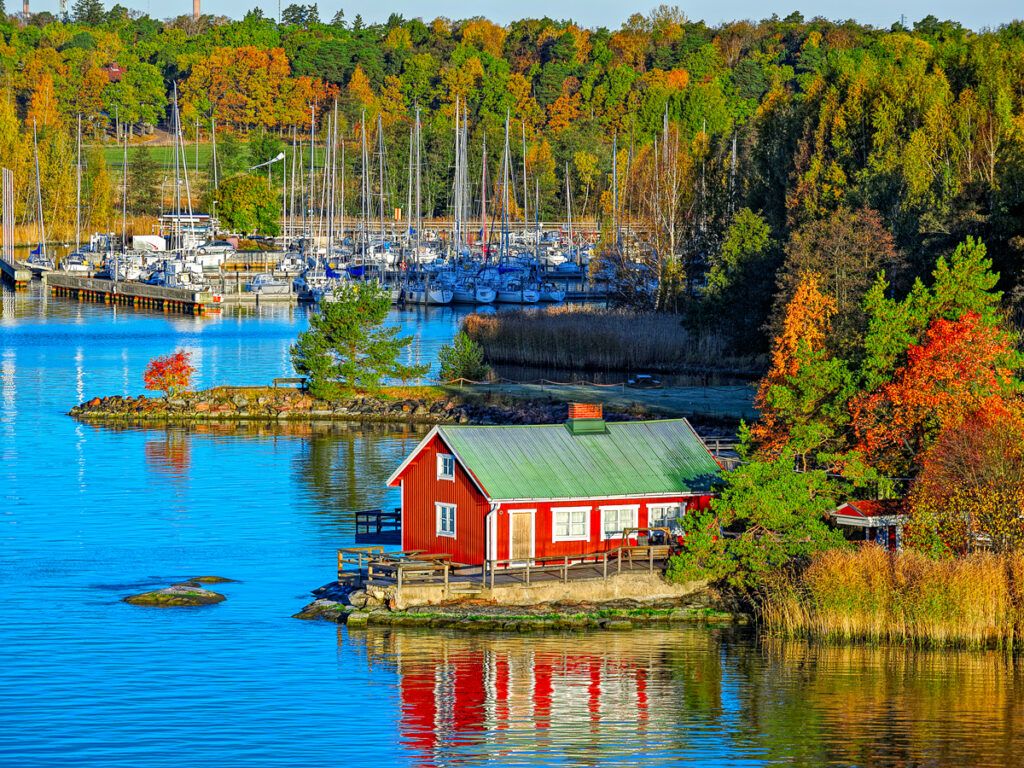
They may live in the happiest country in the world, but you’re unlikely to see Finns going around smiling about it. For many, smiling without reason can come across as insincere, and trust and warmth are fostered over time through real connections, not casual gestures. Therefore, a quick smile may be met with a baffled look, and it’s not uncommon for acquaintances in Finland to pass each other on the street without making contact.
France

A simple smile in France typically carries more weight than in many other countries. French people tend to prioritize authenticity over appearance, privacy over openness, and meaningful gestures over rote pleasantry. Trust has to be earned and developed gradually, like a good wine. To avoid coming across as fake or overbearing, visitors to France should mirror how others act in social situations and not take their lack of a smile as aloofness or disapproval.
Germany
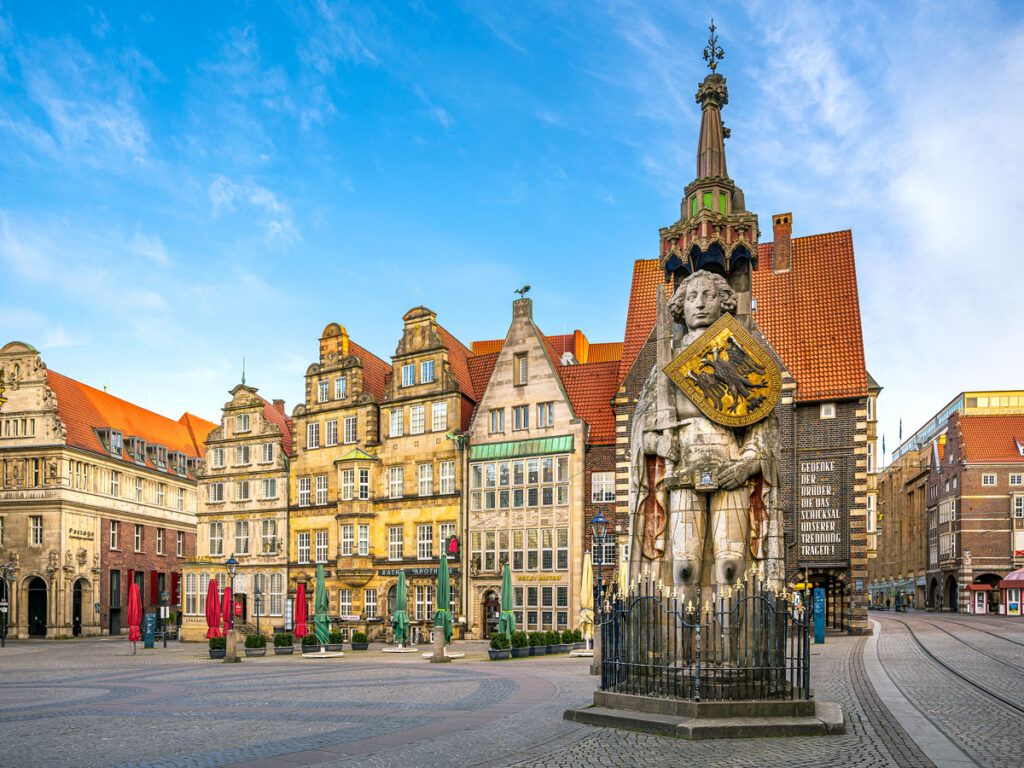
While there’s plenty to make you smile in Germany, locals aren’t likely to exchange pleasantries in return. Like locals in several other European cultures, Germans tend to smile when they genuinely feel happy. A visitor grinning without obvious reason or to manage an awkward moment could be viewed as suspicious. It reflects the cultural value placed on honesty, through both words and body language.
More from our network
Daily Passport is part of Inbox Studio, an email-first media company. *Indicates a third-party property.