




5 Countries That Prefer Payments Other Than Credit Cards
5 Countries That Prefer Payments Other Than Credit Cards

When traveling abroad, you might assume that credit cards are a suitable payment method no matter where you visit. But while many merchants are perfectly happy to accept plastic, others may not accept credit cards at all. In some places, cash still reigns supreme, but there are also a growing number of countries where new digital payment providers have surged in popularity. Before you jet off for your next international trip, familiarize yourself with the preferred payment methods in five countries where credit cards aren’t as common.
China

Whether you’re shopping in a rural mountain village or a sprawling metropolis such as Beijing or Shanghai, credit cards aren’t all that common in China. Instead, Chinese merchants typically expect buyers to pay with one of two widespread mobile payment services: Alipay or WeChat.
Similar to Apple or Google Wallet, Alipay acts as a digital wallet on your smartphone. Setting up an account is free, and you’ll need to add a payment method that’s accepted internationally (a credit or debit card from a major provider such as Mastercard or Visa). Once you’ve downloaded Alipay and are ready to settle up, users are asked to scan the QR code provided by the merchant and complete the transaction in the app. Alipay was available only to Chinese residents at first, but it opened up to foreigners in 2023.
WeChat is another free smartphone app that doubles as both a social media platform and a widely used payment service. In addition to making purchases, many Chinese locals rely on WeChat to make calls or texts, too. Much like with Alipay, users download the app, set up an account, add a payment method, and then use the app to scan QR codes to pay. WeChat is also available in the United States, where it has around 19 million users.
Germany
Though credit cards are accepted at many merchants throughout Germany, they account for less than 10% of point-of-sale (POS) payments nationwide. Germans have a strong preference for using cash or debit cards instead, though digital wallets are quickly gaining popularity as well.
A 2023 study found that 51% of all German-based transactions were made using cash. Germany also has one of the highest national percentages of debit card use — particularly the Girocard, which is Germany’s leading debit card service, with over 100 million cards issued. In the first half of 2025, debit cards made up 31% of noncash payments. PayPal is another popular payment method in Germany, primarily for e-commerce.
Myanmar

In 2016, the U.S. lifted financial sanctions on Myanmar, allowing international credit card providers such as Visa and Mastercard to offer services in the Southeast Asian country. However, because there was little to no reliable credit card infrastructure when the sanctions were lifted, the rollout has been slow. While you may find credit cards are accepted at major hotels and other tourist attractions, they’re still relatively rare in the majority of the country. And if you do find a spot that accepts them, you’ll often find a 3% transaction fee on top of the purchase price.
Instead of using credit, the local U.S. Embassy advises using cash if possible. It’s best to use local currency (the kyat), though a few businesses may accept U.S. dollars. Foreign travelers are advised to arrive with enough cash to cover the cost of any planned purchases, as well as additional cash set aside in case of unexpected emergencies. It’s also worth noting that there are few ATMs in Myanmar, so you should either acquire kyat before your trip or exchange money at the airport upon arrival.
India
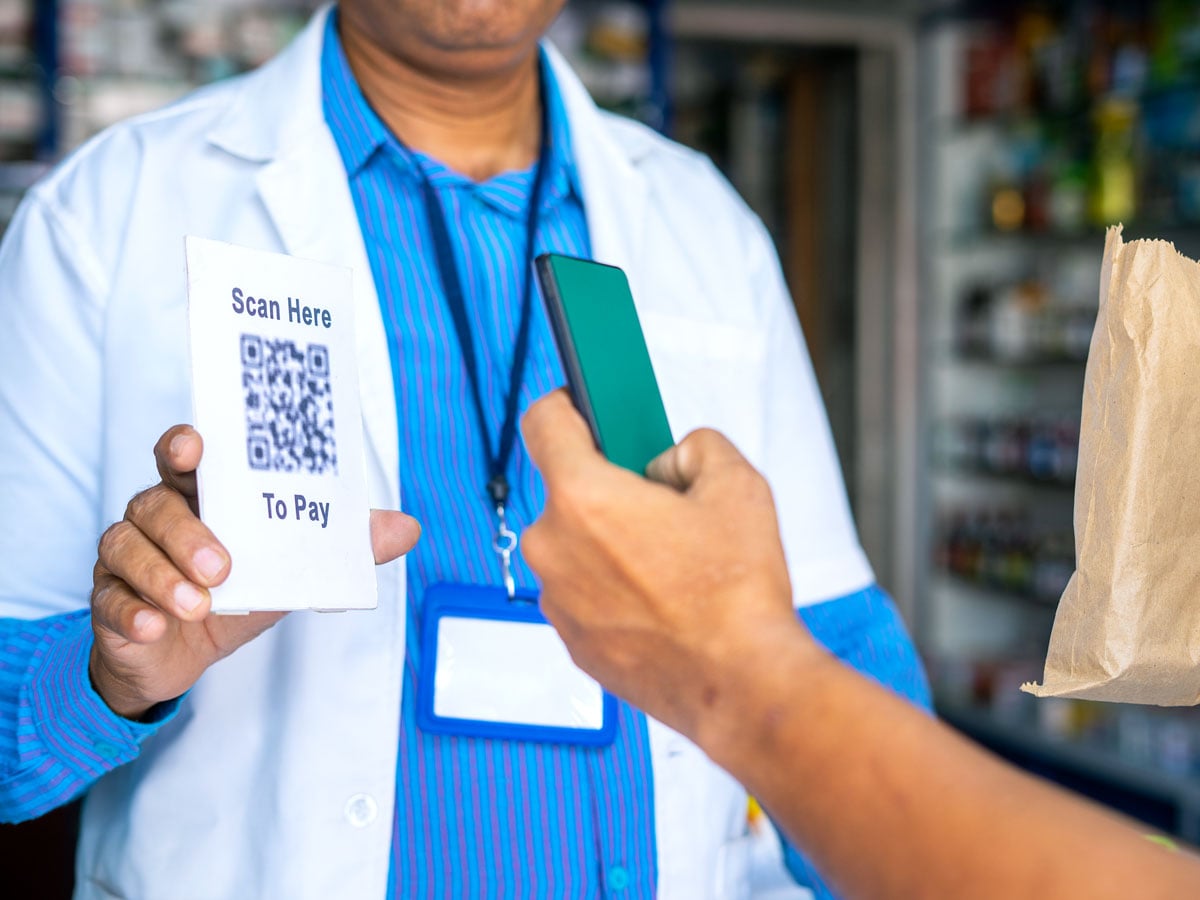
While credit cards are accepted in many urban areas throughout India, they’re not exactly the preferred method of payment — it’s estimated that only around 5.5% of the population uses them. Instead, many Indians use a digital payment system called Unified Payments Interface (UPI). Those visiting the country are also able to download the UPI One World digital wallet. Once you’ve set up your account using an international phone number, simply scan QR codes to pay for your purchases.
UPI is so popular among India’s population that, according to 2023 data, there were 3,729.1 UPI payments made per second. That number has only continued to grow, and a more recent 2026 study shows that UPI is the preferred payment method used in 57% of transactions throughout India. Cash is a distant runner-up, used in 38% of local purchases.
Brazil
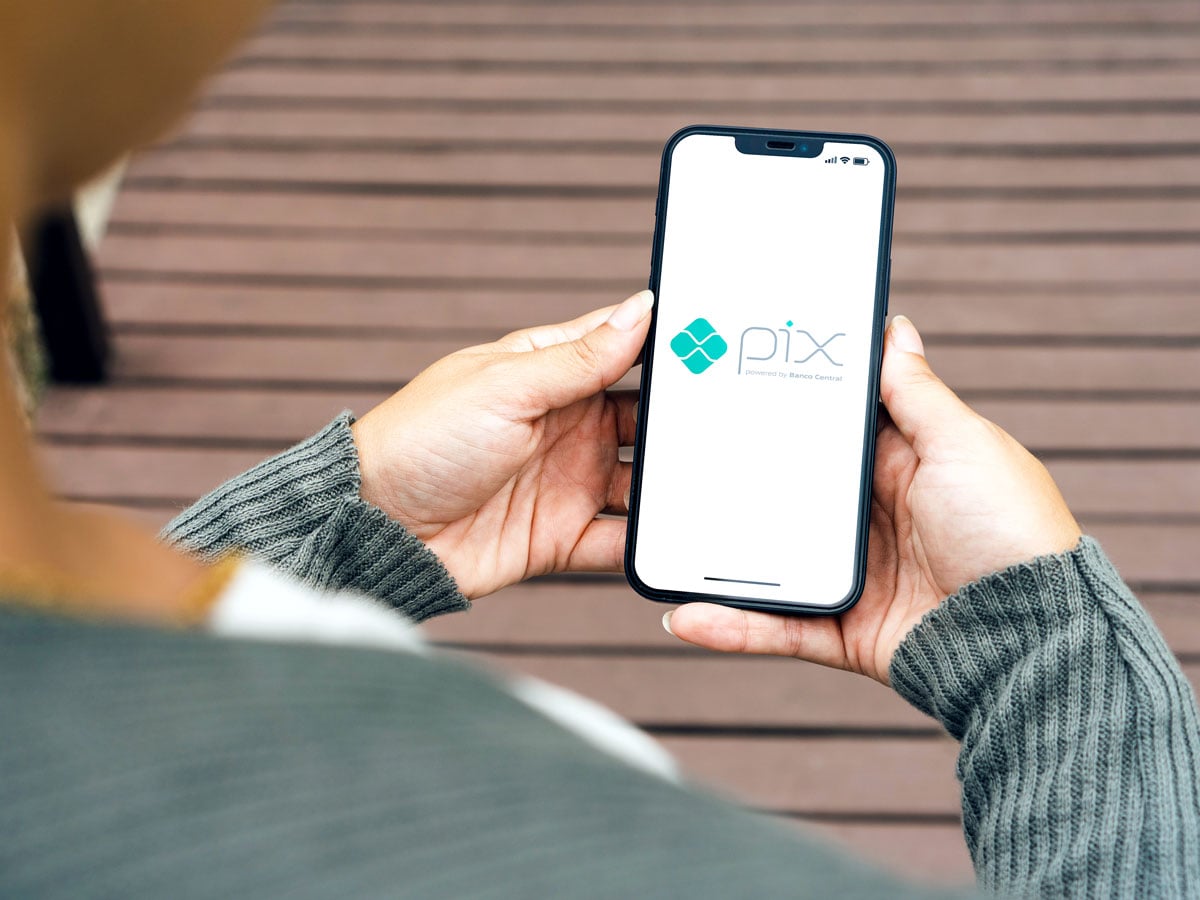
The most popular payment method in Brazil is a government-backed digital payment service called Pix. A recent study found that 76.4% of the 211 million people who live in Brazil use Pix. Debit cards rank second at 69.1%, while cash ranks third at 68.9%. As of 2024, visitors to Brazil are welcome to use Pix by downloading Pix Roaming, which allows them to pair Pix with their digital wallets.
Pix is popular for a number of reasons, the first of which is that it reduces transaction costs compared to traditional card networks. Another reason locals steer clear of credit is due to Brazil’s high interest rates — Brazilians are subject to the highest credit card interest rates in Latin America. On December 20, 2024, Pix recorded a record-high 252.1 million daily transactions, showing just how popular the payment service is among Brazilians.
More from our network
Daily Passport is part of Inbox Studio, an email-first media company. *Indicates a third-party property.