




5 Countries That Offer ‘Golden Visa’ Programs for Retirement
5 Countries That Offer ‘Golden Visa’ Programs for Retirement


If you’re looking to relocate to another country, a golden visa could be your ticket to residency. Such programs reward foreign nationals for their economic contributions, so to qualify, you’ll likely need to part with a hefty sum of money in the form of a business investment, property purchase, or similarly substantial financial commitment.
Some countries are also happy to welcome retirees who can prove they have a substantial passive income stream. And if they don’t qualify for a golden visa specifically, retirees may still be eligible for other kinds of visas if they meet certain criteria. Let’s look at some of the countries that offer such programs for retirement and explore what it takes to meet their requirements.
Portugal

Retirees looking for a safe and relatively affordable European base often turn to Portugal. In 2012, the government kicked off its vistos dourados, or golden visa program, and by the following year, it had generated about 222 million euros ($295 million) in investments from foreign nationals who made Portugal their new home.
To qualify today, applicants start by investing in Portugal’s Autorização de Residência Para Investimento (ARI) program. There’s a minimum contribution of 200,000 euros ($225,000) that goes toward preserving culture and heritage in low- density areas.
There’s also the D7 visa: a cheaper option for candidates with proof of long-term rental accommodations and a passive income of at least 920 euros ($1,030) per month. (Compare that to the 3,500-euro-per-month — or 84,000 euros in savings — required for Greece’s Financially Independent Person visa.) Portugal’s D7 visa counts income from sources such as pensions, U.S. Social Security, 401(k) accounts, rental income, and dividends. Citizenship is possible after you’ve been a resident for 10 years.
Panama
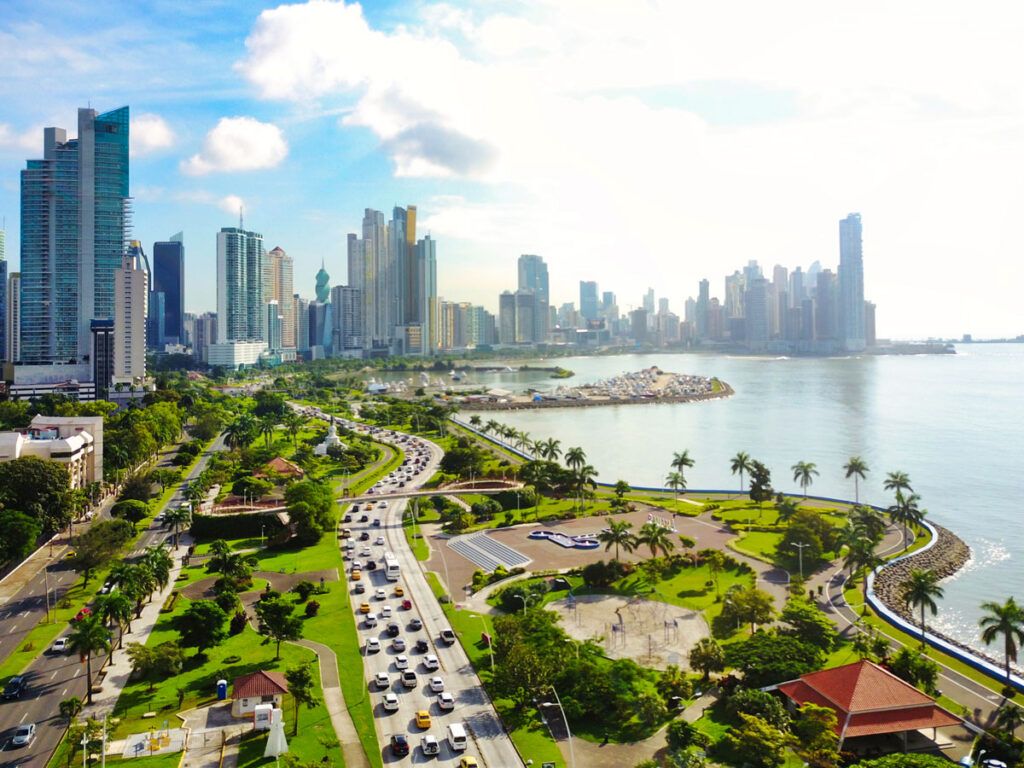
Retirees hoping to move to Panama can choose between two options: the Pensionado visa and the Friendly Nations visa. Which route is best for you depends on your personal circumstances.
The Pensionado visa suits those with a reliable passive income such as a monthly pension. Single migrants must prove they’re receiving at least $1,000 USD per month, with that number increasing by $250 per dependent. Those who qualify receive discounts on a range of common expenses, such as utility bills, health care, and travel.
For U.S. citizens without passive income, there’s the Friendly Nations visa. This option is open to those who plan to invest at least $200,000 in a Panamanian property — or who are willing to deposit the same amount for a fixed term of three years in a Panamanian bank.
Costa Rica

Costa Rica has long been a popular retirement destination for U.S. citizens. The country’s commitment to nature is evident; around 25% of its land area is protected in national parks and preserves. With affordable health care (though not as cheap as it once was) and competitive living costs, it remains an attractive location for seniors looking to relocate abroad.
Like its Central American neighbor Panama, Costa Rica offers a Pensionado visa to those who bank at least $1,000 USD per month from their pensions. Foreign residents maintain their status by paying into the CAJA, the country’s public health care and social security system, and must renew their visa after two years. Citizenship is possible after seven years.
Golden visa hopefuls will also be interested in two other routes to residency: the Rentista visa, which requires a fixed income of $2,500 per month or a $60,000 one-off deposit, and the Inversionista program, which you can qualify for with a $150,000 real estate purchase or investment in a Costa Rican corporation.
Uruguay
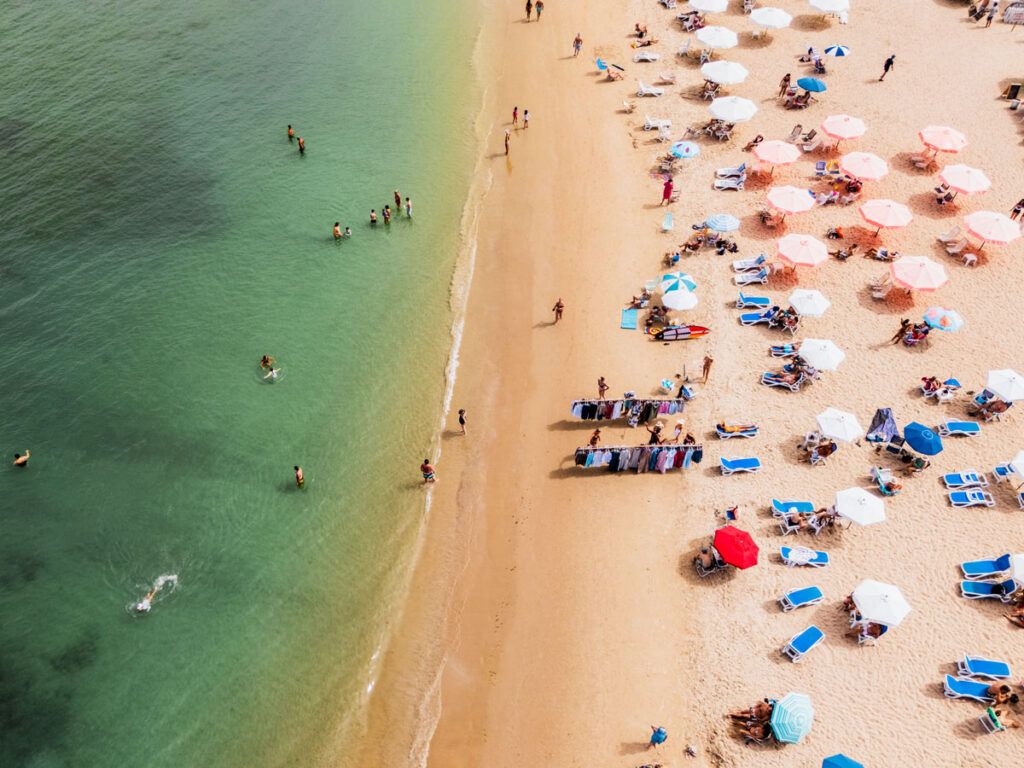
Bordered by Brazil to the north and Argentina to the west, Uruguay has low crime rates and temperate weather, making it one of the most retiree-friendly countries in South America. The country’s Pensionado program is the most straightforward route to residency for those who are no longer working.
If you’re single, you’ll need to be able to demonstrate a guaranteed income of at least $1,500 per month from a lifetime pension or annuity, or $2,500 per month if you’re applying as a married couple. In addition, you’ll be required to buy a home or invest in government bonds to the tune of $100,000, with a commitment to hold on to them for at least 10 years.
After that, you’ll qualify for permanent residency and citizenship. Uruguay offers a diverse range of spots to settle down — whether you prefer the beaches at Punta del Este, the quiet charm of Colonia del Sacramento, or ranch life in the interior’s rolling hills.
São Tomé and Príncipe
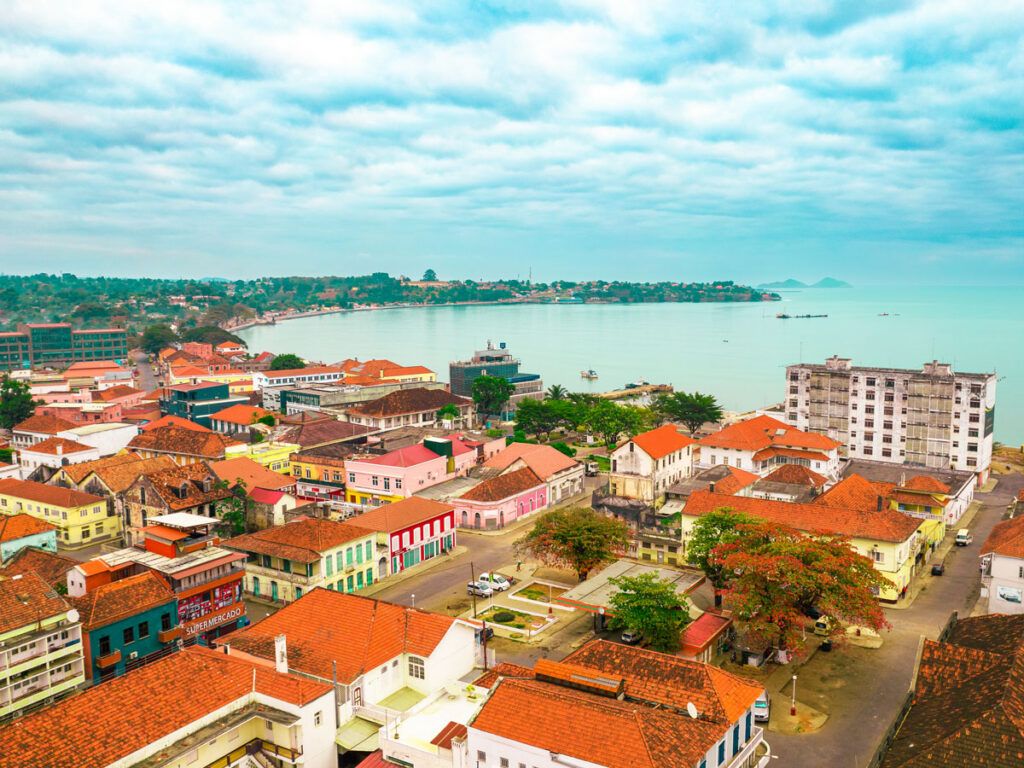
São Tomé and Príncipe lacks the name recognition of other retirement destinations on this list. Yet, this Portuguese-speaking island nation in Africa’s Gulf of Guinea should appeal to anyone seeking a laid-back lifestyle — the country’s unofficial motto is léve léve (slowly, slowly). Unspoilt beaches, forested mountains, and UNESCO-recognized roças (cacao and coffee plantations) make this an enticing prospect for anyone with a sense of adventure.
Its Citizenship by Investment program requires foreign nationals to make a $90,000 donation to the National Transformation Fund. Beyond that, there’s no requirement to buy property or even live there full time. But you’ll need an officially licensed marketing agent — and also an abundance of patience, as the process can take a while.
If you’re tempted to relocate to any of the countries on this list, be sure to consult a financial adviser. They’ll be able to assess your position, plus give you information about taxation and other fiscal matters before you take the plunge.
Featured image credit: © J. Amill Santiago/Unsplash.com
More from our network
Daily Passport is part of Inbox Studio, an email-first media company. *Indicates a third-party property.