






7 States With the Strictest Driving Laws in America
7 States With the Strictest Driving Laws in America


Watch out, road-trippers: If you’re crossing state lines in a vehicle, you’re subject to the driving laws of each state you’re passing through, and those can vary considerably in severity. Whether it’s speeding in New York, texting while driving in Oregon, or being a novice driver in New Jersey, the toughest states demand safe driving — or you risk penalties ranging from a hefty fine to a license suspension. Here are seven states with some of the strictest driving laws in America.
Oregon
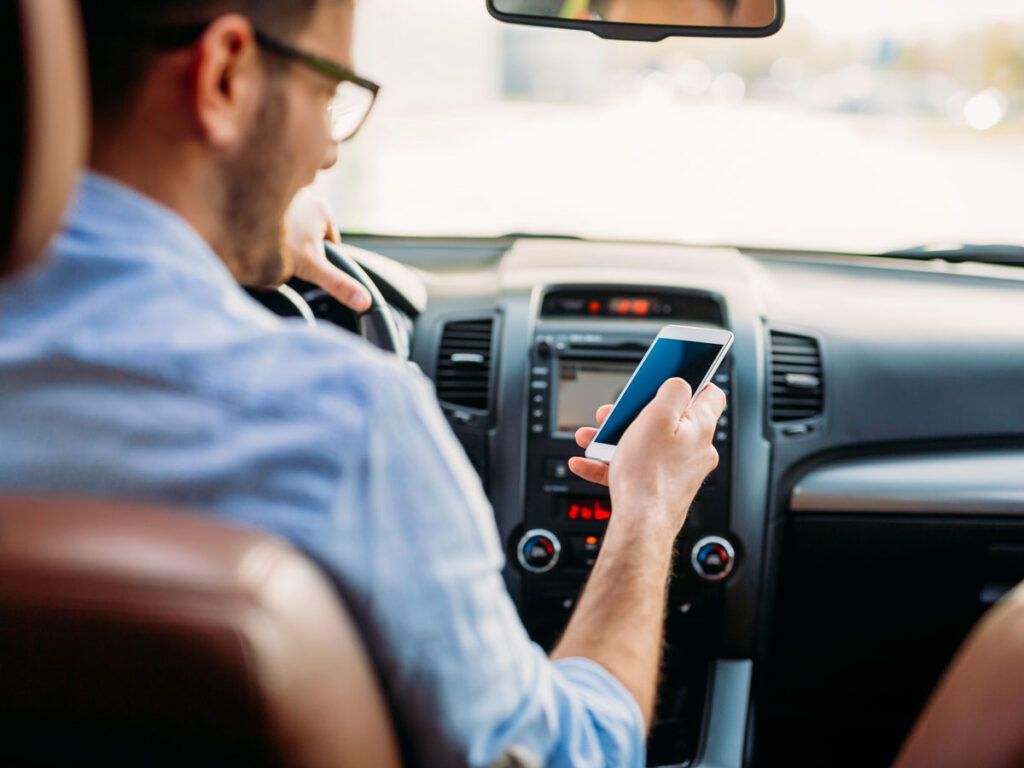
Oregon has some of the strictest rules in the nation when it comes to distracted driving, with laws primarily aimed at preventing cellphone usage in the driver’s seat. State law prohibits drivers from holding or using a cellphone while driving, even when stopped at a traffic light. The penalties are tough and get worse with each offense: The first offense carries a fine of up to $1,000, while the second offense doubles that fine. If you’re caught a third time, you can be charged with a misdemeanor and potentially end up with six months’ jail time.
The good news? After the state strengthened its driving laws in 2017, one study showed that injury-related crashes in Oregon fell over a span of six years, which means these laws help keep people safe on the roads.
New York
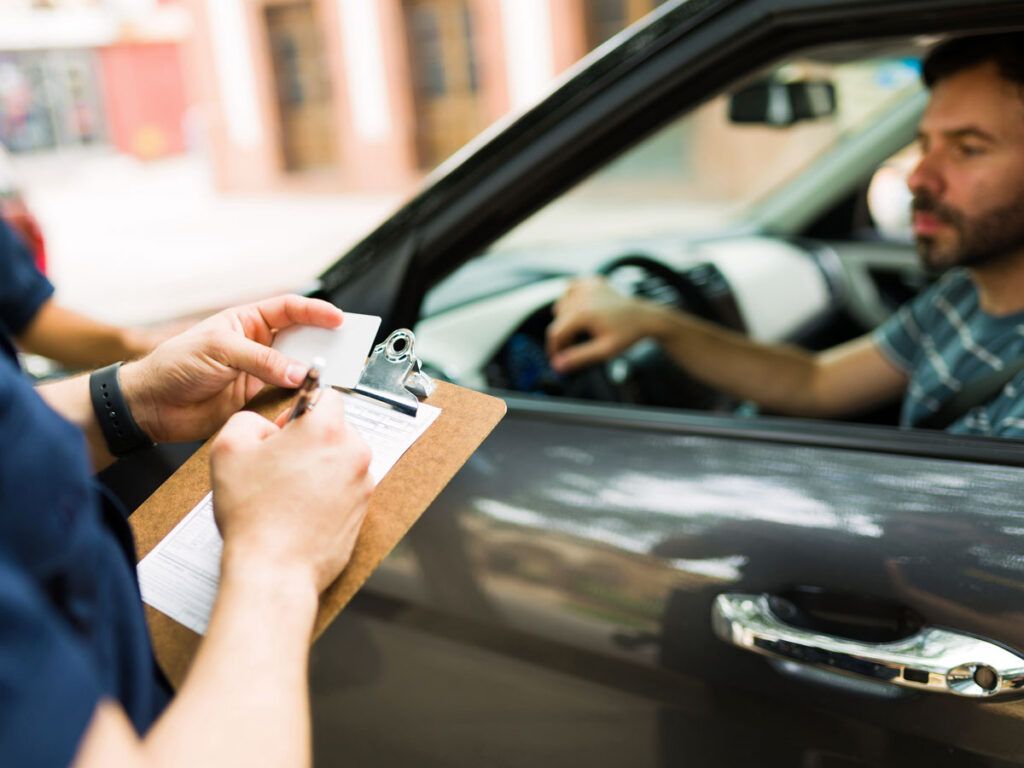
The penalties for speeding in New York state quickly escalate depending on the driver’s speed. The state’s point system — which became stricter in early 2026 — assigns different points based on the severity of the infraction. Drivers receive three points for driving 1 to 10 mph over the limit, and points steadily increase every 10 mph over the limit, reaching a maximum of 11 points for driving over 40 mph faster than the speed limit. Drivers also receive five points for using a cellphone and eight points for speeding in a work zone or passing a stopped school bus.
If a driver earns over 11 points within 24 months, their license can be suspended or revoked. Even if you’re not a New Yorker, watch out: Out-of-state drivers who receive a traffic ticket must respond to it. Failure to do so can result in suspension of your license in New York, barring you from driving within state lines.
Utah
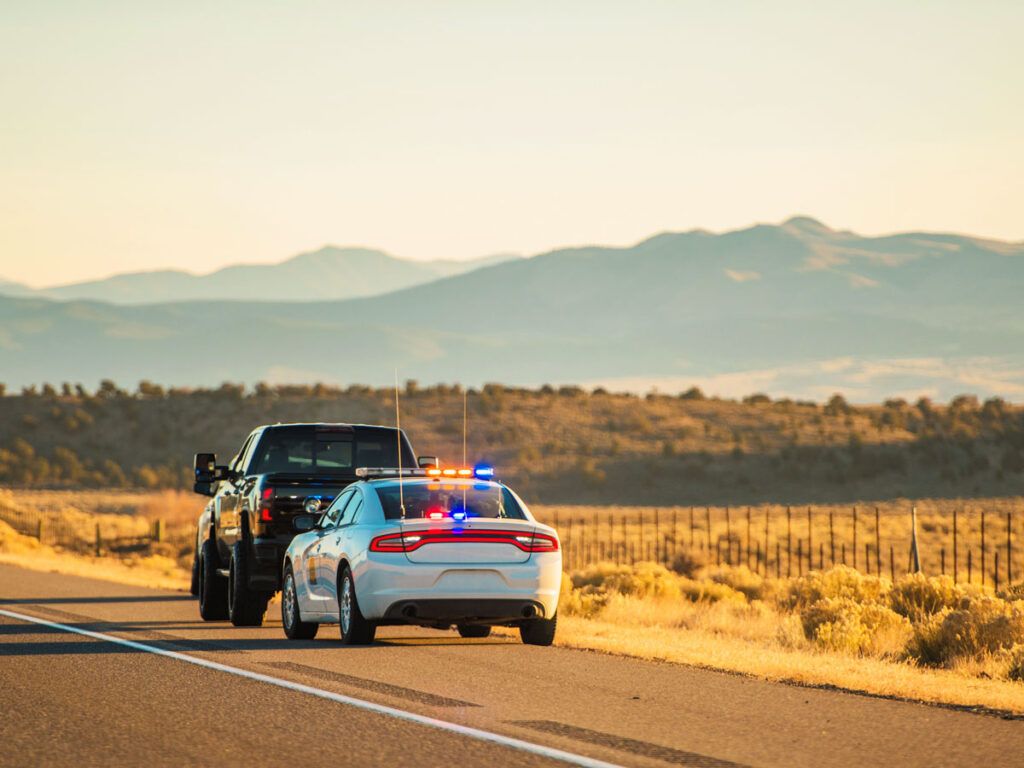
Utah has some of the strictest driving laws in the nation, especially when it comes to impaired driving. The state’s 0.05% legal blood alcohol concentration (BAC) limit is lower than the limit in most other states, which have a 0.08% limit. On top of that, drivers can potentially be charged with a DUI even if their BAC is lower than the state limit, especially if they come off as visibly impaired (for example, by swerving or failing field sobriety tests).
There’s also zero tolerance for underage drivers, and you can even get charged with a DUI if you’re in the driver’s seat with keys and the engine off. All of this toughness seems to have paid off: Utah has a relatively low rate of traffic fatalities compared with the national average.
Arizona
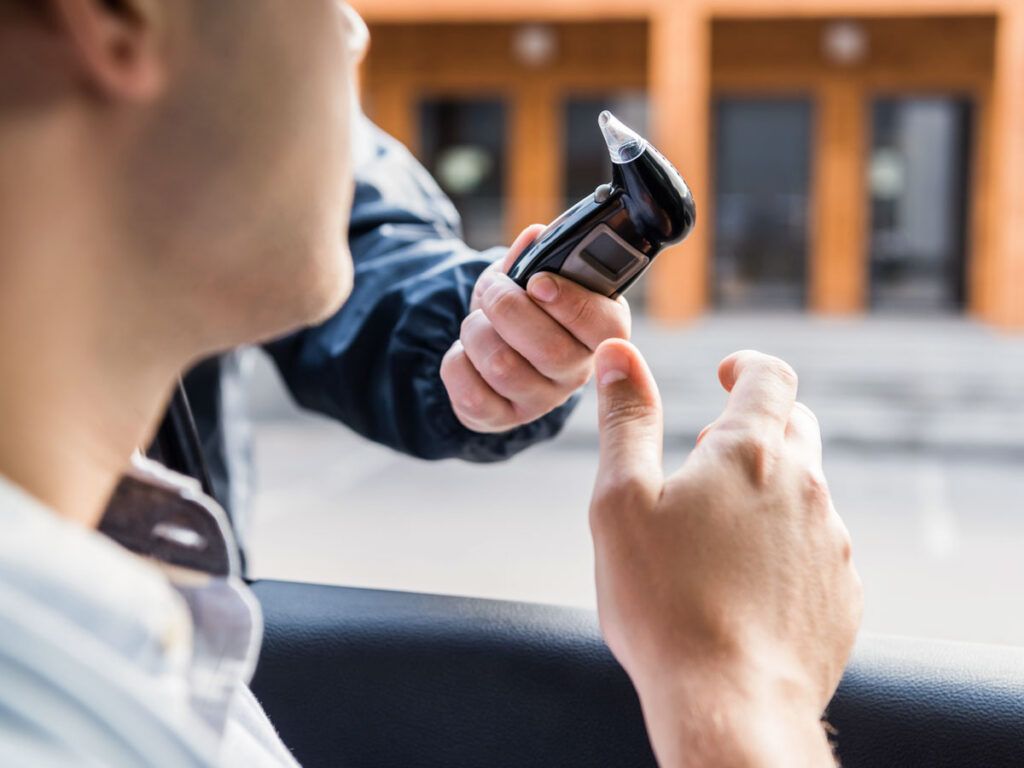
Arizona is another state that takes driving under the influence very seriously. While the state’s legal BAC is 0.08%, Arizona laws dictate that the higher your blood alcohol level, the worse the punishment. Drivers caught behind the wheel with a BAC of 0.15% or higher will face more severe penalties, including mandatory jail time, fines, and the installation of a breathalyzer on your vehicle. And if you’re pulled over and refuse a blood, breath, or urine test, you may receive a license suspension for 12 to 24 months.
The state’s traffic laws are also strict when it comes to speeding — driving more than 20 mph over the posted limit in residential areas or more than 45 mph anywhere in the state constitutes criminal excessive speed, a Class 3 misdemeanor.
California
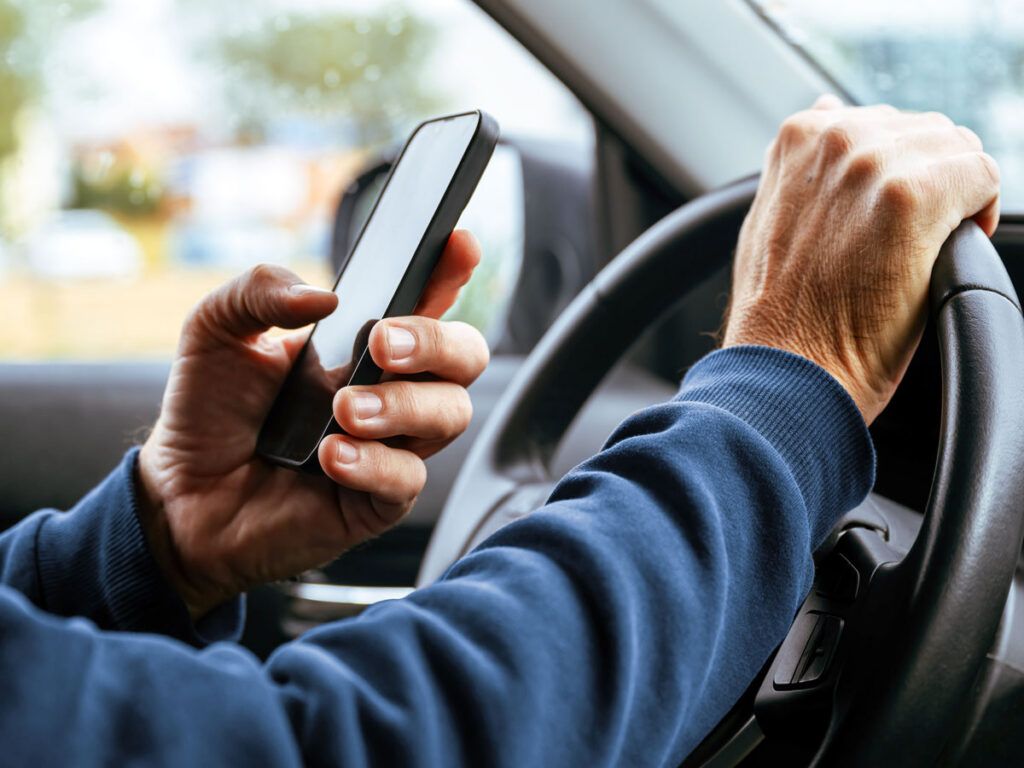
Like other states on this list, California has enacted strict laws to combat dangerous behavior on the roads. To prevent distracted driving, California state law prohibits holding or using a cellphone; drivers are limited to hands-free use. If you’re under 18, the laws are tougher — teens are forbidden from using a cellphone for any reason while driving, even with a hands-free system.
To minimize speeding, California’s Basic Speed Law requires drivers to travel at a reasonable speed based on the road, weather, and traffic conditions, which means you can get a ticket if you’re under the speed limit, too. Even with these strict laws, California reported 3,400 crashes due to distracted driving between 2020 and 2025, and law enforcement officials have urged drivers to remember that no notification on your phone is worth your safety behind the wheel.
Washington
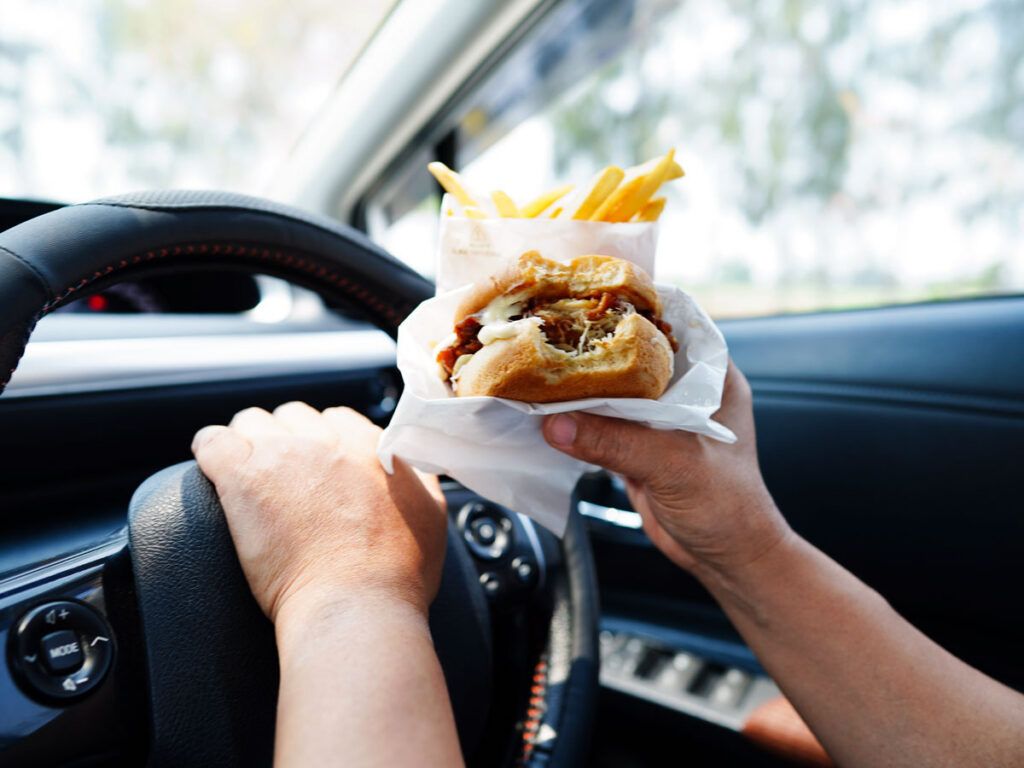
Washington state’s approach to safe roads is likewise aimed at keeping distracted driving to a minimum. State laws dictate that drivers cannot hold or use a cellphone when behind the wheel, even when sitting in traffic or stopped at a traffic light. However, hands-free use is allowed, and drivers may use a single touch to activate functions, such as navigation.
Washington’s laws also prohibit “dangerously distracted driving,” which includes eating, grooming, or smoking while behind the wheel. Additionally, the state is tough in construction and emergency zones, where speeding penalties are doubled without any chance of being waived, reduced, or suspended.
New Jersey
New Jersey has some of the nation’s strictest driving laws when it comes to novice drivers, a strategy that aims to ensure young drivers are responsible behind the wheel. Drivers under 21 must complete at least 50 hours of supervised practice, including 10 hours of driving at night, before receiving a probationary license.
Once they receive their license, they must abide by a curfew (forbidding driving between the hours of 11 p.m. and 5 a.m.), passenger restrictions (there can be only one additional passenger, unless accompanied by a parent or guardian), and a complete ban on cellphone use (including hands-free devices). During the one-year probationary period, novice drivers receive tougher consequences for moving violations, with the possibility of suspension if they receive more than one ticket.
Featured image credit: © Getty Images/Unsplash.com
More from our network
Daily Passport is part of Inbox Studio, an email-first media company. *Indicates a third-party property.