


5 Forbidden Islands You Can’t Visit (And Why They’re Off-Limits)
Travelers are often fascinated — and tempted — by the allure of the hidden and the forbidden. Islands provide a natural barrier to casual explorers, and governments and private owners have restricted a number of them, for a number of reasons. Some islands are simply too dangerous to allow unauthorized visitors, while others are home to military installations, delicate ecosystems, isolated tribes, or (maybe) hoards of as-yet-undiscovered hidden treasures. Here are five islands that are strictly (or mostly) off-limits to tourists.
Bikini Atoll – Marshall Islands
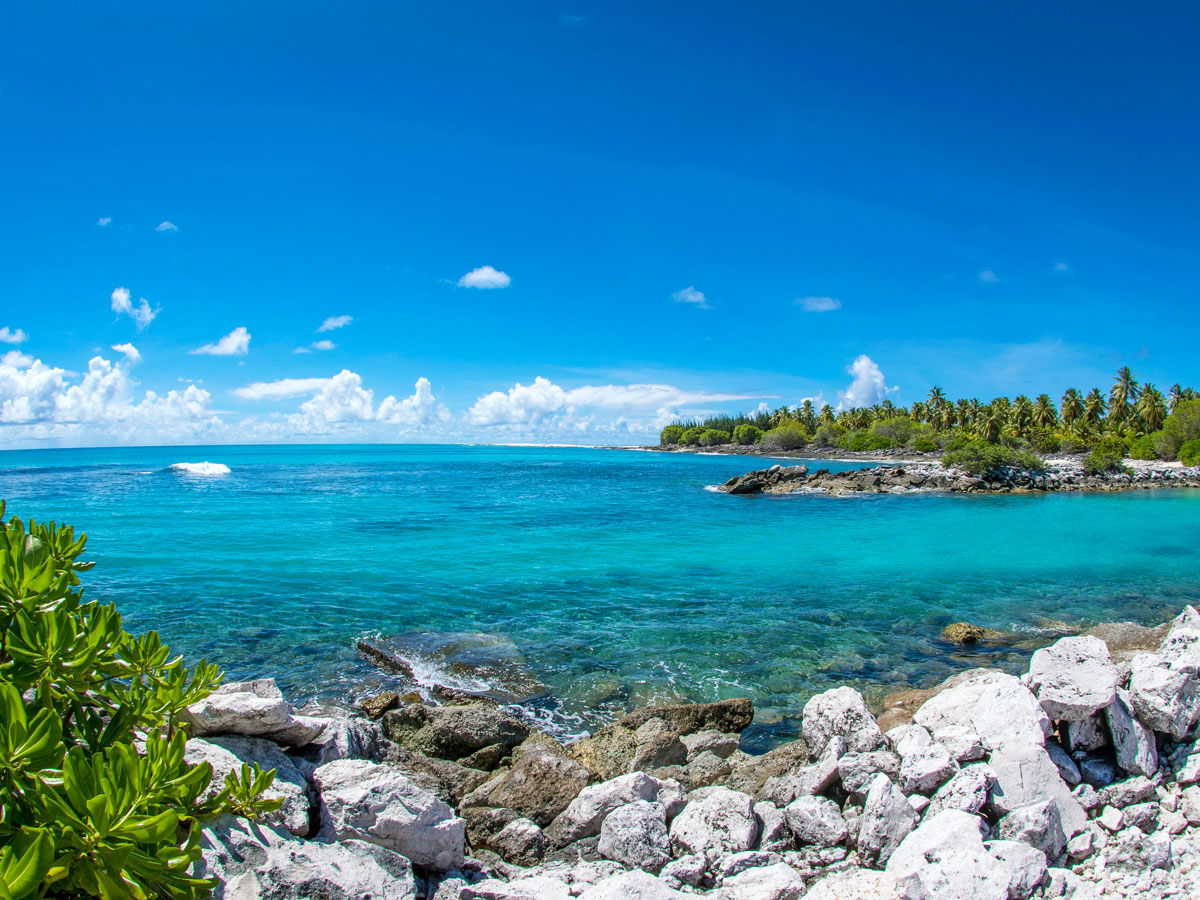
On July 1, 1946, the U.S. government began testing nuclear weapons in the central Pacific, dropping a 20-kiloton atomic bomb on this tiny coral atoll in the Marshall Islands, located roughly halfway between Hawaii and Australia. At the end of World War II, the islands became part of the United Nations Trust Territories; by 1958, the U.S. had conducted 23 nuclear tests there, and the atoll had lent its name to the new two-piece swimsuit. It gained independence in 1979.
Unfortunately, deadly radiation remained, forcing the island’s 167 residents — and others from nearby atolls — to abandon their homes. Eighty years after the first blast, palm trees fringe Bikini’s powder-sand beaches, and fish flourish in the azure waters. But the groundwater and vegetation remain contaminated, making the island itself effectively uninhabitable. However, recreational scuba divers who obtain the required certifications and special permits can explore the historic shipwrecks and surprisingly resilient reefs offshore.
Little Ross Island – Scotland
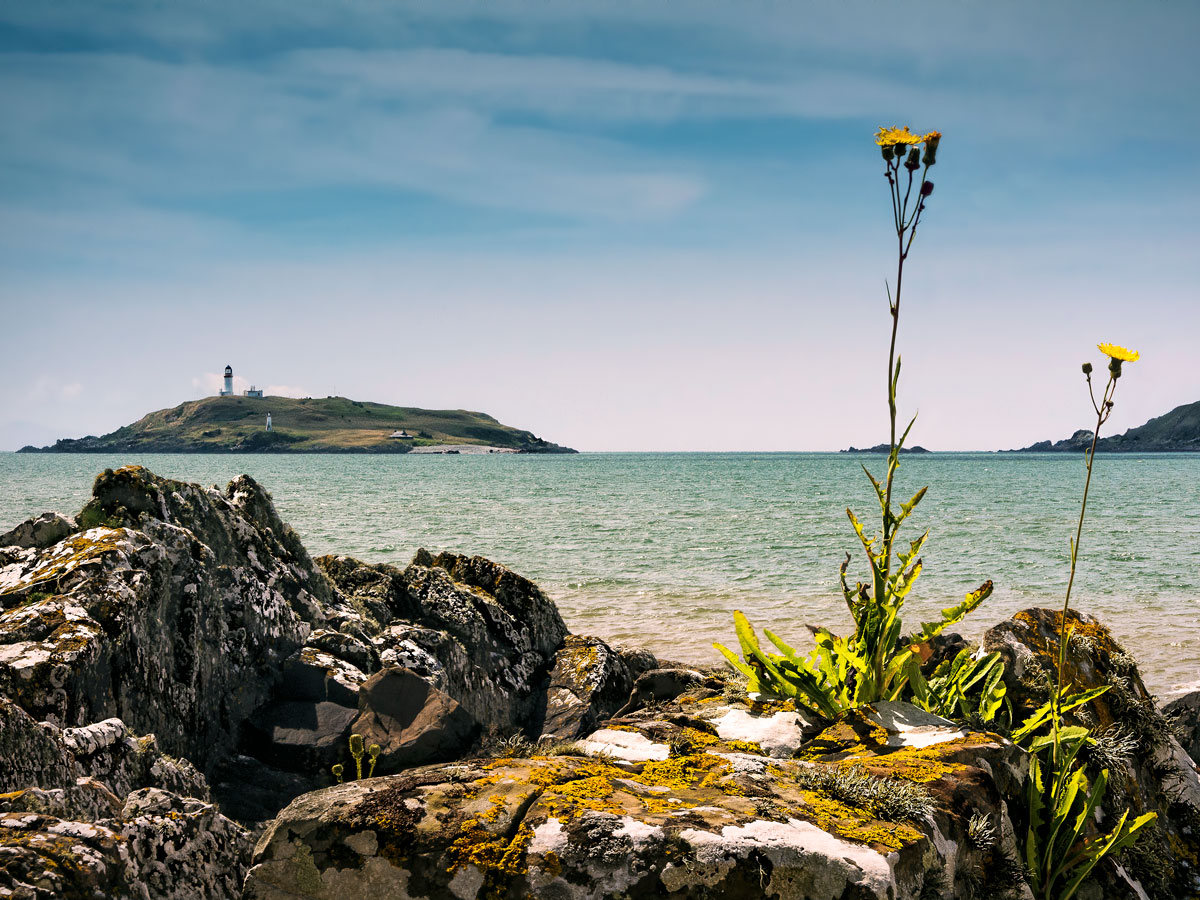
In the 19th century, the hazardous coastline off Little Ross Island, at the mouth of southwest Scotland’s Kirkcudbright Bay, resulted in a number of deadly shipwrecks, necessitating the building of a lighthouse on the island in 1843. But it was another more recent death that brought the island its current notoriety.
On August 18, 1960, a father and son planning to picnic on the island made a grisly discovery — the body of lighthouse keeper Hugh Clark, who had been murdered by his assistant Robert Dickson. Dickson was apprehended and took his own life while sentenced to life in prison. Shortly after the murder, the lighthouse was automated. Today, Little Ross is privately owned and off-limits to visitors.
Ilha de Queimada Grande – Brazil
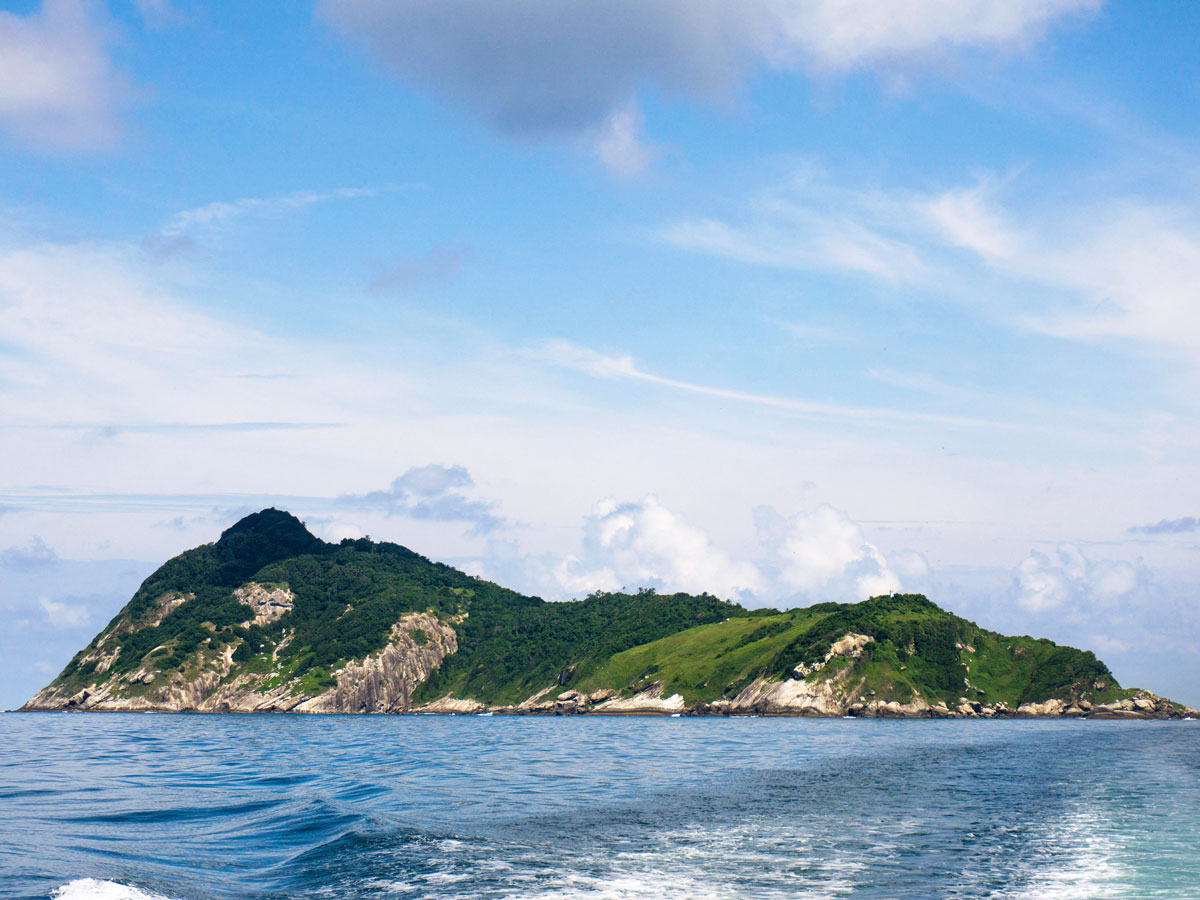
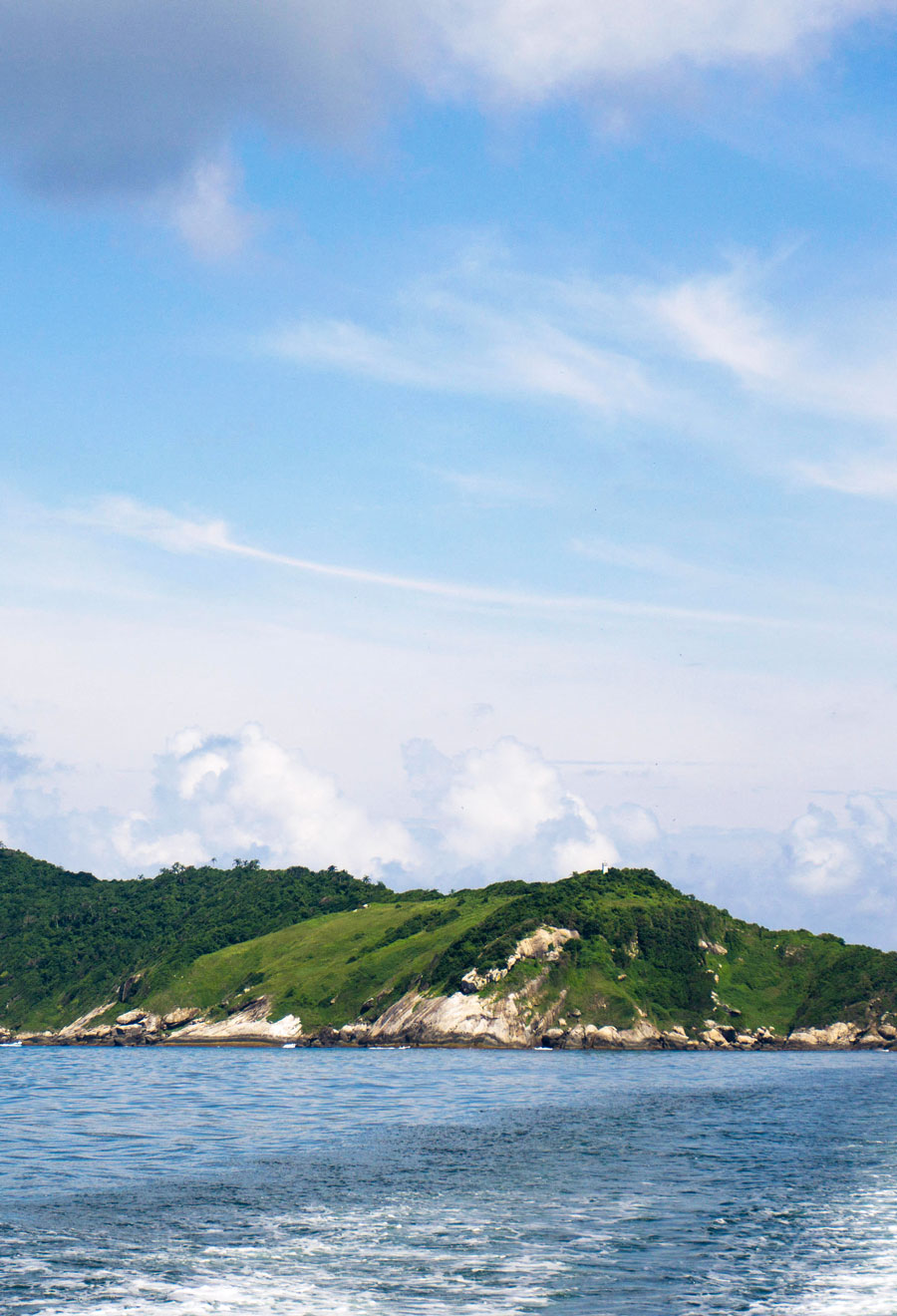
If you suffer from ophiophobia (fear of snakes), this hiss-filled island around 20 miles off the southeastern coast of Brazil will definitely give you nightmares. Commonly known as “Snake Island,” Queimada Grande is the only home on the planet of one of the world’s deadliest reptiles — and there are thousands of them.
Rising seas isolated the island from the mainland about 11,000 years ago, trapping a species of pit viper known as the golden lancehead (Bothrops jararaca). Deprived of its previous diet of mainland mammals, the vipers’ descendants evolved a faster-acting, more lethal venom in order to bring down migratory birds. Today, it’s estimated that there may be one golden lancehead pit viper every square meter. Snake Island is off-limits except to scientific researchers and members of the Brazilian navy, who maintain the island’s lighthouse.
Diego Garcia – British Indian Ocean Territory
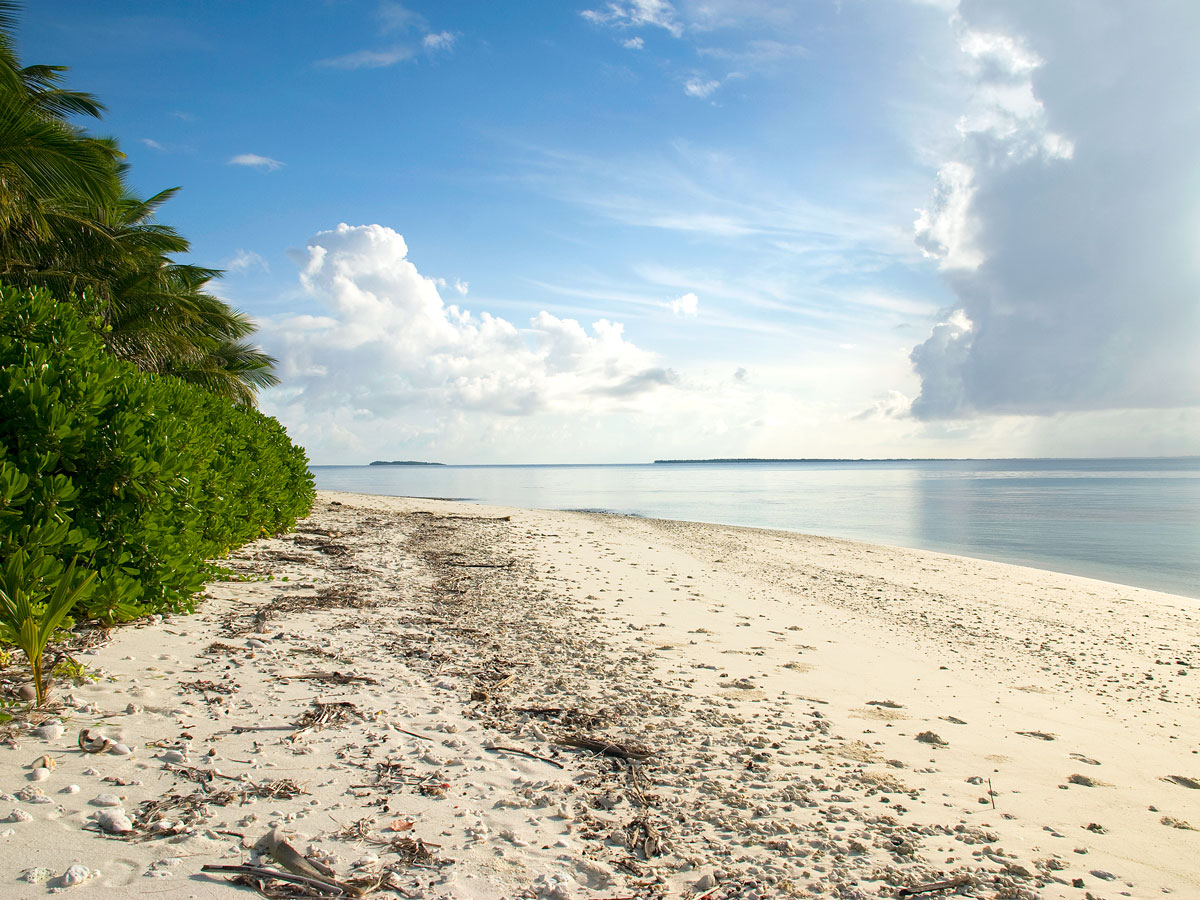
Located about 1,200 miles from both Mauritius and the Seychelles, the Chagos archipelago comprises more than 50 idyllic atolls in the Indian Ocean. In 1784, the French began forcibly relocating enslaved peoples from Mozambique, Malagasy, and Mauritania to work on the islands’ coconut plantations. A few decades later, in 1814, the islands were ceded to Great Britain.
Then, between 1965 and 1973, the British government exiled the entire population — around 2,000 Chagossians — to make way for Naval Support Facility Diego Garcia, which is used by both the British and American navies. Today, the militaries strictly control access to Diego Garcia, but recently, in February 2026, several exiled residents demanding the right to settle in their homeland attempted a return.
North Sentinel Island – India
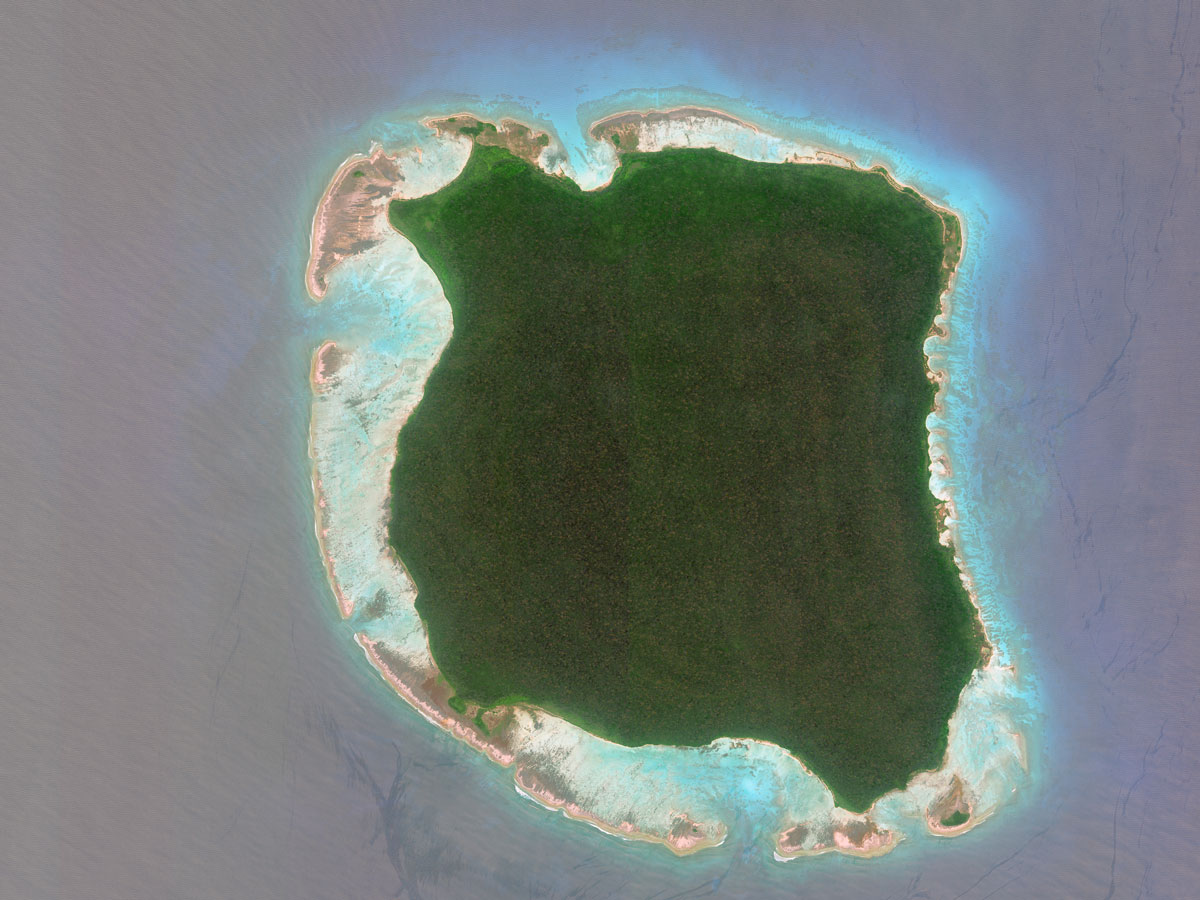
The Indigenous Sentinelese peoples living on North Sentinel Island in Southeast Asia’s Andaman Sea would like to be left alone. The island’s inhabitants — estimated to number between 50 and 200 people — are serious about their solitude, and interlopers attempting to intrude on one of the world’s last uncontacted tribes have found themselves paying with their lives.
In 2018, American adventure blogger and evangelical missionary John Chau defied bans by the Indian government and accessed North Sentinel, where he was promptly killed. (It’s worth noting that the isolated islanders have no immunity to outside diseases, and exposure to Chau might well have wiped out the entire population.) The Indian government strictly forbids access to the island, but in 2025, another American social media influencer, Mykhailo Viktorovych Polyakov, defied the ban and landed on the island for about five minutes. He was arrested upon his return and faces a five-year prison sentence.
More from our network
Daily Passport is part of Inbox Studio, an email-first media company. *Indicates a third-party property.