






How Early Should I Arrive at the Airport?
Catching a flight always comes with that one important question: How early should you actually get to the airport? No one wants to spend hours waiting around, but running through the terminal with your shoes half on and your bag bouncing behind you isn’t fun, either. The sweet spot of when to show up at the airport depends on a few factors — where you’re headed, how busy the airport is, and how you like to travel. Figuring it out ahead of time can save you stress, maybe a little sweat, and unnecessary time spent waiting around. Below, explore a few different airport scenarios, from catching a domestic or international flight to whether you have TSA PreCheck, are checking bags, or need any special assistance.
When To Get to the Airport for a Domestic Flight
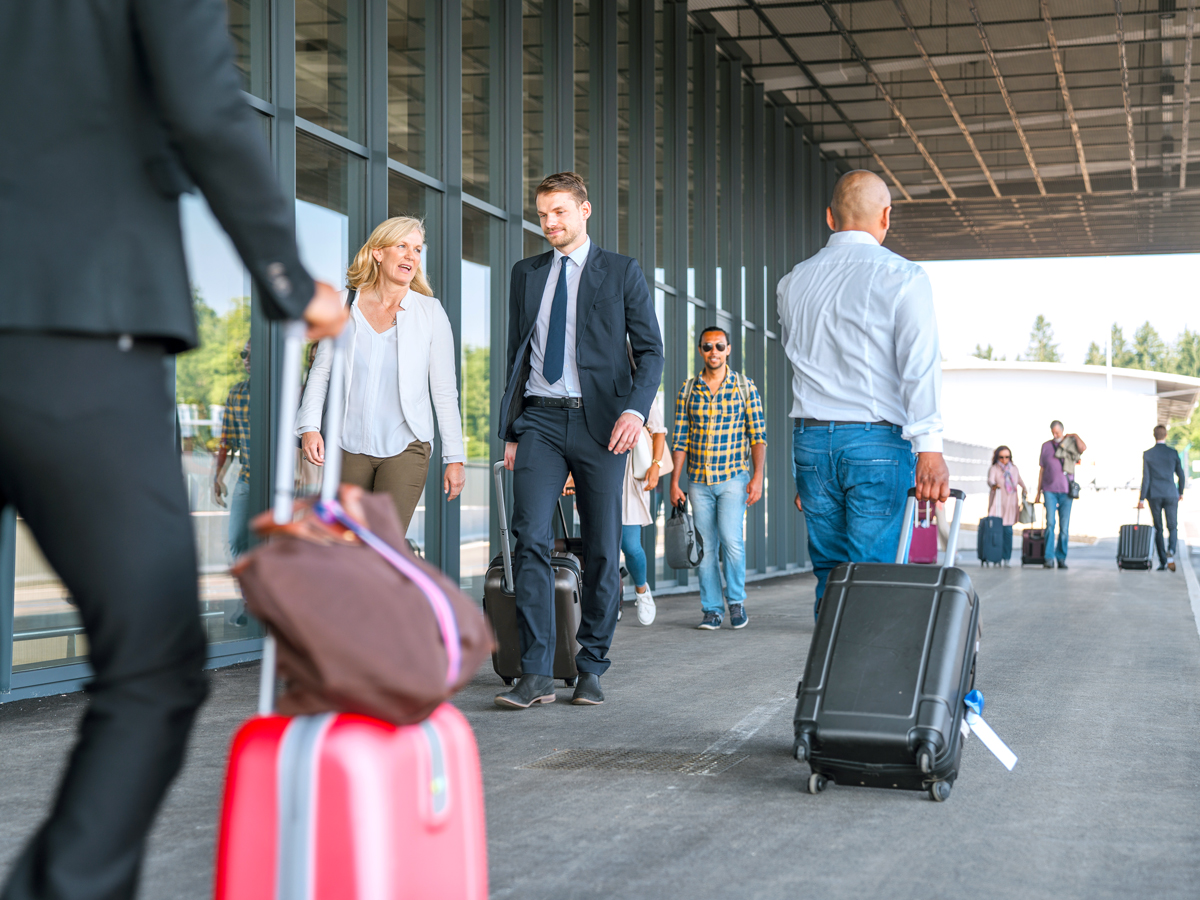
Most U.S. airlines — including American, Delta, and United — recommend showing up at least two hours before your domestic flight. This may sound like a lot of time, but it’s important to consider factors such as parking, whether you need to take a shuttle to the terminal entrance, checking in, dropping off any checked bags, and passing through security.
During busy travel periods like holidays — or exceptional circumstances like the recent government shutdown — it’s smart to give yourself even more time, as airports can get crowded and lines can quickly grow long. Also be sure to keep an eye on the weather, since rain, snow, or other conditions can slow things down and lead to backlogs of travelers with delayed or canceled flights, resulting in longer lines at check-in and security.
When To Get to the Airport for an International Flight

For international flights, airlines, the TSA, and travel experts recommend arriving at least three hours before your scheduled departure time. That’s because there are more steps in the process — document checks, additional security procedures, and sometimes customs at airports with U.S. preclearance — all of which can take longer than a domestic flight. Adding an extra hour gives you a buffer if anything pushes you behind schedule. Boarding for international flights also tends to start earlier — usually around 50 to 60 minutes before departure, whereas domestic flights start around 30 minutes before.
When To Arrive if You Have TSA PreCheck
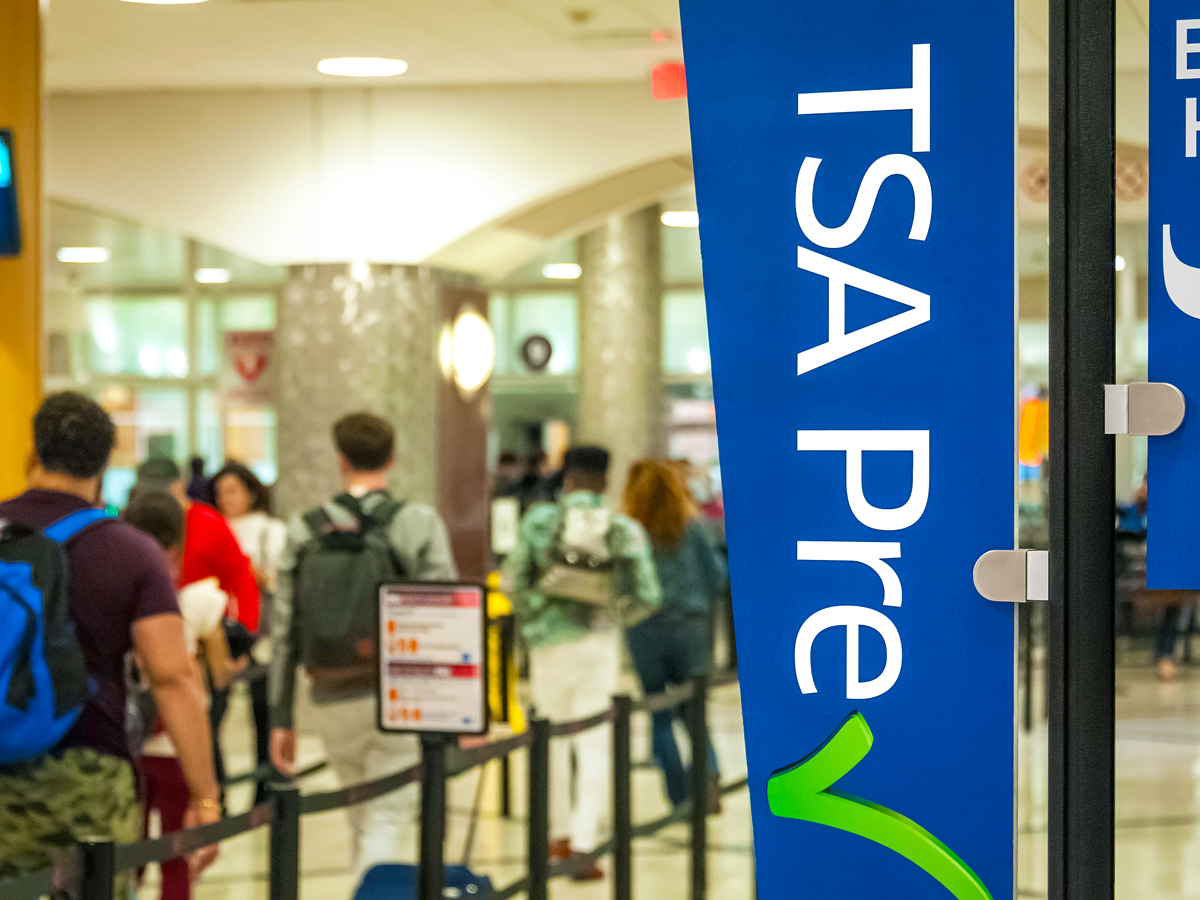
If you’re one of the 20 million-plus people who have enrolled in TSA PreCheck, you should theoretically be able to shave off time in the security line and arrive at the airport closer to departure. According to the TSA website, most wait times for TSA PreCheck lanes are under 10 minutes, while standard screening lanes usually take 30 minutes or less.
However, keep in mind that you could still encounter long waits in a PreCheck lane if the airport is busy or you’re traveling during peak periods. Because of this, you may wish to stick to the recommended two-hour arrival window for domestic flights or three hours for international trips. This also gives you a few precious extra minutes to grab a coffee, refill your water bottle, and freshen up before your flight.
When To Arrive if You Are Checking Bags
Traveling only with carry-on luggage offers two big advantages. First, you can check in online, obtain a mobile boarding pass, and skip the check-in counter entirely — no wrestling with glitchy self-check-in kiosks or waiting in a long queue of other passengers. Second, once you arrive at the airport, you can head straight to security, bypassing the whole baggage-drop process. And the best part? No waiting around at baggage claim (or worrying about lost luggage) when you land.
Still, sometimes checking a bag is unavoidable, and if you’re planning on traveling with one, it’s crucial to know the baggage cutoff times. Check the website of the airline you’re traveling with and plan accordingly. For international flights on Southwest Airlines, for instance, your bag must be checked in at least 60 minutes prior to departure, or you won’t be able to board your flight. Remember: This means the time your bag is scanned and loaded on the check-in belt, not the time you join the line, so it’s a good idea to budget plenty of extra time for waiting in the baggage drop-off line.
When To Get to the Airport if You Need Special Assistance
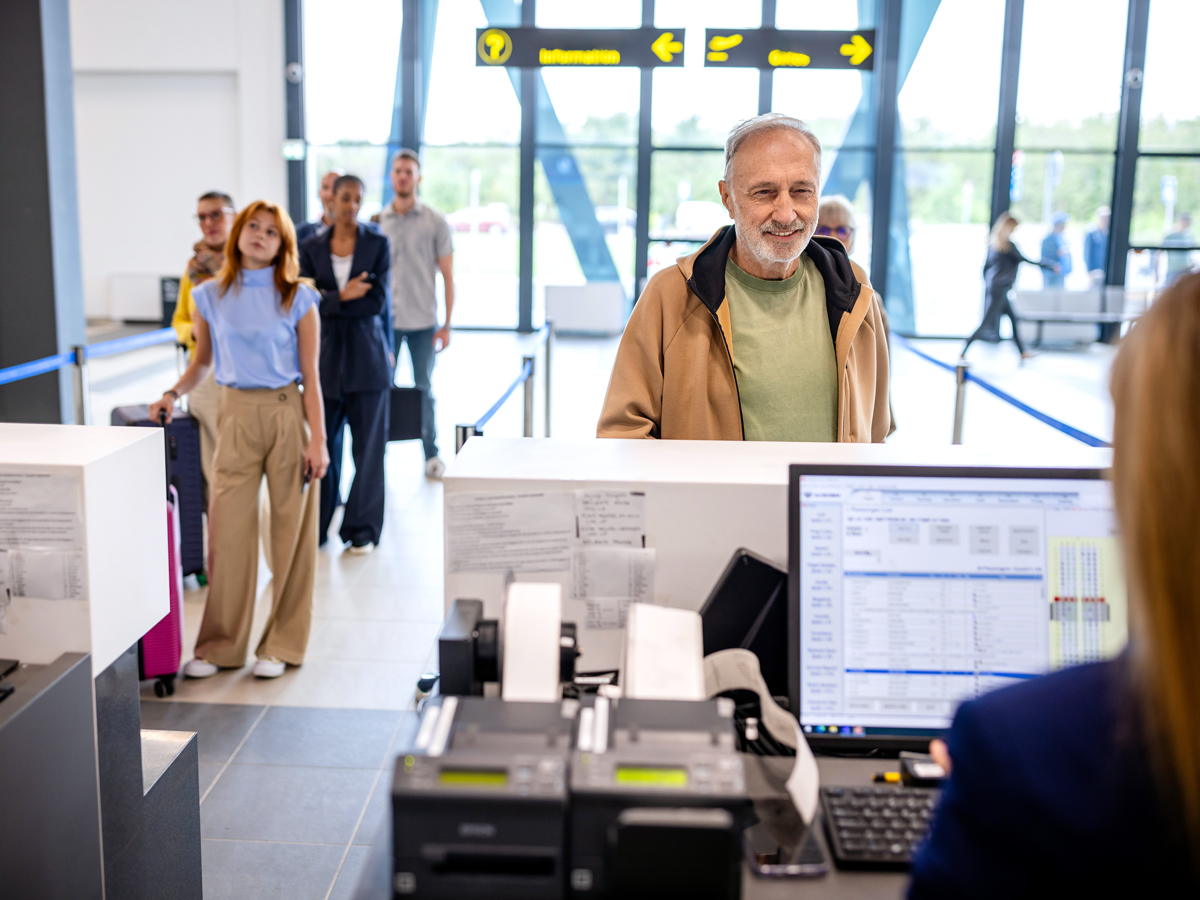
In general, if you require special assistance, it’s a good idea to arrive at the airport about an hour earlier than the recommended times noted above. Depending on your needs, you can request help from a TSA Passenger Support Specialist (PSS), who can guide you through the security process. This service is available through TSA Cares, a program designed to assist travelers with disabilities, medical conditions, or other special circumstances. To arrange support, contact TSA Cares at least 72 hours before your flight by submitting an online form or by calling (855) 787-2227.
To ensure everything goes smoothly with your travel day, it’s also a good idea to let your airline know beforehand if you need any assistance. For example, American Airlines recommends adding special assistance requests to your itinerary during the booking process or after you book by managing your itinerary online. The airline notes that you can also inform an employee at the airport when you arrive if, for example, you need a wheelchair, but it’s a good idea to give yourself an extra time buffer to allow the airline to accommodate such requests.
More from our network
Daily Passport is part of Inbox Studio, an email-first media company. *Indicates a third-party property.