





How To Prevent Clogged Ears on a Flight
How To Prevent Clogged Ears on a Flight

For some travelers, the moment a plane starts descending, ears begin to feel blocked, uncomfortable, or painful. This is a common issue, and it’s a result of how the body responds to changes in air pressure. The good news is that there are plenty of simple tips to help unclog your ears on a plane — or better yet, prevent it from happening in the first place.
Why Do Ears Get Clogged on Planes?
First, let’s take a look at the science behind why ears get clogged or blocked on flights. Inside each of your ears is a small passageway called the Eustachian tube, which connects the middle ear to the back of your throat. Its job is to equalize pressure on both sides of each eardrum.
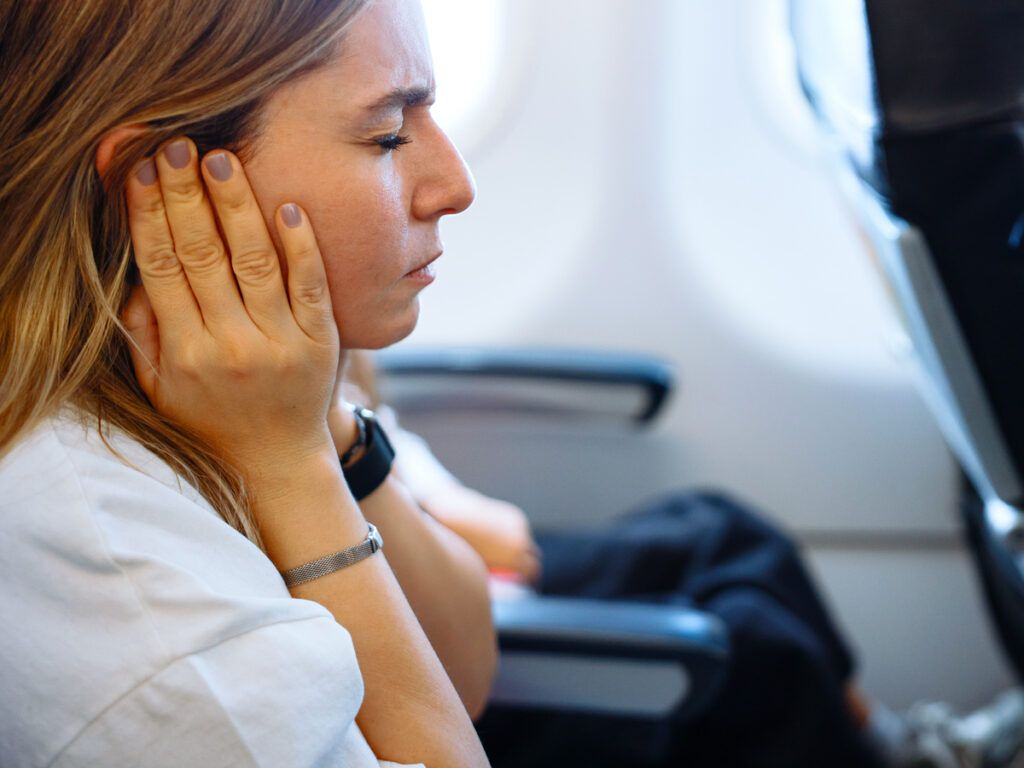
During a flight, especially during takeoff and landing, cabin pressure changes quickly. If the Eustachian tubes don’t open fast enough to balance the pressure, ears can feel clogged or blocked. The experience of a clogged ear can range from a mild sensation to a sharp pain to muffled hearing. Everyone’s ears equalize during a flight, but those who have recently had a cold, a sinus infection, an ear infection, or allergies, or who naturally have narrow Eustachian tubes, are more prone to discomfort.
Tips To Prevent Clogged Ears on a Plane
Preventing ear pain is all about helping your ears adjust to pressure changes more easily during altitude shifts. There are a few simple and natural ways to help your ears equalize, according to Dr. Ana Kim, associate professor of otolaryngology at Columbia University Irving Medical Center. On your next flight, try:
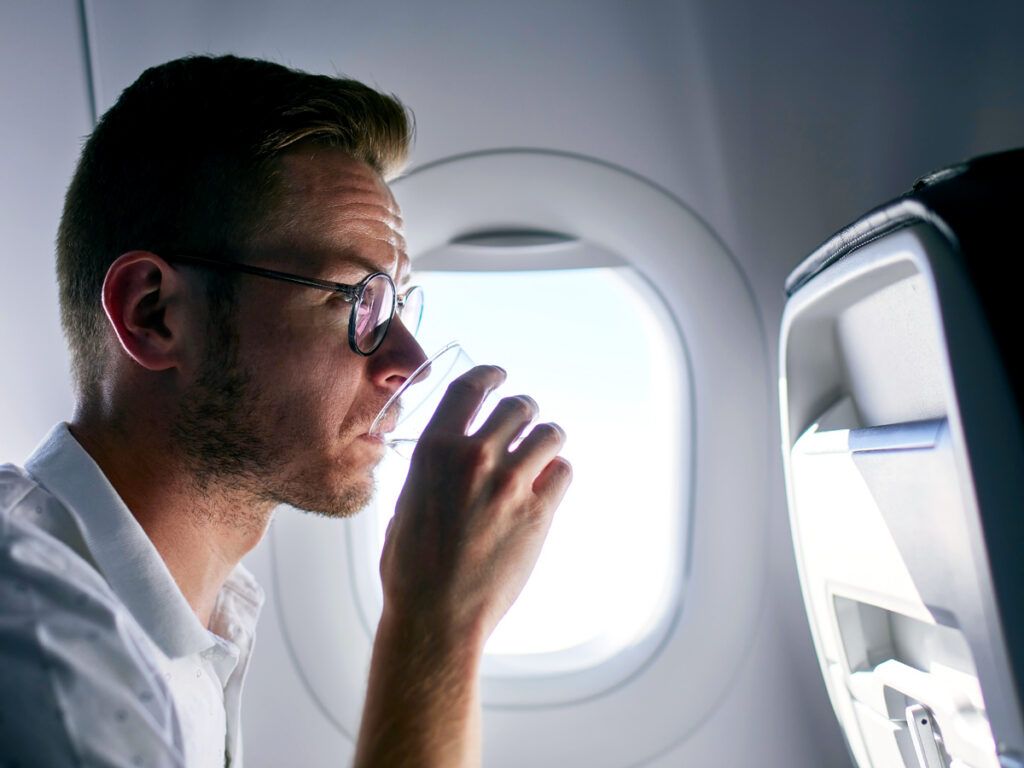
- Swallowing frequently or sipping water slowly during ascent and descent
- Chewing gum or sucking on candy
- Yawning intentionally to activate the Eustachian tube
- Gently pinching your nose, closing your mouth, and blowing lightly (the Valsalva maneuver)
If all else fails, try the hot cup method: Ask your flight attendant for a cup with a hot, damp paper towel or napkin inside and hold it over your ear. The warmth could help to relax and open up the Eustachian tubes.
Useful Products
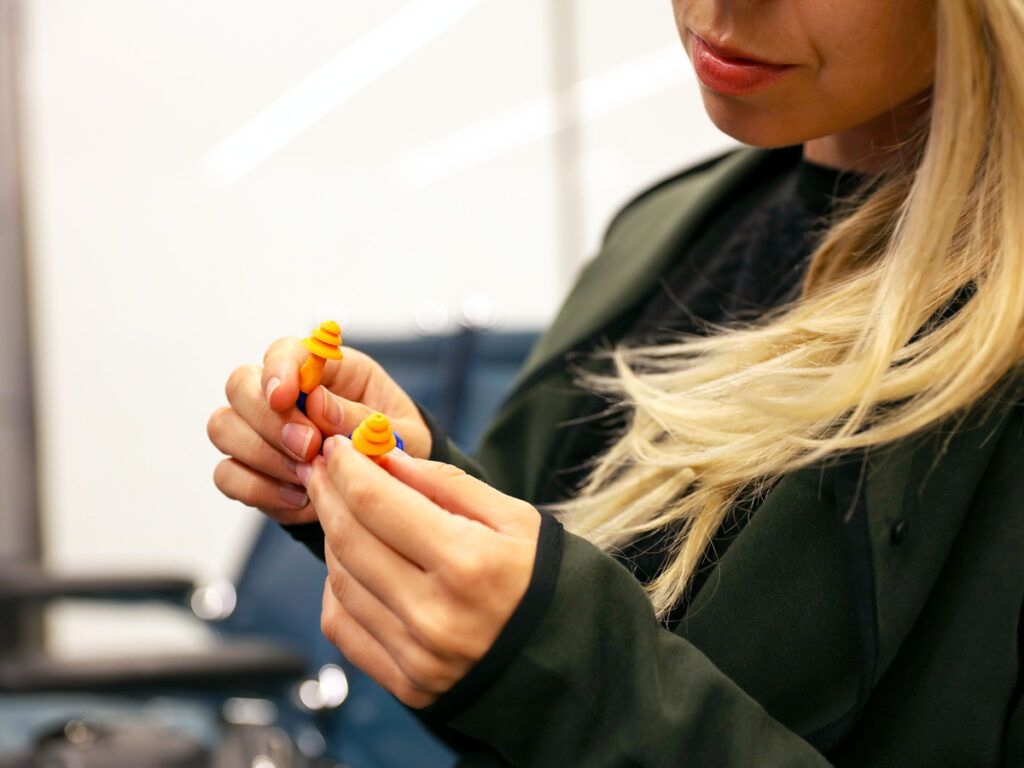
We’ve also found several helpful products you can purchase to help if you suffer from chronically clogged ears on a flight.
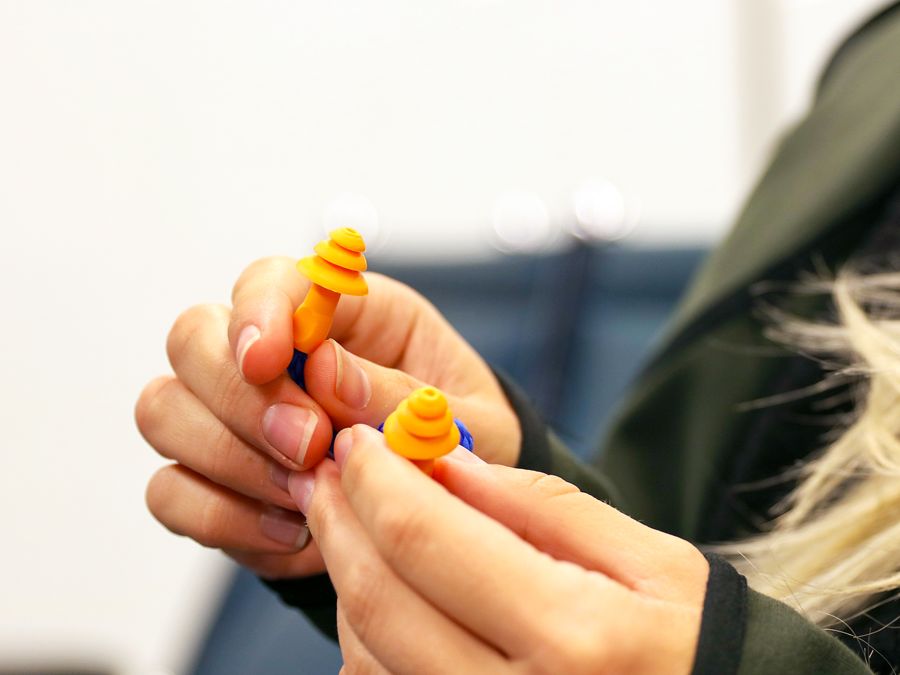
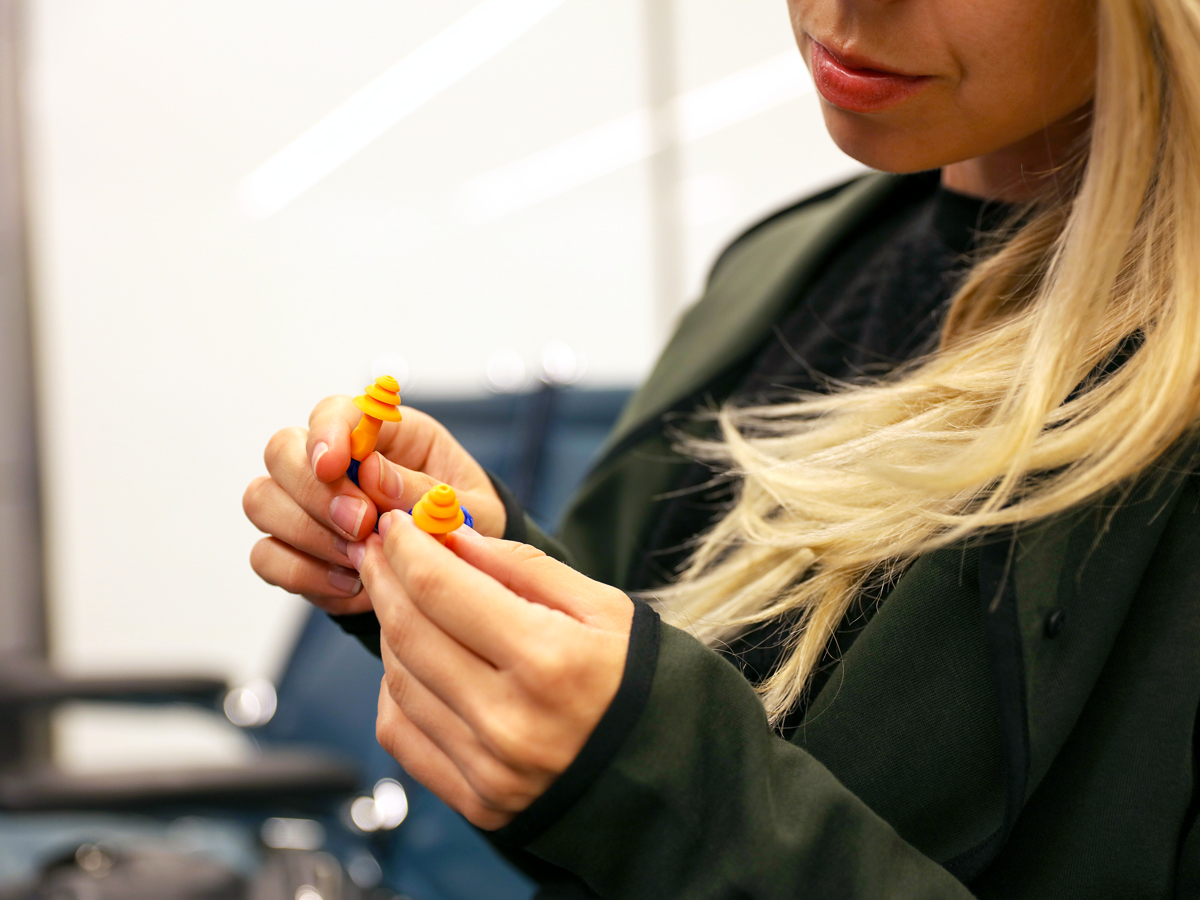
- EarPlanes earplugs are specially designed with filters to slow cabin pressure changes on your inner ear and reduce pain and discomfort during flight.
- Otovent is a medical device for which you blow up a small balloon with your nose, creating pressure in your nasal passages. This helps open the Eustachian tubes and move air through to balance the pressure.
- Saline sprays can help keep your nasal passages moist and clear. They don’t contain medication, so they’re gentle and can be used before or during a flight.
Over-the-Counter Medicines

Lastly, there are over-the-counter medications you can try to help prevent sinus pressure and blocked ears on a flight. These can be especially helpful if your ears are more prone to discomfort, but always consult a doctor before using any medicine.
- Decongestant tablets, when taken before flying, can help reduce nasal and sinus congestion, making it easier to equalize your ears.
- Nasal decongestant sprays work more quickly than tablets and can be used right before takeoff or landing. They’re effective in the short term but shouldn’t be used for more than a few days in a row.
- Antihistamines can be helpful if allergies are the main cause of your congestion. By reducing allergic reactions, they can also help keep your nasal passages clear during the flight.
More from our network
Daily Passport is part of Inbox Studio, an email-first media company. *Indicates a third-party property.