





The One Mistake That Could Get Your Bag Lost
The One Mistake That Could Get Your Bag Lost
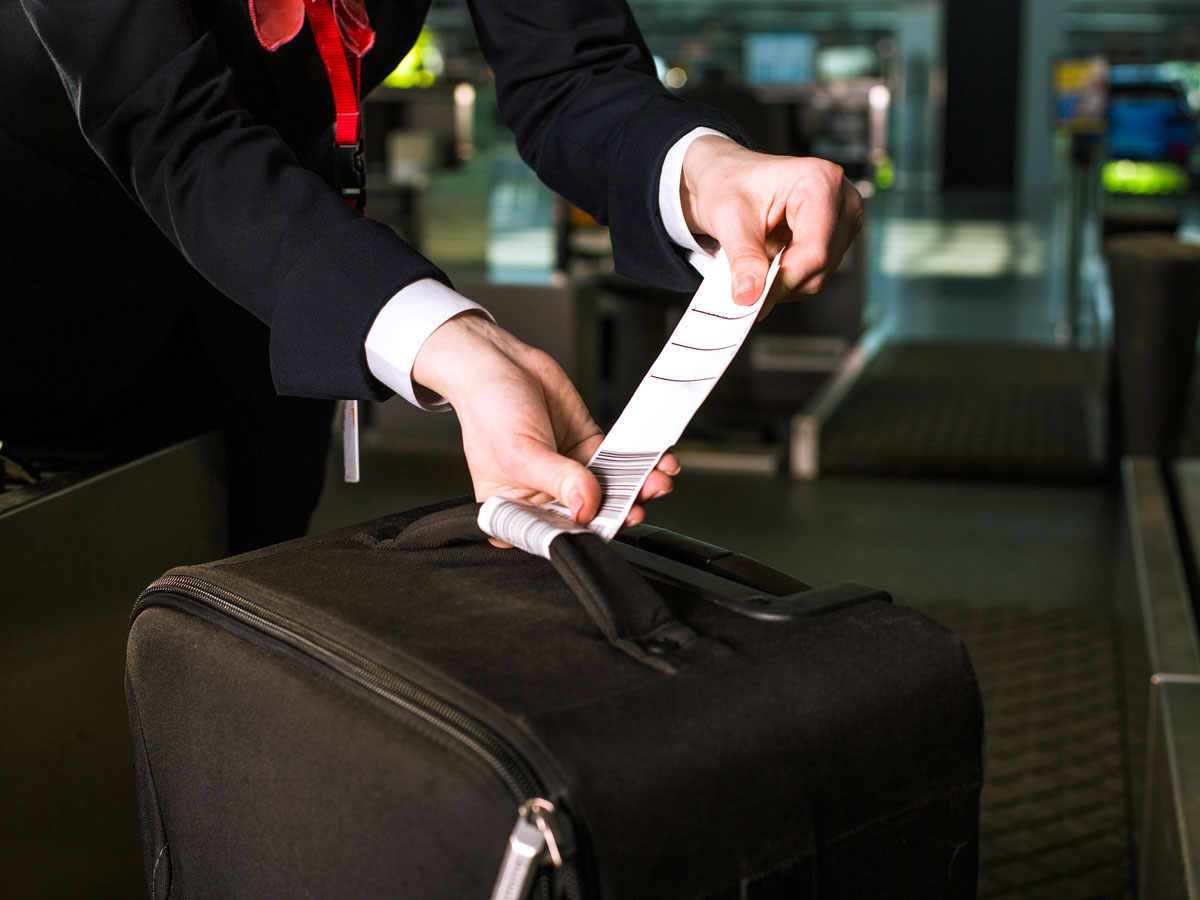

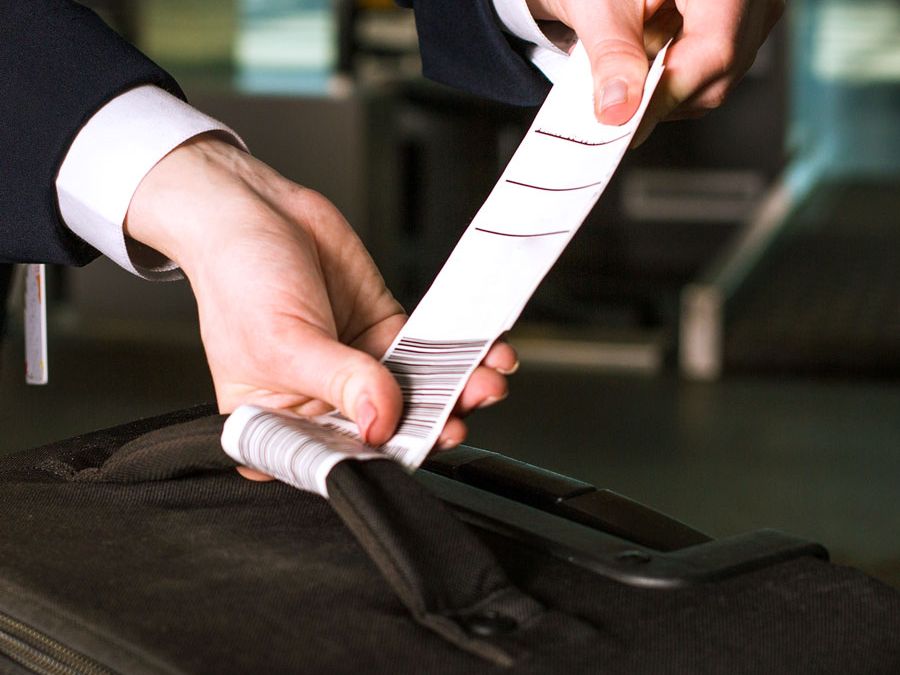
Have you ever wondered what happens to your bag after you check it at the ticket counter? Much of its journey relies on that small slip of paper the agent attaches to your bag. It contains a barcode that gives your bag its own unique number, along with details like your name, the name of the airline, and each flight that you’ll take. If all goes according to plan, as it does in the majority of cases, you’ll be reunited with your belongings on schedule. But sometimes things go awry, and bags get lost. The good news is that there’s one simple step you can easily take to reduce the chance of that happening.
Baggage Mishandling Rates Are Falling

Around 5 billion passengers flew globally in 2025. According to a report published by SITA, a baggage handling specialist that operates in more than 2,800 airports, that’s an 8.2% rise in traffic over the prior year — but despite more bags on planes, the rate of mishandled baggage actually declined 8.7%. Since 2007, SITA reports that the proportion of lost or delayed bags has dropped by 67%. That’s good news for passengers overall, but unfortunately, millions of bags are still mishandled each year, costing travelers time, stress, and added expenses — and costing airlines around $5 billion.
How Baggage Tags Work
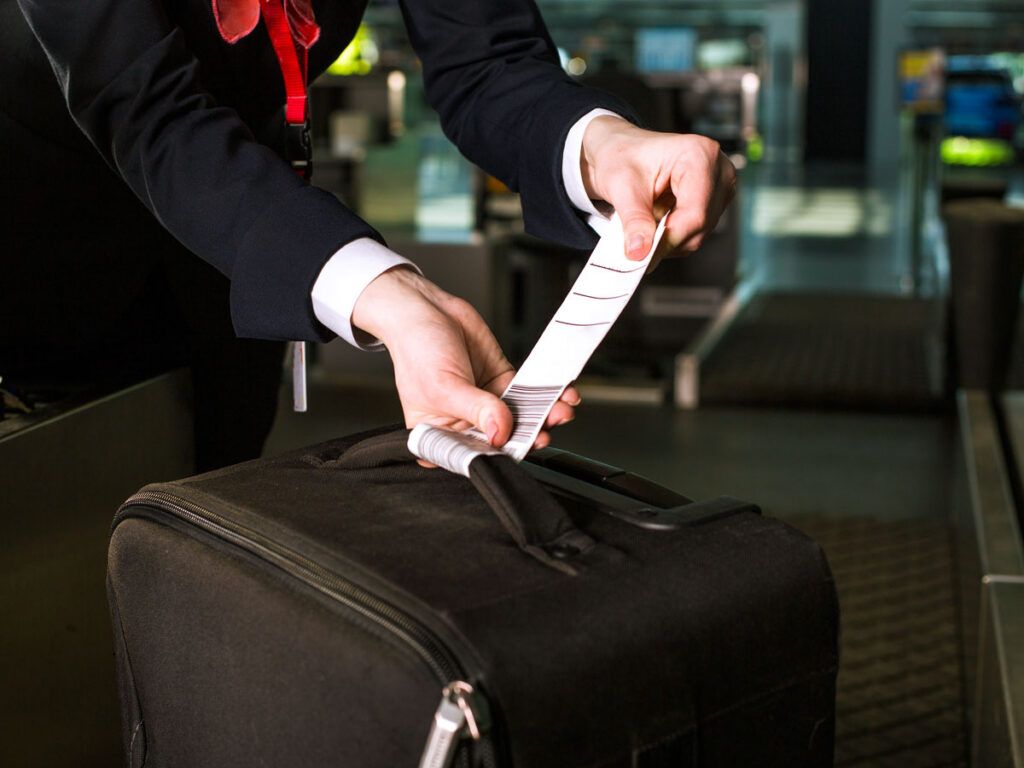
So, what happens to the small percentage of bags that are mishandled each year? To start, let’s take a look at how the process is supposed to work.
A series of conveyors, human agents, and, in some cases, even robots ensure that your bag moves correctly through the airport after you check it in. At each step of the journey, the baggage tag is scanned, and its progress is updated in the airline’s system. Along the way, this same process directs it through X-ray machines and scanners so that the contents can be screened for security purposes.
According to Airways magazine, the reason most bags are mishandled is that they miss a scan along the way for whatever reason. This is more likely to happen during a layover — transfer mishandling is the biggest reason for delayed bags, responsible for 41% of cases, according to SITA (a good reason to book a nonstop flight if possible).
The Role of the Stubbie
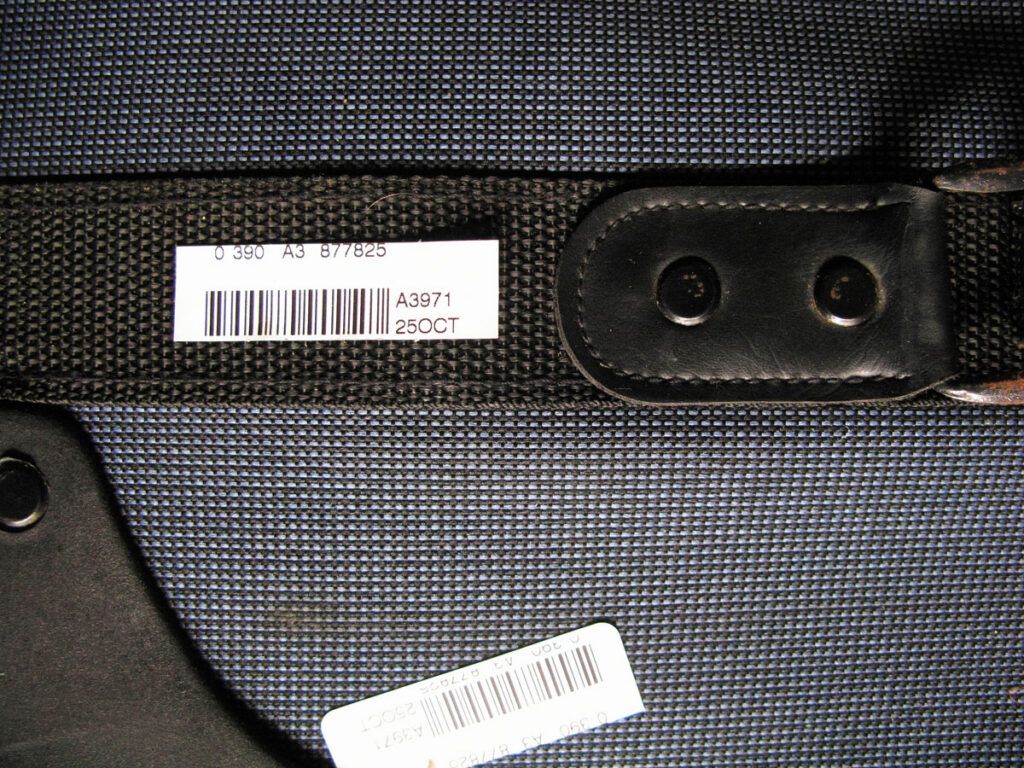
After staff at check-in attach the main baggage tag to your backpack or suitcase, they will stick on another label, commonly referred to as a stubbie. Just like the main tag, the stubbie contains the details of your flight. It acts as a backup if the main tag gets accidentally detached from your bag during the transit process.
However, the stubbie is significantly smaller and therefore far easier to overlook. You might have one on your bag from a previous trip and not notice it as you deposit your bags at the airport — particularly as increasing numbers of airlines are resorting to self check-in procedures where you tag and drop your own bag.
Why You Should Always Remove Old Tags
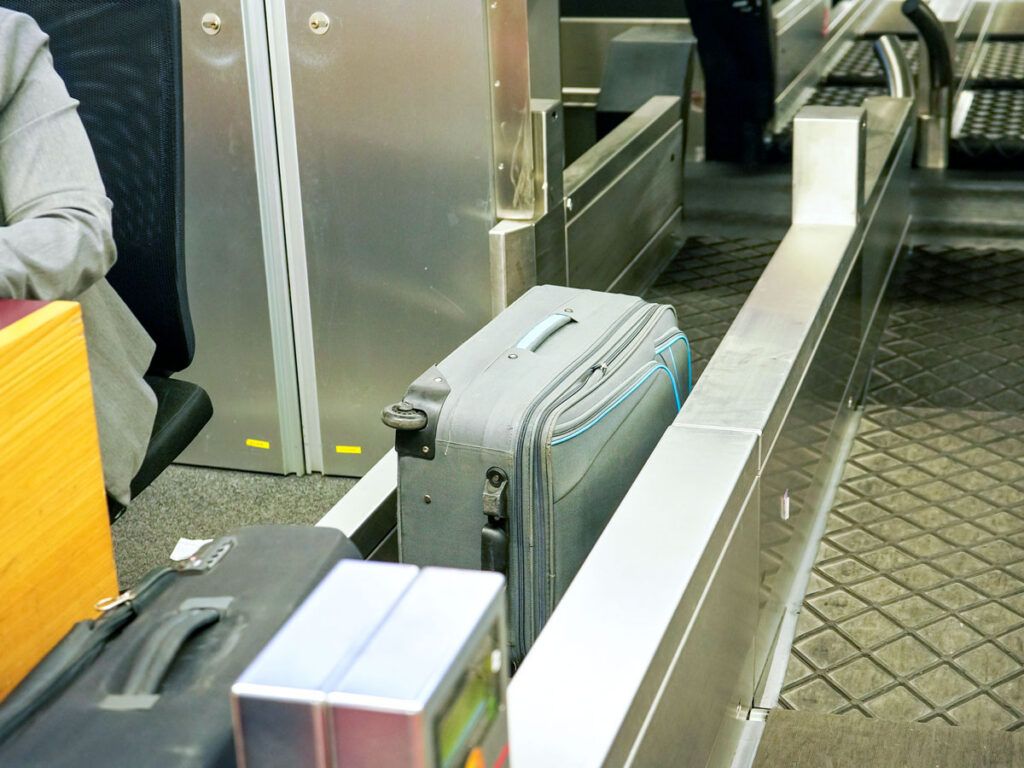
As baggage tags and stubbies contain information about a specific journey, having more than one on a bag that’s making its way through the baggage handling system could be problematic. If the wrong tag or stubbie is scanned, your bag could end up at the wrong destination or, worse, lost altogether. According to SITA, 4% of mishandled bags are due to errors with tagging.
That’s not a huge number, but it’s not nothing — and it takes only a minute to make sure you remove all previous bag tags. And don’t forget about the stubbie, which is smaller and easier to miss.
Other Baggage Tips

In addition to the airline tag with the barcode, the experts at SITA told Afar magazine that you should attach a written baggage tag with your name and contact information on both the outside and inside of your luggage. Most travelers simply place a tag on the outside, but it’s a good idea to have your information inside the luggage too, in case the tag falls off.
Another useful tip is to make sure your luggage is unmistakably yours. Many bags look alike, which could make yours hard to track down in the event it’s mishandled. We’ve compiled a few ideas here on how to make your luggage stand out.
Lastly, we always recommend placing an Apple AirTag or similar Bluetooth tracking device in your checked bag, so you can keep tabs on the status of your luggage in real time throughout your trip.
More from our network
Daily Passport is part of Inbox Studio, an email-first media company. *Indicates a third-party property.