




Is Basic Economy a Good Deal? Here’s What To Consider
Is Basic Economy a Good Deal? Here’s What To Consider
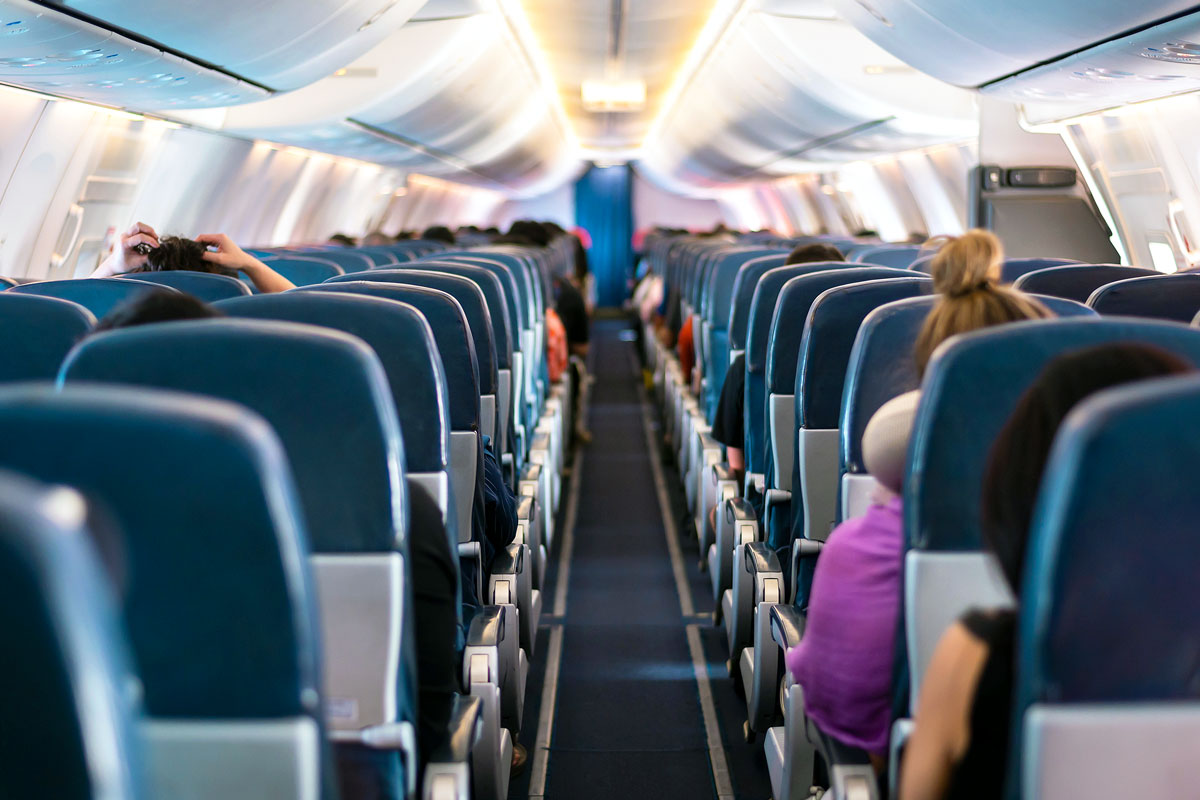

In a recent survey of U.S. air travelers, participants ranked the cost of airfare as a top priority, with 53% saying it is their No. 1 consideration when booking a flight. Basic-economy tickets — the bottom rung on the economy-class ladder — offer the lowest possible price, but they come with trade-offs that travelers should understand before booking, such as limited flexibility and fewer perks. Here’s how to decide when basic economy makes sense, and when it’s best avoided.
When Basic Economy Makes Sense
Basic economy works best for budget-conscious travelers who can pack light and don’t mind where they sit. (On U.S. airlines, the seats themselves and the in-flight services, such as food and entertainment, are the same as in standard economy.) In these situations, the savings can outweigh comfort or flexibility.
When You’re Flying Nonstop
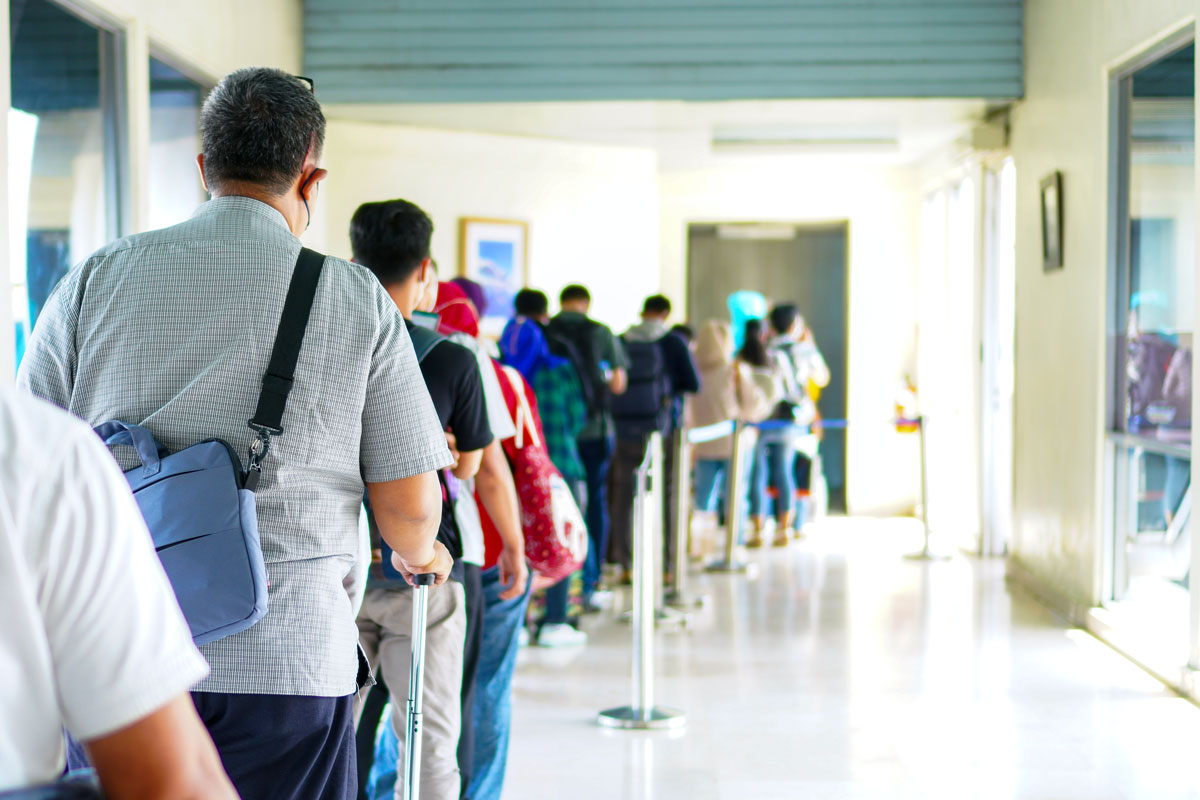
In general, nonstop flights are typically best for booking basic economy because you aren’t under a time crunch. Passengers with the lowest airfare typically board last, are seated toward the back of the plane, and are among the last to deplane after arrival. On a large aircraft, there might be 200 or more passengers ahead of you.
If you’re trying to make a tight connection, waiting for dozens of rows of passengers to deplane ahead of you can be stressful, especially since many airports have a minimum domestic layover time of just 30 minutes. On a nonstop flight or an itinerary with a generous layover, how fast you deplane is far less of an issue.
If You’re Traveling Solo
During solo adventures, basic economy can be a practical option, allowing you to stretch your budget in other places. Since most U.S. airlines do not include free seat selection with these fares, seats are assigned at check-in and are often middle seats. There is no guarantee of sitting with travel companions, but for those traveling alone, this is less of a concern.
Some airlines allow paid seat selection at the time of booking basic economy. However, once that cost is added, you’ll negate a good chunk of your savings from purchasing a basic-economy ticket — on average, travelers can expect to save between $50 to $70 compared to a standard main-cabin ticket.
When You’re Packing Light
Travelers on short trips, or those who always pack light, can benefit from basic economy. Some airlines — such as United, Spirit, and Frontier — do not offer a free carry-on bag for basic-economy fares. This means everything you’re traveling with must fit into a small personal item — such as a backpack, shoulder bag, or laptop bag — that fits under the seat in front of you.
If more space is needed, regular carry-on bags incur an additional fee. At United Airlines, for example, the fee starts at $35 if you prepay before check-in. If you do not pay for a larger carry-on in advance and it doesn’t fit under the seat, the fee to check it at the gate is $65. In many cases, the fare difference between basic and main cabin is modest — around $49 on average at United, which makes basic fare savings negligible after baggage fees are added.
However, rules vary by airline. For instance, at Southwest, Delta, and American, passengers are allowed one personal item and one standard carry-on when traveling on a basic-economy ticket. Checked bag fees usually start at $35. For premium-economy, business-class, and first-class fares, at least one checked bag is free.
When Basic Economy Is Best Avoided

Basic economy isn’t ideal for every traveler. Those who value flexibility, are traveling with children or large groups, or hope to earn airline rewards may find that a standard or premium fare is a better value.
When You Need a Flexible Itinerary
Many airlines now offer free changes and cancellations on standard economy tickets, but basic economy is typically excluded from this practice. With JetBlue, for instance, changes are not allowed for basic economy (“Blue Basic”), and cancellations for domestic flights incur a $100 fee. Other JetBlue fare types allow free changes and cancellations, which are issued as travel credit.
Delta permits changes and cancellations for basic-economy tickets, but fees apply. Any change also requires paying the fare difference, and cancellation fees are deducted from the travel credit issued. Other Delta fare types allow for free changes and cancellations — and airlines like American and United feature similar policies. If there’s a chance your plans might change, basic economy can quickly become as expensive as a standard ticket.
If You’re Traveling With Family
Many airlines do not include complimentary seat selection with basic-economy fares, which can result in groups, including children, being separated.
The U.S. Department of Transportation has a helpful dashboard outlining which airlines offer fee-free family seating, guaranteeing that a child 13 or under will sit adjacent to an accompanying adult at no additional cost. This applies to all fare types — even basic economy. Airlines that follow this practice include Alaska, American, Frontier, Hawaiian, and JetBlue. At United and Southwest, the policy applies to children 12 and under. Note, however, that it pertains only to one adult in the group; any other adults may be separated.
Other airlines, including Allegiant, Delta, and Spirit, do not formally guarantee families will be seated together for basic-economy tickets. If this is the case for your flight, you may ask a gate agent at check-in to accommodate your situation by altering seat assignments — but there is no guarantee they can or will do so.
If You Want To Earn Reward Points
Travelers who value frequent flyer miles or elite status should review airline policies before booking a basic-economy ticket. With some airlines, basic-economy fares earn fewer or no loyalty benefits.
For instance, Delta‘s basic-economy tickets do not earn mileage credit or count toward Medallion Status, and they exclude the typical elite member perks such as complimentary upgrades, priority boarding, lounge access, and same-day standby changes.
Similarly, as of December 2025, American Airlines no longer awards miles or loyalty points for basic-economy tickets. With United Airlines, basic-economy tickets booked after April 2, 2026, require you to hold a United co-branded credit card or elite status to earn redeemable miles. So, while basic economy may save money at booking, the long-term benefits of a higher class might outweigh these savings.
Featured image credit: tonefotografia/ Adobe Stock
More from our network
Daily Passport is part of Inbox Studio, an email-first media company. *Indicates a third-party property.