




10 Mistakes American Tourists Make in Europe
10 Mistakes American Tourists Make in Europe

If you’re planning a European vacation, the vast array of destinations to choose from and the wide variations in everything from climate to culture can seem overwhelming. And then there’s the question of how to really immerse yourself once you get there: No one likes to stick out like a sore thumb, so blending in like a pro is a key element of a successful trip. Next time you venture across the pond, avoid these 10 mistakes American tourists make in Europe, and you’ll fit right in with the locals.
Overstuffing Your Itinerary
With so much to see and relatively little paid time off, American tourists can be forgiven for wanting to rush around ticking off the sights. But consider the emerging trend of slow travel, which encourages us to spend more time in each place so we can really take it in. After all, travel is better when it’s not simply checking items off a list, and if you won’t have time to see everything anyway, why force it?
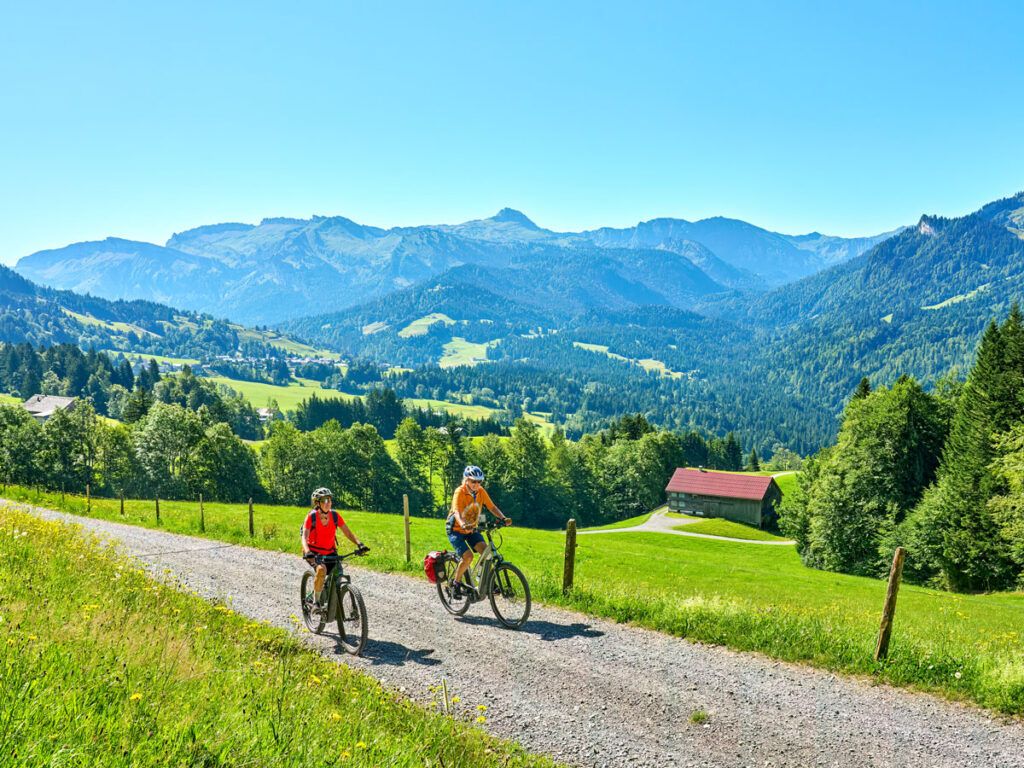
Instead, focus on experiential travel — immersive activities that will make a lasting impression. A few ideas: Track bears in a Romanian forest, take a Sound of Music-themed cycling tour in Austria, stand-up paddleboard or kayak through the tranquil Lofoten Islands in Norway, or ride the world’s fastest zipline in Wales. Also, try not to squeeze too many countries into one trip: Just because a border is there doesn’t mean you have to cross it.
Forgetting That Each Country Is Very Different

Failing to appreciate cultural influences and linguistic differences is a mistake tourists — Americans or otherwise — often make. There are 44 countries in Europe; local etiquette, long-standing traditions, and even architecture vary just as much as the climate and landscape.
Wherever you go, it pays to pick up a few phrases in the local language, as not everyone is going to speak English, particularly in areas not frequented by many overseas tourists. The European Union alone recognizes 24 official languages, and there might be as many as 200 to 300 others spoken across the continent as a whole.
Sticking Only to Cities
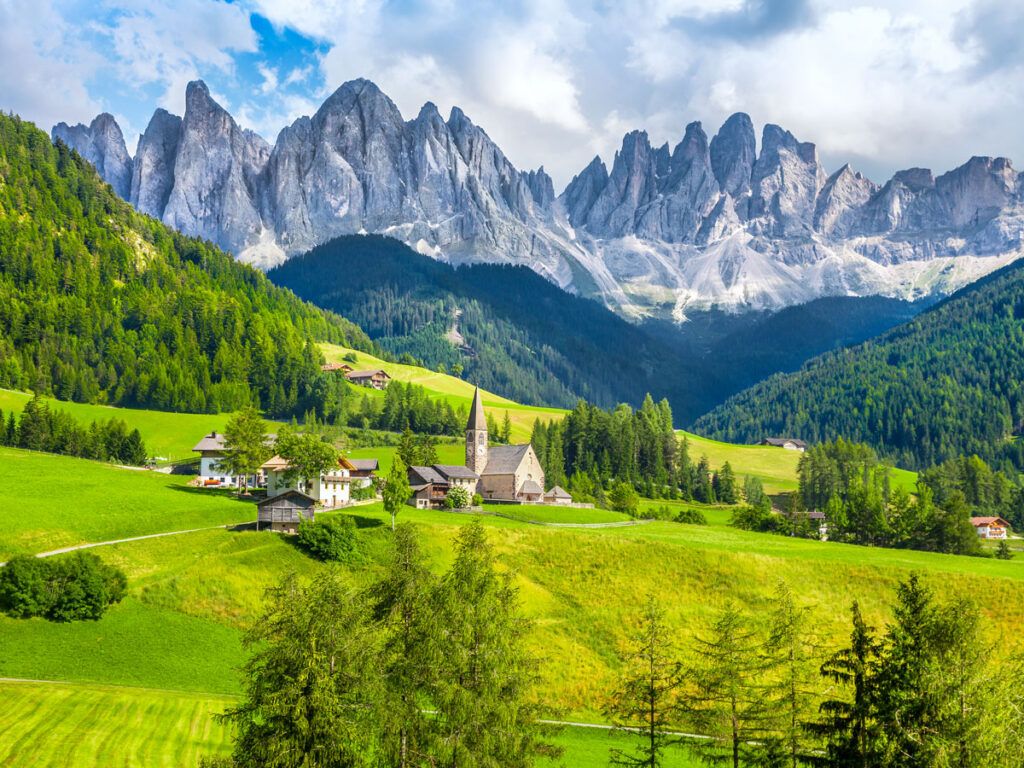
With so much to see and relatively little time to fit it all in, it’s tempting to stick to Europe’s big cities. However, don’t overlook its beautiful countryside, villages, and small towns.
Instead of sightseeing in Munich, for instance, you could hike alongside the Leutasch Gorge and immerse yourself in the delightful frescoed buildings of Mittenwald. Or you could switch out Rome for the fascinating sassi (cave dwellings) of Matera or the craggy peaks and turquoise lakes of the Dolomites. And rather than hit overcrowded Paris, you could hop on a train south to Provence and explore the wildlife-rich Camargue or the lavender fields and vineyards of the Luberon. In Belgium, ditch busy Brussels for the grassy dunes and golden sands of the Vlaamse Kust (Flemish Coast), reaching it via the world’s longest tram route from De Panne to Knokke-Heist.
Relying Solely on Familiar Hotels
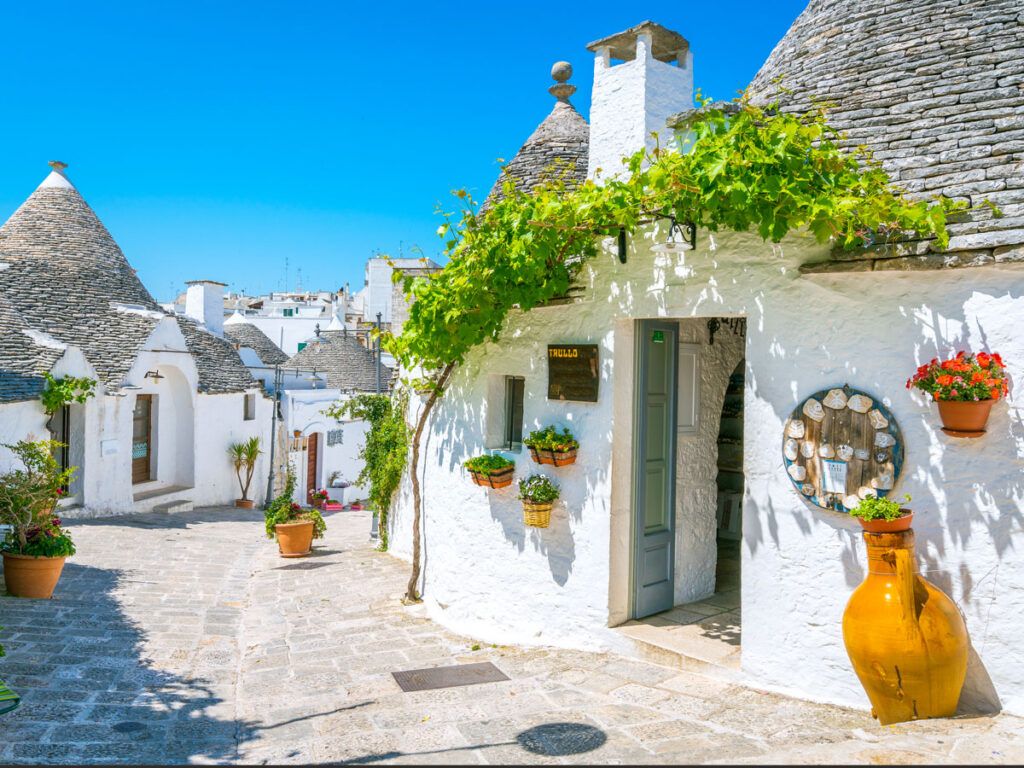
When it comes to facilities and amenities, there’s often a big difference between chain hotels and independently run guesthouses. While it can be tempting to use your hard-earned points for discounted rates or free nights with the brand you use most regularly, you could find that you miss the most characterful stays as a result.
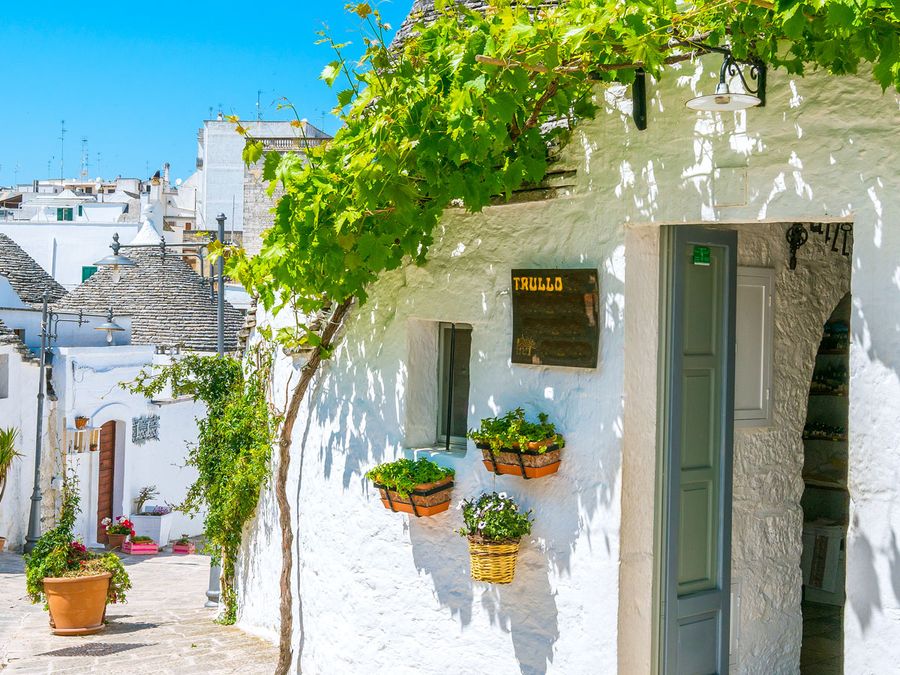
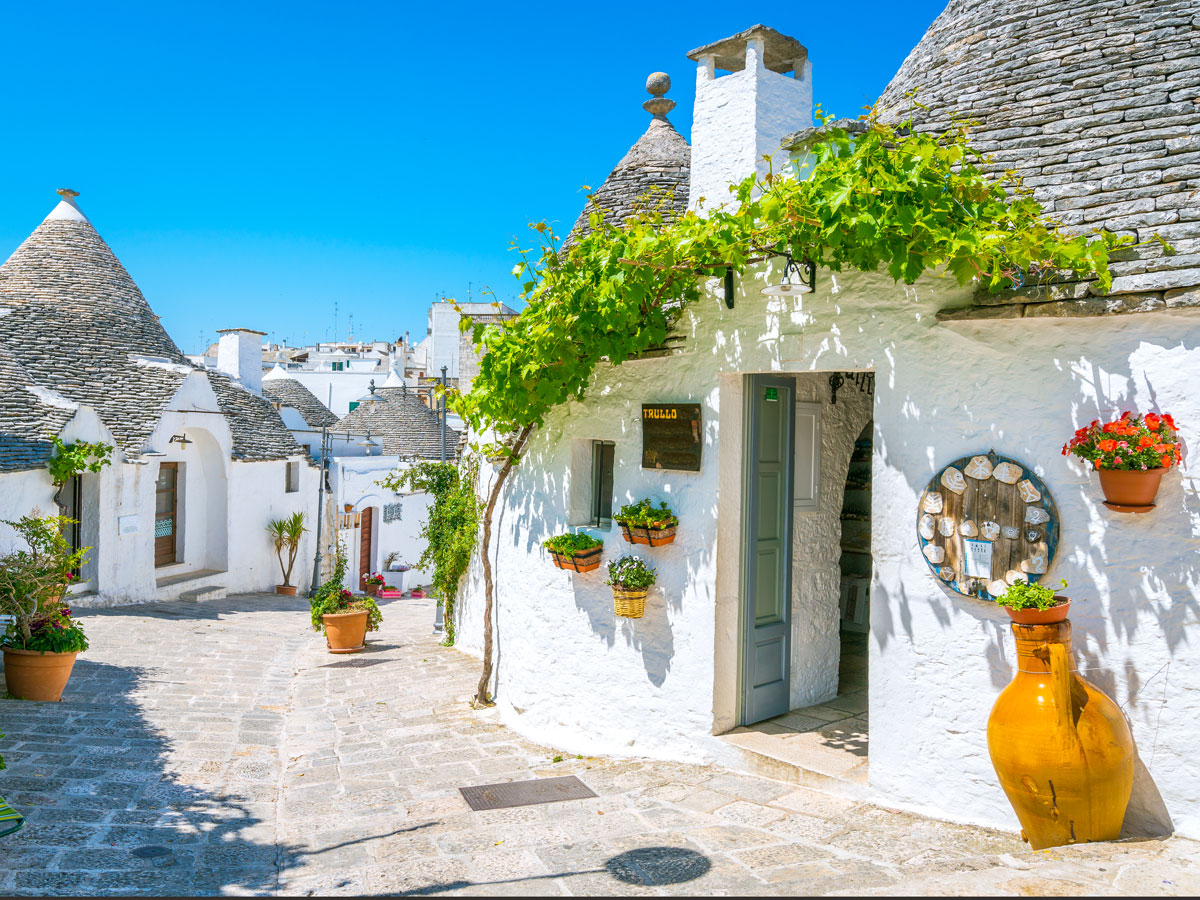
See: sleeping in a trullo in Puglia, staying in a converted prison that’s now a hostel in Slovenia, or waking up in Rotterdam’s famous cube houses. In fact, many of Europe’s most historic buildings have been repurposed as visitor accommodations. While some may lack amenities such as air conditioning and elevators, it could be worth a little inconvenience to say you’ve slept in a castle, centuries-old monastery, or medieval palace.
Eating Too Fast

Because many of us are used to it at home, and with time at a premium on vacation, it’s easy to understand why quick sit-down meals or even fast-food runs hold such appeal. However, that’s missing the point: Sampling local dishes is as much a part of a European trip as sightseeing. Italy was the birthplace of the Slow Food movement, which started as a knee-jerk reaction to a McDonald’s restaurant opening beside Rome’s Spanish Steps. It has since grown into an organization that has supporters across the continent and beyond.
Many destinations in Europe celebrate sustainable local food and champion artisan producers — an ideal choice for tourists seeking a more authentic experience. Indeed, Europeans embrace the concept of “slow” in all its forms — dinner in many countries tends to be a social affair that lasts all evening (though start times vary). Don’t expect servers to rush you or the check to appear while there’s still food on the table — you’ll have to ask for it.
Tipping at U.S. Rates
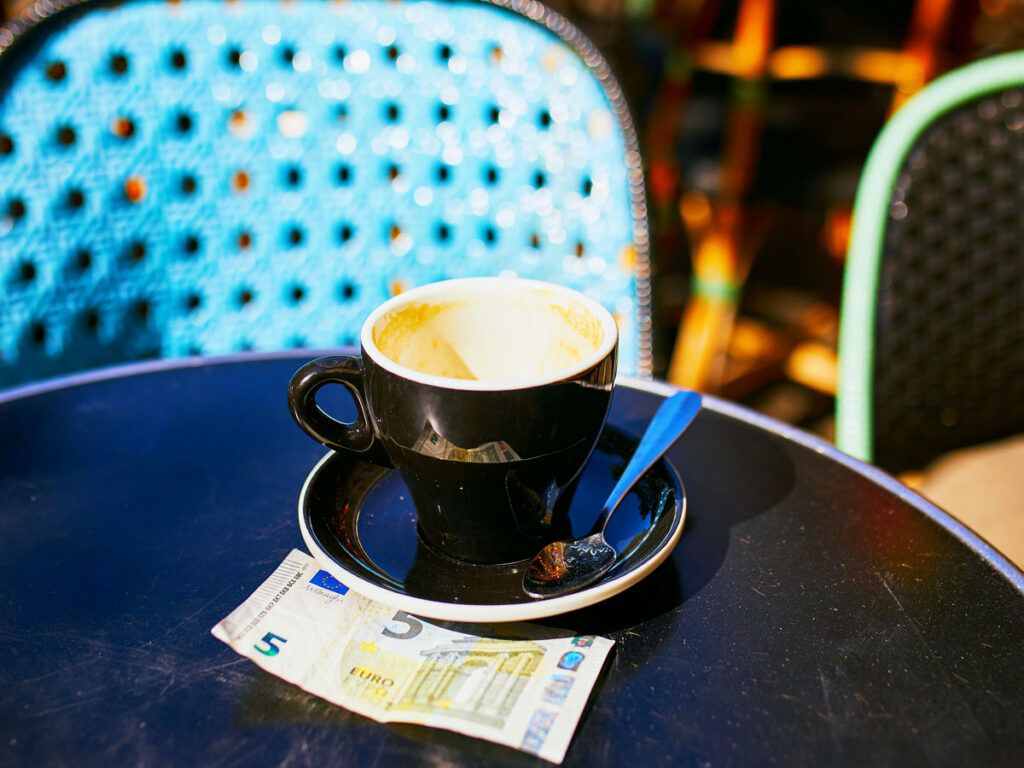
Tipping is an essential element of the service industry in the U.S., but the same can’t be said for similar jobs in Europe. The amount that customers are expected to tip — if at all — not only is far lower than it is in the U.S., but also varies considerably between countries.
In some places, like the U.K., it’s normal practice to add a 10% to 15% gratuity to the check when dining out. In Germany, however, you can simply round up the total and indicate you aren’t expecting any change. In Iceland, locals won’t add gratuity at all. While your server may appreciate the extra cash, tipping the way you would back home is frowned upon by locals keen not to have to do the same. It can be seen as an unwelcome culture shift, an Americanization of European ways.
Expecting To Pay in Cash

In many European countries (Germany’s a notable exception), payment using contactless cards is increasingly the norm, replacing cash altogether. Be sure to select the local currency when given the option, as the exchange rate is more favorable; if you choose the U.S. dollar option on the payment terminal, stores and restaurants can set their own rate or add extra conversion fees.
For those occasions where you may need notes and coins, it’s advisable to withdraw a small amount of cash from an ATM (preferably not one in a busy tourist area) and check to make sure you won’t be charged an additional commission. You’ll pay more to exchange currency at an airport kiosk.
Not Familiarizing Yourself With Public Transportation

In Europe, more often than not, public transportation is widely available and affordable — throughout Luxembourg, it’s actually free. Driving yourself around in a rental is a rookie error that could translate to bumping over city cobblestones or navigating impossibly narrow alleyways. And finding a space to park while you’re still getting used to a stick shift is guaranteed to suck the fun out of any vacation, so let someone else take the wheel instead.
Do a little homework, though, so you know the basics about how to buy a ticket and when you’ll need to validate it, too. Also check to see if multiday passes are available, which could save you a considerable amount when riding the metro. For example, the Vienna City Card covers unlimited rides for one, two, three, or seven days, plus offers discounts on museum tickets and local attractions.
Getting in the Way of Commuters
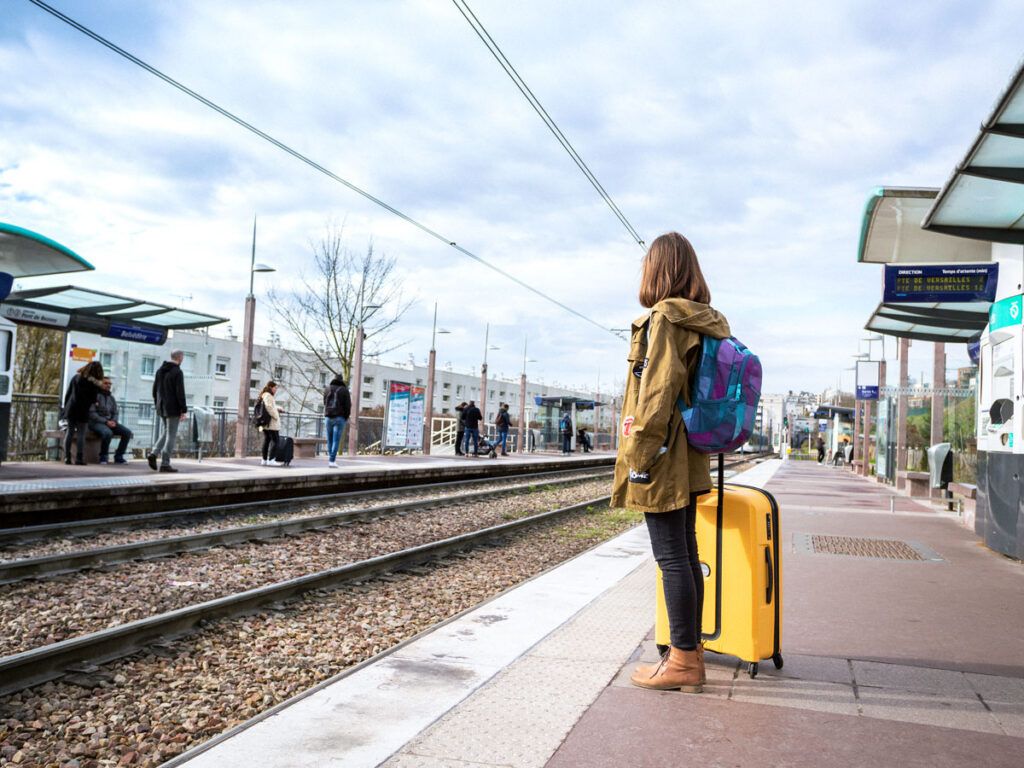
Sometimes, when exploring a new city, it can be easy to forget that not everyone is on vacation like you are. If you find yourself on the London Underground or Paris Metro when locals are trying to get to work — particularly if you’re carrying heavy luggage with you — you may not experience a warm, friendly welcome. Instead, grab a coffee or enjoy a leisurely breakfast until the morning rush has subsided.
Being Too Loud or Direct

What’s considered a perfectly acceptable volume for conversations in the U.S. is often louder than Europeans would consider polite. In a recent survey, 70% of European respondents described Americans as “loud.” If you’re looking to blend in when out and about, a good tip is to simply listen to those around you and match their decibel level. Tone down the noise in museums, libraries, restaurants, or on public transport.
It also pays not to be too direct, as this can be misconstrued as rudeness in many European cultures (though some, like Dutch, Germans, and Scandinavians actually prefer it — again, it pays to do your research). But most of the time, you can begin with a compliment or a chatty greeting about the weather before your actual query, and always remember to say “please” and “thank you” to those who have taken time out of their day to help you.
More from our network
Daily Passport is part of Inbox Studio, an email-first media company. *Indicates a third-party property.