





5 Foods That Are Commonly Confiscated at Customs
5 Foods That Are Commonly Confiscated at Customs

Experiencing local cuisine is one of the best parts of travel. And what better way to bring a taste of your travels home than with a food souvenir? But whether you’re leaving with a Genoa salami from Italy or your cousin’s homemade salsa, you still need to follow regulations set forth by the U.S. Department of Agriculture (USDA) and Customs and Border Protection (CBP). Some prohibited items are easy to anticipate, while others are less obvious. Before packing food in your suitcase, here are five items U.S. customs may confiscate.
Dried Fruits and Vegetables
First, let’s start with a general tip: Always declare food items when you enter the country. If an item isn’t allowed but you declare it, it will be confiscated but you won’t be penalized. If an item isn’t allowed and you don’t declare it, you may face fines. Regulations are strict because they protect U.S. crops and livestock from foreign pests and diseases.
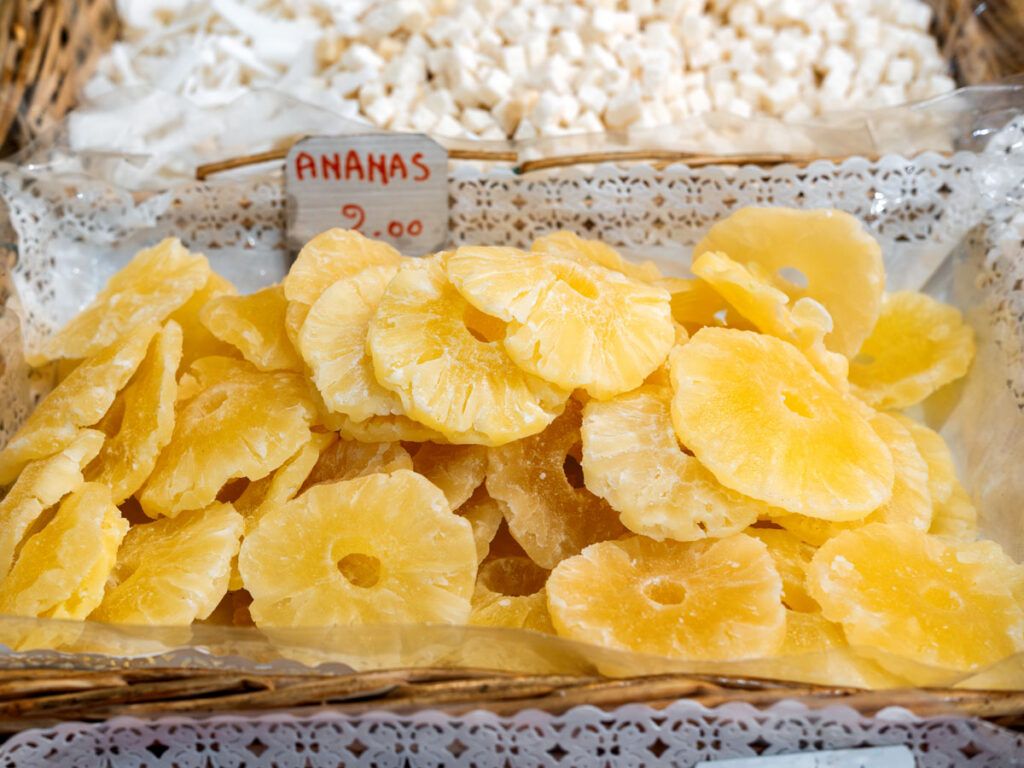
Now, on to specific food items: Dried fruits and vegetables may seem like a safe alternative to fresh produce (which is generally prohibited), but drying doesn’t automatically make produce permissible for entry. Unfortunately, most dried fruits and vegetables face extensive import restrictions due to the risk of pests and diseases.
There are some exceptions to this rule. According to the USDA, the following dried products are generally allowed, but they must be declared for inspection:
- Beans
- Dates
- Figs
- Nuts (but not chestnuts or acorns)
- Okra
- Peas
- Raisins
- Sichuan peppercorns
Note: When traveling domestically throughout the U.S., dried fruits and vegetables are generally permissible through TSA checkpoints.
Home-Canned Goods
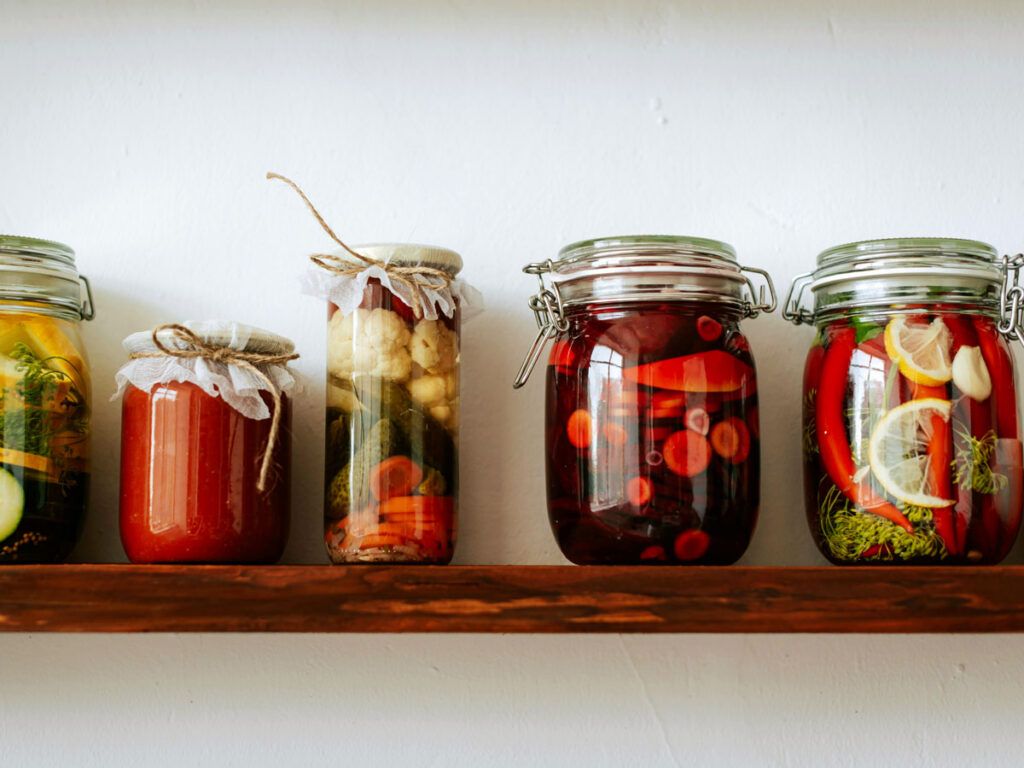
Homemade sauces, preserves, pickled vegetables, and other canned foods make thoughtful gifts, especially when they come from a local farmers market or are prepared in a family member’s kitchen. Unfortunately, those carefully crafted jars won’t make it through customs. Home-canned products (not commercially prepared and packaged) made abroad are not permitted into the U.S. under USDA regulations because canning methods may not eliminate all pest and disease risks from produce and meats.
However, this rule does not apply to commercially canned fruits and vegetables, which travelers can bring into the U.S. as long as they declare them on a customs form. But there are still restrictions on canned meat and other animal products (more on that below).
Meat Products
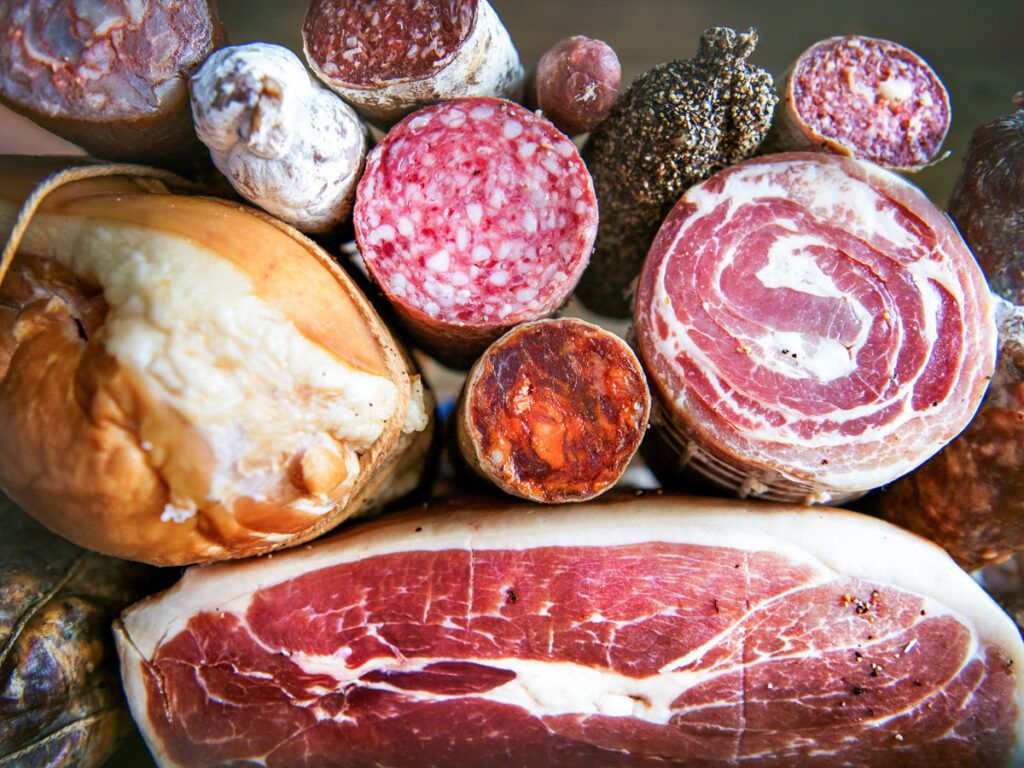
The rules for importing meat into the U.S. are among the strictest food regulations. The USDA does not allow travelers to bring back most types of meat (cattle, swine, sheep, goat, etc.) from countries affected by certain livestock diseases, including foot-and-mouth disease and swine fever. These restrictions apply to fresh (chilled or frozen), cooked, cured, or dried meat.
Travelers must check a country’s Animal Health Status before bringing meat items home. Note that many popular destinations for U.S. travelers are affected. If a country is not affected by any serious diseases listed on the USDA’s regional Animal Health Status report, travelers are permitted to bring back meat products with official documentation (such as a product label or receipt of sale) proving the product’s country of origin.
Cured meats face particularly strict scrutiny. This includes cured hams (such as prosciutto, serrano ham, and Iberian ham) and certain salami products from France, Germany, Italy, and Spain. These popular, edible souvenirs, which are commonly confiscated at U.S. customs, require special documentation and can be imported only in commercial shipments.
Noncommercial Teas and Spices
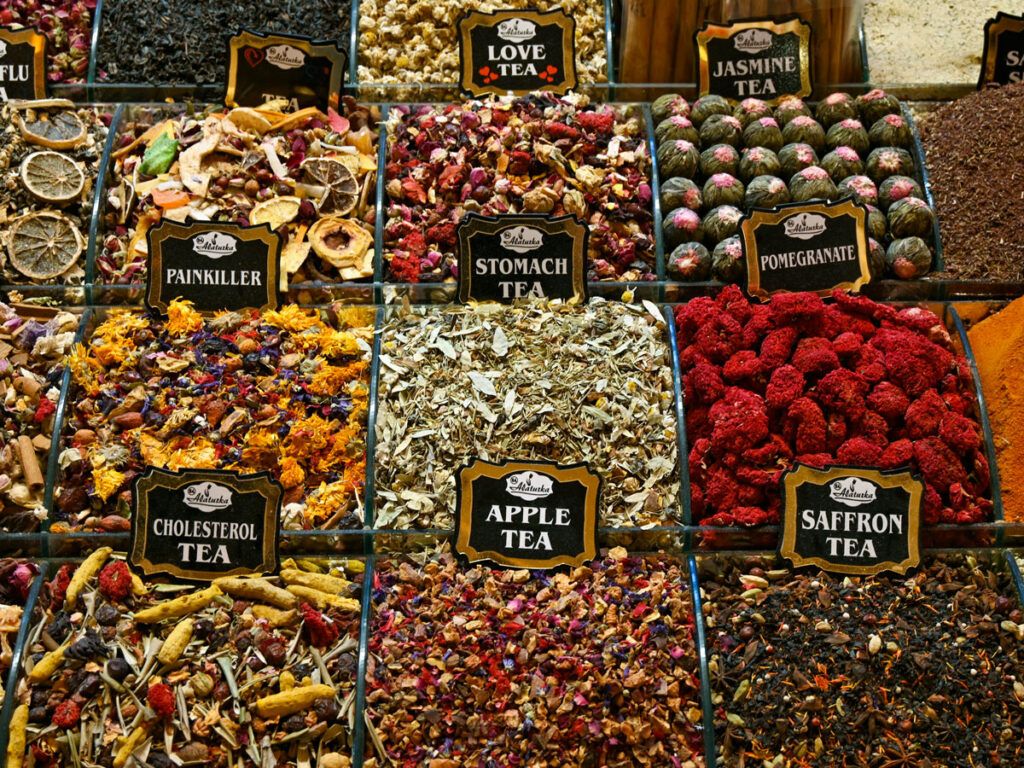
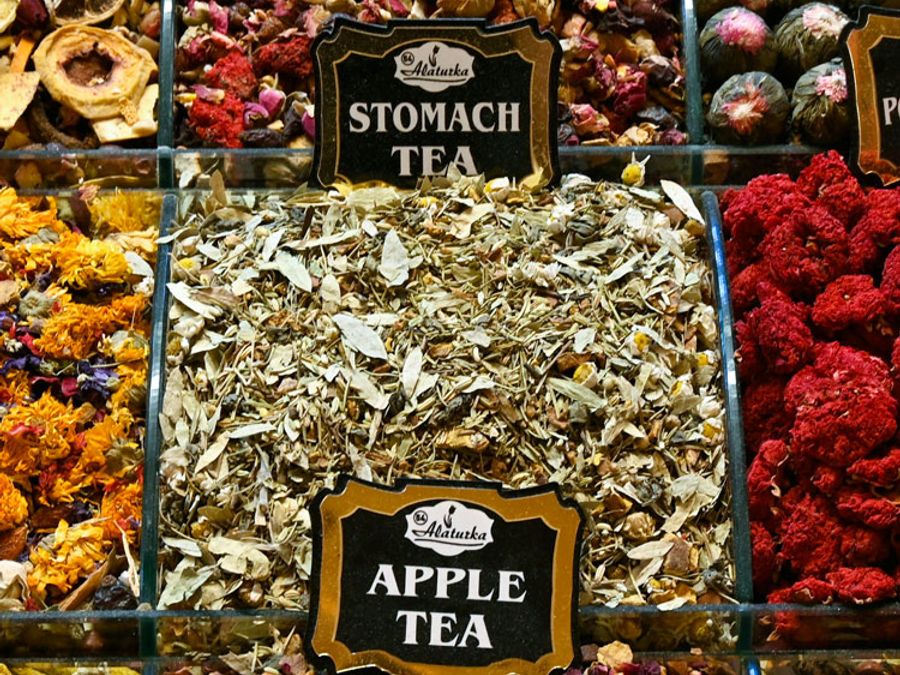
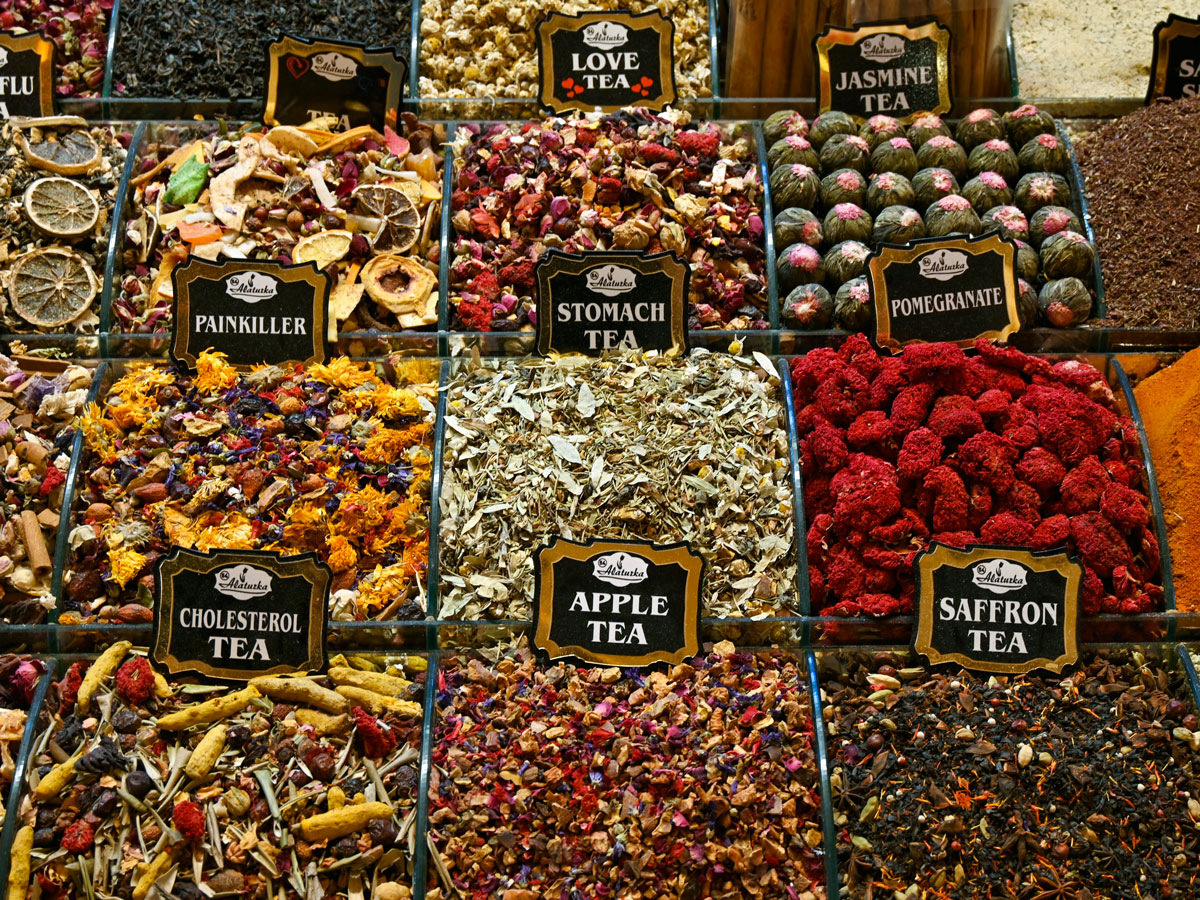
Teas and spices are also popular souvenirs for food lovers. While many commercially packaged teas and spices are generally permitted, a few exceptions apply. Loose herbal teas and dried spices, such as those purchased from a market, are generally prohibited because of potentially invasive plant diseases and pests. Teas containing citrus leaves or seeds (including orange, lemon, and lime) or fruit tree bark (such as apricot, cherry, peach, or plum) face the strictest scrutiny due to heightened risks to plant life.
Spices made from orange, lemon, lime, and other citrus leaves and seeds — as well as many vegetable and fruit seeds — are also generally prohibited. Additionally, the USDA advises travelers against bringing lemongrass through customs, especially if it is not commercially processed, because it is prone to plant rusts, a category of fungal diseases.
Holiday Dishes

Bringing back holiday or seasonal food from a trip can be tempting, especially when traditional dishes are hard to find at home. Unfortunately, festive foods often contain ingredients such as meat or eggs that make them subject to importation restrictions.
Foods like tamales, empanadas, stuffed pastries, or meat-based soups may be refused entry, depending on where they were prepared. Similarly, meat-based puddings (such as plum pudding or Yorkshire pudding) from the United Kingdom or Europe are not allowed if they are made with suet or animal fat.
Restrictions depend heavily on the country of origin and current disease outbreaks, as outlined by the USDA’s Animal Health Status database. Keep in mind that cooking or wrapping a meat-based dish does not automatically make it admissible. Similar restrictions apply to egg-based dishes, such as moon cakes containing unpasteurized egg or raw egg yolks from restricted regions. Versions of these holiday dishes made without animal products may be admissible, but travelers must declare them, and U.S. customs may still inspect or confiscate them.
More from our network
Daily Passport is part of Inbox Studio, an email-first media company. *Indicates a third-party property.