






6 Helpful Tips for Bringing Home Food Souvenirs
6 Helpful Tips for Bringing Home Food Souvenirs


If you’ve ever visited Tuscany to indulge in some of the region’s famous Chianti or invested in a wheel of Edam cheese from the Netherlands, you’ve probably wondered, “How am I going to get this home?” Sure, there are international grocery stores in the U.S., but there’s something exciting about visiting family and friends during the holiday season and announcing that the red wine you brought to the party is straight from Italy.
The Transportation Security Administration (TSA) classifies any food that can be spilled, spread, sprayed, pumped, or poured as a liquid, and any liquid food items larger than 3.4 ounces — such as creams, jams, honey, oils, vinegars, butter, and salsa — are not allowed in carry-on bags. Packing them in your checked bags instead might seem straightforward enough, but you don’t want to risk any damaged items leaking in your luggage or encounter extra questioning at security. So, here are six helpful tips for packing food souvenirs, so you can enjoy the tasty delicacies you’ve acquired on your trip at home.
Avoid Glass Containers

Some items, such as wine or preserves, will undoubtedly come in glass, but if you can avoid glass containers, you should. There’s always a risk of a glass jar or bottle breaking en route, even with strategic packing. If it’s available, a smaller glass container under 3.4 ounces is much easier to pack in a small box, tin, or even the sole of your shoe, and you should keep it in a carry-on or personal item since checked bags are more aggressively handled.
Double-Bag or Vacuum Seal in Clear Wrap
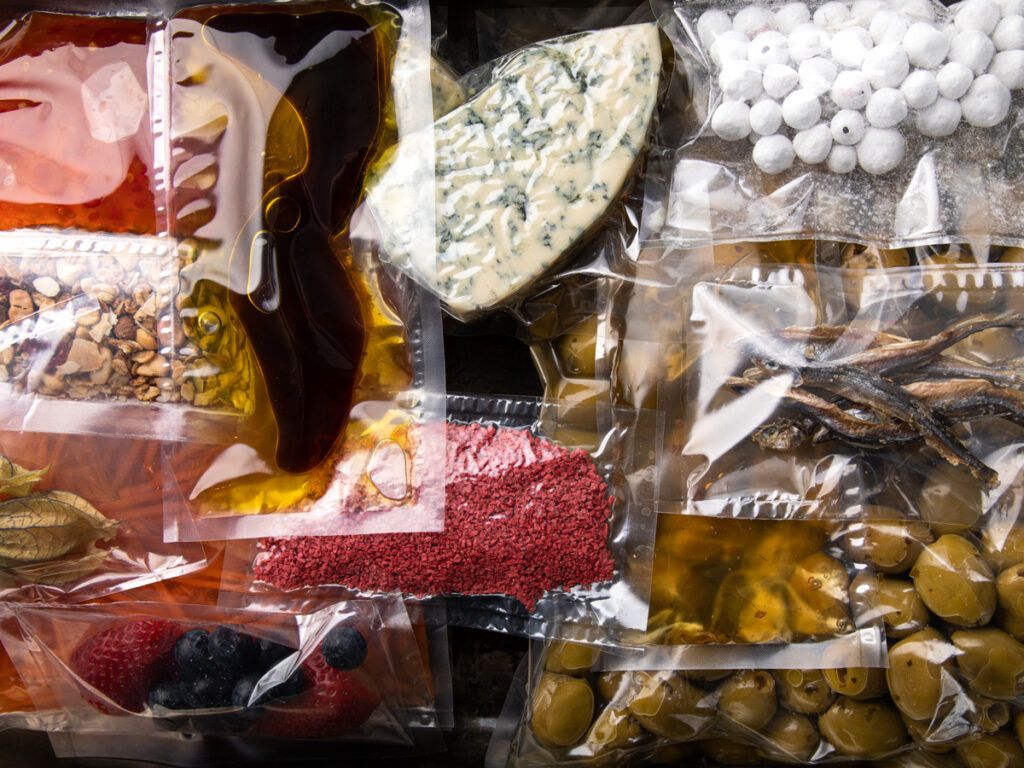
To address the risk of spillage, double-bagging any food items (solid or liquid) is always a great idea. This will help protect your other belongings from accidental stains in the event that your luggage gets tossed in a way that opens the contents. Seal jars, bottles, or oils inside zip-top plastic bags to prevent leaks from ruining clothes. And use clear plastic wrap or bags to make it easier for TSA officials to examine the contents.
Some local vendors or specialty shops — like La Grande Épicerie, Fromageries Laurent Dubois, and Le Butter Shop in Paris — will even vacuum seal or sous vide perishables like butter, cured meats, and soft cheeses, making it easier for you to travel with them.
Freeze Solid and Use Insulated Packs
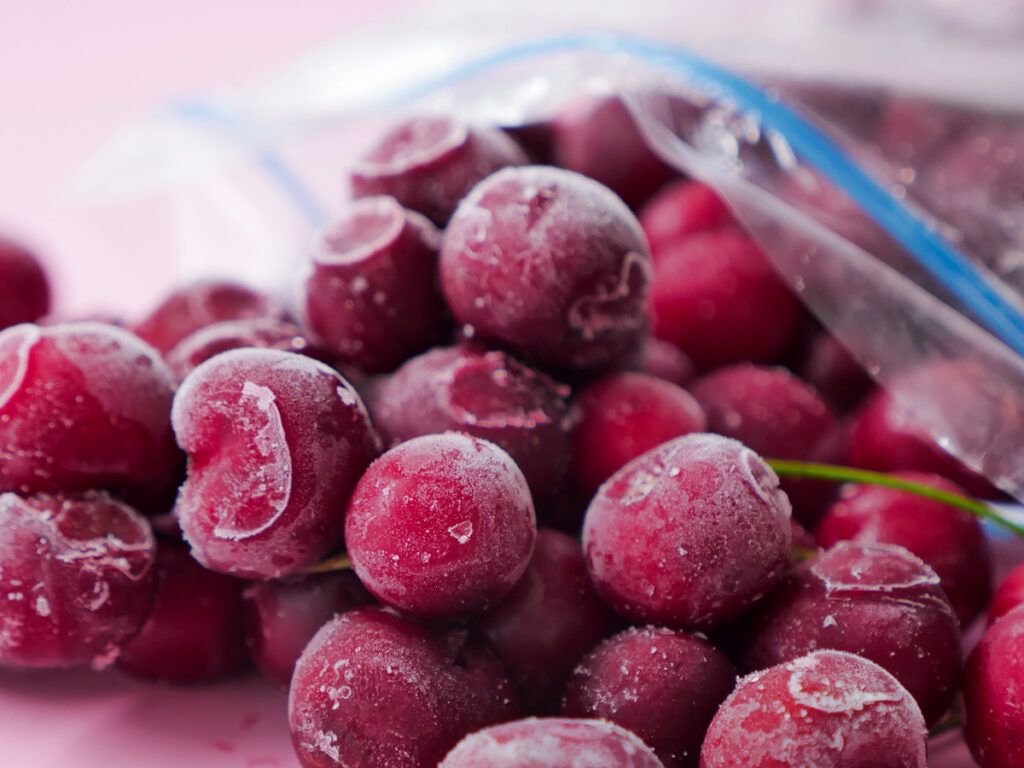
If your food souvenir needs to stay refrigerated, freeze the item completely solid at least 48 hours before your flight to extend its safe travel window, and pack it safely inside an insulated bag in your carry-on or personal item for quick inspection.
PackIt sells freezable lunch coolers with built-in ice packs for extra temperature control; using a bag like this instead of loose ice packs will prevent melting inside your luggage. Certain items such as baked goods, specialty cheeses, and butter are best frozen before the journey, but you risk a mess if you freeze liquids — particularly on longer flights.
Use Soft Padding and Shoes
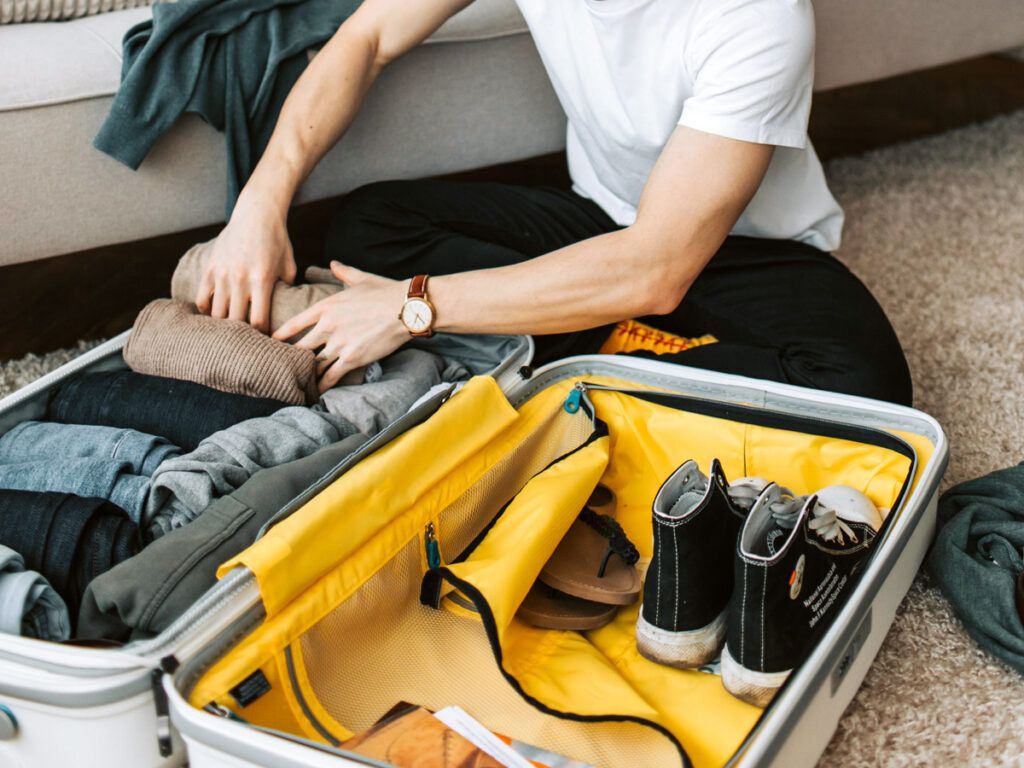
Shoes are a great way to shield loose food items from being knocked around during the journey, and they’re already in your luggage. Place food items in the soles for added protection. Wrapping containers in wool socks, sweaters, or hoodies will also help cushion food souvenirs, but it’s even better if you wrap them and use a small cardboard box or a tin. Snacks that can be crushed easily, such as chip bags or cookies, should be packed in your carry-on or personal item and stored safely on top of other items.
Use Specialty Wine Protectors
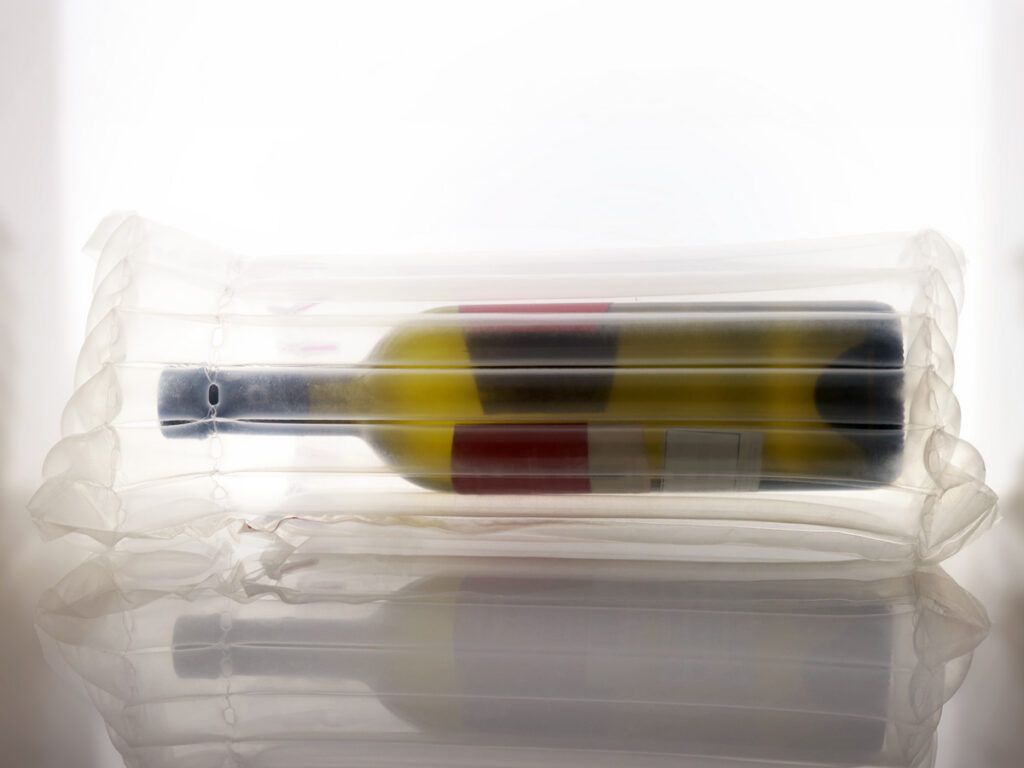
Since wine is such a popular item to bring home, there are more packing methods available than ever before. Passengers who want to travel with their preferred vino can purchase specialized TSA-approved, foam-lined wine sleeves (like these ones from VinniBag) or a dedicated FlyWithWine travel suitcase if you really want to commit.
Verify Customs Requirements
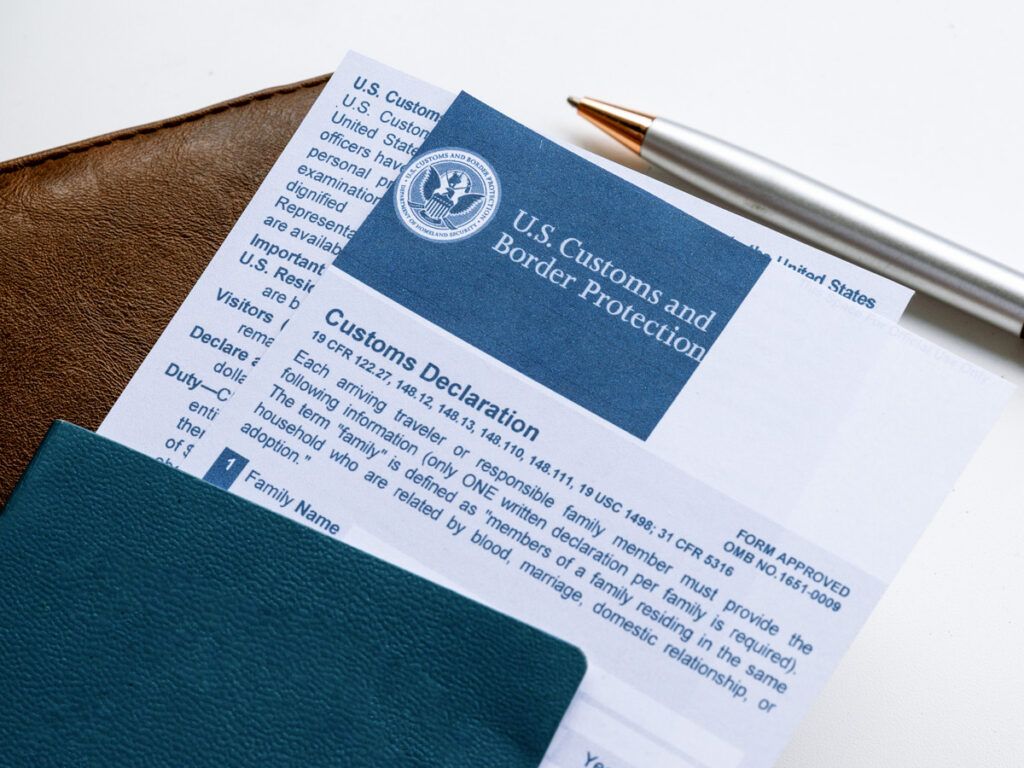
Lastly, be sure to check restrictions for your destination country to avoid having fresh meats, produce, seeds, or unpasteurized dairy confiscated at border control. This includes layover cities. When in doubt, just leave it out — no food souvenir is worth missing your flight home.
Featured image credit: © Roberta Sant’Anna/Unsplash.com
More from our network
Daily Passport is part of Inbox Studio, an email-first media company. *Indicates a third-party property.