





The ‘Reservation Hijacking’ Scam Travelers Should Know About
The ‘Reservation Hijacking’ Scam Travelers Should Know About

According to the Federal Trade Commission, Americans reported losing a dizzying $3.5 billion to scams last year alone, which is up to 27% more than in the year prior. You’re likely familiar with the playbook by now: An unknown number calls or texts you, claims you owe money, and demands immediate action. One of the latest scams, however, is related to travel. It’s called reservation hijacking, and it’s something all travelers should be mindful of before they depart. Here’s how you might become a victim and what steps you can take to minimize risk.
What Is Reservation Hijacking?
Experts say the most dangerous scams aren’t the messages that sound off-putting, but rather the ones that you’re expecting. When you’re about to go on vacation, you likely receive plenty of emails and text alerts about your flight, hotel reservation, tour bookings, and more. With “reservation hijacking,” culprits know that you’re spending more money than usual, traveling to unfamiliar territory, and worrying about everything going according to plan.
Travel scammers take advantage of the fact that you’re expecting to hear from your airline or hotel and pose as these companies in order to get information you wouldn’t otherwise divulge.
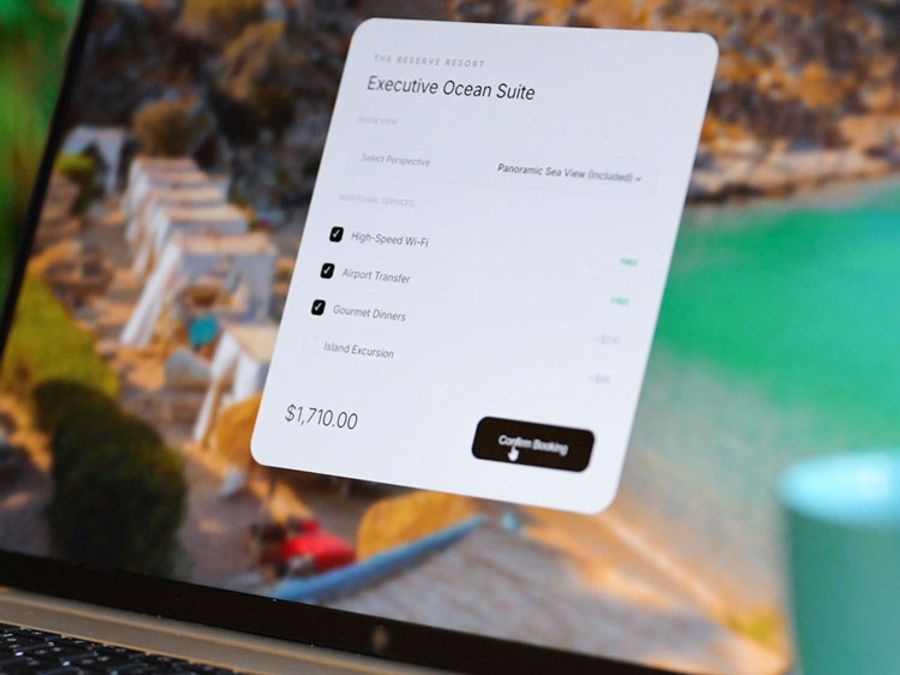
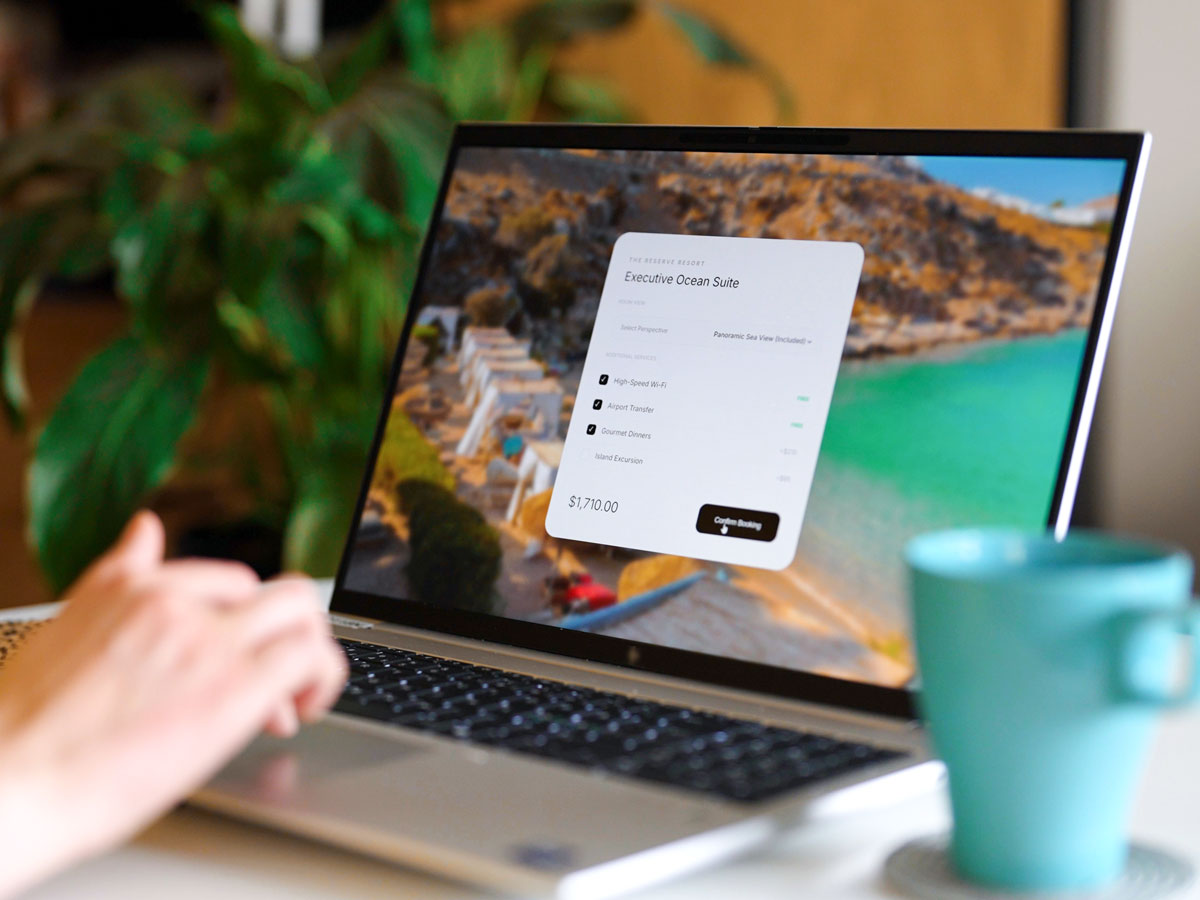
First, they phish hospitality platforms to get login credentials to access real guest itineraries. Once they obtain your booking information, they draft a message indicating something went wrong, such as a missed flight or a failed payment, and offer a quick solution with a link for new payment. Keep in mind that any payments made through unsecure or unsolicited links expose your sensitive data, credit card numbers, or bank account credentials. And once you fall for the scam, the likelihood of getting your money back is slim.
Common Ways Your Data Is Comprised
Reservation hijackers use a myriad of ways to compel you to provide sensitive information. Here are just a few of the methods they might try:
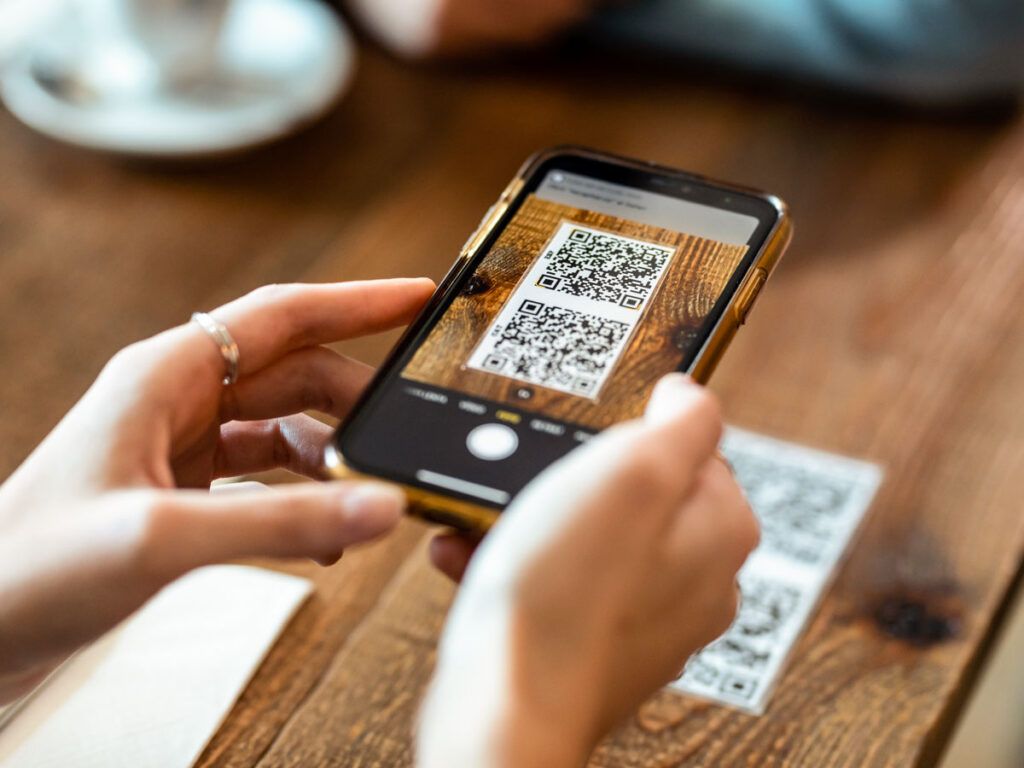
QR codes: During the COVID-19 pandemic, QR codes began popping up everywhere as a contactless way to place an order, read a menu, or find out more information about a business using your smartphone’s camera feature. Although convenient, the codes have become an easy way for scammers to navigate your attention elsewhere. A compromised QR code often looks convincing enough, and victims may not even realize they’re accessing the wrong webpage.
Text alerts: If you get a notice that your flight was canceled or delayed and you receive a text offering you help to rebook, double-check the flight details directly on the airline’s official app or website. It could be that the message was not sent from your airline, particularly if you don’t remember signing up for text alerts when booking.
Public Wi-Fi: Connecting to a public Wi-Fi network may be handy at the airport or a train station, but it’s a cybersecurity risk you should think twice about when on vacation. Scammers may set up a network with a similar name to the one you’re actually looking for, giving them direct access to your system or devices. The safer option is to use public Wi-Fi networks only for brief searches and avoid sites or applications with sensitive personal information, such as your email or bank account. And be suspicious of public networks that don’t require a password or login screen to access.
Payment failure emails: Emails that appear to be from your hotel, airline, or other travel operator asking to process or verify payment arguably pose the biggest threat. If you believe you will lose your reservation or are at risk of a cancellation, you’ll likely be inclined to send the payment again. Scammers are hoping you’ll take the bait. Don’t fall for it.
Ways To Prevent This From Happening to You
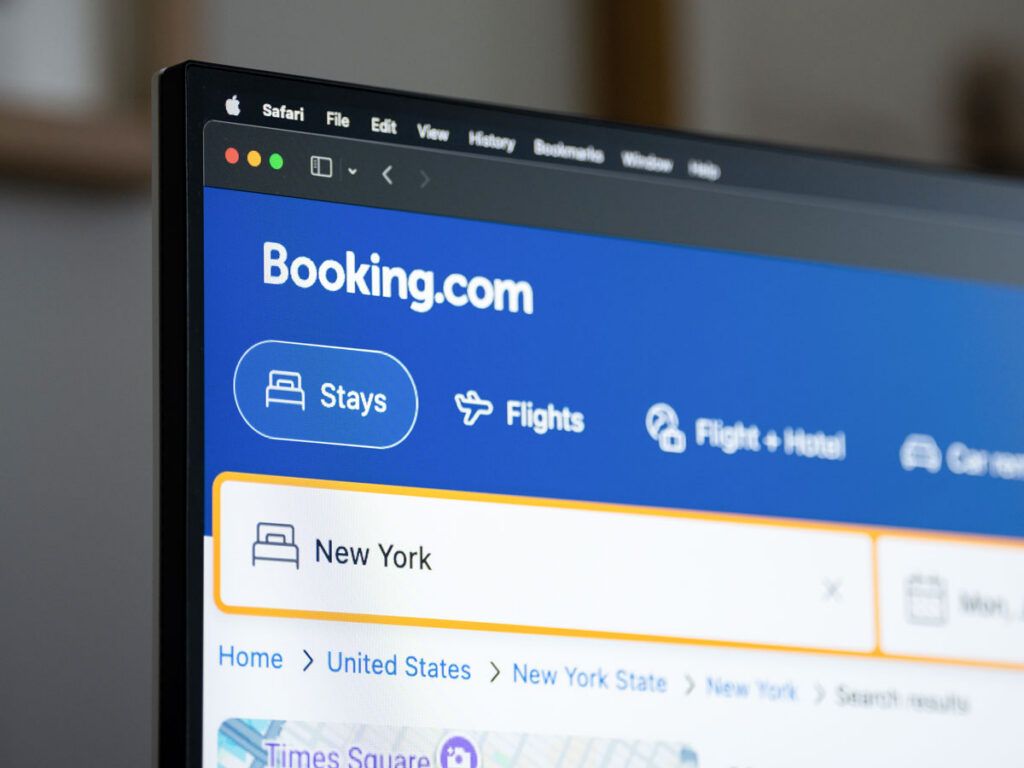
Verify private information with the business directly: If you need to rebook a canceled or delayed flight, or have questions about your hotel payment, contact the airline or third-party booking system you used directly. Instead of clicking on links sent to you via email or text, use the main website of the company to locate its official contact information, such as a phone number or secure messaging system.
Don’t post travel details on social media: Although it might be tempting to post a picture of your boarding pass or hotel reservation on social media, you’ll be more at risk after sharing private travel details. Any documentation with a confirmation code, flight departure time, or other itinerary information makes a scammer’s job much easier.
Use secure booking platforms: When making travel plans, it’s best to stick to official websites or well-known platforms rather than a site no one has heard of that may be offering a discount. An easy way to tell if the site you’re visiting is secure is to check for a valid URL lock symbol, which means the website uses an encrypted HTTPS connection via an SSL/TLS certificate. Additionally, be sure to avoid unverified platforms that ask for direct bank transfers.
Clean your device: Before your departure, you should back up your devices in the event that they get stolen or lost — but for another purpose as well. By updating your operating system, apps, and antivirus software before you depart, you add a layer of protection against hackers. Backing up your travel documents, such as a copy of a boarding pass or scanned passport, to a secure drive is also a good idea.
Lock down accounts: You should change your passwords frequently even when you’re not traveling, but if there’s an option to enable multifactor authentication (MFA), you’ll be safer when navigating your airline, hotel, and credit card accounts. Experts recommend using a strong, unique passphrase or a password manager.
Featured image credit: © M-Production/stock.adobe.com
More from our network
Daily Passport is part of Inbox Studio, an email-first media company. *Indicates a third-party property.