






Why the TSA Might Open Your Bag After You Check It
Why the TSA Might Open Your Bag After You Check It
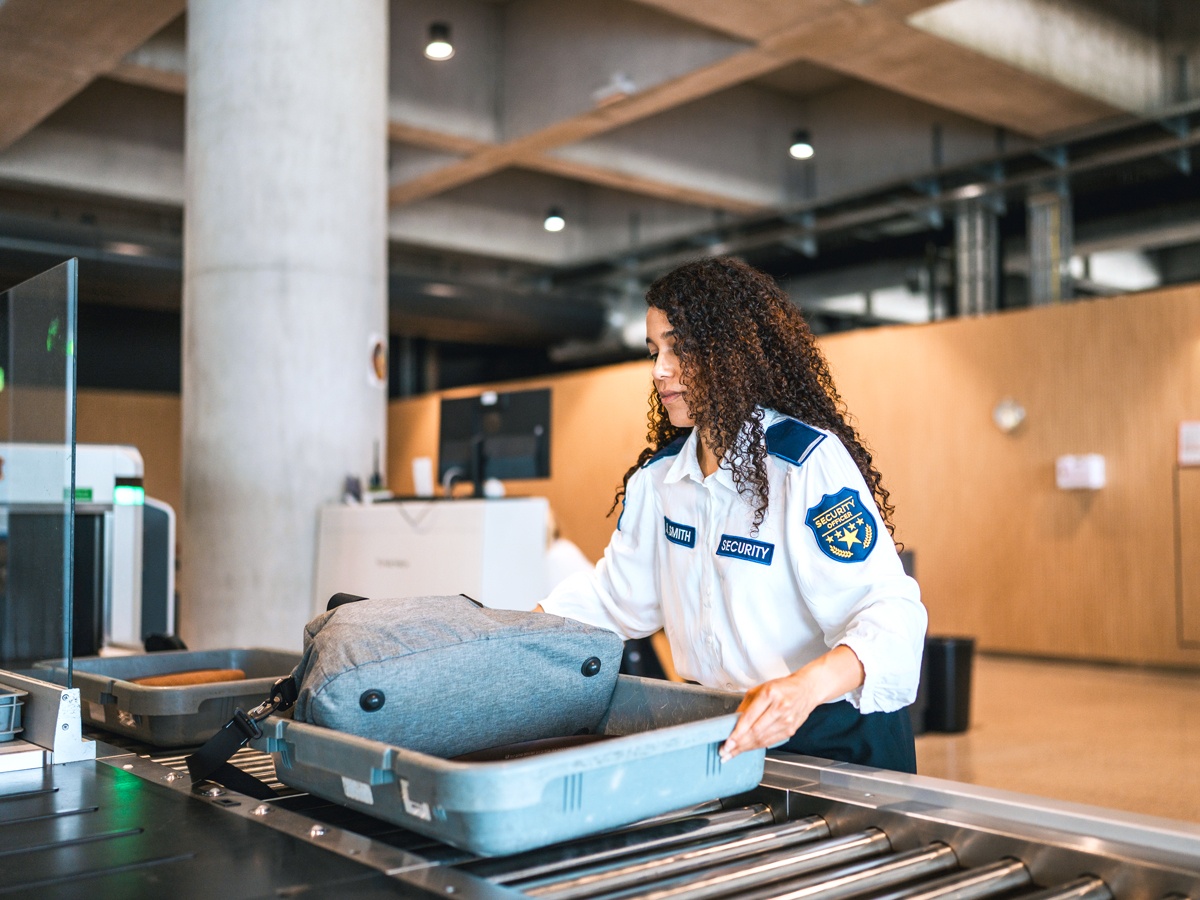

TSA officers screen approximately 1.3 million checked bags each day. While the majority of the luggage is X-rayed and cleared without issue, there are instances where something suspicious raises concern and a physical inspection is required. Here’s a look at what causes the TSA to open up a checked bag, and what it may mean for your next trip.
Concerns That Warrant a Physical Inspection
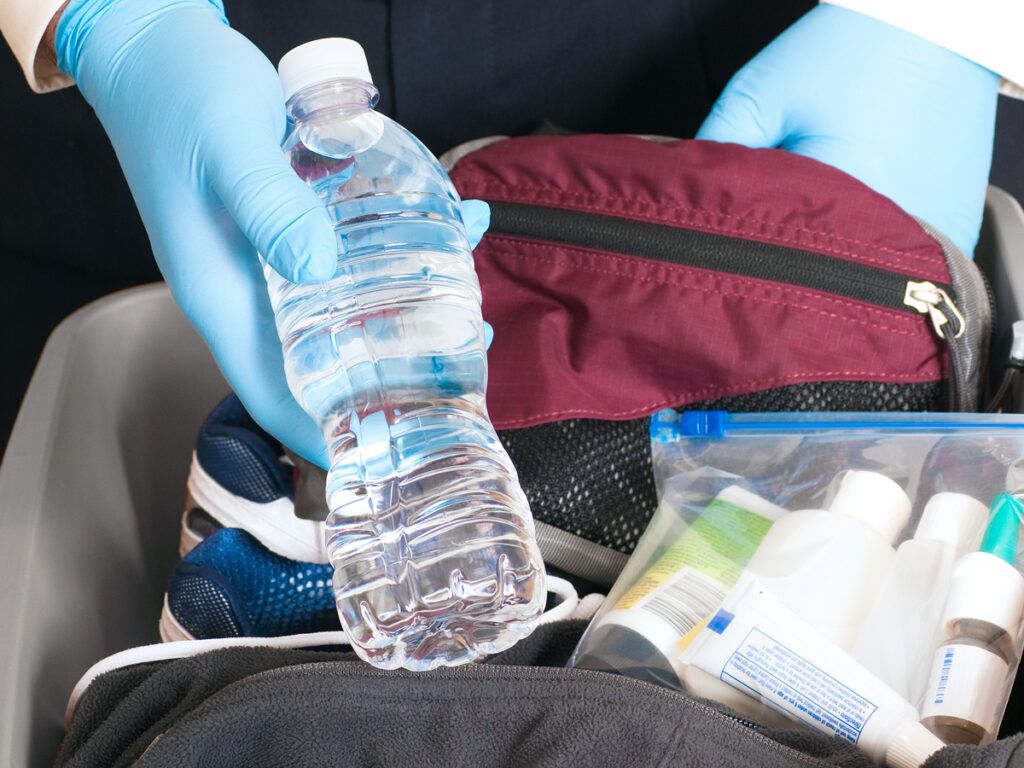
The most common reason why the TSA may open up checked luggage is the presence of any prohibited items. This includes explosives, flammable liquids, weapons, external batteries, and an array of other potentially hazardous items. If any of these prohibited items are detected, they’ll likely trigger a physical inspection and be confiscated. In more serious cases, this may also result in fines or the arrest of the traveler.
Another scenario that might trigger a physical inspection is a densely packed suitcase. Anyone who’s guilty of overpacking can attest to how tempting it is to try to cram their entire wardrobe and two weeks’ worth of travel souvenirs into their luggage. But doing so can lead to dark, dense images appearing on the X-ray scan. This, in turn, can impede TSA officers from being able to see everything inside your luggage, so they might open up the bag to inspect its contents and confirm nothing is awry.
Foods and liquids are another common cause for physical inspection. While typically allowed in a checked suitcase, dense foods such as blocks of cheese, peanut butter, and protein powders can be difficult to discern from the X-ray alone, so officers may open the bag to inspect them.
What To Expect
If your luggage is examined behind the scenes, the agent will place a notice of inspection inside the bag. This courtesy notice helps explain why the contents of your bag might look more disorganized than you remember when you packed it. The slip also may explain any missing items that have been confiscated. (However, if you notice something missing and there’s no notice of inspection to be found, it could mean someone gained unauthorized access to your luggage — more on that below.)
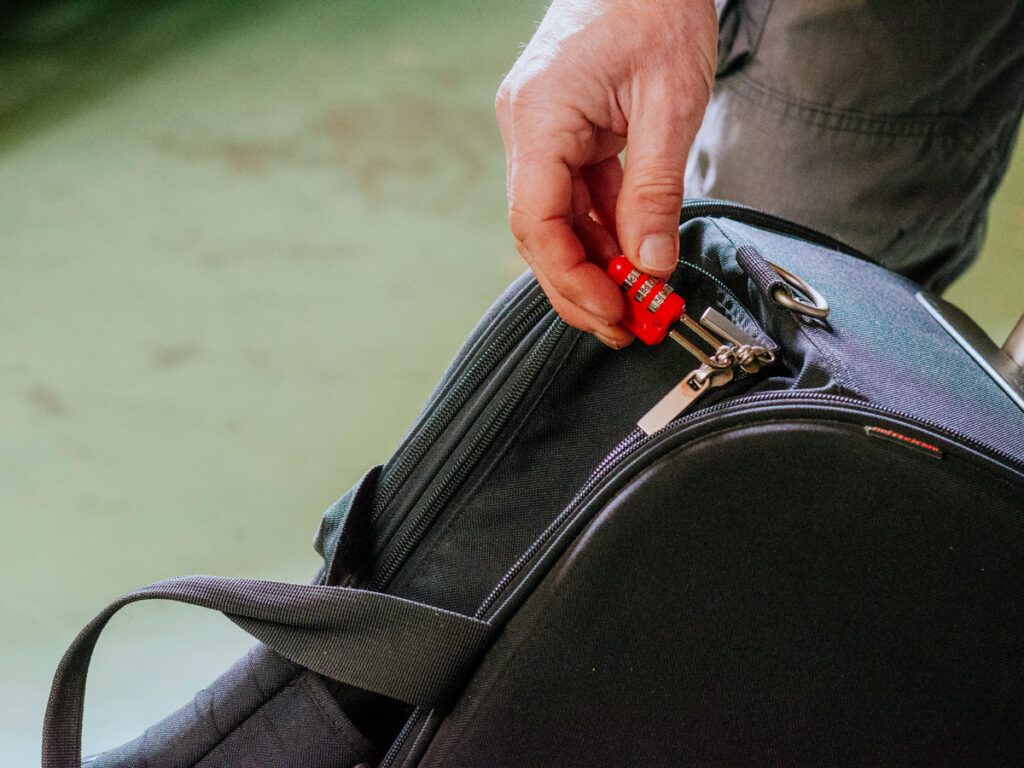
It’s worth noting that the TSA has a right to unlock your luggage, which is why you should always travel with TSA-approved locks. If an officer can’t open up the locks, the agency is within its rights to break them so the officer can inspect the bag’s contents. As stated on the notice of inspection, the TSA is not liable for damage to your locks.
That said, if you think your property or luggage was damaged during the physical inspection, or if you notice any items are missing, you can file a claim with the TSA for potential compensation. Any questions about physical searches can be directed to the TSA’s contact center at (866) 289-9673 or (571) 227-2900, or via email at [email protected].
Tips To Prevent Physical Searches
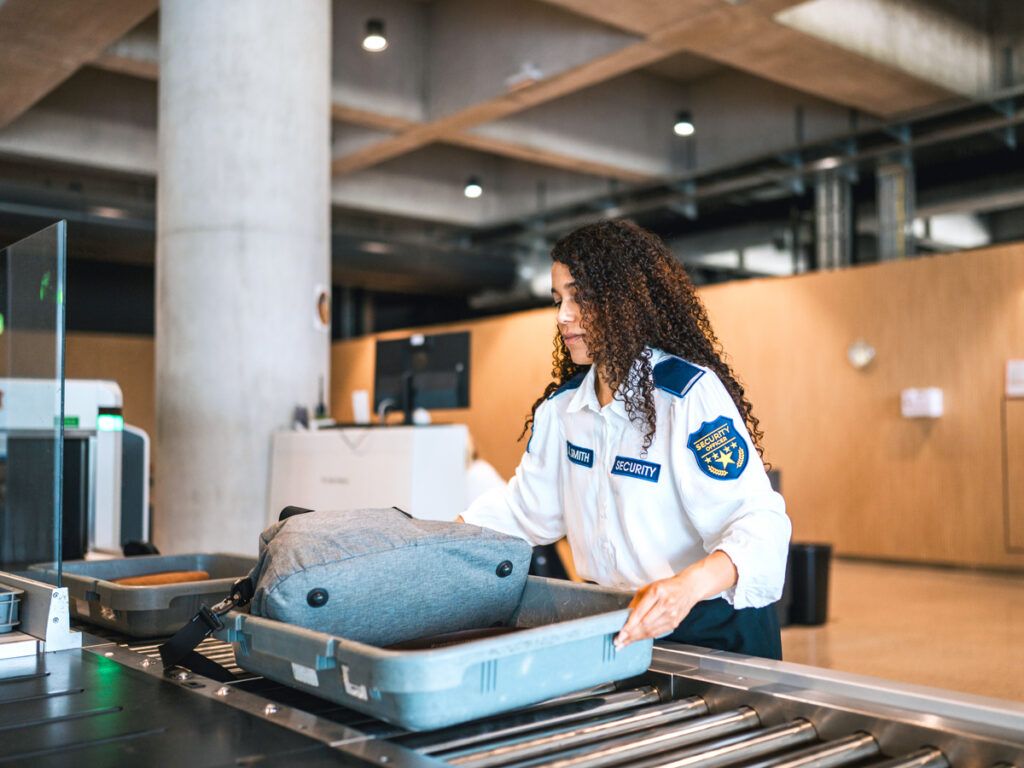
While you can’t outright prevent physical inspections, there are several ways to reduce the likelihood of one occurring. The first — and most obvious — tip is to never pack anything prohibited. For any questions about what’s allowed, consult the TSA’s “What Can I Bring?” webpage. You’ll be able to find an extensive list with clear information about items that are allowed in checked bags, as well as objects that you should pack in your carry-on instead, or items that are prohibited in all forms of luggage.
Additionally, try not to overpack your suitcase, especially with items made of natural materials that may create dense X-rays and trigger an inspection. This can include books, foods, medications, and wrapped presents, to name a few examples. If possible (and permitted), pack these items in your carry-on so you can easily remove them and show them to a TSA officer if necessary.
More from our network
Daily Passport is part of Inbox Studio, an email-first media company. *Indicates a third-party property.