





These Popular Destinations Have Added New Tourist Fines
Overtourism is a growing concern across the globe, but nowhere is the issue more evident than in Europe. A number of European destinations that receive millions of visitors every year have grown impatient with tourists of late, as the influx of visitors can not only drive up local costs, such as housing, but also lead to noisy and unruly behavior. Aside from being a nuisance to locals, irresponsible tourism can pose safety risks and damage the old cobblestone streets and historic monuments that make these destinations so appealing to visit in the first place. As a result, a growing number of popular European destinations are implementing new fines to curb the negative effects of tourism. Here’s what to watch out for on your next trip.
Attenzione in Italy
Italy has had as much trouble with overtourism as anywhere — if not more. Cities like Venice have implemented new tourist taxes and day-visit fees to discourage crowding in the historic center, along with new fines. For instance, you’ll want to avoid swimming in the city’s historic canals, which could lead to a 450-euro fine and expulsion from the city for 48 hours.
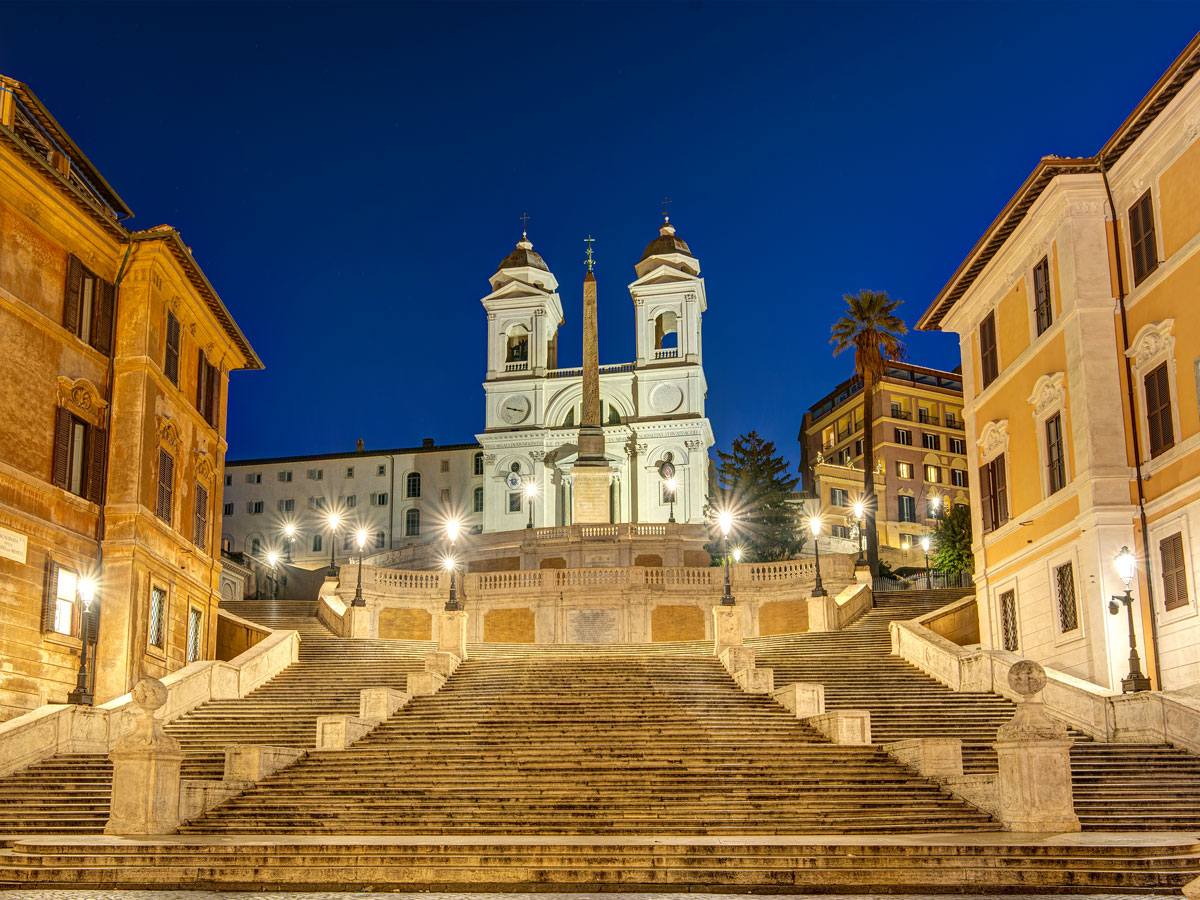
In recent years, Rome, too, has increased regulations around its countless historical monuments. Now, sitting, lounging, eating, loitering, or rolling your suitcase on or near the Spanish Steps can get you stopped by local authorities and result in a 250-euro fine because of potential damage to the monument.
You can also expect to be fined anywhere from 25 euros to 500 euros ($29 to $590) in Portofino if you linger in public spaces with your baggage, picnic equipment, or loudspeakers. And in 2023, for safety reasons, the city instituted a ban on tourists stopping at and clogging popular viewpoints in designated no-waiting zones (or risk a 275-euro fine).
Be on Your Best Behavior in the Balearic Islands
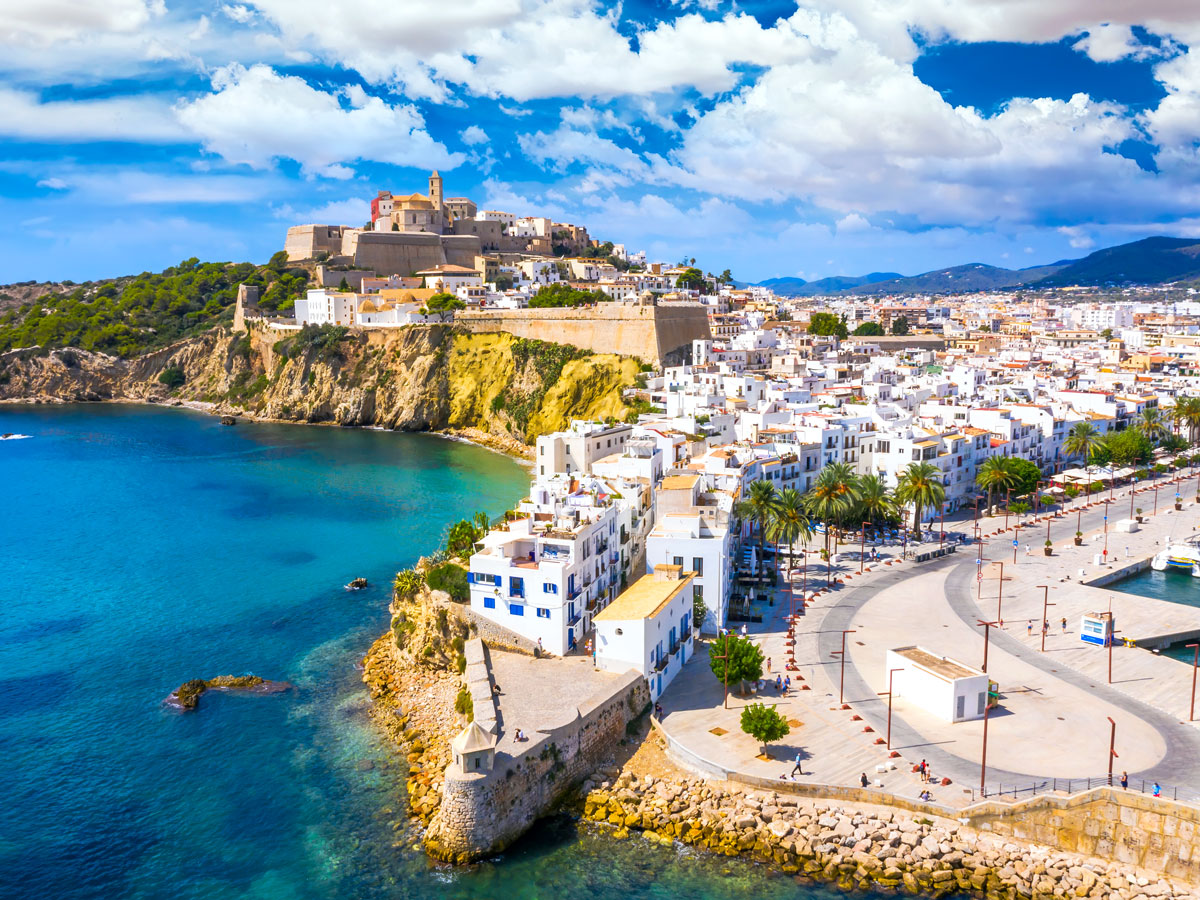
Though famous party islands like Ibiza and Mallorca may seem like the ideal place to drink in public, the Spanish government would really prefer that you didn’t. As part of a crackdown on “excessive tourism,” visitors who drink on the street in those sought-after destinations can face up to 3,000 euros ($3,533) in fines.
“The rules, while they might sound rigid and punitive when listed out, are all about encouraging responsible and empathetic traveling,” Jessica Harvey Taylor, head of press at the Spanish Tourism Office in London, told the BBC. “They are designed to protect the holiday experiences of the vast majority of people who behave responsibly on holiday.” Other popular cities, such as Dubrovnik, Croatia, are also following suit with hefty fines (up to 700 euros) for public drinking.
Cover Up in Cannes
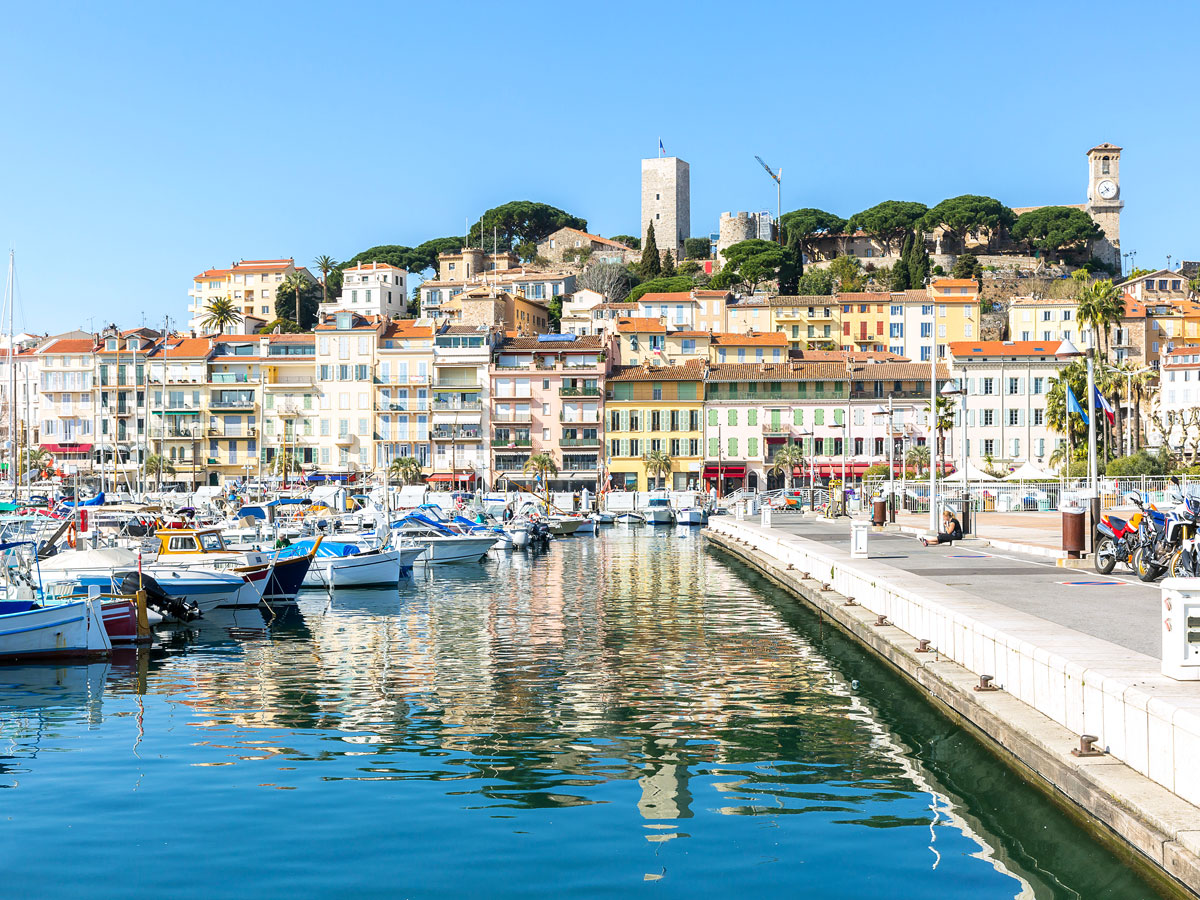
Another regulation in several cities is clear in its intent: Swimwear belongs on the beach, not in the city proper. Cities including Cannes, France; Venice, Italy; Barcelona, Spain; Split, Croatia; Sorrento, Italy; and Albufeira, Portugal, have instituted fines of up to 1,500 euros ($1,766) against tourists who aren’t dressed appropriately once they’ve stepped away from the beach. In Albufeira in particular, this is part of a larger code of conduct that’s meant to curb public nudity, drinking in the street, sleeping overnight in public areas, and other acts deemed against the spirit of the city.
The fines also extend to footwear — if you’re renting a car in countries such as France, Greece, Portugal, or Spain, make sure you leave the sandals in your beach bag, as you could face a fine for driving in flip-flops.
Elsewhere in Europe
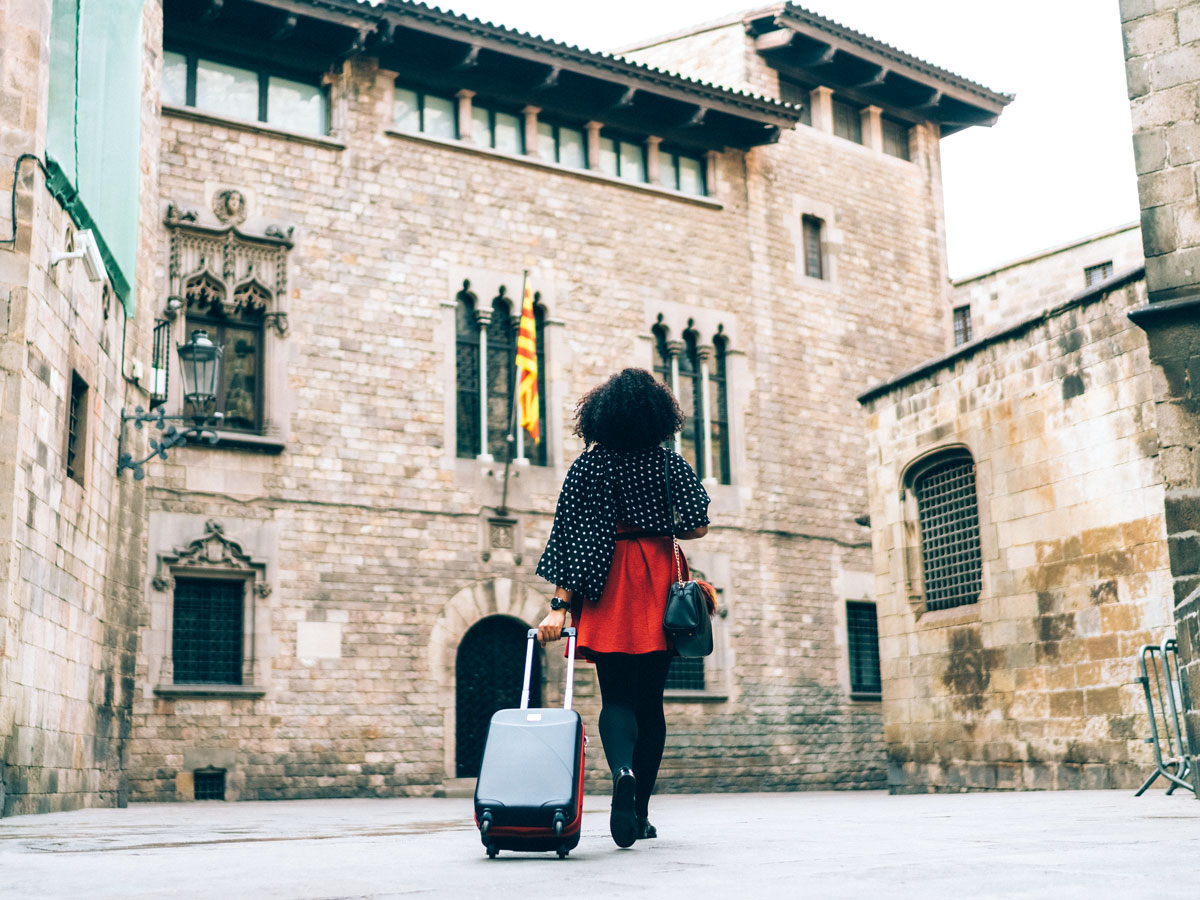
Barcelona’s siesta-loving government has instituted a 500-euro fine for violating the quiet hours between 11 p.m. and 7 a.m. — one of a number of popular cities that are taking a stand against late-night drunken revelry and other noisy behavior. Other cities like Amsterdam and Prague have banned loudspeakers, bar crawls, and beer bikes, which can clog up traffic and damage old streets.
More from our network
Daily Passport is part of Inbox Studio, an email-first media company. *Indicates a third-party property.