5 Destinations That Experience 24-Hour Darkness in Winter
We all know that the days are shorter in winter and longer in summer, but go far enough north and you’ll experience a phenomenon called the polar night or the midnight sun. During late spring and summer, if you’re near the Arctic and Antarctic circles, you’ll experience at least one day with 24 full hours of sunlight. During winter, it swings in the opposite direction, with polar night plunging the North Pole and settlements near the Arctic Circle into darkness, as the sun never fully rises. Whether you prefer a never-ending day or an (extra) long and cozy night, here are five interesting places to visit and what to do while you’re there.
Sweden
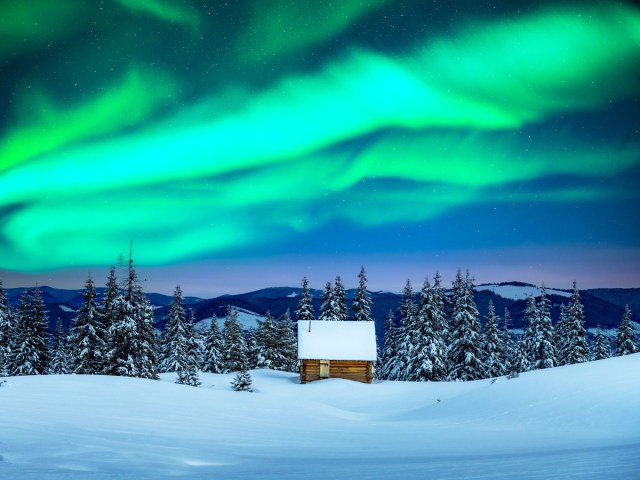
Located within the Arctic Circle, Swedish Lapland experiences polar night from late November through late January. During the depths of Arctic winter, at most you’ll see a faint glow on the horizon for a few hours during midday. But the dark conditions make for excellent viewing opportunities for the northern lights, Mother Nature’s most dazzling night spectacle. The unique ICEHOTEL in Jukkasjärvi offers prime viewing spots and winter activities like dog sledding, snowmobiling, and a chance to stay in a room made of ice. (Don’t worry: Regular rooms are available, too.)
Enjoy longer days instead? In Lapland, midnight sun occurs between late May and mid-July. And as the northernmost town in Sweden, Kiruna is an ideal home base for exploration when the phenomenon is at its peak. While you’re there, you can also check out the wildflowers at Abisko National Park, go kayaking on a wild river, or learn about the Indigenous Sámi peoples on a reindeer tour. Adventurous travelers will be drawn to the region’s most famous hiking trail, Kungsleden (King’s Trail), which traverses through four national parks for nearly 300 miles, while festive folks can attend a midsummer celebration in Kukkolaforsen or Jokkmokk.
Finland
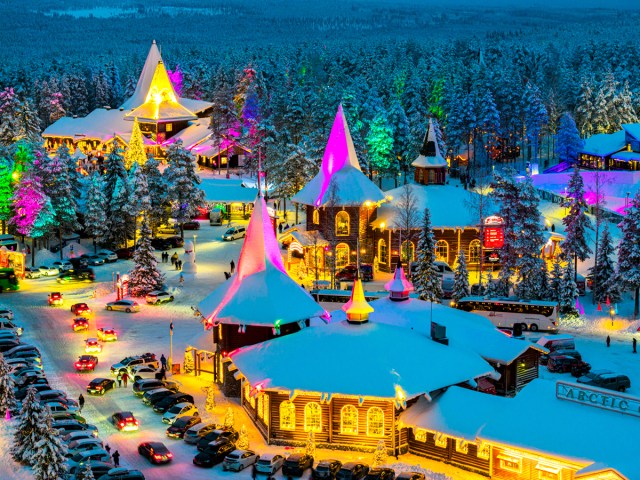
The northernmost region of neighboring Finland is also called Lapland. Like in Sweden, the region experiences polar night from late November until January, with locals integrating the darkness into their way of life. They call it Kaamos, which roughly translates to “blue moment,” and the sun hovers just above the horizon during this time, creating the effect of an everlasting twilight. Head to the town of Rovaniemi to go on a husky safari, visit Santa Claus’ Village, or snowshoe through the Arctic wilderness (the most traditional way to travel).
No visit to Finland is complete without partaking in Finnish sauna culture, an intense sweat that is often accompanied by an equally intense cold plunge into a lake. Since this tradition is enjoyed by locals year-round, regardless of the season or amount of light, you can experience it even if you visit in high summer when the sun never fully sets in Finnish Lapland.
Norway
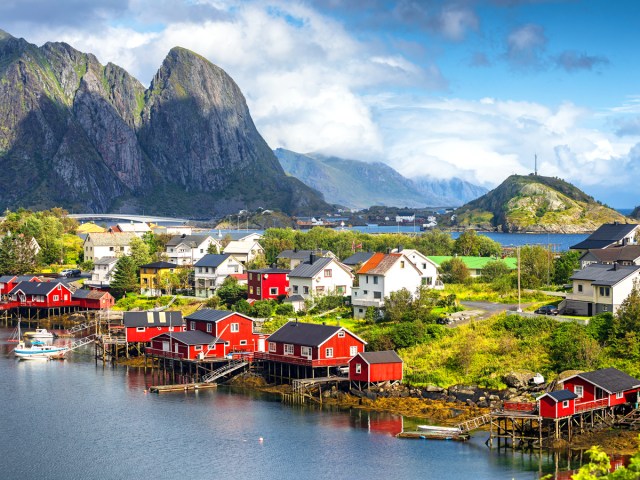
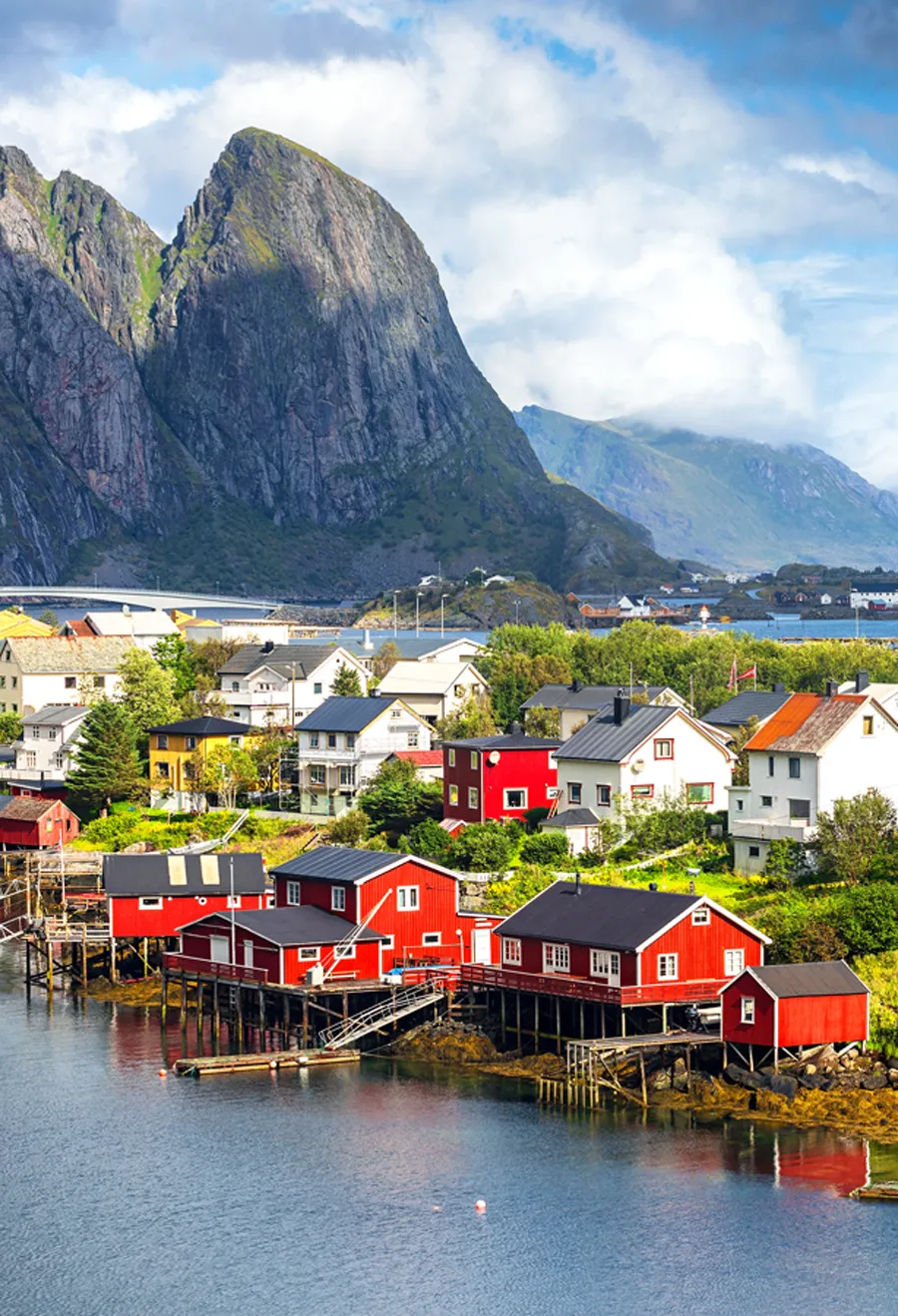
In summer, regions of Norway (aka the “Land of the Midnight Sun”) like Tromsø and the Lofoten Islands are far enough north that the sun remains high around the clock — which gives visitors extra time to explore the region. Between the hours of midnight and 4 a.m., it’s still possible to hike Reinebringen, kayak or cruise through islands, or even walk on Arctic beaches while spotting sea eagles.
In winter, the island of Svalbard experiences a dramatic polar night, where total darkness lasts from around November 14 to January 29. Bundle up for wintertime adventures such as guided trips into an ice cave, snowmobile tours, and the PolarJazz Festival in early February.
Alaska
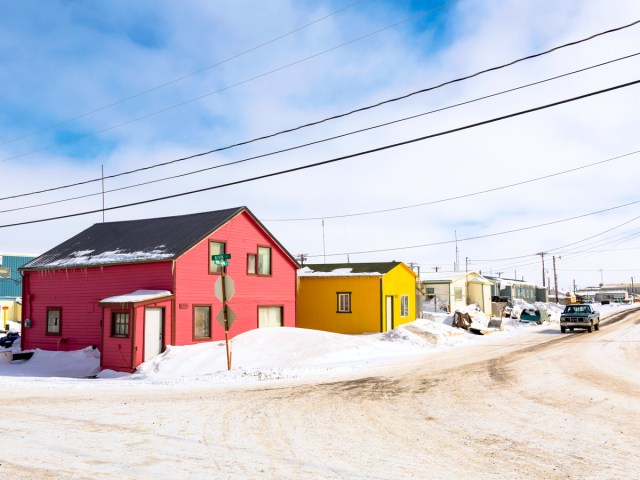
As the only state in the U.S. with part of its territory within the Arctic Circle, Alaska is your closest opportunity to experience polar night in winter and midnight sun during summer. In Utqiaġvik (formerly known as Barrow), the northernmost community in the U.S., you’ll get 24 hours of daylight from May to August and 24 hours of darkness from November to January. The most famous landmark in the “Gateway to the Arctic” is the Whale Bone Arch, constructed from the jawbone of a whale and created to reflect the area’s whaling history.
Unsurprisingly, the region is also excellent for whale watching, with bowhead and beluga whales arriving every spring. On land, foxes, caribou, and even polar bears roam the tundra, with guided tours available after the spring thaw. Don’t miss the Iñupiat Heritage Center, which provides an in-depth look into the community’s history, people, and culture.
Iceland
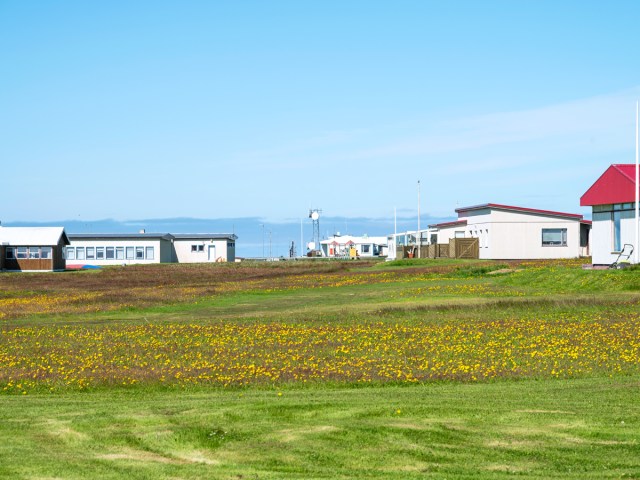
Only a small part of Iceland is located within the Arctic Circle (Grímsey Island in the far north), but the summer sun still remains visible past midnight, especially in the island country’s northern regions. The sun is highest, longest, and strongest around the summer solstice, which is the perfect time to road trip through the Diamond Circle — a 155-mile circuit through the Northern Volcanic Rift Zone. During the summer months you can also spot puffins along the Latrabjar cliffs or hike to waterfalls in the evening hours.
Meanwhile, Iceland’s long and cold winter nights offer only a few hours of daylight, during which you can witness the northern lights, explore ice caves near Vatnajökull, and soak in famous hot springs such as the Blue Lagoon. And if you visit in December, don’t miss the Christmas markets in Reykjavík, which elevate the coziness of the dark season.
More from our network
Daily Passport is part of Inbox Studio, an email-first media company. *Indicates a third-party property.