

5 Places Known for Unique Weather Patterns
In certain corners of the world, the weather doesn’t just roll in — it makes a name for itself. These are places where winds carry reputations and fog has earned an affectionate nickname. Their recurring weather conditions influence everything from city landmarks to daily routines, travel experiences, and wildlife evolution. From California’s famous gusts to a Vietnamese cave with its own microclimate, here are five places with unique weather patterns.
Le Mistral – Provence, France
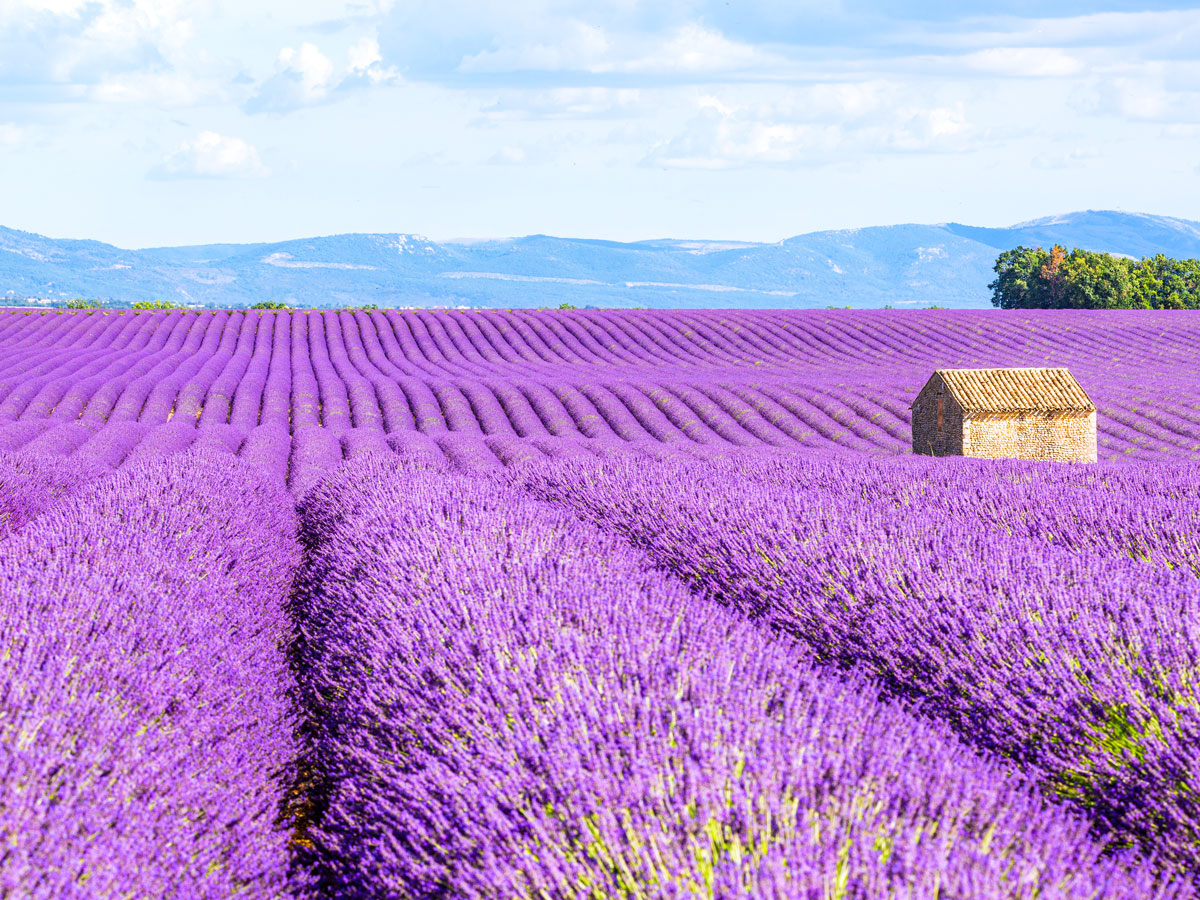
According to local folklore, the Provence region in southeastern France has 32 different winds, each blowing in a different direction. The most famous is Le Mistral (meaning “masterly”), a fierce, cold, northerly weather pattern traveling from the Rhone Valley south to the Gulf of Lion on the Mediterranean Sea. Mistral winds are typically strongest in winter and can last for several days, reaching speeds up to 80 mph.
One positive benefit of Le Mistral is its ability to boost the scenery and agriculture of Provence. The winds help the grapevines of the Côtes de Provence wineries and lavender fields flourish by drying out the vines and soil and preventing rot, mold, and disease. Adrenaline seekers often head to Camargue, Hyères, or Martigues for top windsurfing and kitesurfing conditions during the Mistral winds. Just outside the region, La Palme hosts the annual Prince of Speed windsurfing championship every April.
Santa Ana Winds – Southern California
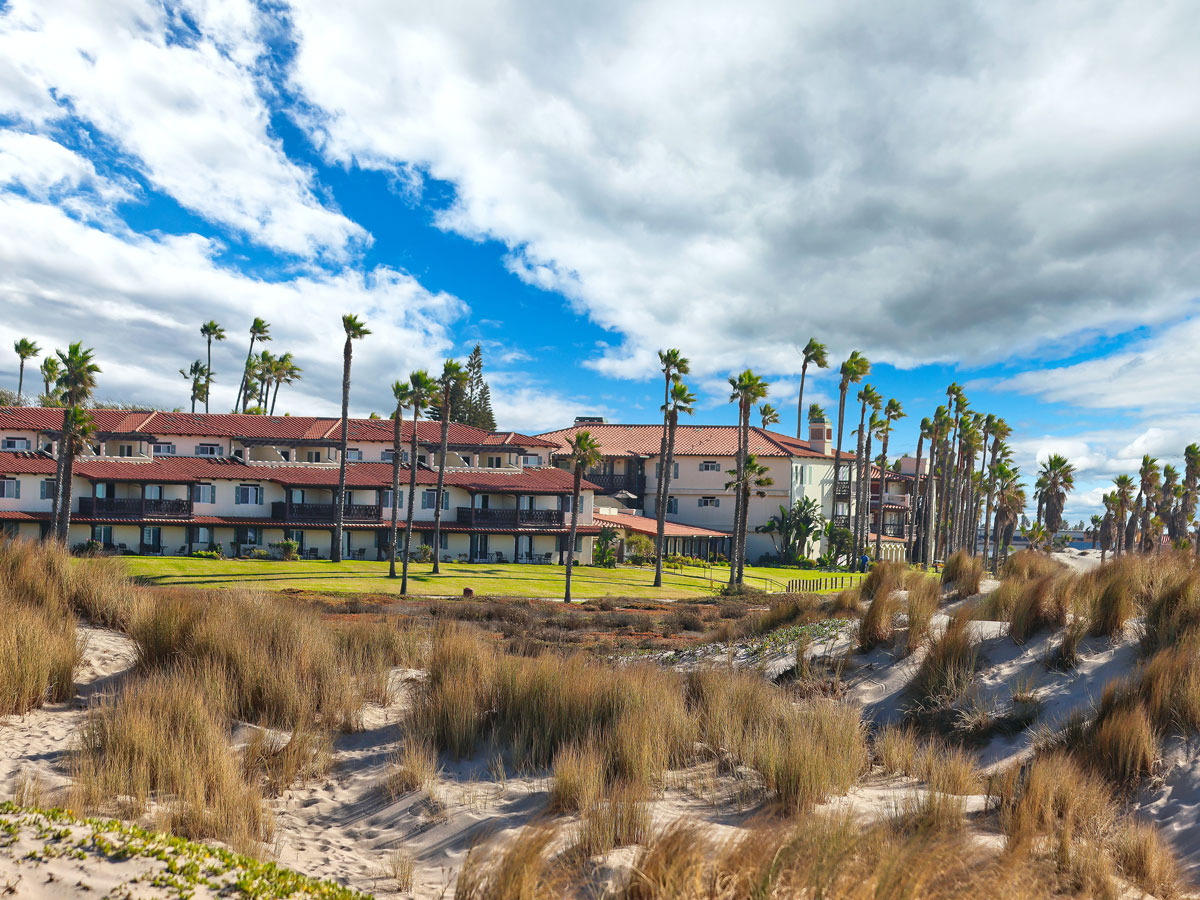
The Santa Ana winds are powerful, warm, dry gusts that funnel, often at hurricane-like speeds, out of inland deserts toward coastal Southern California. Typically occurring from October to March, Santa Anas develop when high pressure over the Great Basin forces air down via mountain passes and canyons. The winds then accelerate and become drier as they descend, often dropping humidity to single digits and fueling wildfires.
Several theories exist around the origin of the name. The most common belief is that they are named after the Santa Ana Canyon in Orange County, though others theorize the name comes from the Spanish word satana (“devil”) or former Mexican President Antonio Lopez de Santa Anna.While Santa Ana winds are often associated with fires, there are some positives. They dissipate the persistent coastal fog, making landmarks and coastlines fully visible, and bring warmer temperatures and big waves for surfers.
Chinook – Rocky Mountains
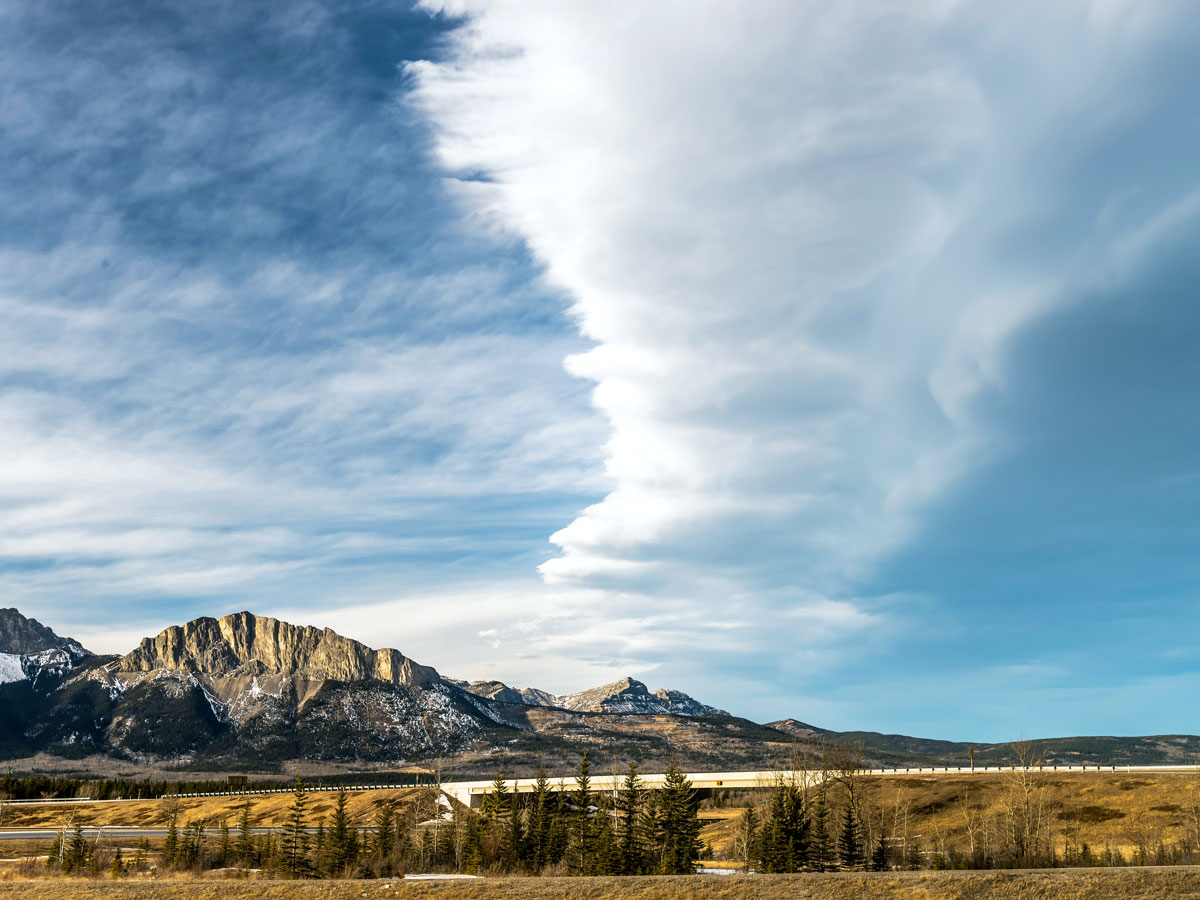
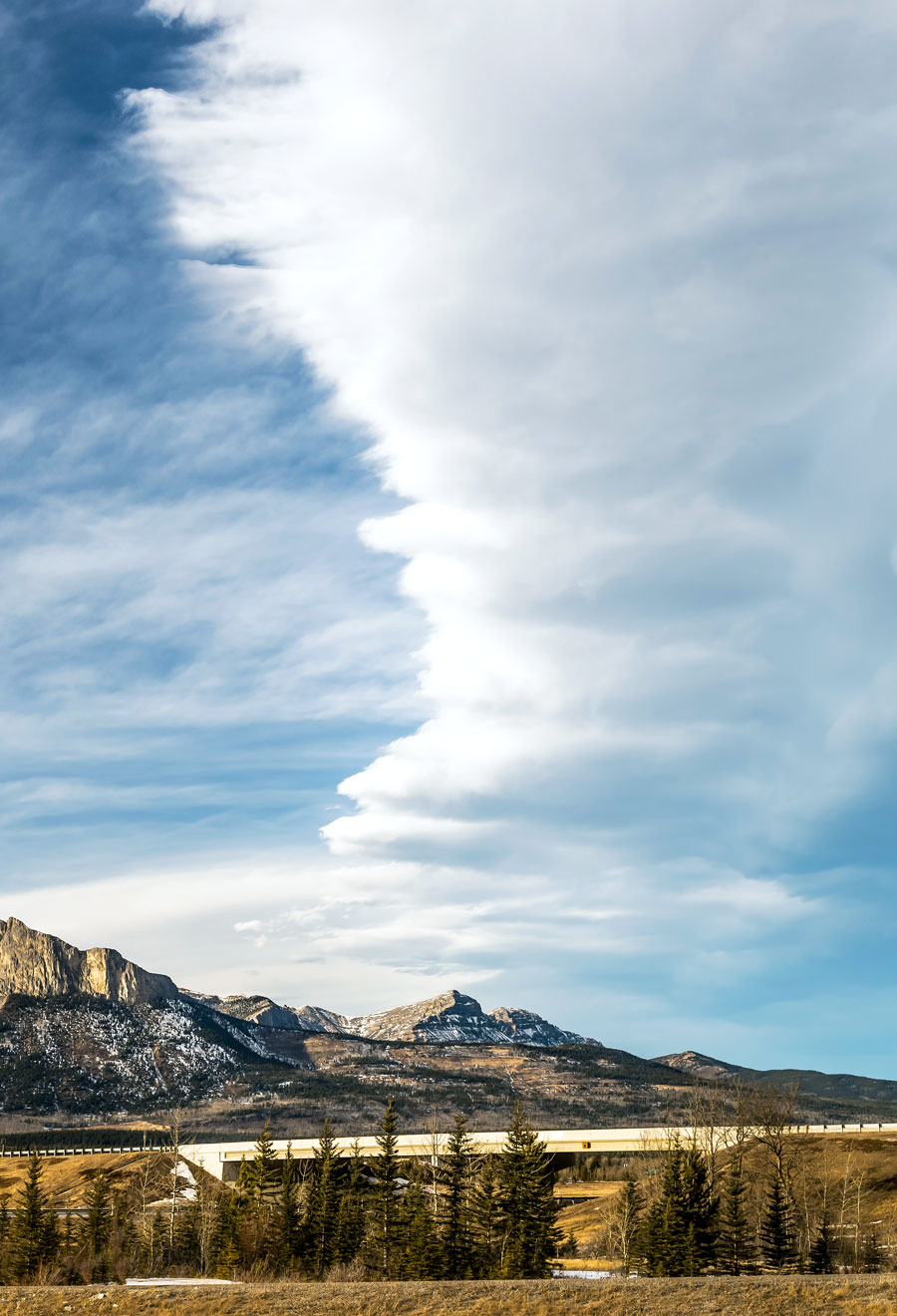
Similar to Santa Ana winds, a Chinook wind is a warm, dry wind that occurs in regions located east of the Rocky Mountains, typically around Colorado, Wyoming, Montana, and Alberta. These winter gusts can cause extreme temperature changes over short periods. In 1962, Pincher Creek, Alberta, saw a staggering 74-degree increase (-2 degrees Fahrenheit to 72 degrees) in just one hour.
Named after the Chinook Indigenous peoples, Chinooks form when moist Pacific air rises over the Rockies, then drops in moisture before warming and descending down the eastern slopes. Many Canadians call them “snow eaters” for their ability to induce rapid snowmelt across Alberta.
Karl the Fog – San Francisco, California
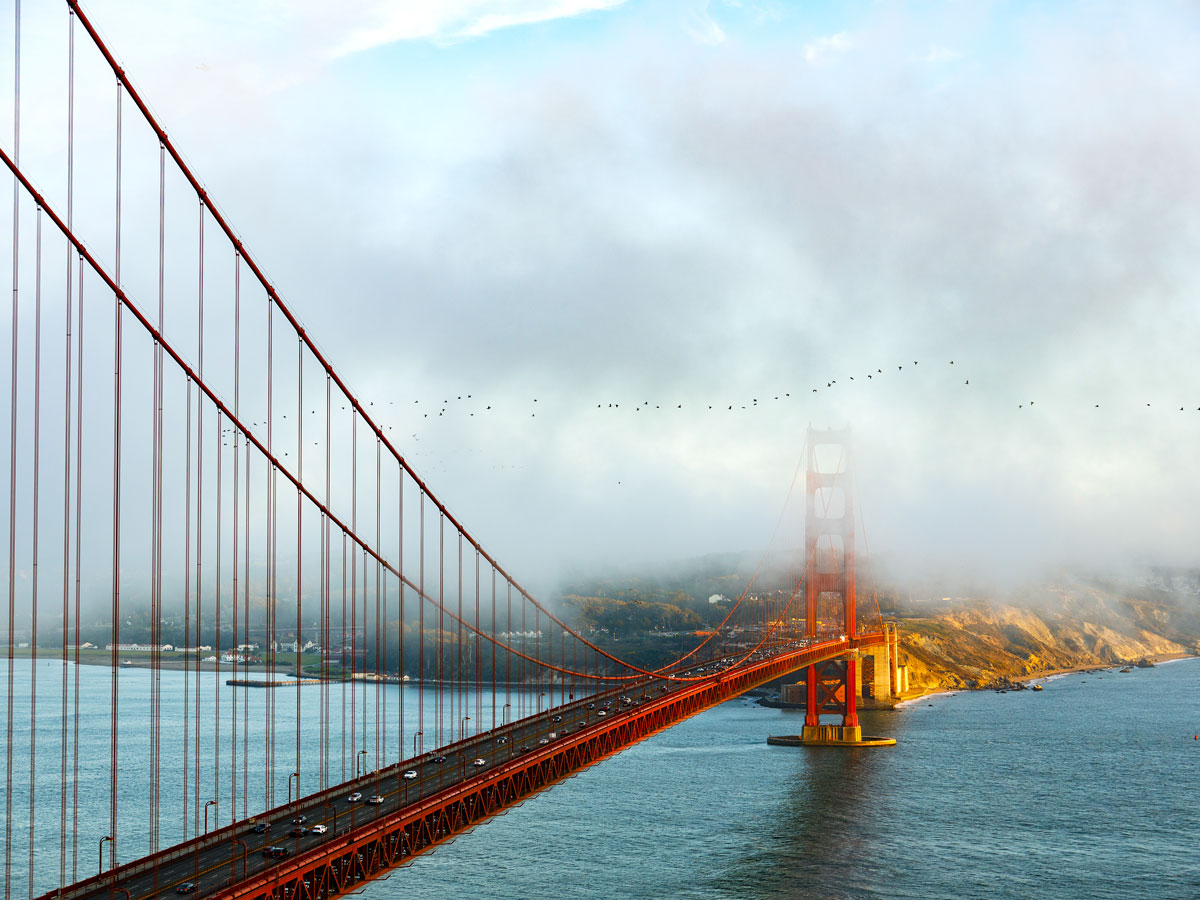
Karl the Fog is San Francisco’s famously quirky resident, despised by some and cherished by others. Karl is a personification of the dense marine fog that forms a blanket over the city’s coastal areas from late spring to early fall, thanks to cool Pacific air being pulled inland by warm heat. The fog forms quickly and unexpectedly, but it can also vanish within hours. Such is its notoriety that San Francisco residents turned it into part of the city’s identity by giving it its own name (a reference to the 2003 film Big Fish), website, and social media account.
When Karl rolls in, he often spills over the Golden Gate Bridge and swirls around Alcatraz Island, creating two of the city’s most iconic images. The bridge has two foghorns and beacons to aid in the safe passage of ships. When visiting the city, you can follow Karl’s path by walking from the white sands of Ocean Beach, through the Sunset District to hilly Twin Peaks. Here, a hilltop park offers 360-degree city views and the chance to spot landmarks like Coit Tower and Transamerica Pyramid through the mist.
Son Doong Cave – Vietnam
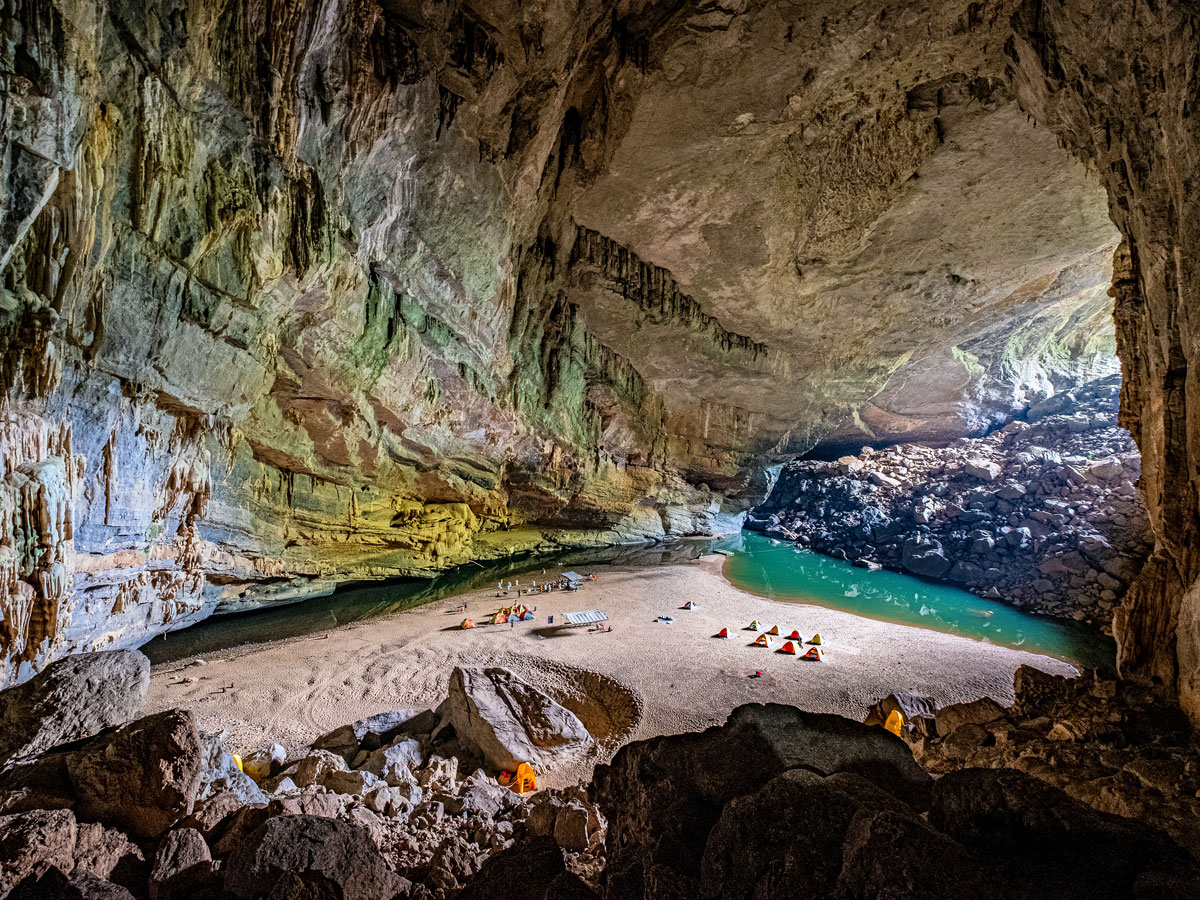
Son Doong Cave is the world’s largest known cave, with enormous caverns that stretch 500 feet wide and 650 feet high. First explored in 2009, it’s a popular tourist attraction within Phong Nha-Ke Bang National Park. The cave is also known for possessing a unique microclimate influenced by its sheer size and two huge dolines (depressions), which allow sunlight and air to filter in. From June to August, you can even witness clouds forming and drifting high up in the caverns, thanks to the warm humid air outside. Inside the cave, however, temperatures remain constant from around 63 to 77 degrees Fahrenheit.
To visit the cave, you’ll need to book with authorized operators within the UNESCO-protected national park. It’s a chance to witness the effects of the microclimate firsthand. Trees grow tall and narrow in search of sunlight, and fish species have adapted to the darker areas by becoming blind and lacking pigment. January to August is prime visiting time, and it’s recommended to book well in advance due to limited availability.
More from our network
Daily Passport is part of Inbox Studio, an email-first media company. *Indicates a third-party property.