




The Pros and Cons of Hard-Sided vs. Soft-Sided Suitcases
Choosing the perfect luggage can feel oddly personal — after all, you’re choosing a travel companion to accompany you on vacations hundreds or thousands of miles away from home. But this travel companion must fit into tight overhead bins, remain intact during baggage handling, and deliver all your belongings from point A to point B. One of the biggest luggage decisions is choosing between a hard-sided suitcase and a soft-sided suitcase. Below, we’ll break down the differences between the two, weighing which one wins on key considerations: flexibility, durability, storage space, security, affordability, waterproofing, and weight.
Flexibility Winner: Soft-Sided
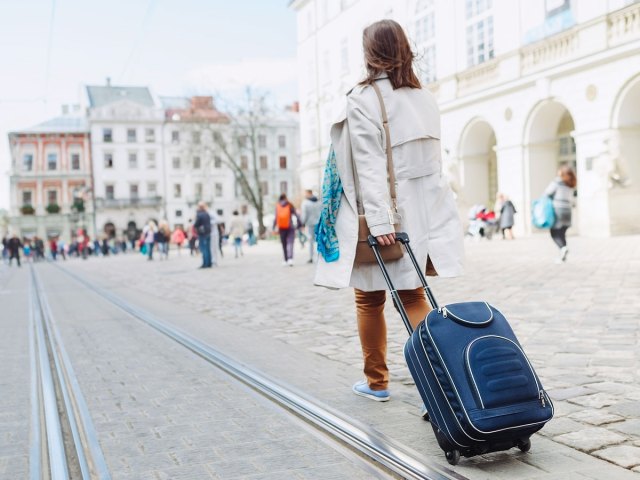
Soft-sided suitcases win the flexibility battle because their material can adapt to what you pack. Their fabric shells stretch, making it easier to squeeze in odd-shaped items or last-minute extras without needing a clamp to close your luggage. They also compress better, fitting into cramped overhead bins and tiny rental car trunks.
In comparison, hard-sided bags offer little to no give. If the dimensions don’t work for the airlines’ carry-on guidelines or the storage rack on the train, you’re probably out of luck. This lack of flexibility can also lead to issues for chronic overpackers or anyone who brings home lots of souvenirs.
Durability Winner: Hard-Sided
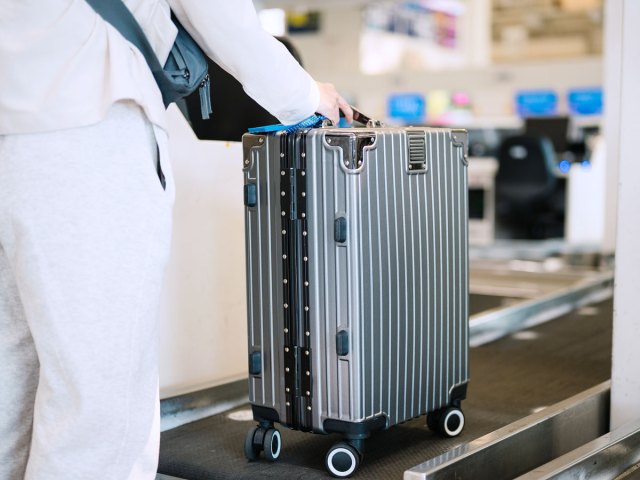
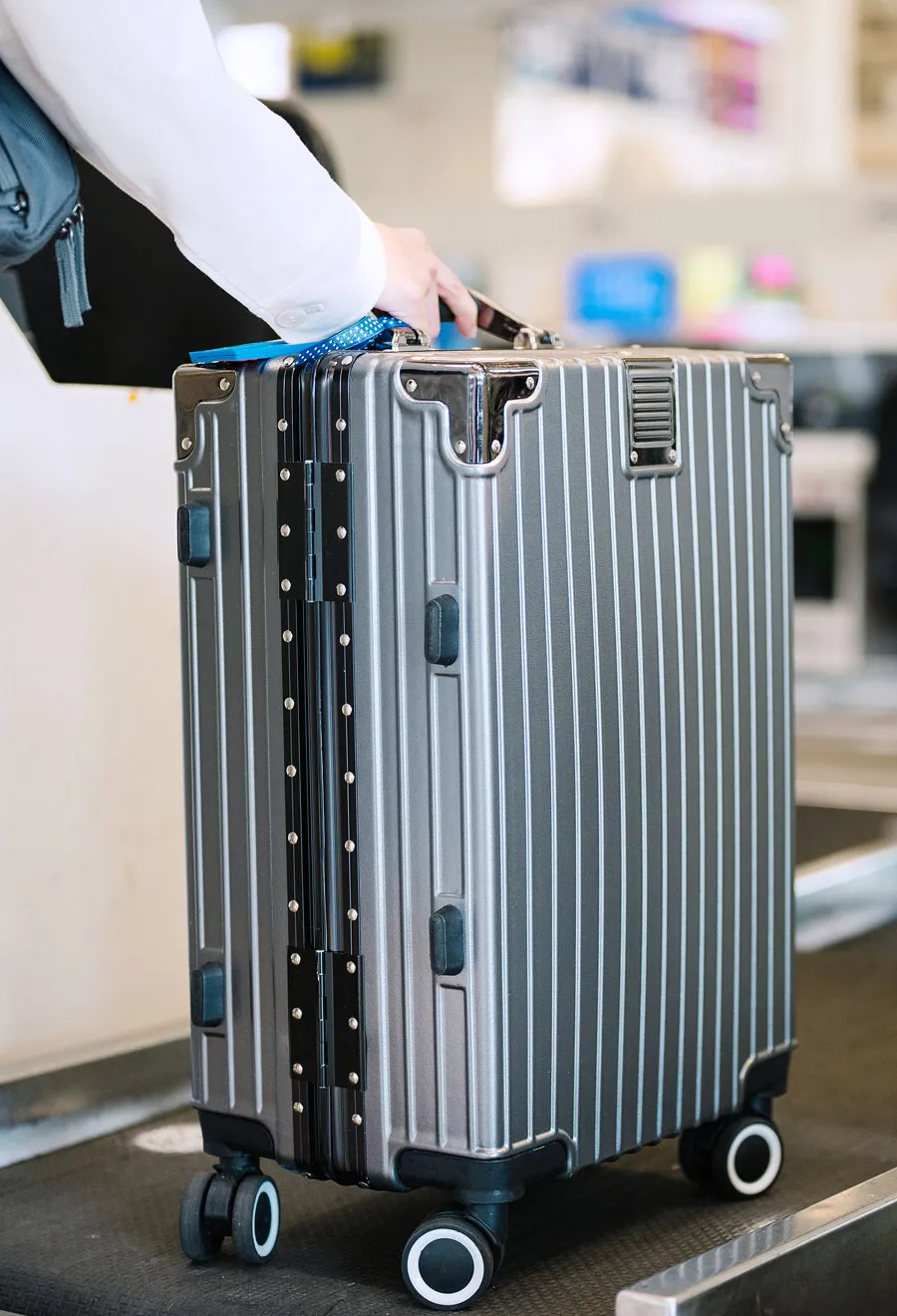
When it comes to protecting your belongings, you can’t beat the durability of hard-sided luggage. These cases are typically made of polycarbonate, aluminum, or special trademarked blends of similar materials that keep their shape, acting as armor to absorb impact even when tossed around by baggage handlers. The Monos Carry-On, for instance, is made from what the company touts as “unbreakable” aerospace-grade polycarbonate that comes with a lifetime warranty. One notable downside of these materials is that they can easily get scratched, scuffed, or dented.
Soft-sided bags — usually made of nylon or polyester — offer less protection because they can lose their form when dropped or crushed beneath heavy bags. This puts fragile items and liquids at risk and can lead to messes inside your suitcase. Fabrics are also more prone to staining from mud and spills, and they tear more easily, especially around zippers and other high-tension areas.
Storage Space Winner: Soft-Sided
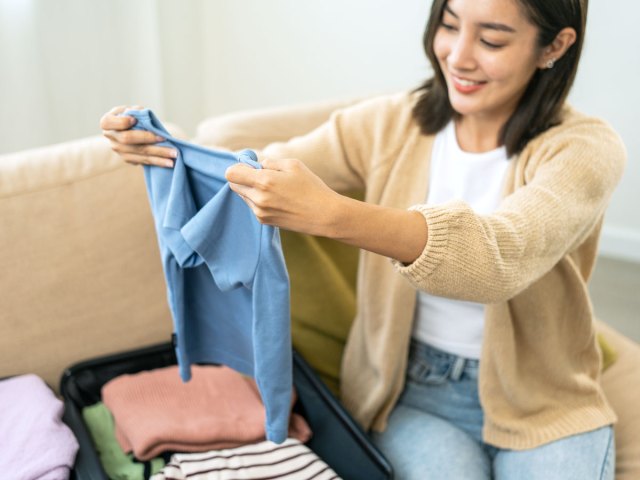
Typically, soft-sided luggage offers more storage space per square inch thanks to a top-opening zipper. In contrast, hard-sided luggage usually features a clamshell opening that takes up extra interior space.
Soft-sided luggage can offer more bells and whistles in the storage and accessibility departments, too. For instance, most designs include exterior pockets, which are perfect for storing travel documents, electronics, or chargers so you can grab them without unzipping your entire suitcase in the middle of the terminal. Samsonite’s bestselling UpLIFT Softside Carry-On Spinner has a mesh dual-access pocket reachable from both the interior and exterior compartments.
Hard-sided suitcases rarely offer this kind of convenient outside storage, which can make on-the-go organization trickier, especially for carry-on luggage. That said, a few brands now offer the best of both worlds. Calpak’s Hue Front Pocket Carry-On Luggage is one example of a hard-sided suitcase with a large front compartment that adds versatility.
Security Winner: Hard-Sided
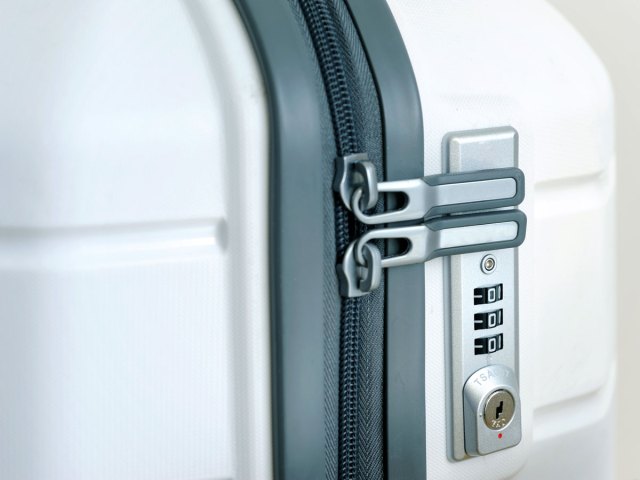
A major pro of hard-sided luggage is the security it offers to travelers, especially when packing valuable items. Soft-sided suitcases can be more vulnerable to thieves because fabric is more easily slashed or pried open, and their zippers may be less secure. They also tend to lack built-in locks. For example, Travelpro’s medium Maxlite hard-sided luggage features a built-in lock, but the soft-shell polyester version does not.
Hard-sided suitcases are tougher to break into. A few brands even offer zipperless models. Samsonite’s Framelock Max Carry-On Spinner features a secure “Eazylock” mechanism that is controlled by a central slide puller on the lock, making it much harder to open without knowing the combination.
Affordability Winner: Soft-Sided
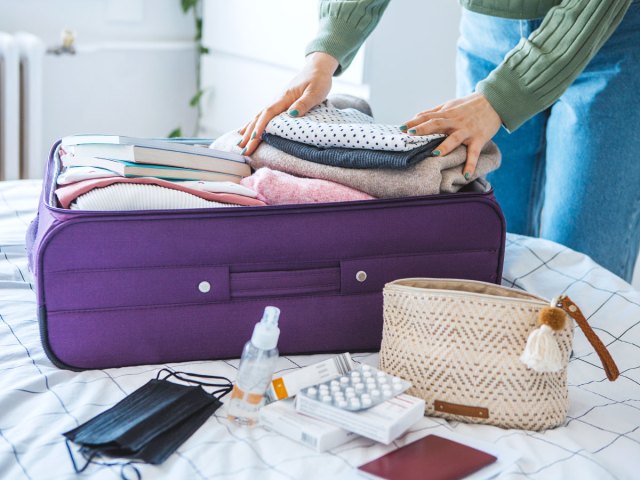
While prices vary widely across brands and depend on materials, soft-sided luggage generally comes in at a lower price point, making it a great budget-friendly option. This is because fabrics like nylon and polyester are usually cheaper to produce than polycarbonate or aluminum shells.
For instance, Away offers slightly lower prices on its soft-shell luggage line, made from water-resistant nylon. The Softside Medium luggage costs $295 (as of the time of writing), while the brand’s most popular hard-shell option, the Medium, is priced at $345. These suitcases have the same dimensions and similar features, but the polycarbonate shell comes at a higher price. Of course, both hard-shell and soft-sided luggage can range from economical to luxury, but if overall affordability matters, soft-sided bags tend to give you more for your money.
Waterproof Protection Winner: Hard-Sided
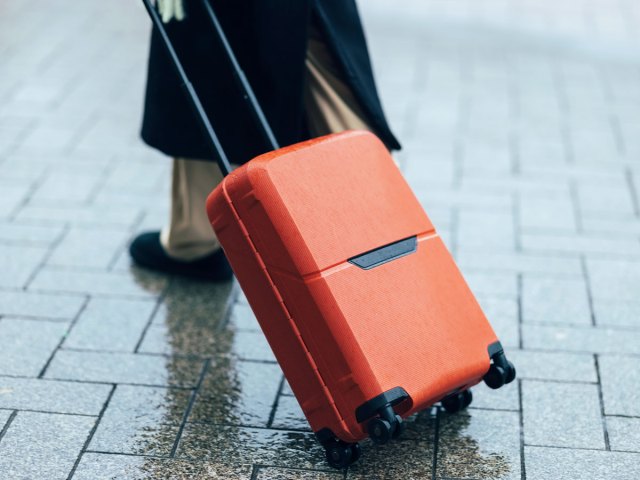
If you often travel to rainy or snowy destinations, or simply don’t want to worry about puddles, hard-sided luggage is the better pick. While many soft-sided bags are water-resistant, they aren’t fully waterproof, which can add unnecessary stress to travel. Heavy rain and water can seep into fabric, ruining your belongings or at least causing staining and musty odors.
If you prefer soft-sided luggage but need something that withstands the elements, consider shopping for an outdoor brand. Cotapaxi’s Allpa 65L Roller Bag is made from water-resistant polyester and ballistic nylon paneling to protect your belongings from moisture.
Hard shells, on the other hand, repel moisture and can be wiped clean in seconds, protecting your belongings. Damp conditions do not affect the integrity of hard-sided luggage, so you don’t have to worry as much about looking for water-resistant or waterproof designations during your luggage search.
Weight Winner: Tie
For decades, fabric suitcases weighed less than clunky, hard-sided models, but innovations in materials have leveled the playing field. Both hard-sided and soft-sided bags can now be surprisingly lightweight — or heavy — depending on their design and features. In general, polypropylene is the lightest material for hard-sided luggage, and nylon and polyester are the lightest fabrics. However, keep in mind that you might sacrifice durability for weight when choosing these materials.
Consider the weight difference between three popular Samsonite models. The hard-sided Proxis Carry-On Spinner, made with the brand’s Roxkin outer shell, weighs just 4.7 pounds. Meanwhile, the Samsonite Silhouette 18 Softside Global Carry-On Spinner, which has the same dimensions, weighs nearly twice as much at about 7.54 pounds. But not all soft-sided bags are this heavy: The slightly larger UpLIFT Softside Carry-On Spinner weighs only 5.6 pounds. Because weight varies by model, not just material, this category ends in a tie.
More from our network
Daily Passport is part of Inbox Studio, an email-first media company. *Indicates a third-party property.