





8 of the Rudest Things Travelers Do at Hotels
What’s the quickest way to aggravate hotel staff and fellow guests? While obvious missteps like leaving trash behind or being a noisy neighbor are certainly frowned upon, they aren’t necessarily the biggest offenders. So, what actions cross the line? To answer that question, we compiled results from hotel etiquette surveys conducted by YouGov and Hotels.com, along with insights from national etiquette expert Diane Gottsman, to uncover which behaviors travelers and hotel staff find most offensive. Here’s what the hotel guests and experts had to say.
Taking Items From the Room
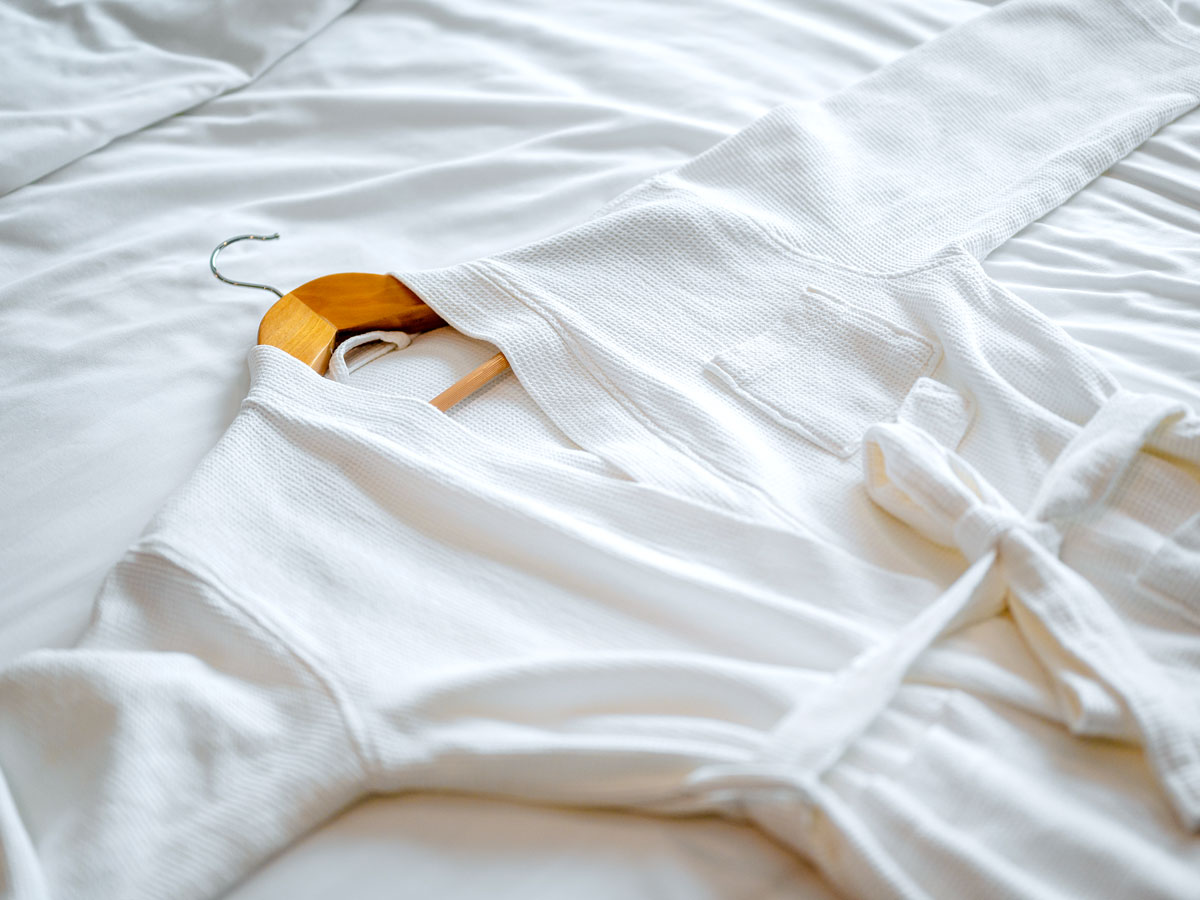
A whopping 93% of respondents in the YouGov survey said taking home items from the hotel — like towels, coat hangers, or Bibles — is unacceptable, making it the most disliked hotel behavior among the 25 actions listed in the survey. Etiquette expert Diane Gottsman seconds this, adding that items like robes, beach umbrellas, pillows, and in-room kitchenware (such as coffee makers and tea cups) are not for guests to take. You’ll be charged a substantial fee if housekeeping notices the missing items, and you may even be banned from the individual hotel or hotel chain.
That’s not to say that you can’t take anything from your room. Single-use travel-sized toiletries in the bathroom, including body wash, lotion, and hair products, are yours for the taking — just don’t grab any large, reusable containers that hotel staff refill after each guest. If you must leave with a plush monogrammed hotel robe as a souvenir, ask the front desk — many hotels sell them.
Smoking in Nonsmoking Rooms
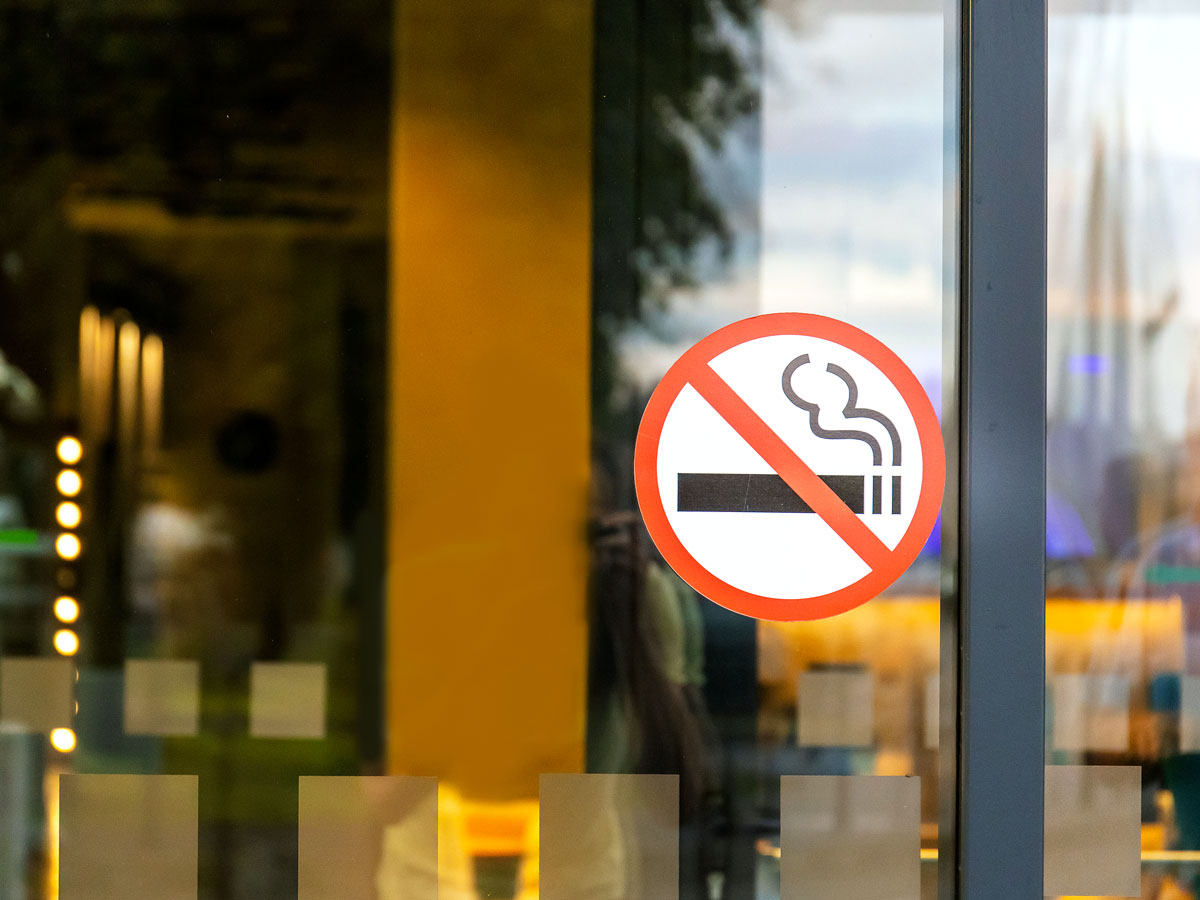
Today, most hotel rooms are smoke-free, but that doesn’t stop some guests from ignoring the rules. In the YouGov survey, 92% of respondents agreed that smoking is unacceptable. Not only is it a health hazard for those with health conditions, but it’s also a fire hazard.
Any traveler who breaks this rule will likely be fined for smoking in nondesignated areas, including rooms, the lobby, or pool areas. In fact, many hotels are now 100% smoke-free, including most brands under Hilton and Marriott. If the hotel finds evidence of you smoking, fees can amount to several hundred dollars.
Not Informing Hotel Staff of Room Damage
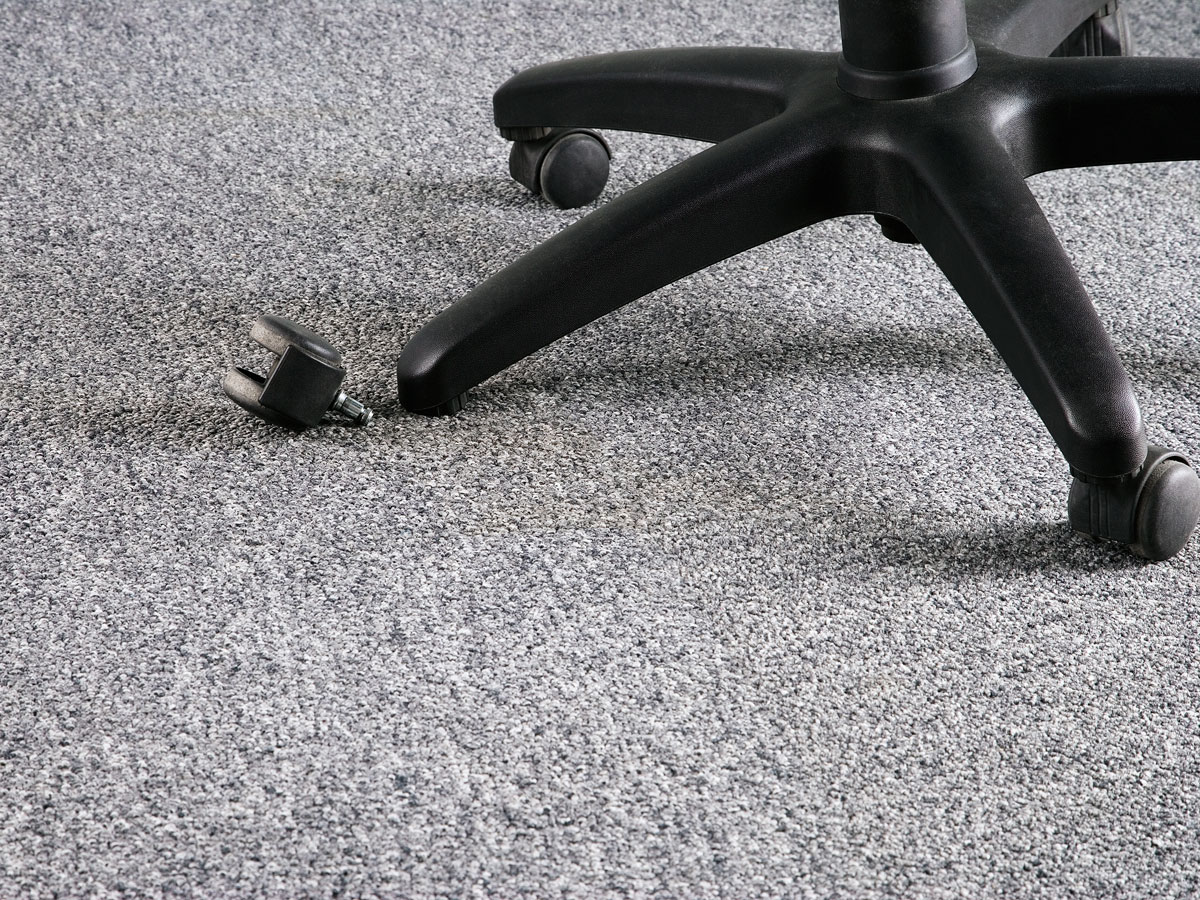
Broken or damaged items in a hotel room shouldn’t be overlooked; in fact, Gottsman urges travelers to inform hotel staff immediately if anything in the room is damaged. Often, hotel managers can fix it quickly or move you to a different room, and it’s a common courtesy for the next guest. Participants in the YouGov survey agree: 85% of respondents said that failing to inform hotel staff of room damage is unacceptable.
But what if you accidentally break something? Gottsman explains that it’s helpful to try to clean it up yourself before informing staff, particularly if it’s a hazardous item. For instance, if you drop a glass bottle from the mini bar, try your best to safely collect the glass shards so that an unknowing housekeeper doesn’t injure themself.
Sneaking a Pet into the Room

According to the YouGov survey, 83% of respondents think it’s unacceptable to sneak a pet into a hotel room without advance notice. Since hotels often have limited numbers of pet-friendly rooms, always let the front desk know ahead of time if you have a furry travel companion.
This helps keep travelers with severe allergies safe by separating pet-friendly rooms on select floors or in specific room types. Most hotels also charge pet fees to cover extra cleaning upon departure, ensuring the room is in tip-top shape for the next guests.
If you’re searching for hotels without pet fees, consider Kimpton Hotels. Most of the brand’s hotels require no pet deposit or cleaning fee, have no weight limit, and often offer complimentary amenities like water bowls and pet hygiene bags.
Dressing Inappropriately

According to the Hotels.com poll, walking around common areas barefoot is the most annoying thing a fellow traveler can do, with 94% of respondents firmly opposed. It seems that “no shoes, no shirt, no service” is favored for most hotel areas, sans the pool and beach. Indeed, most hotels have common-area shoe policies for safety reasons.
Moreover, 92% of respondents said that wearing a robe in the lobby is another faux pas, and 76% said even pajamas at breakfast are a no-go. Gottsman agrees, noting that the hotel lobby isn’t your living room — pajamas and bare feet simply aren’t acceptable.
Public Displays of Affection

According to Hotels.com, 86% of its respondents dislike PDA from hotel guests. While hotels typically don’t have formal, written policies on public displays of affection, there are unspoken rules of etiquette to prevent unpleasant situations.
Unfortunately, some ill-mannered travelers ignore these guidelines, making fellow travelers uncomfortable. While PDA policies in the U.S. are lax, other countries have stricter regulations in public areas, as well as cultural considerations that might be more conservative than those in your home country.
Reserving Pool Chairs

Another action that came up in Hotel.com’s survey was reserving pool chairs in advance. Three out of five respondents said it’s rude to claim a pool chair for yourself, but unfortunately, this is an everyday occurrence at many resorts.
In the early morning, guests often venture down to the pool area before it opens to place personal items (such as a beach towel, bag, or book) on a few chairs to reserve them for their party. But Gottsman says that if the rest of your party isn’t arriving promptly, it’s polite to give up their seats when the pool area is busy.
Some hotels actually have strict rules against reserving chairs — instead of operating on a first-come, first-served basis, these hotels will place a time-stamped token on chairs with belongings. Items left alone for a certain period — say, an hour — will be removed and held by staff for the owners to retrieve. This allows fair use of the pool chairs for everyone currently at the pool, not for those who are off doing other things.
Checking Out Late
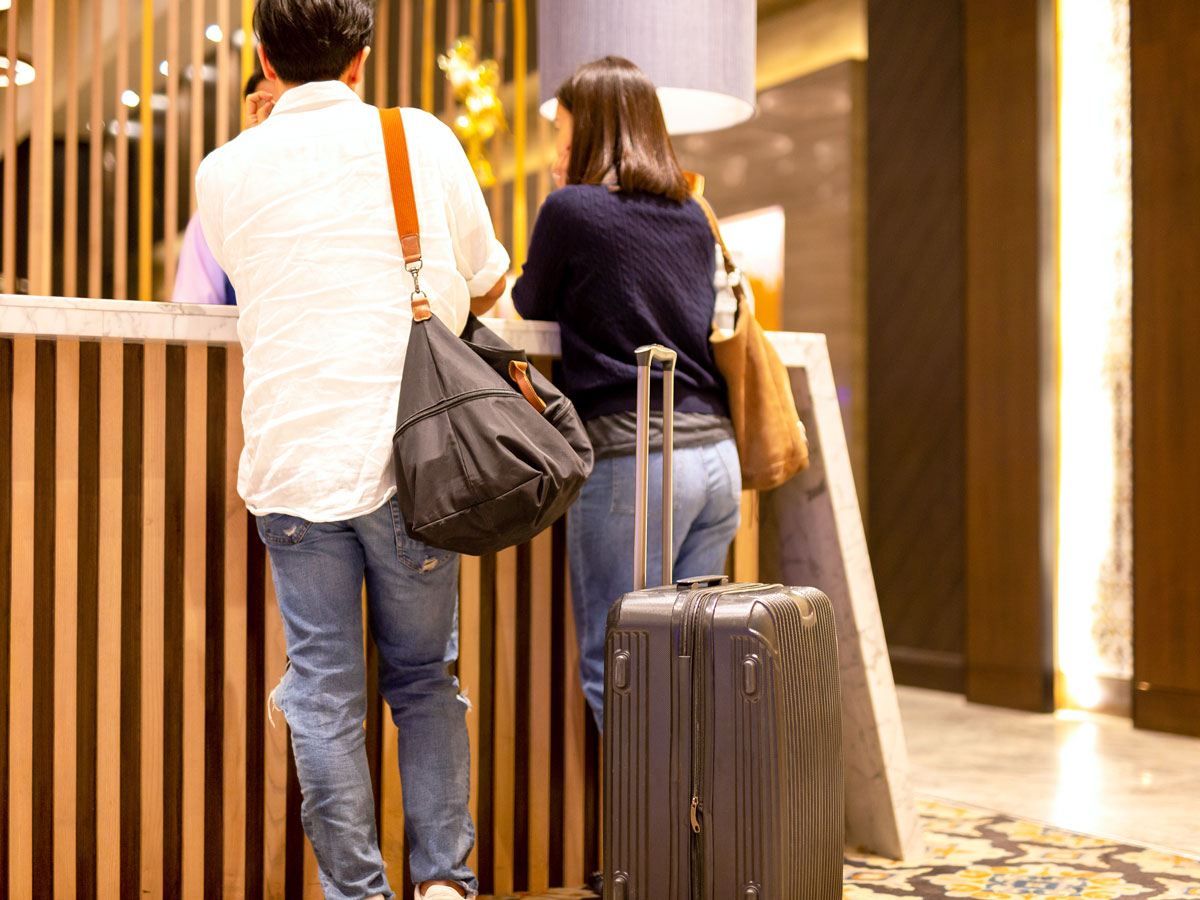
In the YouGov survey, 79% of respondents said that checking out of a hotel more than an hour late without prior notice is downright rude. Housekeeping has a limited window to turn rooms around between guests, so when the previous guest is late, it often creates a ripple effect, delaying the next guest’s check-in.
This is why most hotels charge fees for unexpected late checkouts. To avoid extra charges, request a later checkout the night before you’re set to leave, or, at the very latest, the morning of your departure. Sometimes, staff can move future guests’ room assignments to accommodate your request, thus avoiding a fee, but there are no guarantees.
That said, some hotels do offer to guarantee a late checkout for an extra fee. Additionally, some loyalty programs, such as Marriott Bonvoy, offer guaranteed late checkout as a perk for elite members at most brands.
More from our network
Daily Passport is part of Inbox Studio, an email-first media company. *Indicates a third-party property.