





See the World Through Your Ancestors’ Eyes
See the World Through Your Ancestors’ Eyes


Most of our ancestors’ stories are not rooted in one place. People moved for work, for land, and, most likely, for survival. Some followed industrial growth, others crossed oceans in search of new opportunities, and some relocated as borders shifted.
Nowadays, most trips start with a destination, while our own ancestry searches start with a question. DNA testing helps connect both, so that you can ask who your ancestors were — and where and how they actually lived. When DNA points to a region, it gives context to family stories that may have felt incomplete. And it gives you a place to go, to see the world through their eyes, even if industrialization, urbanization, and, more recently, gentrification forced it to evolve.
Migration Shaped the Places We Visit Today
If your ancestors lived in Scandinavia, long winters and short growing seasons meant that they survived on staples such as preserved fish, rye, and root vegetables. The climate also influenced the homes they lived in, which were often built with steep roofs designed to shed snow. Coastal cities like Bergen still showcase Scandinavia’s past at historic fish markets like Fisketorget, where vendors sell cured seafood.
Ancestors from Italy’s historic port cities lived in places built around maritime trade. Access to those trade routes turned cities like Venice and Genoa into cultural hubs. Olive oil, citrus, and spices traveled with merchants, along with language and religion. Walking through those harbor cities now, you can feel the past in the food markets and in cathedrals like Genoa’s Basilica della Santissima Annunziata del Vastato.
The Scottish Highlands’ rugged terrain limited large-scale farming. As a result, cattle and later sheep farming became the main industry if your ancestors lived in the region. Clan structures became central to social organization, and surnames were often tied back to specific valleys and glens. A journey to the Isle of Skye today feels like history frozen in time, with sheep dotted across the dramatic hills and lush, ruggedly overgrown landscape.
In West Africa’s Sahel region, communities adapted to shifting rainfall and long-distance trade. Families there may trace lineage to cultures shaped by Saharan trade routes that carried gold and textiles between North and West Africa. Remnants of this trading history remain visible in the goods still sold in open-air markets across the region. Travelers whose heritage connects to the Sahel may still encounter echoes of the trade networks that shaped their ancestors’ lives.
Japan’s mountainous terrain pushed settlement toward the coasts, strengthening maritime trade. Osaka grew into a hub for buying and selling rice in large quantities, earning it the nickname “the nation’s kitchen.” Dishes such as oshizushi — pressed sushi shaped in wooden molds — trace back to that merchant culture. If your ancestors are from Japan, visiting a city like Osaka may offer you a glimpse of the coastal trading culture that they once knew.
Ancestors in southern China likely lived in communities built along waterways. Southern China’s river systems, such as the Pearl and Yangtze, supported dense agricultural communities and served as internal migration routes, forming patterns reflected in many family histories. The Bund, a waterfront area in Shanghai, still faces the river that made it a global port at the mouth of the Yangtze. And nearby Yuyuan Garden Bazaar hums with the kind of market activity that once defined the delta’s trade culture. Farther south, Guangzhou’s Pearl River Waterfront and Shamian Island recall the era when goods flowed through the delta into global markets.
Where Your Story Begins
DNA analysis does not replace records or research, but it adds another layer — one that ties identity to geography in a tangible way.
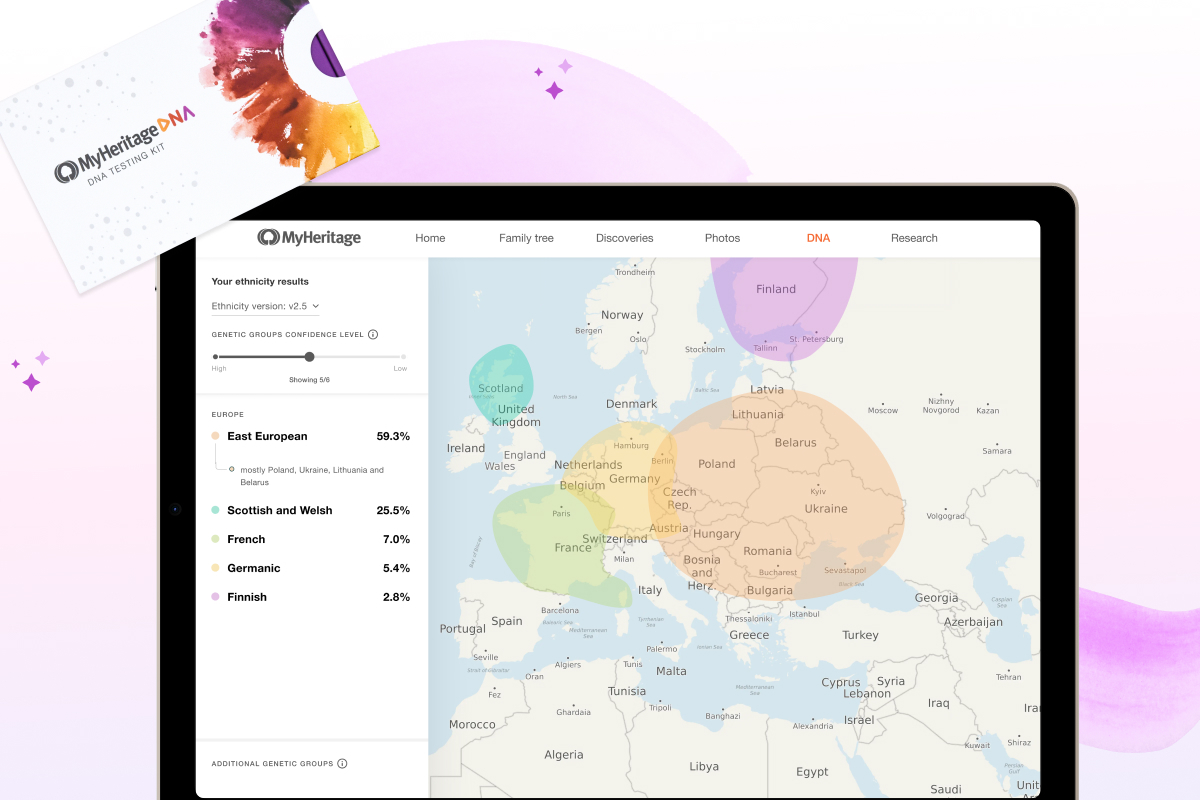
MyHeritage DNA testing helps identify the regions and genetic communities associated with your ancestry, and the process is simple. You order a kit, swab the inside of your cheek, and return the sample in a prepaid package. The lab will extract and analyze your DNA, and you can view the results online in three to four weeks.
The at-home test provides specific groups you descend from among 2,114 geographic regions, and the platform pairs those results with more than 38 billion historical records, allowing you to connect DNA to real places, documented migration paths, and family records.
To explore your ancestral origins and see where your story leads, visit MyHeritage.com.
This story was paid for by an advertiser. Daily Passport's editorial staff was not involved in the creation of this content.
More from our network
Daily Passport is part of Inbox Studio, an email-first media company. *Indicates a third-party property.