




Should You Shrink-Wrap Your Luggage?
Should You Shrink-Wrap Your Luggage?
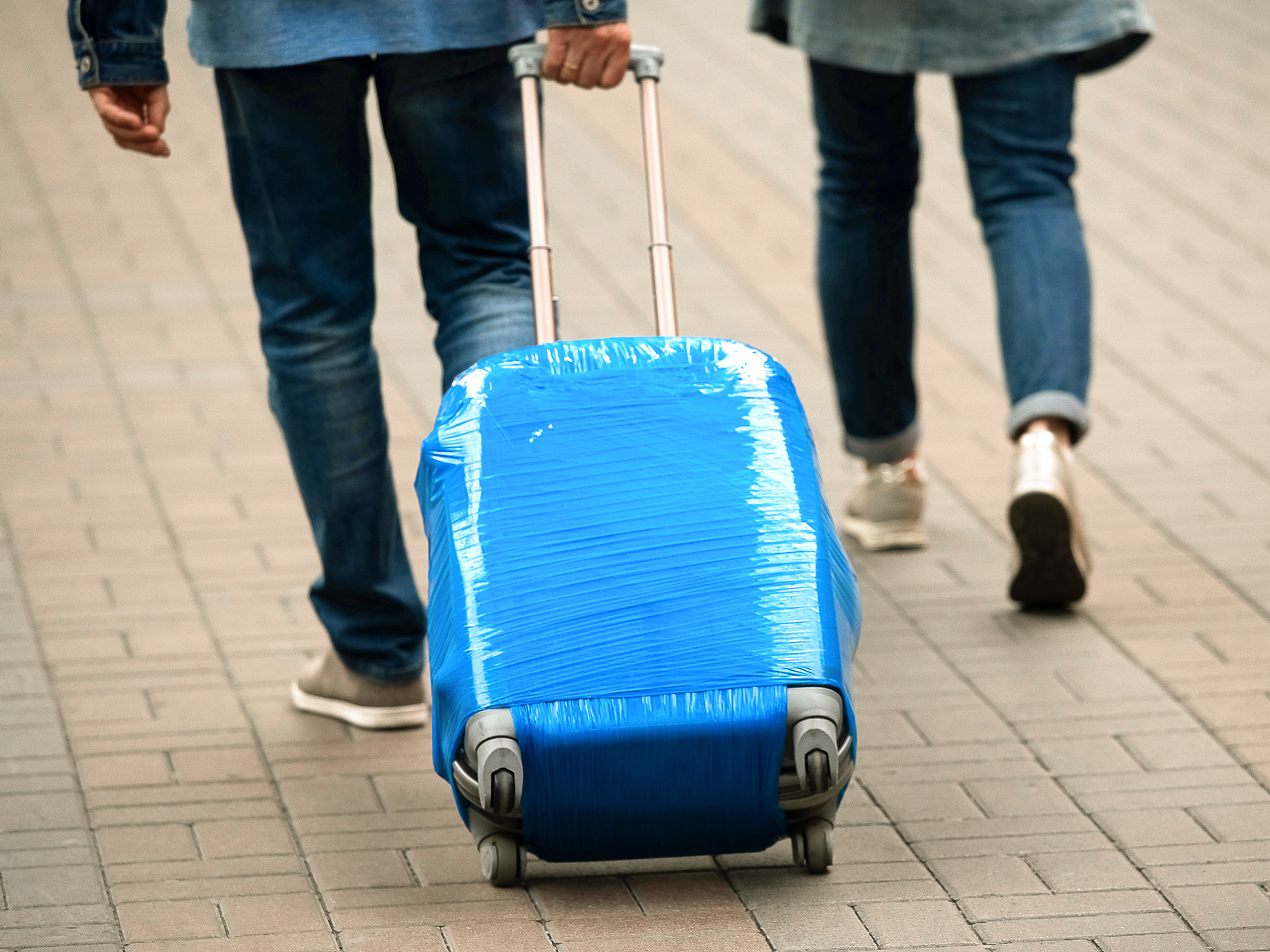

No one wants to fall victim to a thief while traveling, so many people routinely lock their luggage. Some even go one step further, opting to shrink-wrap their bags, which can help protect against not only theft but also damage to your suitcase. This usually involves paying a specialist company at the airport to cover the bag with layers of plastic before check-in, which can be cut off when the traveler reaches their destination. But there are pros and cons to doing so. Let’s explore whether or not you should shrink-wrap your luggage on your next trip.
Does Shrink-Wrapping Keep Your Luggage Safe and Sound?
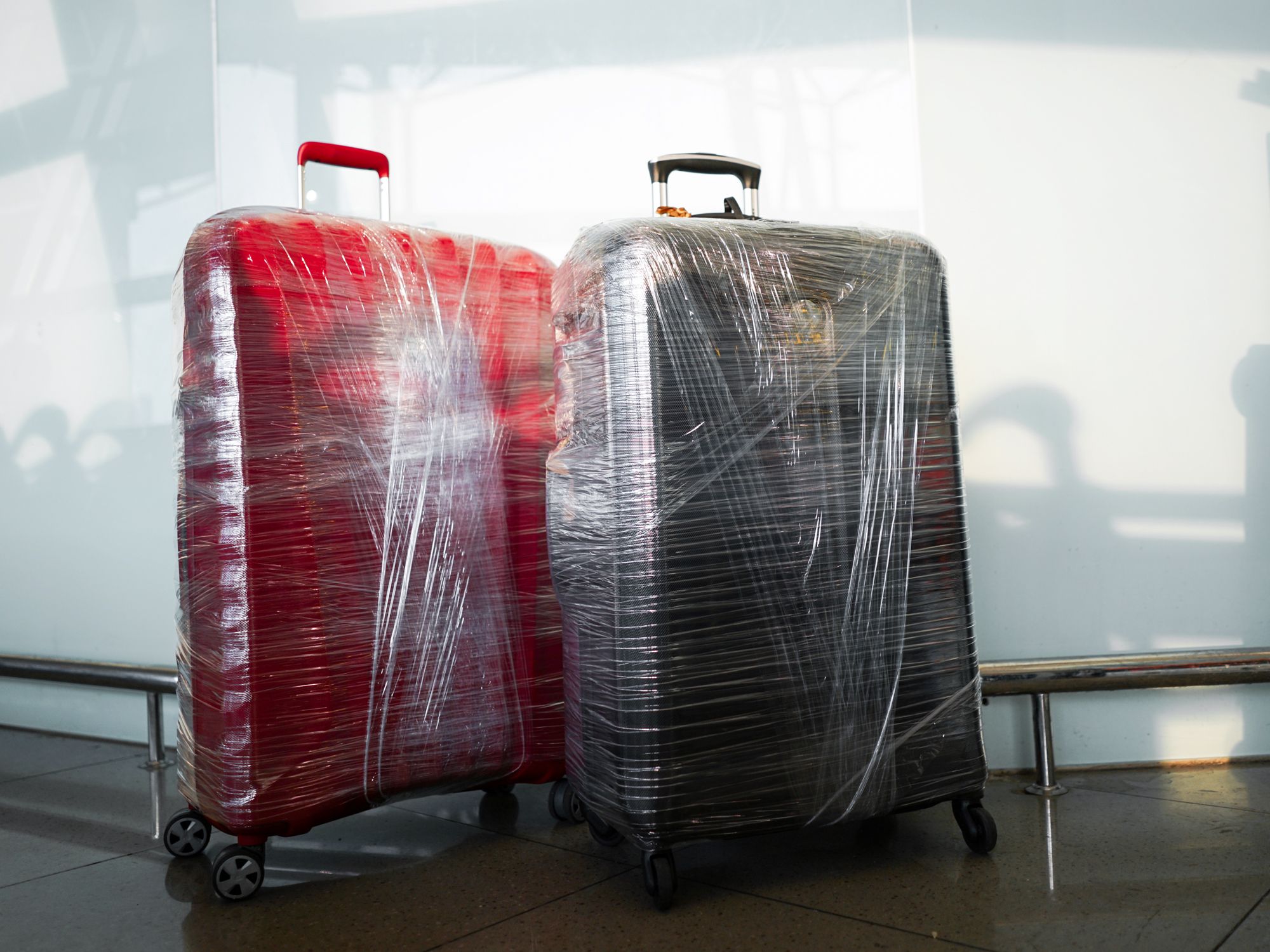
Proponents of bag wrapping argue that doing so is an effective security tool. Because the plastic needs to be removed, accessing the contents inside can be time-consuming. There are likely to be easier targets for a thief, like bags with unprotected zippers that can be opened stealthily without the owner even realizing something happened. On the other hand, there is an argument that suggests a wrapped bag may attract wannabe thieves by highlighting that there may be items inside worth stealing.
Protection Against Dings, Dents, and Downpours
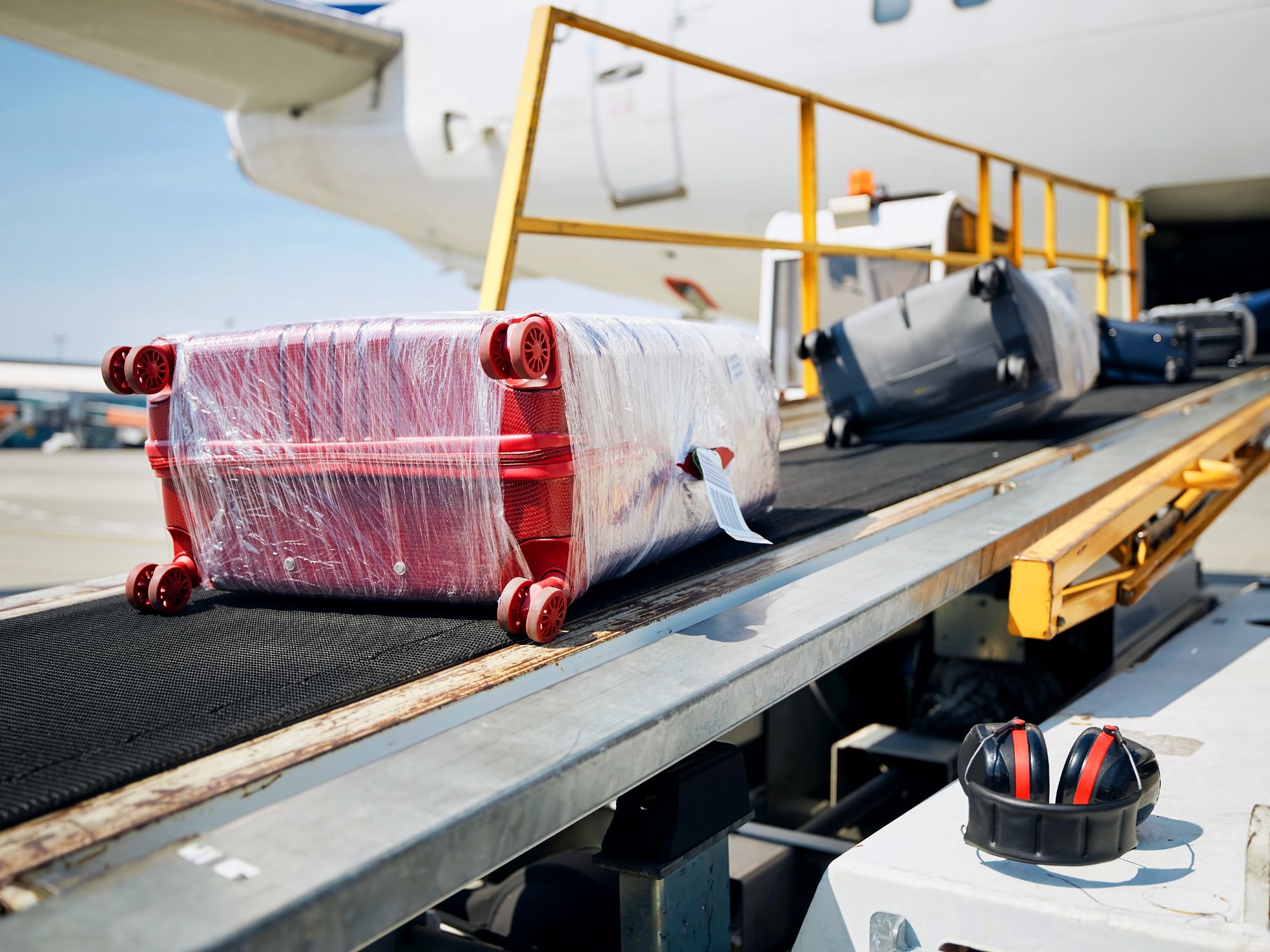
While its role in deterring thieves can be debated, it’s much easier to present a case for shrink-wrapping as a means of keeping your suitcase from being scratched and marked up during the baggage handling process. If you’ve just splurged on a brand-new bag, you might be swayed by the Excess Baggage Company’s promise that its “commercial-strength film securely seals your luggage to ensure it’s protected against potential physical damage including scuffs or scratches during transit.”
Shrink-wrapping can also help make your luggage more water-repellent, which may be useful if you plan on traveling through rain-prone areas or smaller airports where bags may sit out on the apron for long periods.
A Quick Fix for Damage
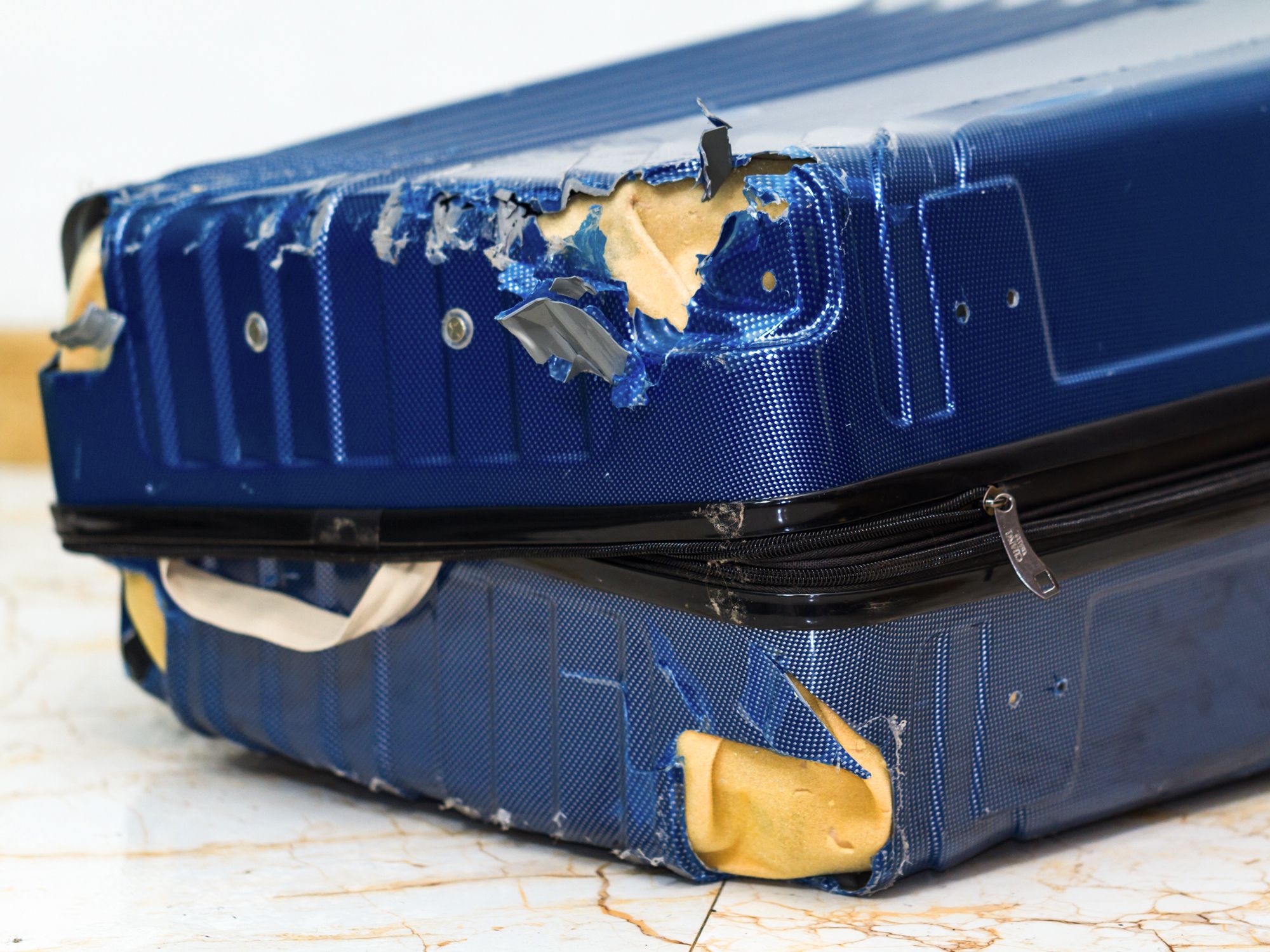
Accidents happen while you’re traveling; maybe your zipper breaks, or your soft-sided luggage tears. If you have a packed itinerary, it may not be convenient to spend time searching around for a replacement bag. And in some destinations, luggage stores are few and far between.
Whether you’re trying to save time or just can’t face the hassle of shopping during your vacation, shrink-wrapping can be a solution to damage that happens en route. Note that you may need to complete some paperwork about its condition when you check it in, as the airline will want to protect itself from a future compensation claim.
Check the small print in the airline’s conditions of carriage — for example, American Airlines won’t take responsibility for improperly packed items, while United may consider a damaged bag to be a fragile item and require you to sign a waiver before you check it.
What’s the Cost?
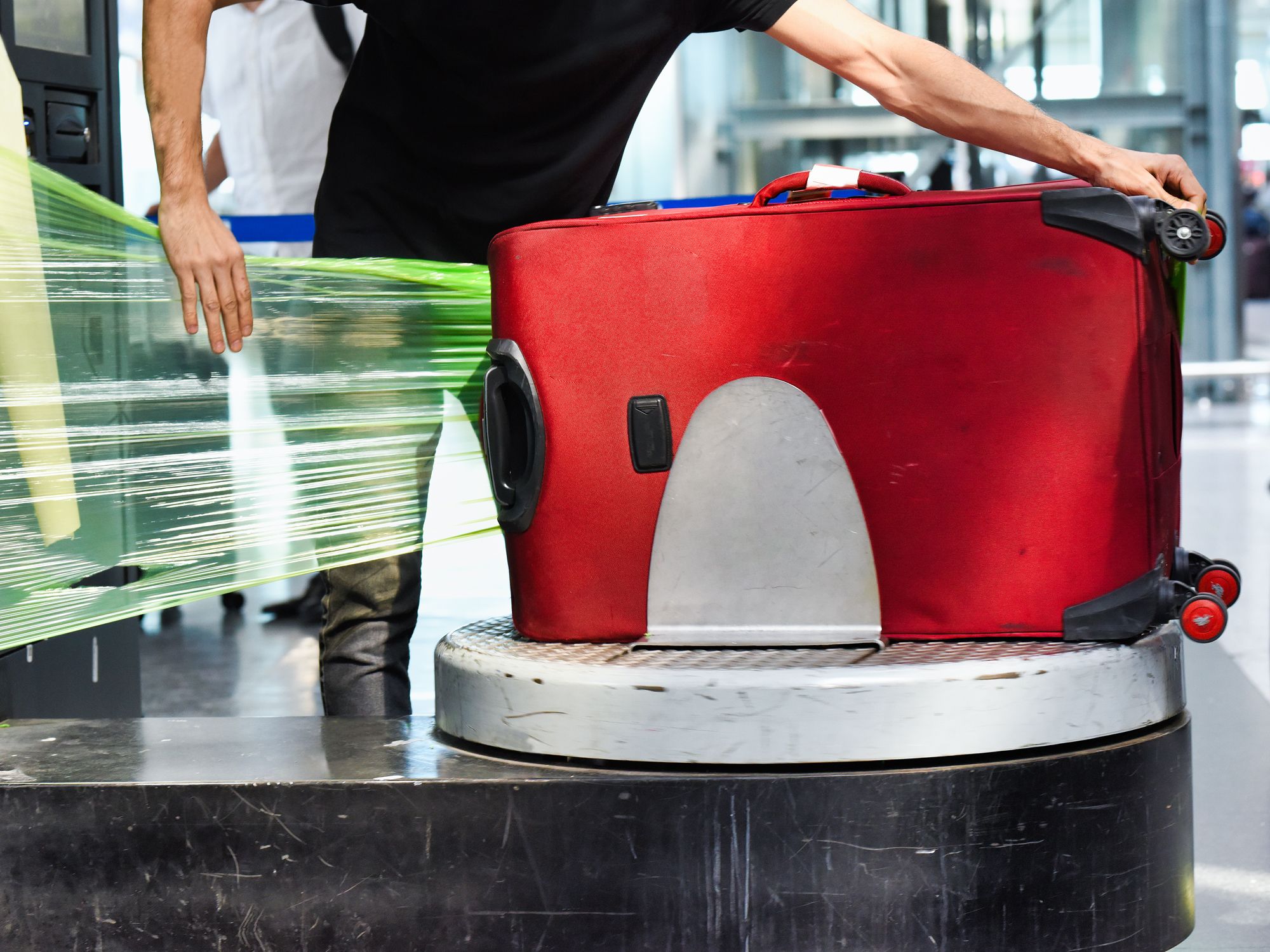
Perhaps the biggest con of shrink-wrapping a bag at the airport is that it doesn’t come cheap — especially considering it’s essentially a one-off service.
Secure Wrap’s prices start at $20 at Miami International Airport and $22 at New York’s JFK Airport for a standard piece of luggage. Choose to use Excess Baggage in London, and it will set you back at least 21 pounds (about $28 USD). Likewise, at Amsterdam’s Schipol Airport, you’re looking at paying between 15 and 22 euros per item ($17.50 to $25.50) with Seal and Go, depending on the thickness of protection you’re after.
Remember That Inspections Can Still Happen
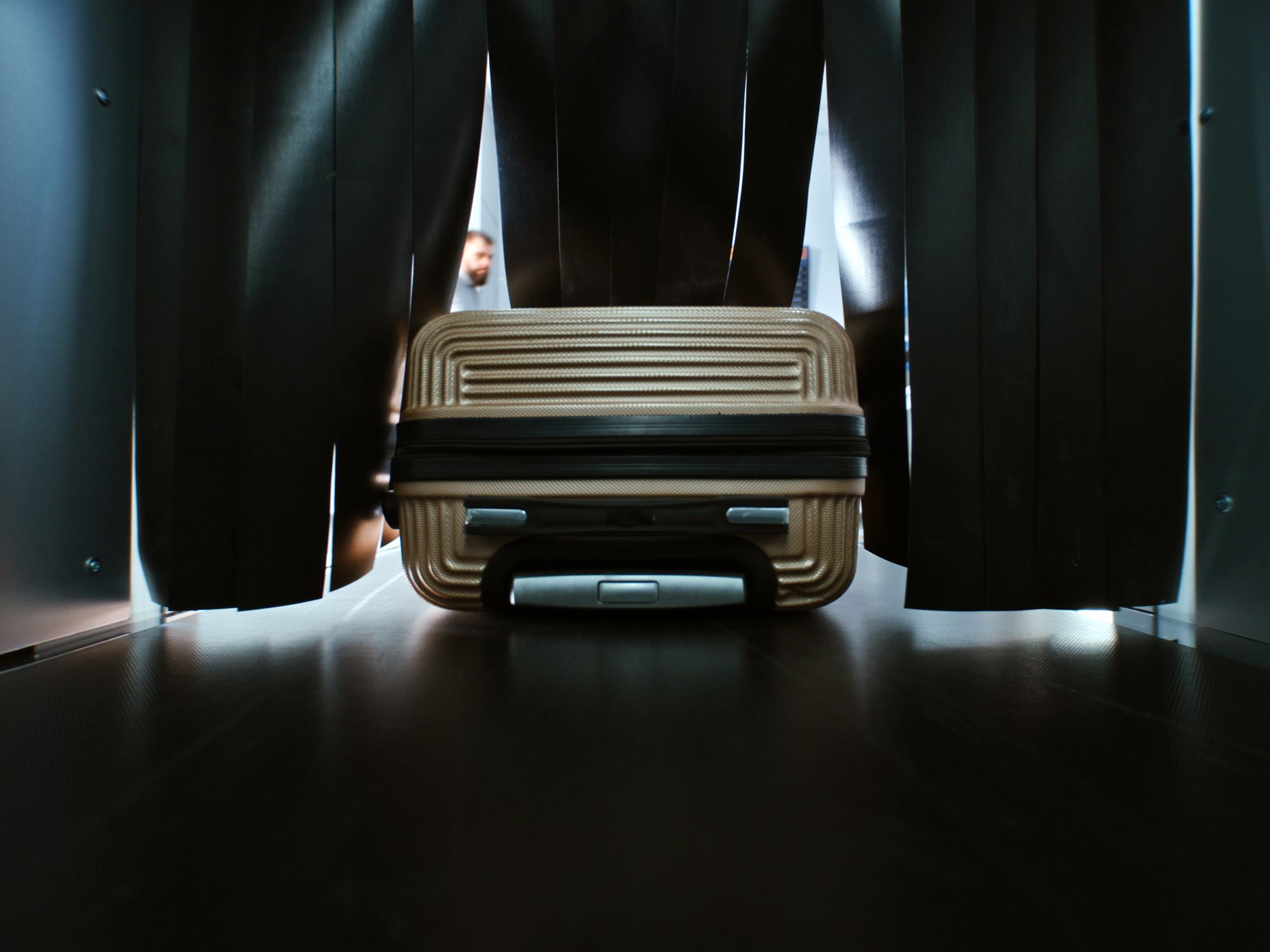
Don’t sign up for a shrink-wrapping service expecting a guarantee that the bag won’t be touched, either. The message on the TSA website is clear: “TSA officers must be able to inspect baggage and contents when the need arises.” In the same way that officers may cut a lock if they aren’t able to open it with a master key, they’ll also cut open a shrink-wrap cover if a scan flags something suspicious or the bag is simply chosen for a routine check.
Environmental Concerns
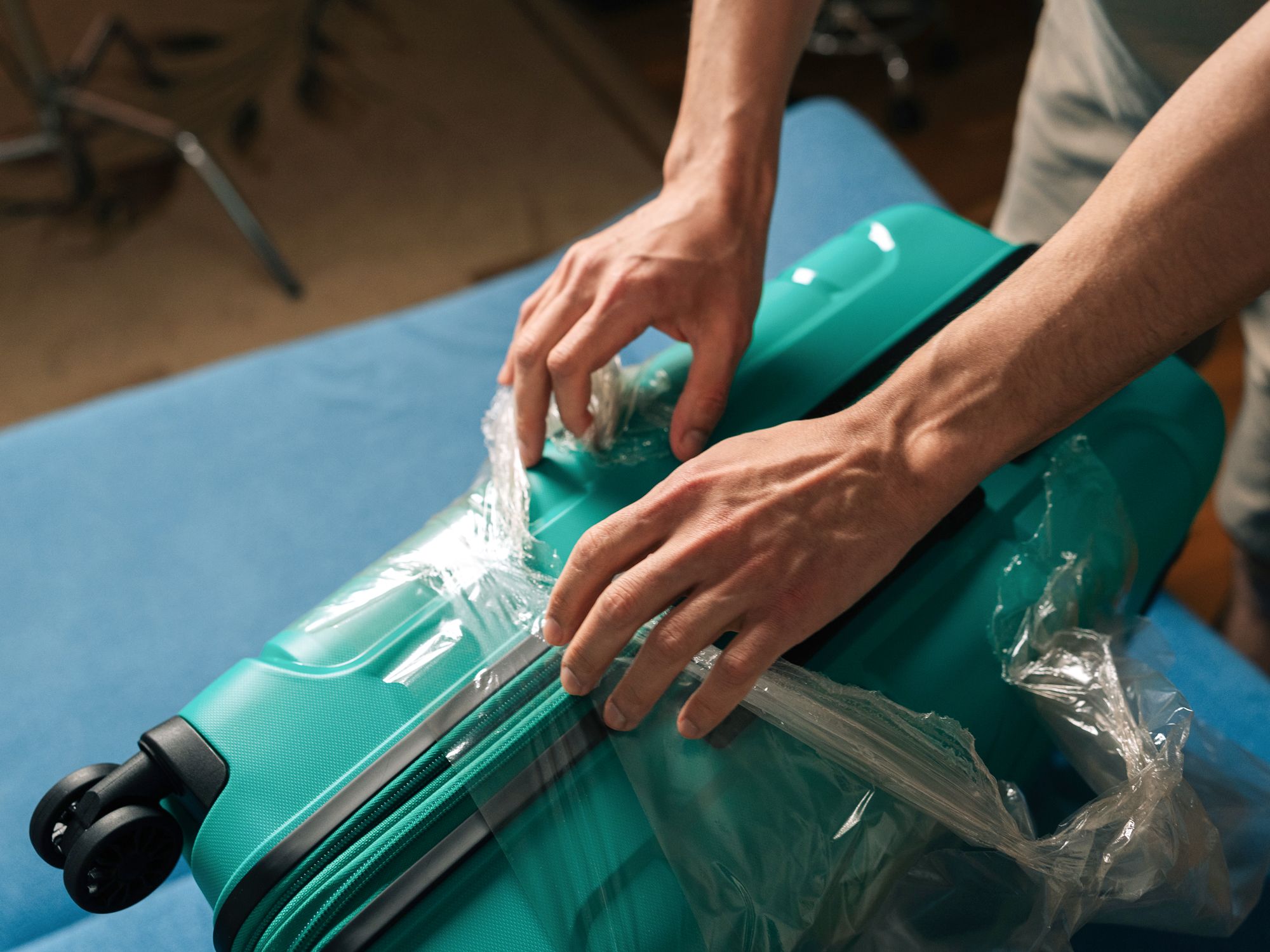
Lastly, if you’re conscious about your consumption of single-use plastic, you may not wish to use a shrink-wrapping service. It’s worth noting that some companies claim to use recycled or mostly recycled materials. For instance, Seal and Go says their shrink-wrap is made of 80% to 100% post-consumer regenerate (PCR) material, but their service still requires around 2 meters (6.5 feet) of wrapping to protect a regular-sized suitcase. What ultimately happens to the shrink-wrap when you reach your destination is up to you, though ensuring it gets recycled in an unfamiliar location might prove more challenging than at home.
Featured image credit: © spritnyuk/stock.adobe.com
More from our network
Daily Passport is part of Inbox Studio, an email-first media company. *Indicates a third-party property.