




The States Where You Can’t Ride Amtrak (and Why)
The States Where You Can’t Ride Amtrak (and Why)

As Amtrak is the national rail provider of the United States, you’d be forgiven for assuming that it serves every state in the country. The company, which just notched a new ridership record, operates 30 routes with over 500 stops in the U.S. and parts of Canada — but it’s in only 46 of the 50 states. That leaves four states without Amtrak, which naturally raises the question: Why did Amtrak pass those states by? And what train service, if any, do residents (and visitors) rely upon instead? Let’s look at the four states where Amtrak is nowhere to be found — and why.
Alaska
The nearest Amtrak train is hundreds of miles away from Alaska’s southernmost border, as the Amtrak Cascades route terminates all the way down in Vancouver, British Columbia. In fact, Alaska has no rail connection with the continental U.S. or Canada. One of the main reasons for this is the enormous cost it would take to build a railroad through such challenging terrain and the limited demand for service due to Alaska’s low population density.
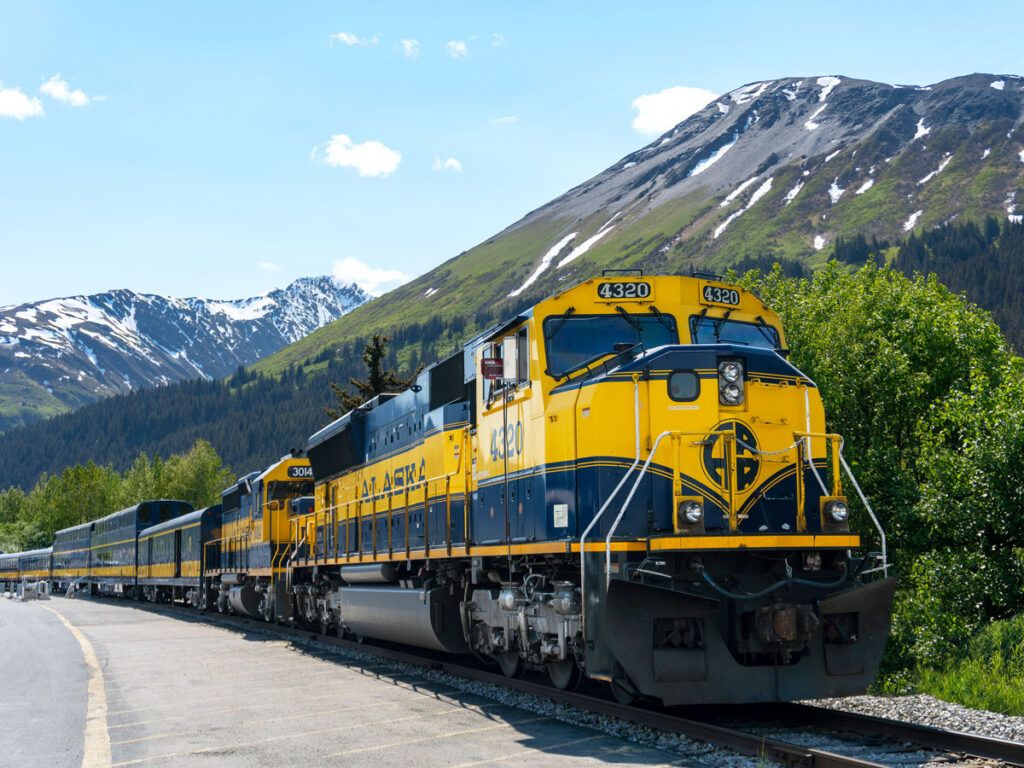
But despite the lack of Amtrak services, Alaska has a relatively robust passenger train network within its state borders. The major regional train operator is the Alaska Railroad, which began operating in 1903. It offers daily trips along 482 miles of track, connecting Seward in the south to Fairbanks up north.
The Alaska Railroad offers service along four major routes. The Coastal Classic is a 4.5-hour journey that takes passengers from the port city of Seward to the state’s largest city, Anchorage. The Glacier Discovery route runs parallel to parts of the Coastal Classic, though this route is largely reserved for scenic day trips to famous glaciers within a few hours of Anchorage. Then there’s the Hurricane Turn, which operates only a few days per week and provides service in an old-timey diesel train to remote destinations between Talkeetna and Hurricane. Lastly, the Denali Star connects Anchorage with Fairbanks, passing the majestic Denali National Park along its 12-hour journey.
South Dakota
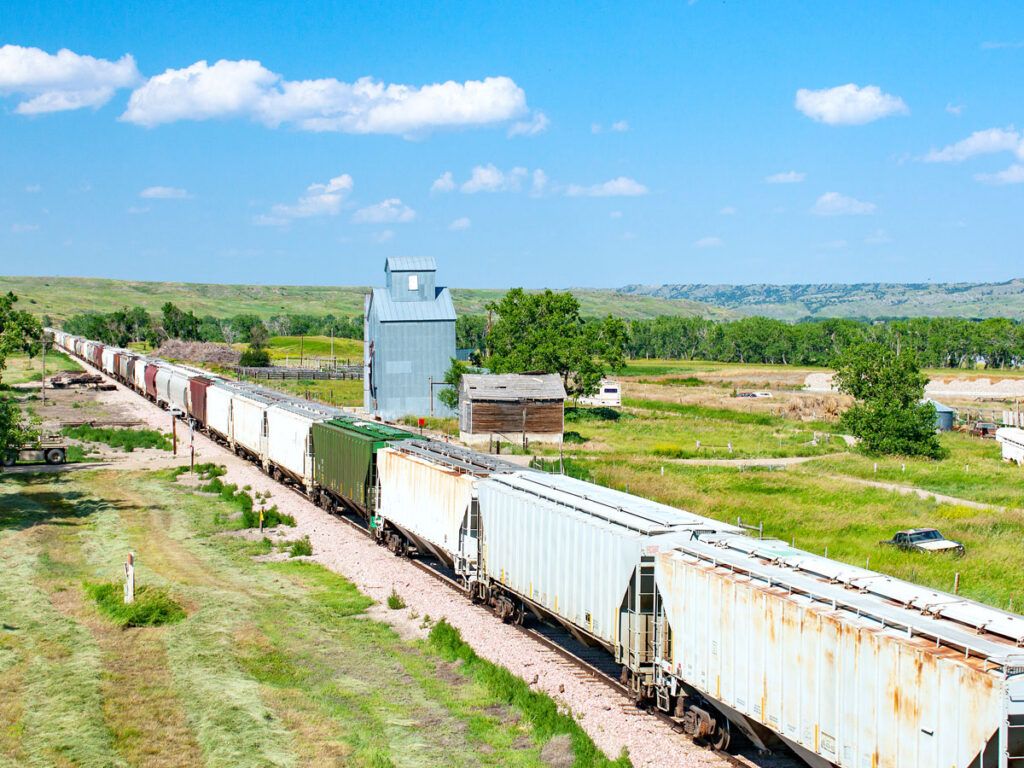
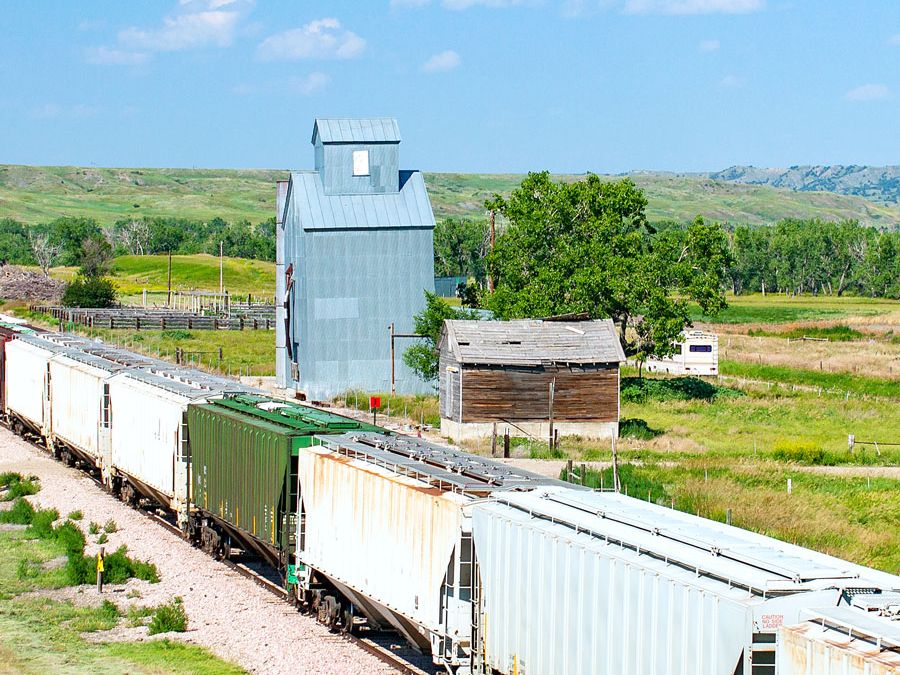
From the time Amtrak began operations in 1971, the company has never offered service in South Dakota. This isn’t for lack of trying. In 1997, South Dakota was awarded $23 million in federal funds to start a passenger rail line, though the state ended up repurposing the money for other transportation improvements. Years later, when Amtrak proposed an expansion of routes in 2021, they were forced to omit South Dakota. This is because the state had failed to adequately develop their railroad infrastructure to the point that it could support an Amtrak route.
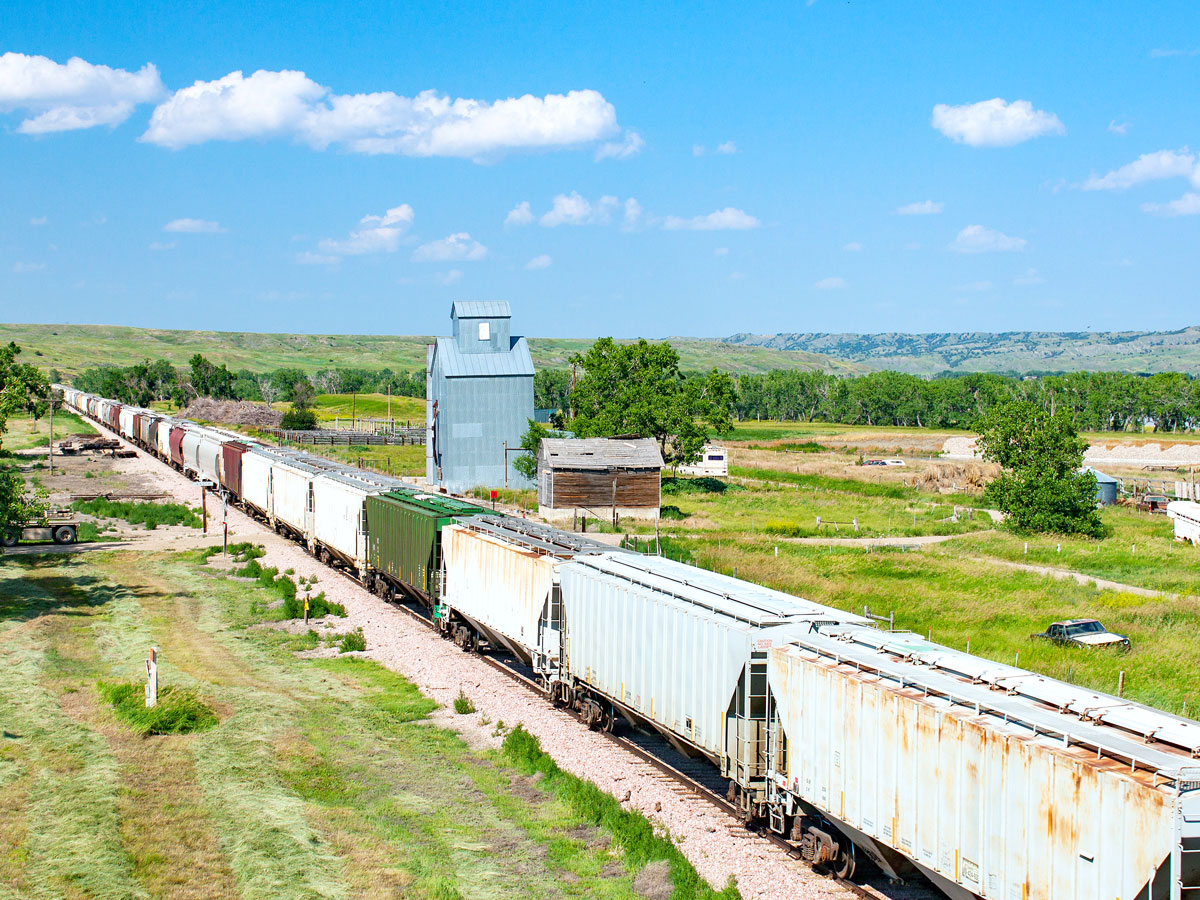
So, are there any trains that operate in the Mount Rushmore State? There are 4,421 miles of railroad in South Dakota, but only 1,977 miles remain in working order. And nearly all of those tracks are dedicated to freight trains — there are no intercity nor interstate passenger trains in the state. The closest you’ll get are tourist trains such as the 1880 Train, a historic steam engine that runs through the Black Hills near Mount Rushmore.
Wyoming
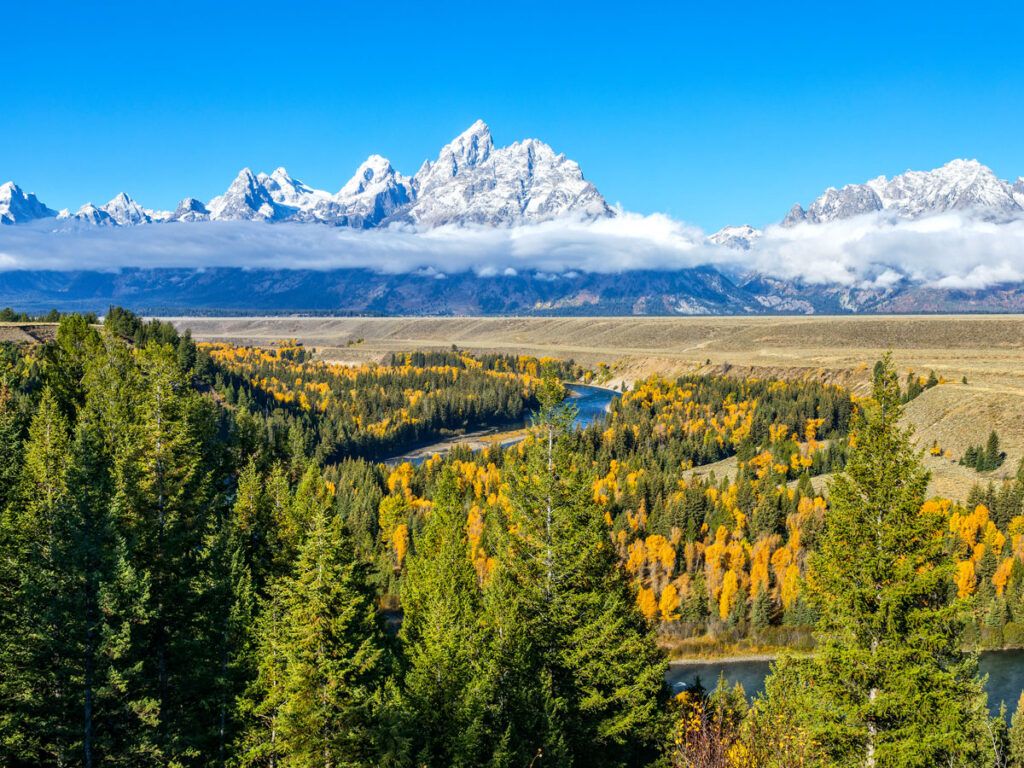
There was a time when Amtrak did provide service to Wyoming. Both the Pioneerand San Francisco Zephyr routes passed through cities such as Cheyenne and Laramie up until 1983, when Amtrak officials decided to reroute the service because the landscape in Wyoming was deemed too barren. There were also temporary detours in 1991 and 2004 that briefly restored Amtrak service to the state of Wyoming, though all service has since been discontinued.
While Amtrak doesn’t offer rail service to Wyoming, the company does offer connecting bus service. For example, the Grand Tetons and Yellowstone Express booked through Amtrak Vacations offers an Amtrak train ride from Chicago to Salt Lake City, where passengers board a connecting bus up to Jackson Hole, Wyoming. From there, they’ll embark on tours of two of the country’s most majestic national parks: Grand Teton and Yellowstone, both of which are primarily in Wyoming.
Otherwise, there’s no intercity passenger rail service in the state of Wyoming, though regional groups are trying to change that. The Wyoming Chamber of Commerce has long advocated for expanding the state’s rail system, and in 2023, the Cheyenne Passenger Rail Commission was created to determine the feasibility of a line connecting Cheyenne to locations in Colorado.
Hawaii
Given its remote location in the Pacific Ocean, roughly 2,000 miles southwest of the lower 48, there’s obviously no way to extend Amtrak from the mainland to Hawaii, and it would be too difficult and impractical to develop a standalone service in the Aloha State connecting the eight major islands.
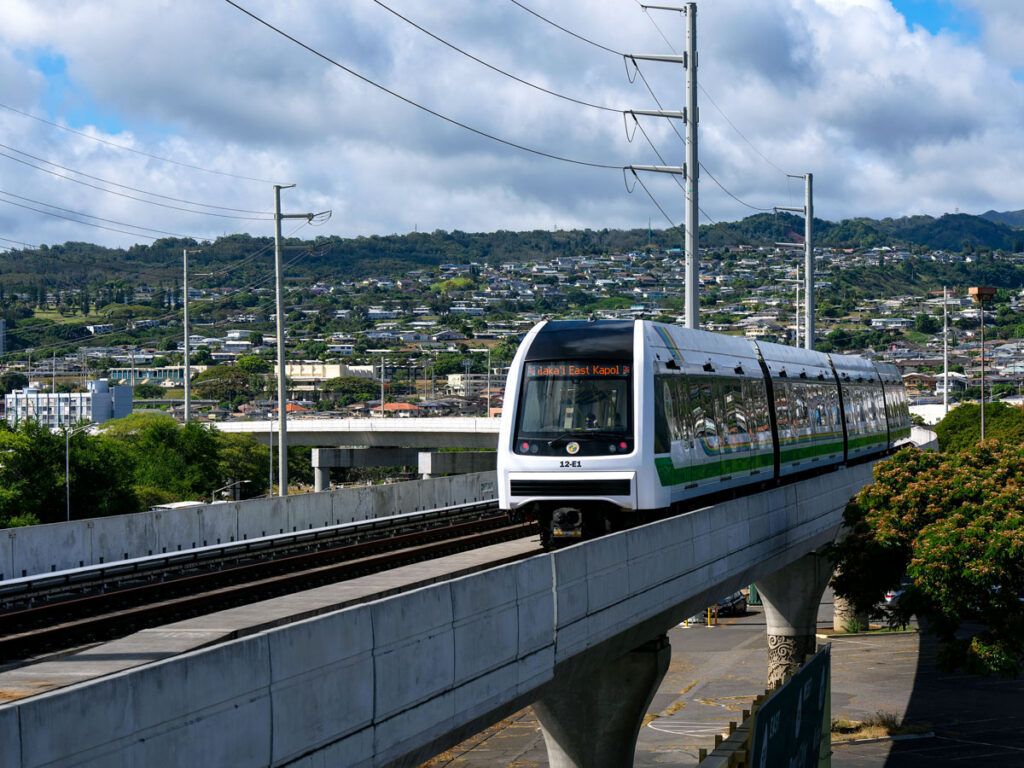
Hawaii does have a few regional train lines, but they’re quite small. In 2023, a new train service called the Skyline opened in Honolulu, on the island of Oahu. It runs along an 18.9-mile-long route serving Daniel K. Inouye International Airport and points of interest such as the Pearl Harbor National Memorial. Nearby, in Ewa Beach, the Hawaiian Railway Society offers rides aboard a restored 1970s diesel train. But with just 6.5 miles of track, this is more of a sightseeing attraction than a true commuter rail experience like Amtrak. Finally, the Kauai Plantation Train offers tours along 2.5-miles of track in the Kilohana Plantation, which has an abundance of local sugarcane and taro crops.
Interestingly, Hawaii once had a more extensive rail network, with commercial railroads that were built to service sugarcane plantations, such as the Hawaii Consolidated Railway located on the Big Island. However, many of the train services that once existed in Hawaii have since shuttered operations.
More from our network
Daily Passport is part of Inbox Studio, an email-first media company. *Indicates a third-party property.