





How To Avoid Getting Sick on Planes, According to Doctors
How To Avoid Getting Sick on Planes, According to Doctors

Air travel often comes with an invisible stowaway: germs. From crowded aisles to shared surfaces, planes can be awfully efficient at spreading illness. No one wants a long-awaited vacation ruined by a cold or the flu, so we gathered a few practical, science-backed tips from doctors for staying healthy on airplanes. From preflight prevention to smart choices after boarding, these strategies can help you feel your best during — and after — your next trip.
Choose Your Seat Wisely
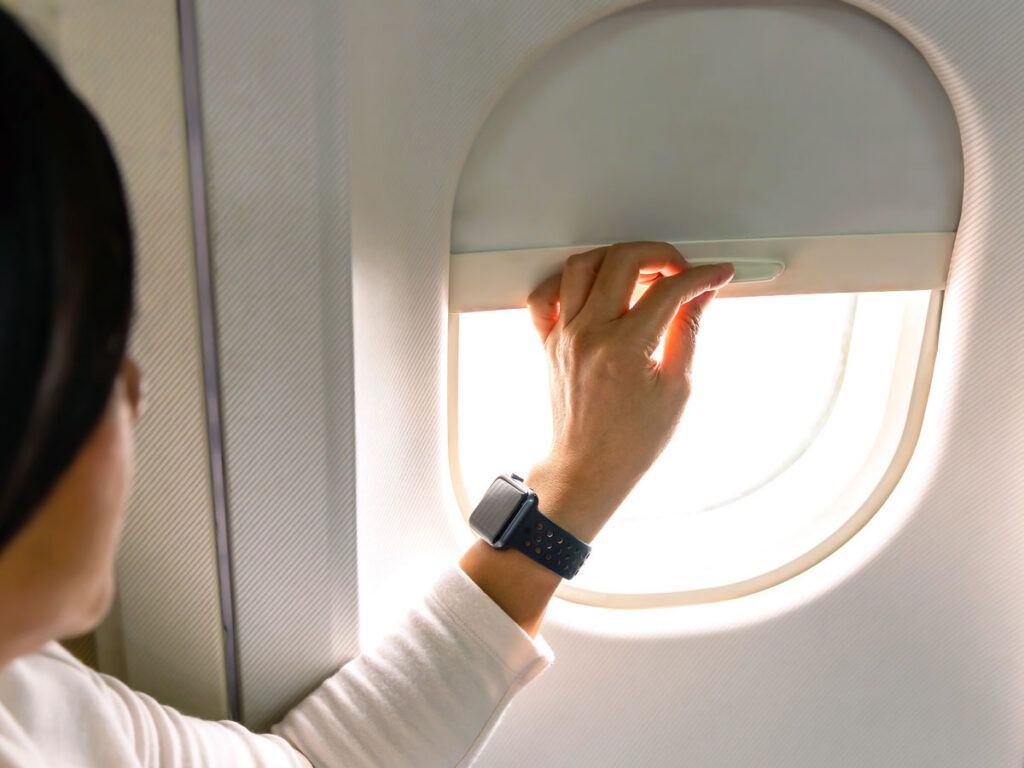
Where you sit on a plane may influence how likely you are to contract an illness. In an interview with The Wall Street Journal, Dr. Jonathan Finnoff, chief physician for the U.S. Olympic team, recommended booking a window seat. Window seats are farthest from high-traffic areas such as aisles, restrooms, and main entry doors, so fewer passengers and crew interact with you as they pass by.
If possible, choose a window seat near the middle of the cabin. Research suggests that illness typically spreads on planes in a small perimeter: one row ahead, one row behind, and two seats on either side. By sitting even a few seats farther away from high-traffic areas such as the doors and lavatories, you may lower your risk of exposure.
Clean Your Space
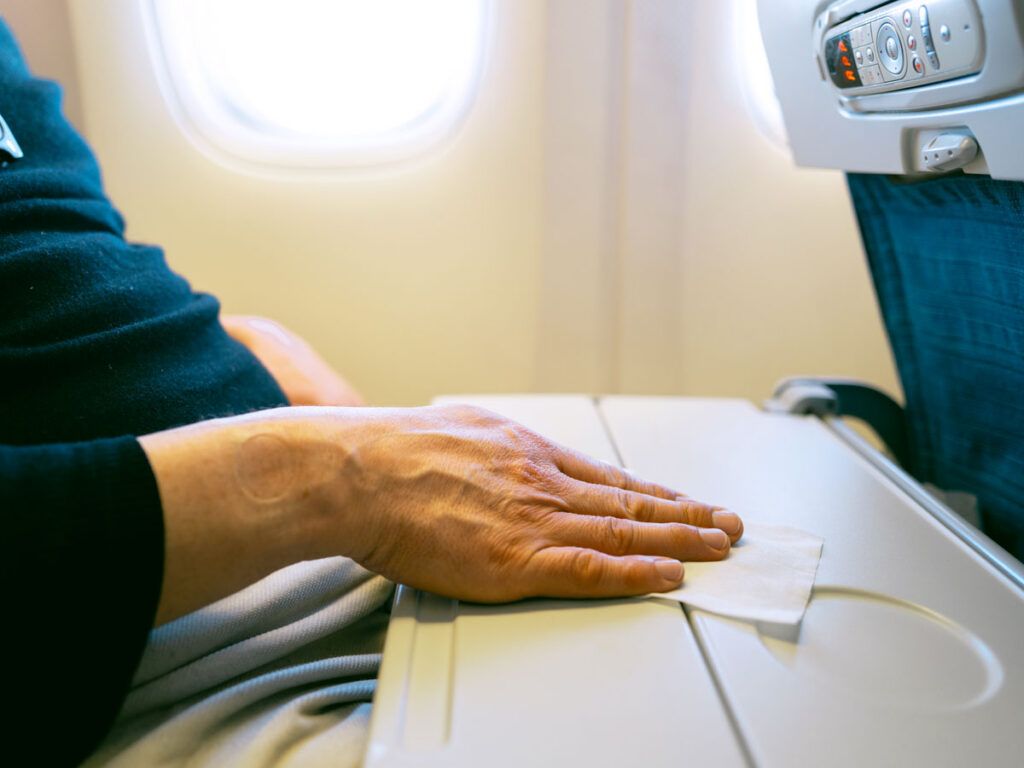
After stowing your carry-on, your first order of business after taking a seat is to clean your surroundings. Studies show that high-touch areas such as the seatback, tray table, bathroom door handle, and bathroom sink tap handle are the dirtiest parts of a plane, harboring bacteria such as E. coli and staph. Be sure to use disinfecting wipes, as these are intended to kill both bacteria and viruses — “sanitizing” wipes only kill bacteria.
Use wipes to clean the seat belt buckle and latch, armrests, screens, tray table, and any other areas you may touch during the flight. If you get up to use the restroom, Dr. Finnoff recommended taking a wipe with you to clean the door handle and any other surfaces you may touch. And don’t forget to use hand sanitizer before eating in-flight snacks or meals.
Point Your Air Nozzle Strategically
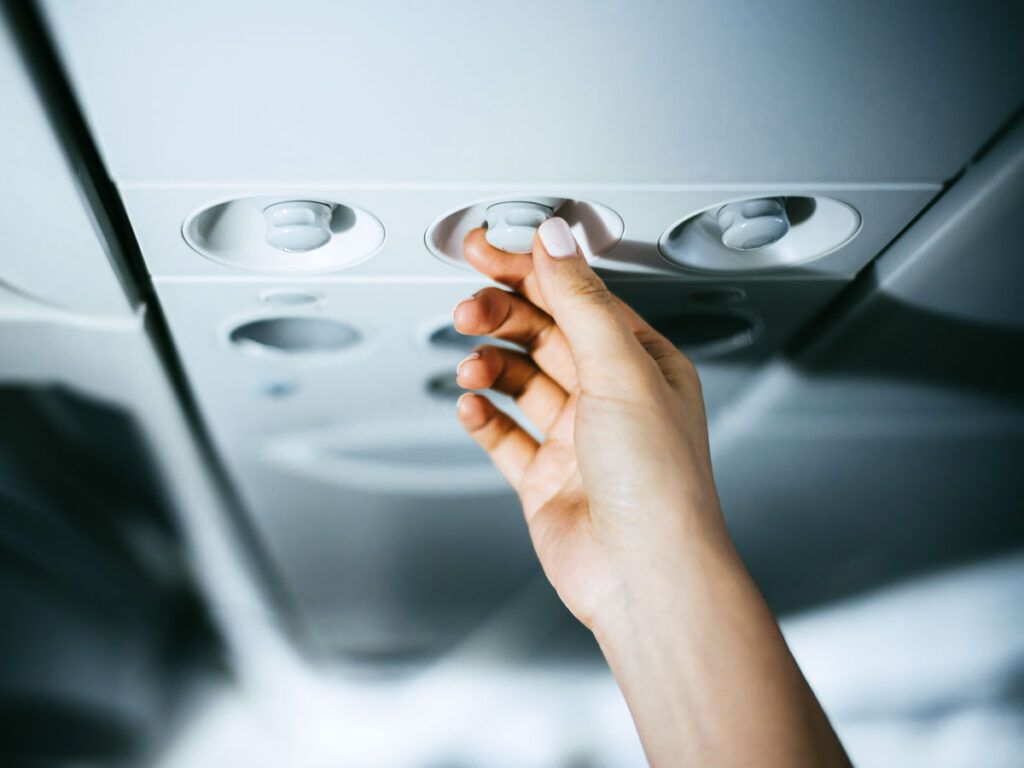
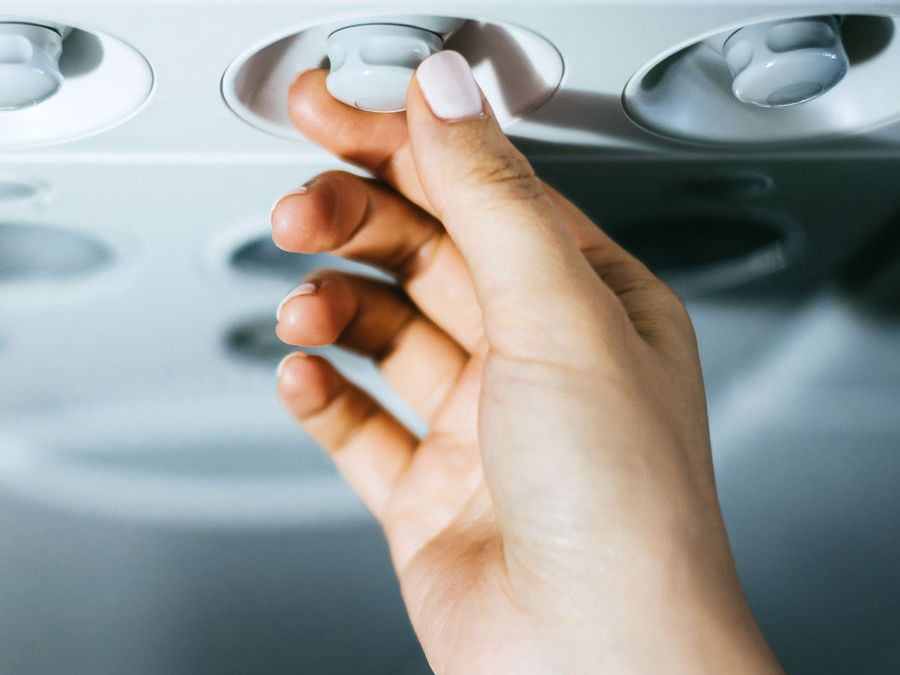
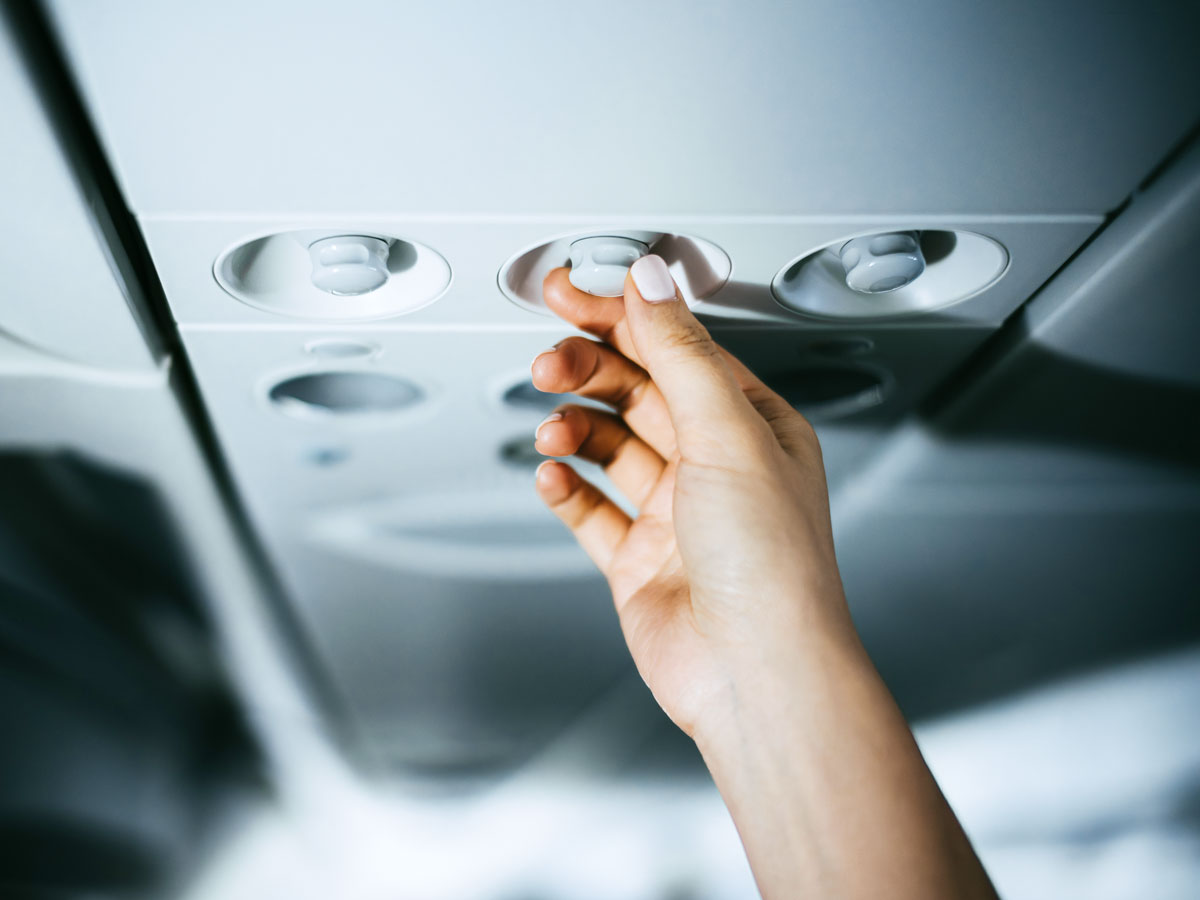
Many passengers have likely never considered using their overhead air nozzle to ward off illness, but experts recommend it as one way to prevent the spread of illness. In the Wall Street Journal interview, Dr. Finnoff advised directing the air nozzle between you and the person next to you. This strong airflow may create a barrier to protect you from airborne germs, such as those spread through coughs and sneezes.
This tip also works if you prefer the airflow on you. On TikTok, board-certified physician Dr. Frank Contacessa recommended turning the air nozzle on full power and pointing it straight down at you. He explained that studies have shown this can keep bacteria and viruses away from your face. Since airplanes use HEPA-filtered air that reduces the spread of airborne illnesses, blowing this clean air at your face poses little risk.
Practice Healthy Sleep Habits

Travel disrupts your routine, especially when it comes to eating, sleeping, and exercising. All of these changes can weaken your immune system. This, combined with the germs that come with air travel, can make it easier for passengers to get sick shortly after their trips.
So, it’s important to take steps to boost your immune system before stepping on the plane. One of the easiest ways to do this is to get more sleep. In general, the CDC recommends seven or more hours of sleep for adults to maintain a healthy immune system. Do this before, during, and after air travel to avoid illness on your trip.
Stay Hydrated
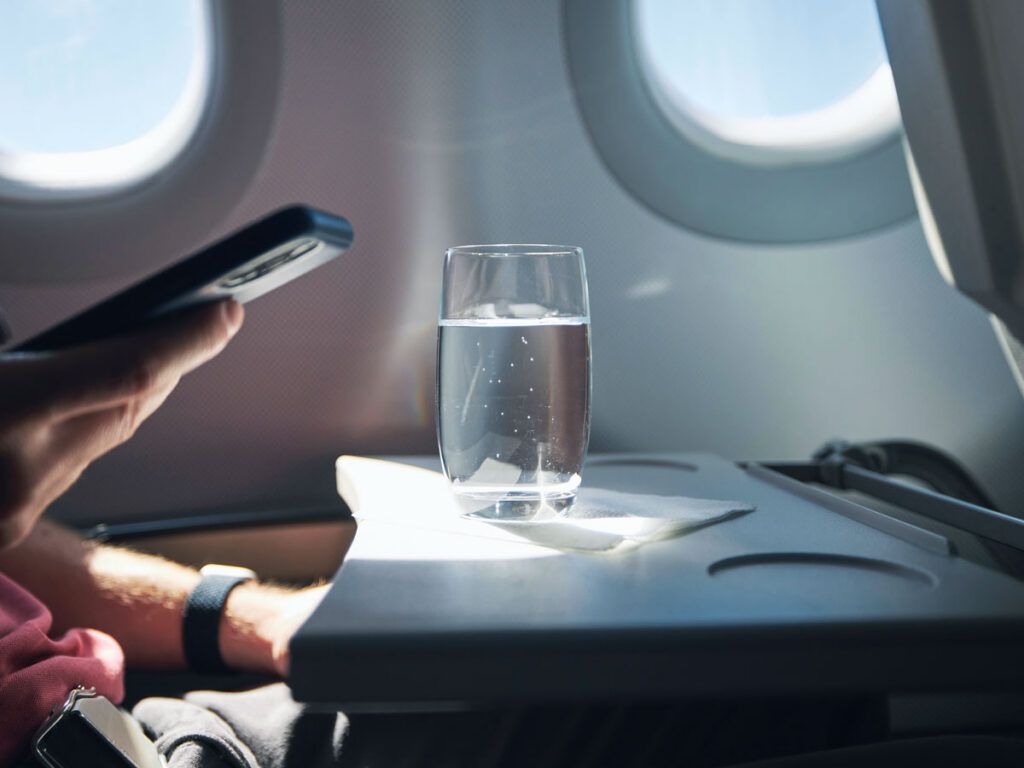
Staying hydrated is another easy way to boost your health, which is why Dr. Ladan Pourmasiha, medical director of Baptist Health Urgent Care, lists hydration as one of her top air travel tips. The Academy of Nutrition and Dietetics recommends a daily water intake of 11.5 cups (92 ounces) per day for women and 15.5 cups (124 ounces) for men. This amount may vary based on age, weight, lifestyle, and health conditions.
Pediatrician Dr. Tanya Altman agrees, mentioning water intake as her first tip for airplane wellness in an interview with Inside Edition. She always travels with water bottles and electrolyte packets. While filled water bottles (even factory-sealed) are not allowed through TSA checkpoints, empty, reusable water bottles are, and refill stations are typically available near restrooms post-security.
Use a Saline Spray
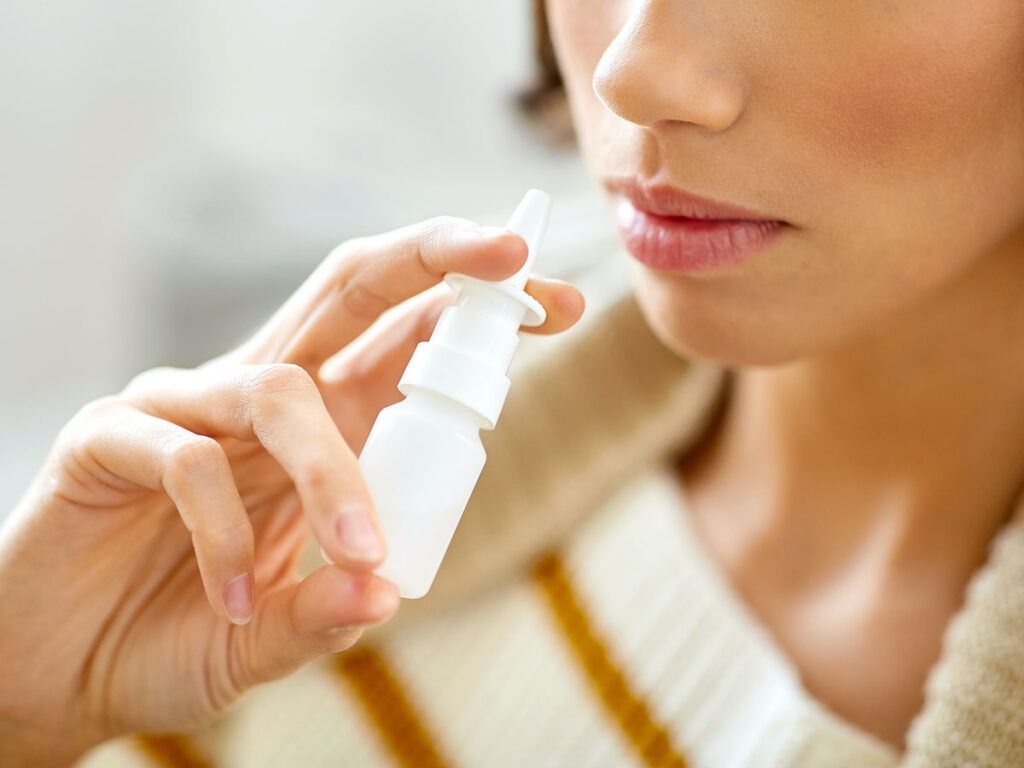
The air that circulates on planes has very low humidity, which dries out the nasal passages and can cause throat irritation, making you feel sick even without bacteria or viruses. While staying hydrated can help, Dr. Altman recommended using a nasal spray to support the body’s natural defenses.
Over-the-counter, unmedicated saline sprays keep the nostrils moisturized and may even help flush out airborne pathogens that cause illness. Many brands offer TSA-friendly options under 3.4 ounces. Always consult your doctor before using.
Wear a Mask
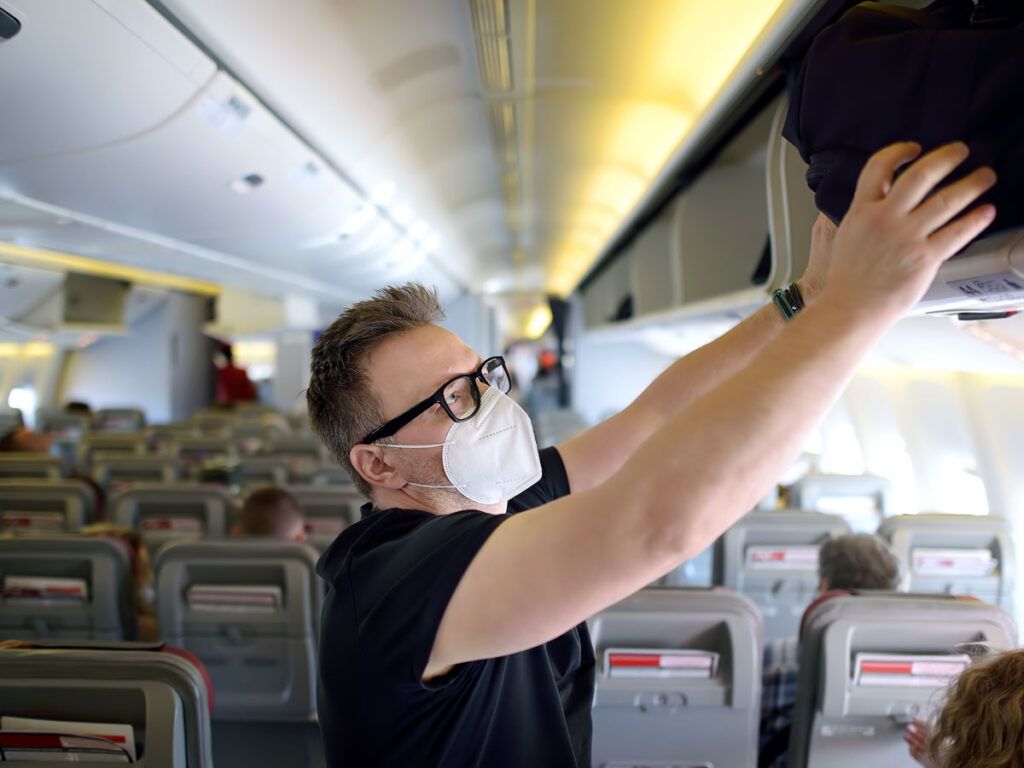
If you’re flying during peak travel seasons, such as spring break or around holidays, wearing a mask remains one of the most effective protective measures. Dr. Pourmasiha notes that masks can reduce exposure to airborne viruses that other passengers may be carrying. This includes respiratory illnesses such as the flu, RSV, the common cold, and COVID-19.
On TikTok, board-certified surgeon Dr. Alberico Sessa said that, if you’re going to wear a mask, make it a well-fitting N95, which has the proper filtration system to ward off illnesses. Regular masks, such as cotton or surgical, may be less effective. Consider keeping a few clean masks in your carry-on as a simple precaution.
More from our network
Daily Passport is part of Inbox Studio, an email-first media company. *Indicates a third-party property.