





10 Surprising Etiquette Faux Pas in Other Countries
Every country has its own societal norms, some of which may seem strange to outsiders. Americans are used to their own unwritten rules of etiquette, but those they encounter in other countries can be surprising. Here are 10 common habits that can be considered rude to keep in mind next time you travel abroad.
Giving the Peace Sign – Turkey

In America and many other countries, raising the index and middle fingers in a “V” shape, with the palms facing outward, is the peace sign. However, in other parts of the world, the “V sign” is associated with victory instead of peace. And in Turkey, it has a more unfortunate connotation: terrorism.
Many people learned that in the summer of 2025 due to a viral video of a South Korean tourist being gently reprimanded by security guards after flashing the peace sign in Istanbul. “In your culture, it means peace, but unfortunately in Turkey, it is raised about terrorism,” one of the guards told her. The hand gesture has been used in the past by the Kurdistan Workers’ Party (PKK), which has been designated as a terrorist organization by Turkey, the United States, the European Union, Japan, and Australia.
Gifting Certain Kinds of Flowers – France
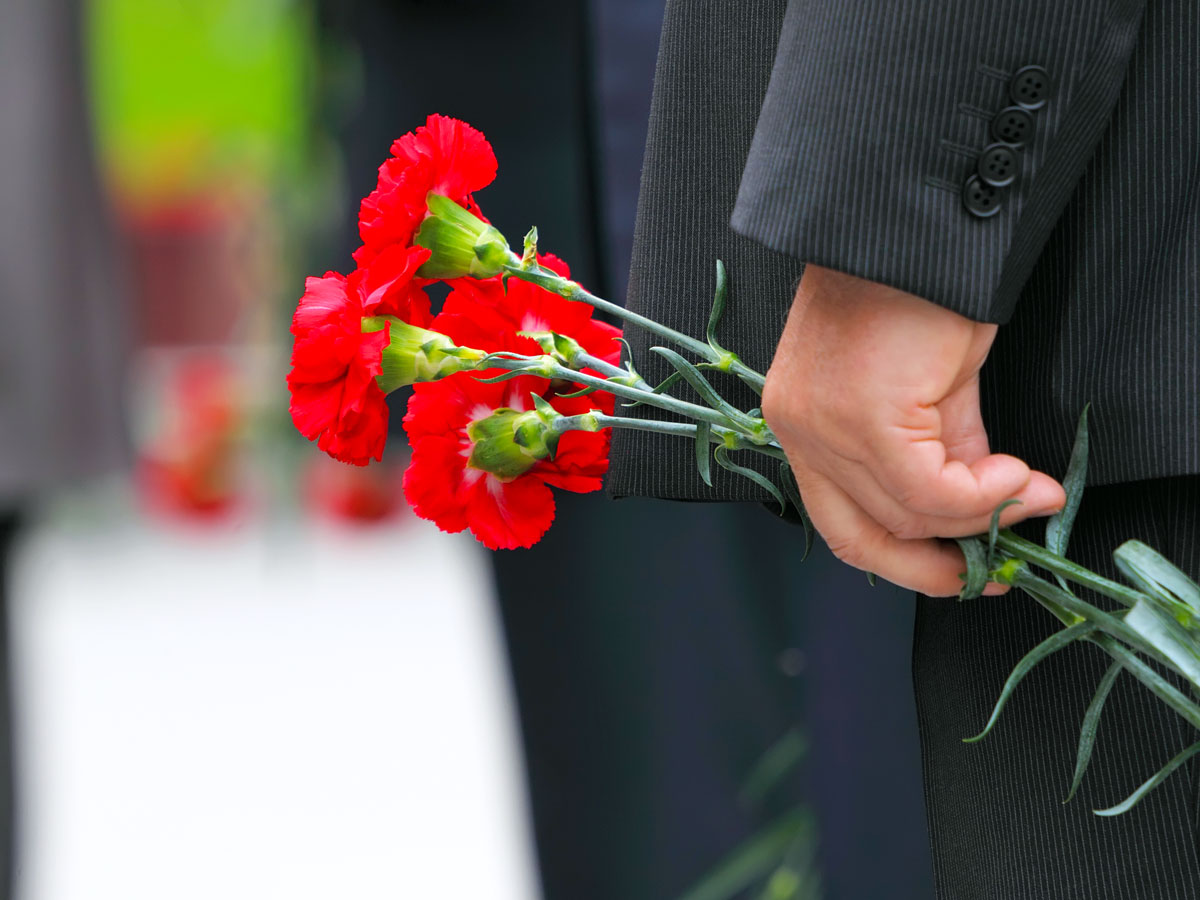
Chrysanthemums have funeral connotations in France, where they’re associated with mourning and loss. So, while they’re the right kind of flower to leave at a gravesite, they’re the wrong kind for most other occasions. Also best left at the florist are red carnations, which suggest ill will; all-yellow bouquets, which imply infidelity; and an even number of flowers in a bouquet. Additionally, flowers in general are considered a bit of a no-no if you’re trying to thank someone for hosting you — especially if they aren’t already in a vase, as you just gave your host work to do when you were trying to give them a gift.
Pouring Your Own Drink – Japan and South Korea
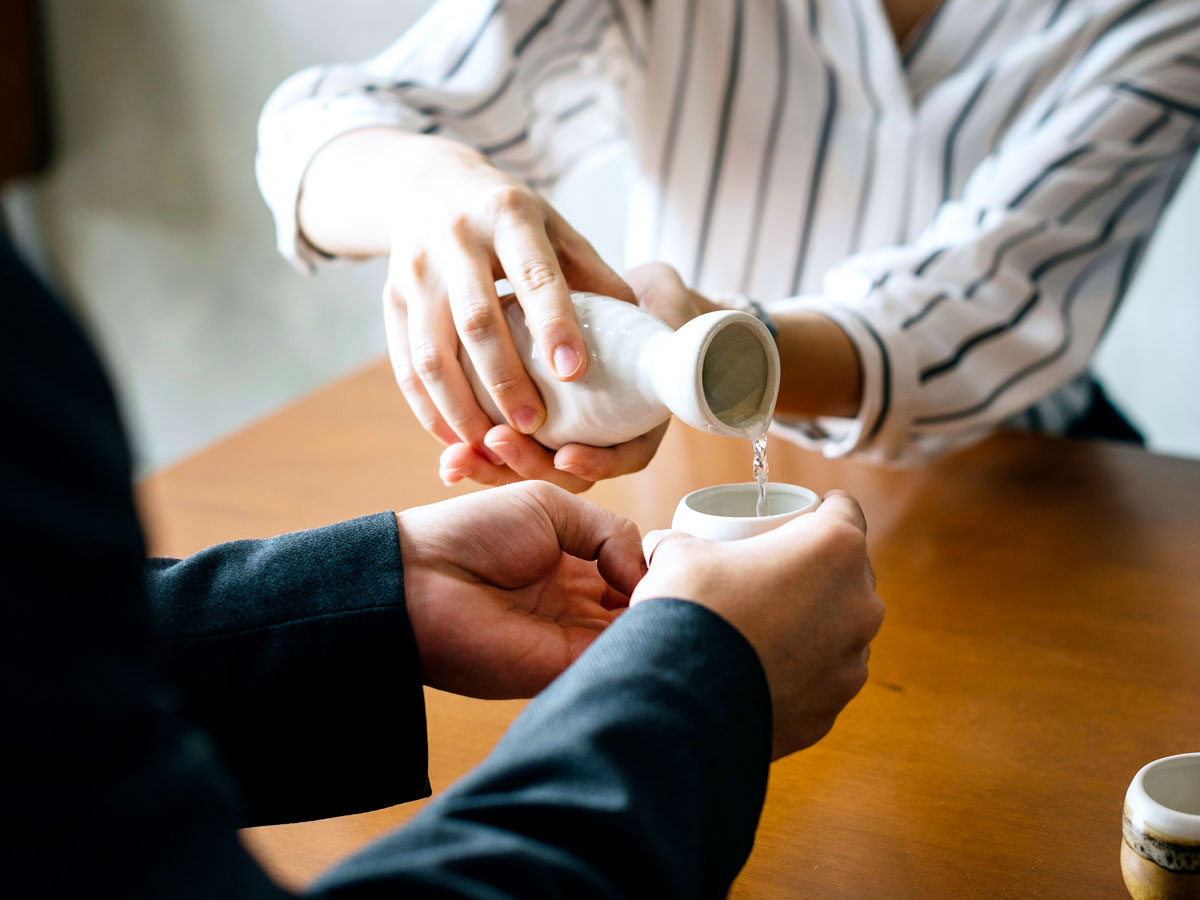
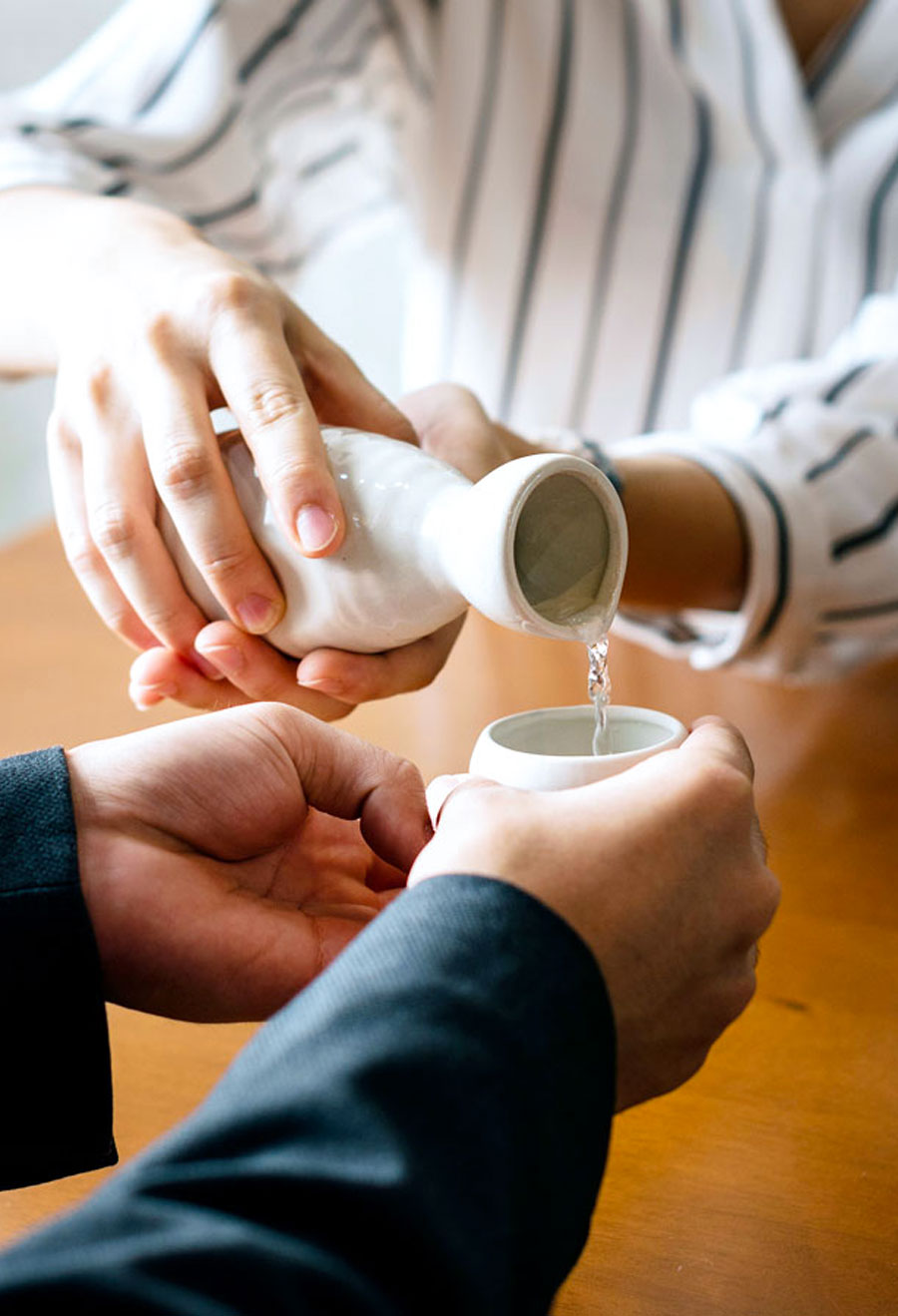
Drinking is a social activity, and every country has its own rituals and rules. In Japan and South Korea, one of the most important is not filling your own glass when out with friends. Rather, you should wait for your tablemates to do it for you — and fill theirs for them in return. This makes drinking sake or soju more polite and interactive. It even has its own term in Japan: shaku suru or kumu.
Making Impromptu Plans – The Netherlands

If you’re a spur-of-the-moment kind of person, the Netherlands might not be for you. In addition to being extremely punctual, the Dutch are known for making plans long in advance. Those who try to arrange an impromptu get-together may find that their spontaneity doesn’t go over well with locals, who aren’t likely to have time in their schedule that day — or even that week.
Making Light of the Lore – Iceland

Iceland’s folklore is admittedly eccentric, but that doesn’t mean they don’t take it seriously. Is the idea of Jólakötturinn, the Yule Cat who eats children and adults alike if they don’t wear the clothes they receive for Christmas, inherently funny? To some, yes, but it isn’t really a traveler’s place to mock it or other mythical creatures when visiting the remote Scandinavian country. According to a 2022 poll, 31% of Icelanders believe in elves. Rather than make fun of them during your next trip to Reykjavík, consider asking them what they know that the rest of us don’t.
Eating With Your Left Hand – India
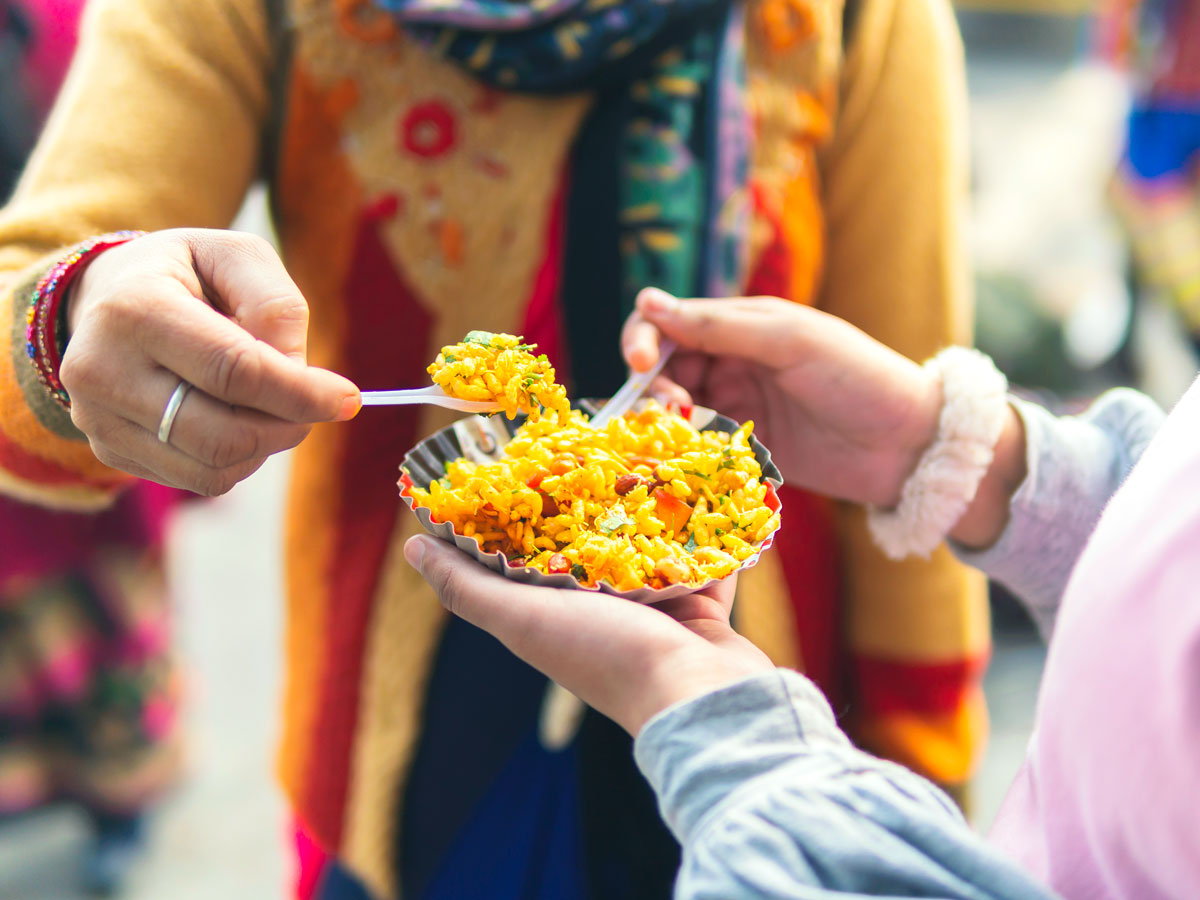
Before you sit down for a meal in India, you should be aware that everyone eats with their right hand. The left hand is considered unclean and therefore unfit for eating, shaking hands, or presenting gifts. The same is true in parts of Africa (including Ethiopia), the Middle East, and Southeast Asia (Indonesia).
Standing Too Far From People – Brazil

The concept of personal space is a bit different in Brazil, where close talkers abound and social interaction is more up close and personal. This isn’t altogether surprising, given that Brazil is the home of Carnaval and other huge gatherings, but it can still result in culture shock for anyone who isn’t expecting it. When traveling to Brazil, be prepared for people you meet to stand a bit closer than you’re used to, and don’t be surprised if conversations involve some physical contact as well.
Wishing Happy Birthday Early – Germany

Unless it’s someone’s actual birthday, don’t wish them a happy birthday in Germany — doing so early is considered bad luck. The superstition is deeply ingrained, so be careful not to say “Alles Gute zum Geburtstag” until the actual day.
Touching People’s Heads – Thailand
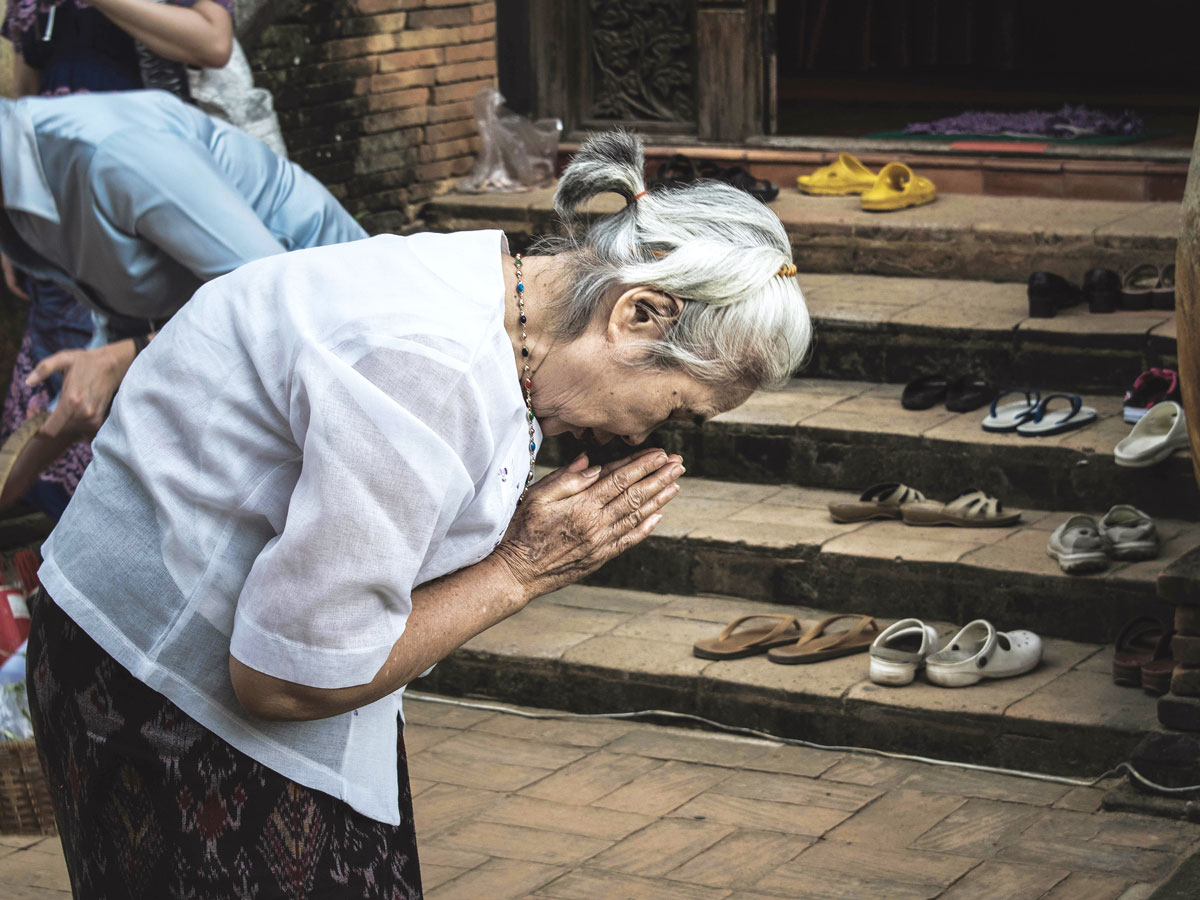
The head is considered the most sacred part of the body in Thailand, which means it isn’t to be touched. According to no less an authority than the Thai embassy, doing so is “rarely appropriate” and “can come across as intrusive or disrespectful,” including as a friendly gesture toward children. Similarly, don’t point your feet at sacred objects or even other people — they’re considered the “lowest and least clean” part of the body, so pointing them at Buddha statues or people “may result in uncomfortable situations or, at worst, offense.”
Giving a Thumps Up – Iran and Iraq

There’s a reason why the thumbs-up sign is one of the most widely used emoji: It’s a near-universal sign of agreement and approval. That’s not true everywhere, however, as giving the thumbs up is considered extremely rude in countries like Iran and Iraq, where it’s more akin to giving a middle finger in America. Historically, we’re the oddity — despite what Gladiator would have you believe, a thumbs up in the Colosseum meant to kill a downed opponent, not let them live.
More from our network
Daily Passport is part of Inbox Studio, an email-first media company. *Indicates a third-party property.