





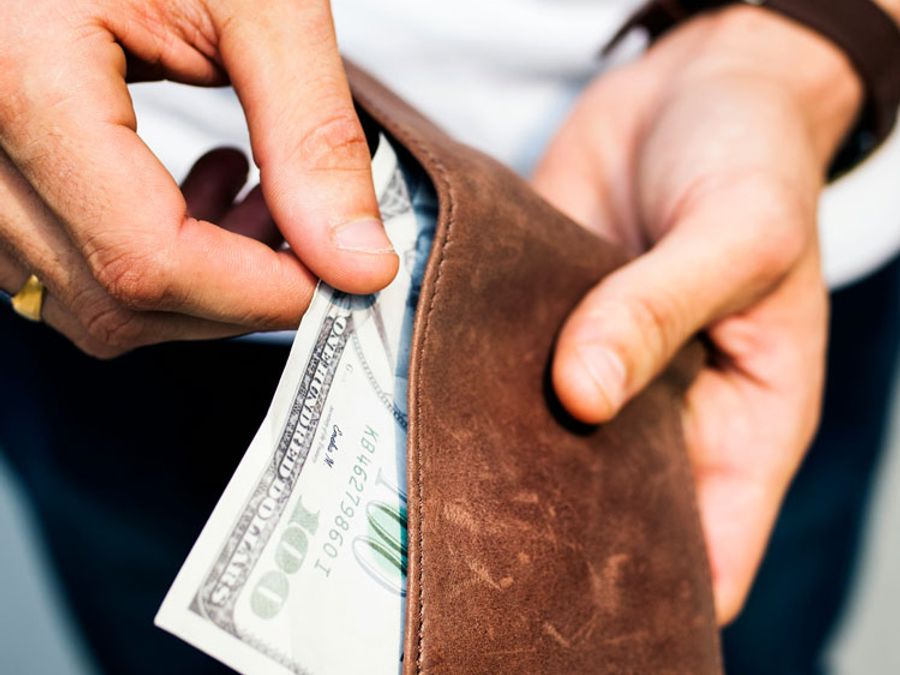
6 Things You Should (and Shouldn’t) Carry in Your Wallet While Traveling
6 Things You Should (and Shouldn’t) Carry in Your Wallet While Traveling
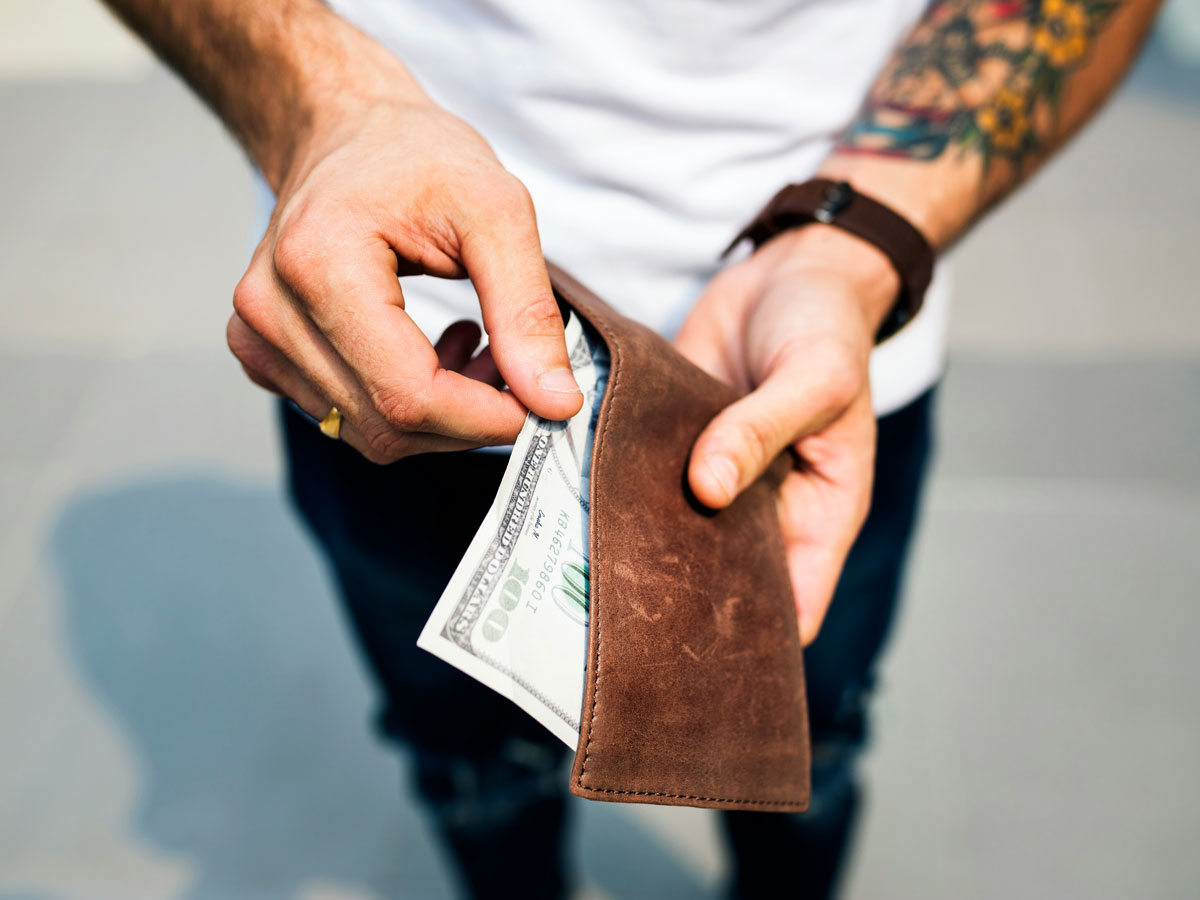

What you carry in your wallet probably differs depending on whether you’re walking around town back home or traveling in a less familiar city. At home, there are certain everyday wallet essentials you don’t want to be caught without, but when you’re on the road, you probably want to leave some items in the hotel room — whether because they take up valuable space in your wallet or because it’s a safety risk to carry them around in places you don’t know that well. Here are three items to always carry in your wallet while traveling, plus three that you should leave behind.
Always Carry: Identification
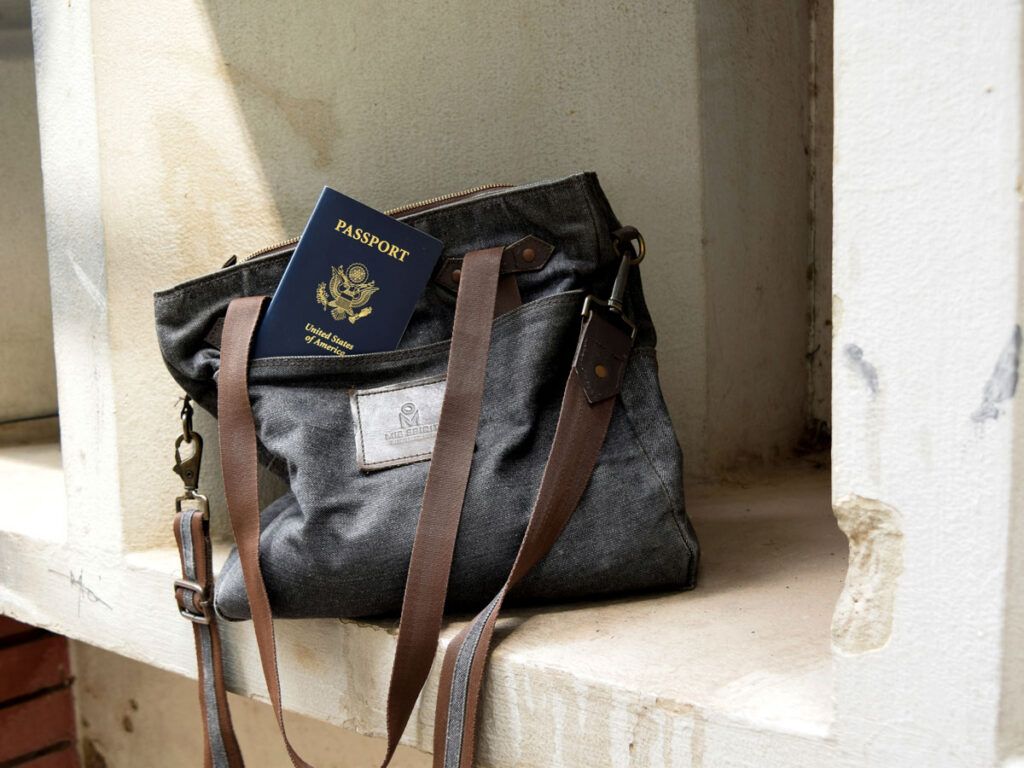
You should never be caught without identification when traveling. You may need it when checking in to a hotel, to confirm a train reservation, or if local authorities ask for it. In fact, it’s a good idea to bring multiple forms of identification with you when traveling, so you can carry one and leave one back in the hotel. That way, if one gets misplaced, you won’t be scrambling to find a new form of ID.
When traveling domestically, a driver’s license or similar state-issued ID will suffice. But when traveling abroad, be aware that certain countries require visitors to carry a passport at all times. If you fail to provide one, you may be fined or arrested. If you’re traveling in a place that doesn’t require you to carry a passport, consider leaving it back in the hotel room to minimize the risk of it being lost. Instead, keep a photocopy of the passport in your wallet or a digital copy on your phone.
Never: Unnecessary Cards
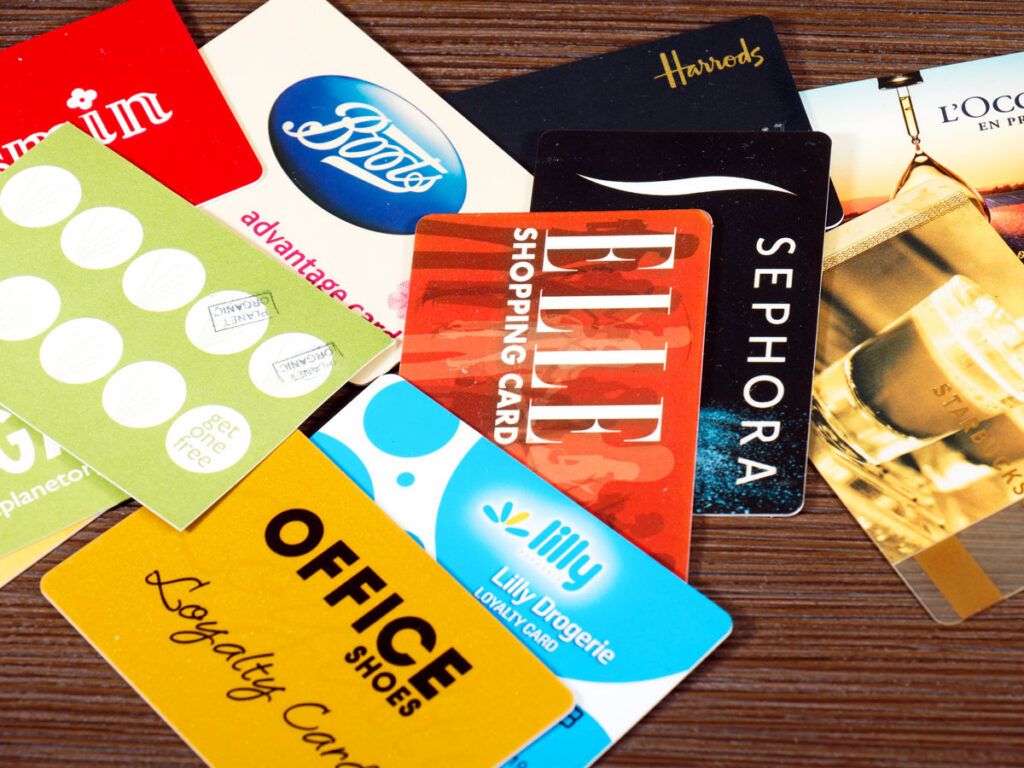
On a normal day, your wallet may be full of items that serve a useful purpose in your everyday life — your membership card to a local gym, a punch card to your favorite deli, or a library card to check out books. But those membership and loyalty cards serve little to no purpose during your travels, so it’s best to remove them from your wallet before you depart on a trip. If your wallet gets lost or stolen, you’ll have to spend hours replacing these cards when you get back home. In a similar vein, never carry your Social Security card with you while traveling, as you won’t need it and may risk losing it.
Always: A Small Amount of Cash
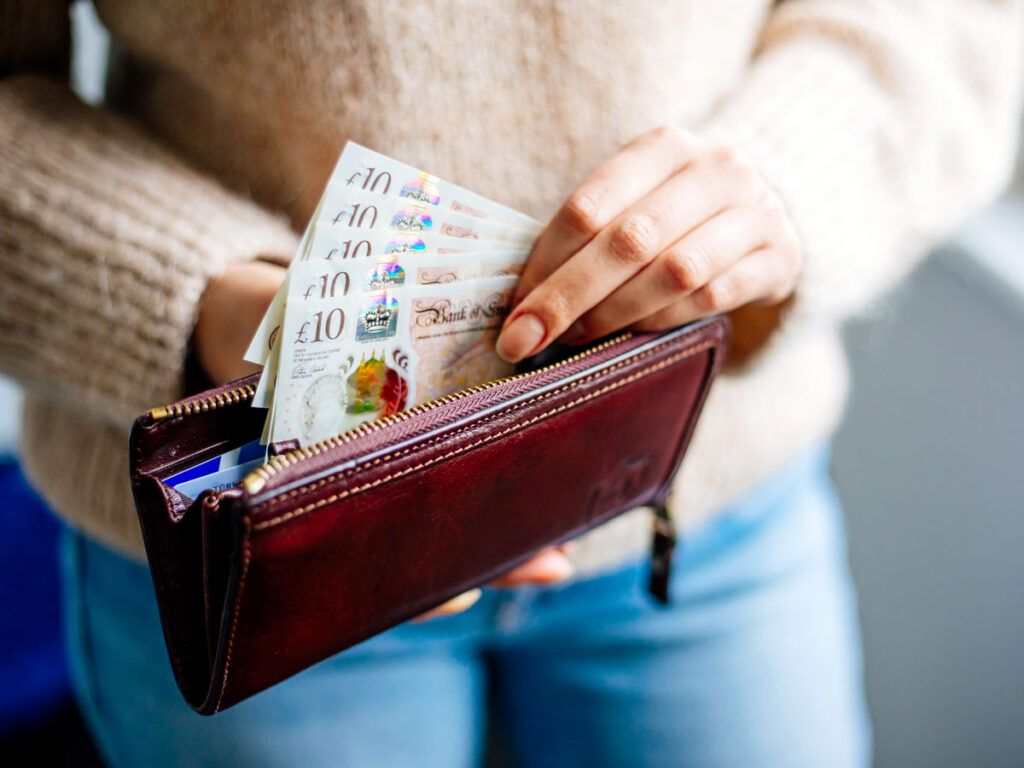
Carrying a bit of local cash can come in handy in a pinch. While more and more vendors accept electronic forms of payment, some have clung to the old ways, and some countries still have a cash-dominant culture. Having cash handy may help you snag a taxi when you really need it, tip a concierge or bellhop, buy a handcrafted souvenir, or pay at a cash-only bar or restaurant that comes highly recommended. Some sources suggest carrying the equivalent of $100 to $200 USD to cover those potential expenses.
Never: Large Amounts of Cash

While carrying some cash is a smart idea, a wallet that’s loaded with currency could attract the attention of pickpockets who may consider you as an easy target. Try not to carry more than around $100 to $200 at any given time. If you’re carrying a higher amount than that and it gets swiped, it will likely feel like a serious financial hit.
Always: Emergency Contacts
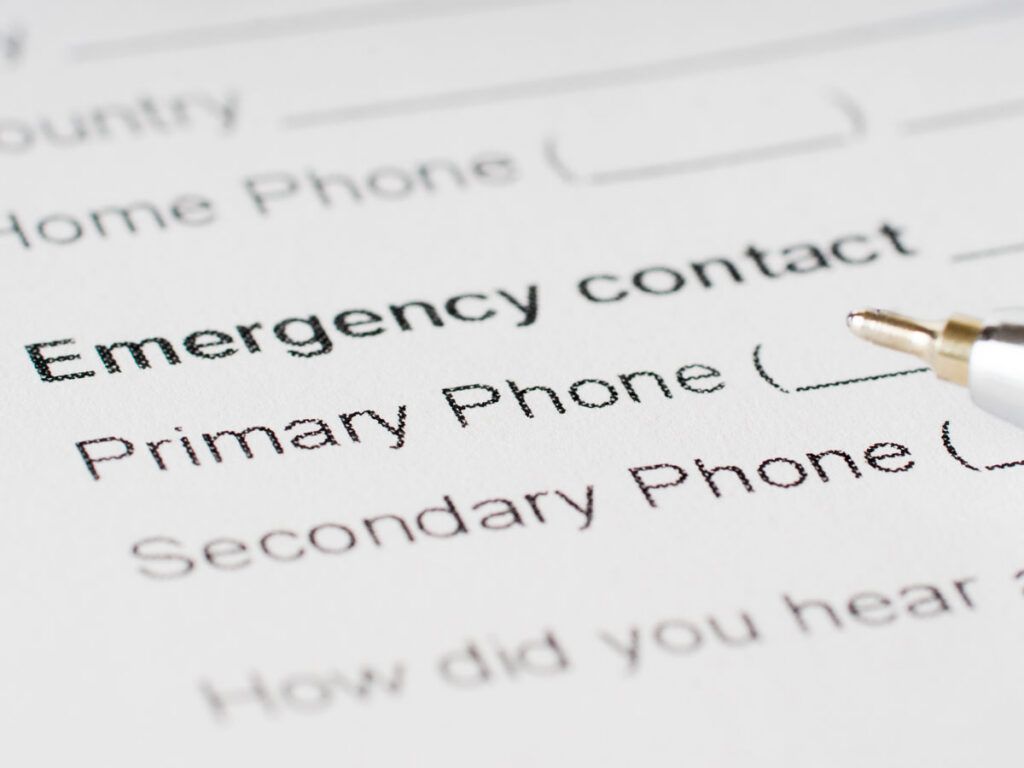
The U.S. Department of State advises travelers to always keep a list of emergency contacts on their person in case of potential crises. Some may choose to note these contacts on their phone, but what do you do if the battery runs out? That’s why it’s a smart idea to keep a backup list of your contacts in your wallet.
The list should include close family and friends you yourself can contact in emergencies, or whom someone else can contact on your behalf if you find yourself incapacitated. The list should also include ways for you to contact local police and emergency services. Lastly, if you’re traveling abroad, write down the contact information for your home country’s local embassy or consulate.
Never: A List of Passwords

This one applies whether you’re traveling or at home: You should never carry around a physical list of passwords in your wallet. According to Pew Research Center, 41% of Americans write down their passwords, and while not every one of those people carries them in their wallet, those who do are exposing themselves to major cybersecurity risks. Instead of writing your passwords somewhere, consider using an online password manager. This helps you safely store passwords so that you can access them at home or on the road with less concern.
It Depends: Medical Information
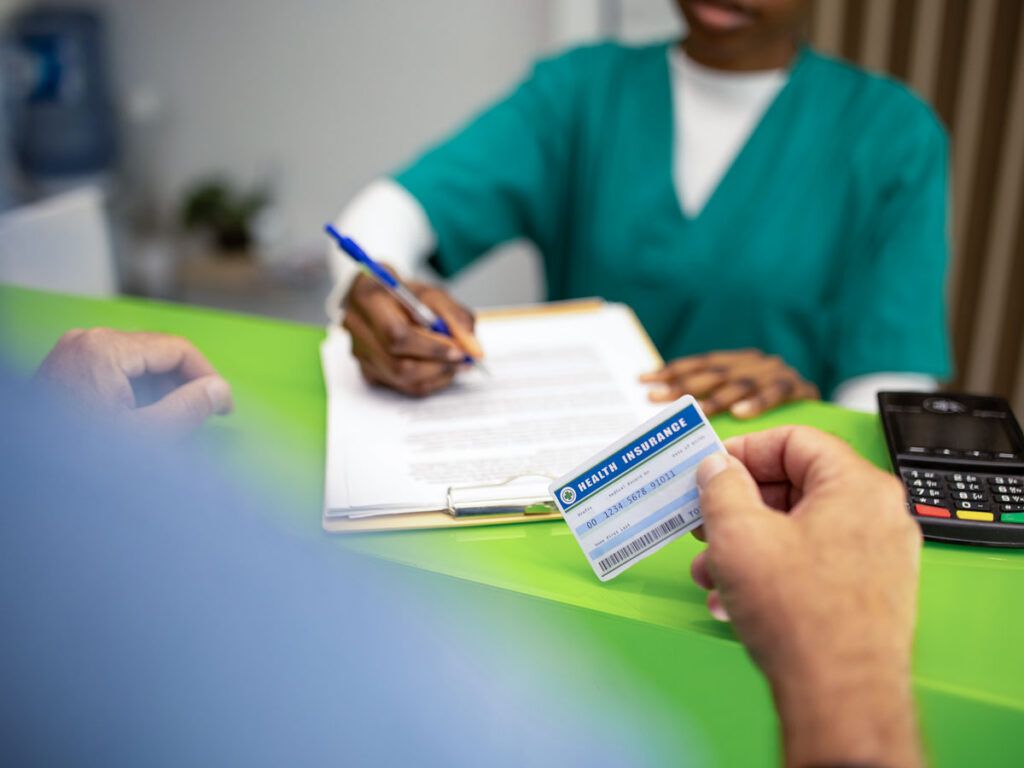
If you’re traveling domestically, it can be useful to carry a health insurance card in your wallet, as well as any other relevant medical paperwork like a doctor’s note or a list of allergies or prescriptions you’re taking. If your wallet gets lost, though, replacing your health insurance card may be difficult, so keep a photo of the card on your phone just in case you need to access its details.
International travel is a different story. Domestic health plans won’t always provide coverage abroad, so you need to check your plan details. For instance, Medicare does not cover medical costs outside the U.S. If this affects you, you may need to buy travel insurance and keep those relevant documents in your wallet instead of your normal health insurance card.
Featured image credit: © Curated Lifestyle/Unsplash.com
More from our network
Daily Passport is part of Inbox Studio, an email-first media company. *Indicates a third-party property.