





How To Protect Yourself When Your Airline Goes Bust
How To Protect Yourself When Your Airline Goes Bust


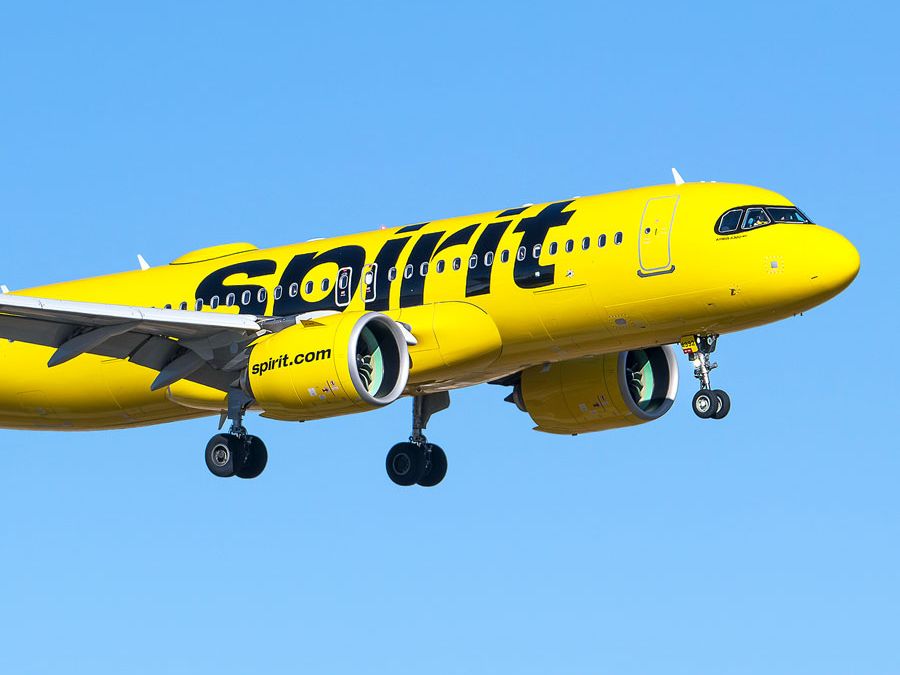
When you book a plane ticket, likely the last thing you expect is that the airline will go out of business. But sometimes, that’s precisely what happens, as stranded customers of ultra-low-cost carrier Spirit Airlines recently discovered. Unless you keep up with business news, it may come as a shock to find out that the airline you chose was even having financial difficulties, let alone about to enter liquidation. So, what can you do to protect yourself in the event of airline bankruptcy? And what happens if you’ve already booked tickets on an airline, like Spirit, that ceases operations? Here are a few helpful strategies to keep in mind.
Chapter 11 vs. Chapter 7
In the U.S., a business may file for reorganization under Chapter 11 of the Bankruptcy Code. This effectively buys the company time to find a way to restructure or find a buyer in order to be able to stay in business. This practice is common in the aviation industry, and it isn’t necessarily the end of an airline.
In fact, Chapter 11 protection has enabled various American carriers to continue flying: United Airlines filed for Chapter 11 in 2002 (exiting bankruptcy in 2006), Delta entered in 2005 (exiting bankruptcy in 2007), and American Airlines went through the process in 2011 (exiting bankruptcy in 2013).
If restructuring fails to work or a buyout can’t be achieved, an airline may declare Chapter 7 bankruptcy, which is a liquidation process, and cease operating altogether. Although this is rare, it’s what happened with Spirit Airlines in May 2026, in the largest U.S. airline liquidation in over two decades. Cautious travelers may wish to search online to see if the airline they’re considering is experiencing financial or operational difficulties so that they are aware of any such situations at the time of booking.
What To Do if You Had a Flight Booked on Spirit

If you were affected by the recent Spirit shutdown, you’ll need to rebook travel on your own (Spirit won’t assist with rebooking) with another airline — as quickly as possible. Other major U.S. carriers have pledged to add capacity on former Spirit routes and offer rescue fares to stranded Spirit customers, but these fares will be available only for a limited time, typically a few days to a couple weeks. You’ll need to provide your new airline with your Spirit Airlines confirmation number and proof of payment to be eligible.
For example, United Airlines has capped fares at $199 to $299 one-way (depending on length of flight) for Spirit customers who had tickets to fly between May 2 and May 16, 2026. You can book online at this special link.
Frontier Airlines, which was one of Spirit’s major competitors and serves over 100 routes formerly flown by Spirit, is offering 50% off base fares across its entire network for travel into November. Tickets must be purchased by May 10, 2026.
Some airlines are also offering special perks for former Spirit customers. Southwest, for example, is allowing Spirit customers who hold Spirit Silver or Gold status to obtain Southwest’s A-List status with the airline’s status match program.
As for refunds, Spirit Airlines says it has automatically processed refunds for customers who purchased tickets directly from the airline using a credit card or debit card. You can check the status of your refund on the Spirit Airlines website. If you booked through a third party, such as Expedia, you’ll have to contact the third-party company directly to request a refund.
However, if you booked using Spirit points or a travel credit, you’ll have to wait for the bankruptcy court proceedings to find out what compensation you can expect to receive. Additionally, if you had a balance of Free Spirit miles, those points can no longer be used or transferred to another loyalty program. Details of what will happen to your points will also be determined by court proceedings.
If you’re looking to avoid a last-minute scramble in the future, we’ve compiled a few general tips to protect yourself in the event of airline bankruptcy.
Always Book Tickets With a Credit Card

If an airline goes into liquidation, insolvency professionals may pause refunds while they work out how to divide assets among creditors. As a traveler, you likely won’t be first on their list. While Spirit has pledged to process automatic refunds, other airlines may not make similar promises (at least right away). In the meantime, however, you can take matters into your own hands — as long as you paid for your ticket using a credit card.
The Fair Credit Billing Act of 1974 aims to protect consumers from unfair billing practices. This means that if a vendor charges for services that aren’t provided, the purchaser’s liability is limited. If you’ve bought a flight using a credit card, you can apply for a chargeback. Time limits vary according to the provider, so it’s wise to dispute the charge as soon as you know the airline isn’t going to honor its end of the contract.
Work Out a Plan B Before You Travel

It’s also useful to figure out alternative arrangements in advance so that, if the unexpected happens, you’re ahead of the pack. Do some online research about which other airlines serve your destination, and if you’re unable to fly back from your intended airport, check if it’s feasible to reach another.
In some cases, it might be possible — though admittedly more time-consuming — to take other modes of transportation to get back home. Depending on where you are, that might involve taking a train, bus, or even a ferry. If you can spare the time, this might be the most cost-effective solution in the event an airline leaves you stranded.
Keep an Eye Out for Rescue Flights

When an airline ceases trading, other carriers may step in to help stranded passengers, though this doesn’t happen in all cases (and assistance may be limited to a very short window of time, as in the case of Spirit’s shutdown). When it does, it’s good PR, particularly when the savior airline caps airfares for stranded customers.
To qualify for such rescue fares, you’ll most likely have to provide a booking reference that proves you were originally scheduled to fly with the now-bankrupt airline. However, these flights can take time to materialize. If you can find an affordable route home in the meantime, consider grabbing it, because airfares are dynamic and change rapidly according to supply and demand.
Ensure You Have Access to an Emergency Fund

When the unexpected happens, you’ll need to be able to pay for replacement tickets and hope that you’ll be able to recoup your costs at a future date. But sometimes this can be many months later — or even not at all. As a consequence, be sure to carry a credit card with a high-enough credit limit so that you are able to pay for a seat on a replacement flight home or cover other unforeseen costs such as extra nights in a hotel until you can find one.
Choose the Right Insurance Policy

Many people opt to purchase travel insurance, but not all policies are equal. To be able to file a claim if your airline goes bankrupt, you may need a policy that offers reimbursement for scheduled airline failure or financial default. This may not be covered by some travel insurance policies but can sometimes be sold as an add-on to a policy.
Before you decide on a travel insurance policy, check the fine print. For instance, you might be insured for the price of your original flight but not the cost of a last-minute replacement, which may be much more expensive. For domestic flights or short hops overseas, you may be happy to cover the amount yourself, but for a long haul flight, being well-insured could potentially save you hundreds or perhaps thousands of dollars.
More from our network
Daily Passport is part of Inbox Studio, an email-first media company. *Indicates a third-party property.